How to recognize different steels

DESCRIPTION

ADVICE

COMPARATIVE

Behind each puukko hides a steel that dictates its character: sharp edge, moisture resistance or unique patterns. Learn to recognize them for choose The blade that really fits you.

This guide is for you who want to recognize the different steels

The puukko.fr to recognize the different steels of the blades puukko

Steel puukko is not a technical detail: this is what determines whether your blade will bite the wood with ease, resist moisture or simply give you pleasure at each cut.

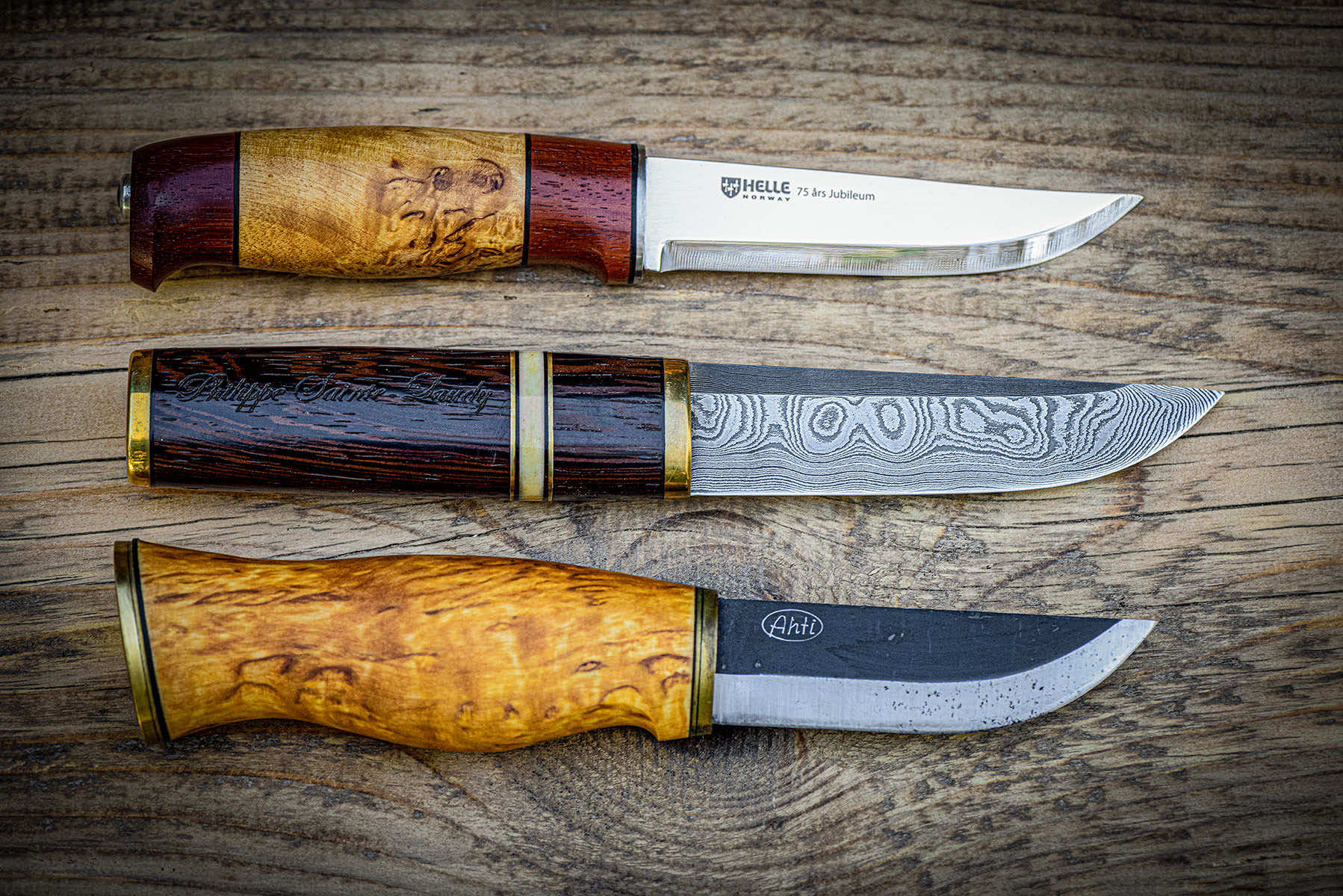
3 puukkos with different steels

Carbon, stainless steel or damas: the complete guide to never again confuse steels and get the best out of each.

Introduction to the various steels

The puukko draws much of his character from his blade. Thinning, wire holding, shock resistance, moisture behaviour... all depends on the steel and the quality of its heat treatment.

There are mainly three families on the puukkos: steels in the carbon (traditional), steels stainless steel (practices) and Damas (aesthetics and performance). This is how to recognize them, understand their differences and choose According to your usage.

If you start, don't hesitate to consult too the guide for choose your first puukko.

#1. Steel carbon

These are the most traditional and often the favourites of Finnish purists and blacksmiths. They offer a very sharp edge, easily sharpen on stone and develop with time a beautiful patina protective grey.

80CrV2 (1.2235)

  • Most widespread steel Today on modern puukkos, bushcraft and hunting blades (very present at Brisa, Terävä and many artisans).
  • Approximate composition: 0.75-0.85 % carbon, 0.40-0.60 % chromium, 0.15-0.25 % vanadium.
  • Typical hardness: 58-62 HRC according to heat treatment.
    It offers an excellent compromise between tenacity (resistance to shocks and chipping) and sharpness. Easy to forge, work and sharpen. Sensitive to corrosion: Dry and oil after use.

Ideal for intensive use in forest, woodworking and harsh conditions.

Böhler K510 (Silver Steel / 1.2210 / 115CrV3)

  • The classic « silver steel » Finnish, very popular on Tommi and the traditional high-end puukkos.
  • Composition: approximately 1.10-1.25 % carbon, 0.50-0.80 % chrome, low vanadium content.
  • Possible hardness: 60-65 HRC.
    It is distinguished by an exceptionally sharp edge and a wire holding greater than 80CrV2 thanks to its higher content of carbon. A little less tenacious of extreme shocks.

Perfect for precise wood work, sculpture and users who are looking for maximum cutting performance.

Other carbons sometimes encountered: XC75, 1095, 52100 (Ovako equivalent 100Cr6), O1.

For good maintain, see the full guide: How to maintain your puukkos

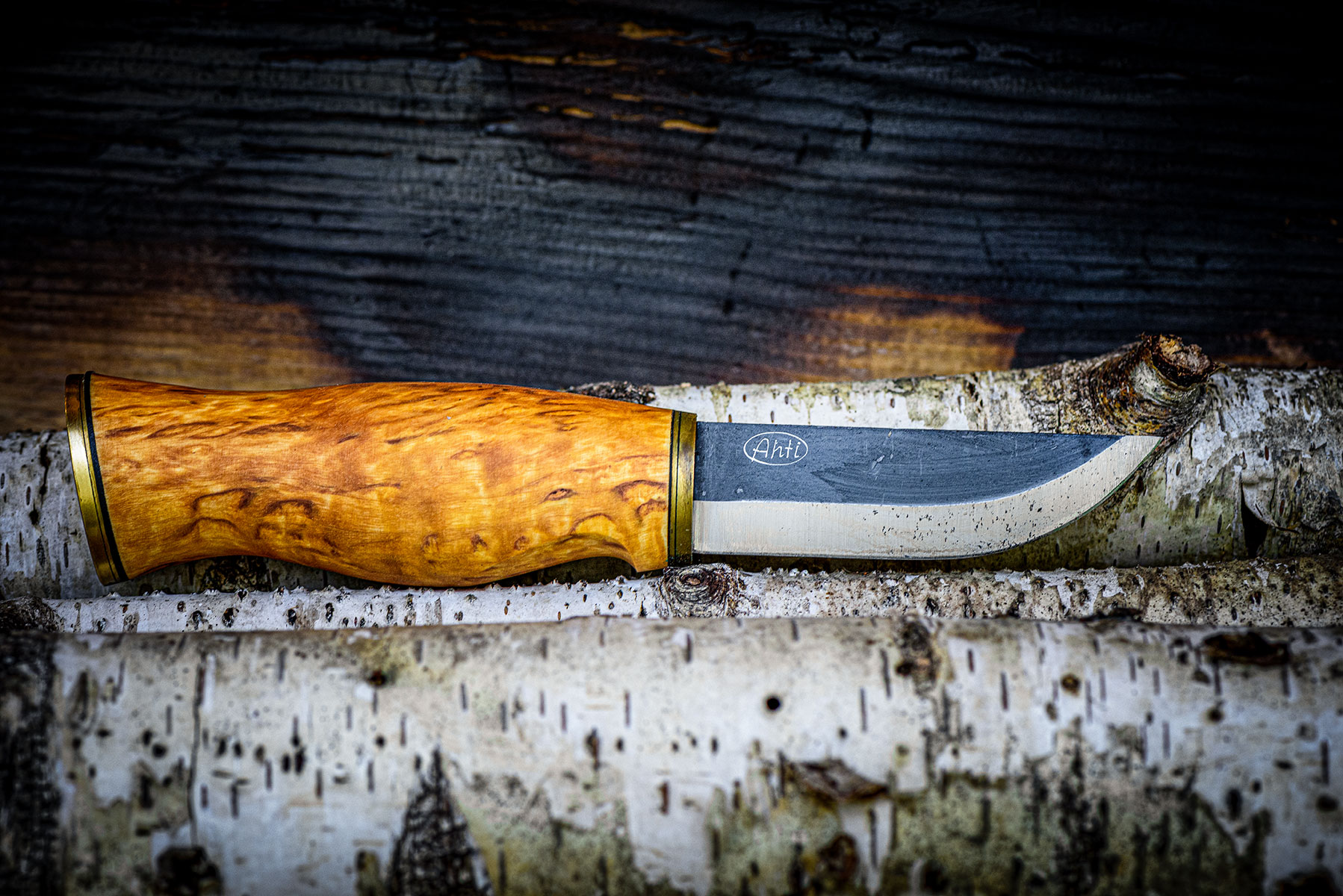
Puukko Ahti with blade carbon

#2. Stainless steels

They require much less maintenance and are well resistant to moisture. The edge is usually a little less « aggressive » than an excellent carbon, but modern Scandinavian steels (Sandvik/Alleima) offer excellent results thanks to their purity and fine grain.

Sandvik / Alleima 12C27

  • L stainless steel Reference for puukkos and Scandinavian knives (Mora and many Finnish manufacturers).
  • Composition: 0.60 % carbon, 13.5% chromium.

Typical hardness: 56-59 HRC (may reach 60-61 with good treatment).
It offers a very good balance between sharpness, tenacity and resistance to corrosion. Easy to sharpen and high purity.

Excellent choice versatile, daily or for beginners who want zero take over.

Böhler N690

  • Stainless steel high-end often offered as a custom option or on premium models.
  • Composition: approximately 1.08 per cent carbon, 17.3% chromium, 1.1% molybdenum, 1.5% cobalt, low vanadium.
  • Hardness: 58-61 HRC.
    Very good sharpness, excellent corrosion resistance and good polish. A little harder to sharpen than 12C27.

Ideal for wetlands, intensive use or users who want to stainless steel performance without constant maintenance.

14C28N (and close to AEB-L / 13C26)

Evolution of 12C27 with nitrogen addition.
Better sharpness and tenacity than the 12C27 while remaining very resistant to corrosion. Very appreciated on modern puukkos for its excellent performance/facility ratio.

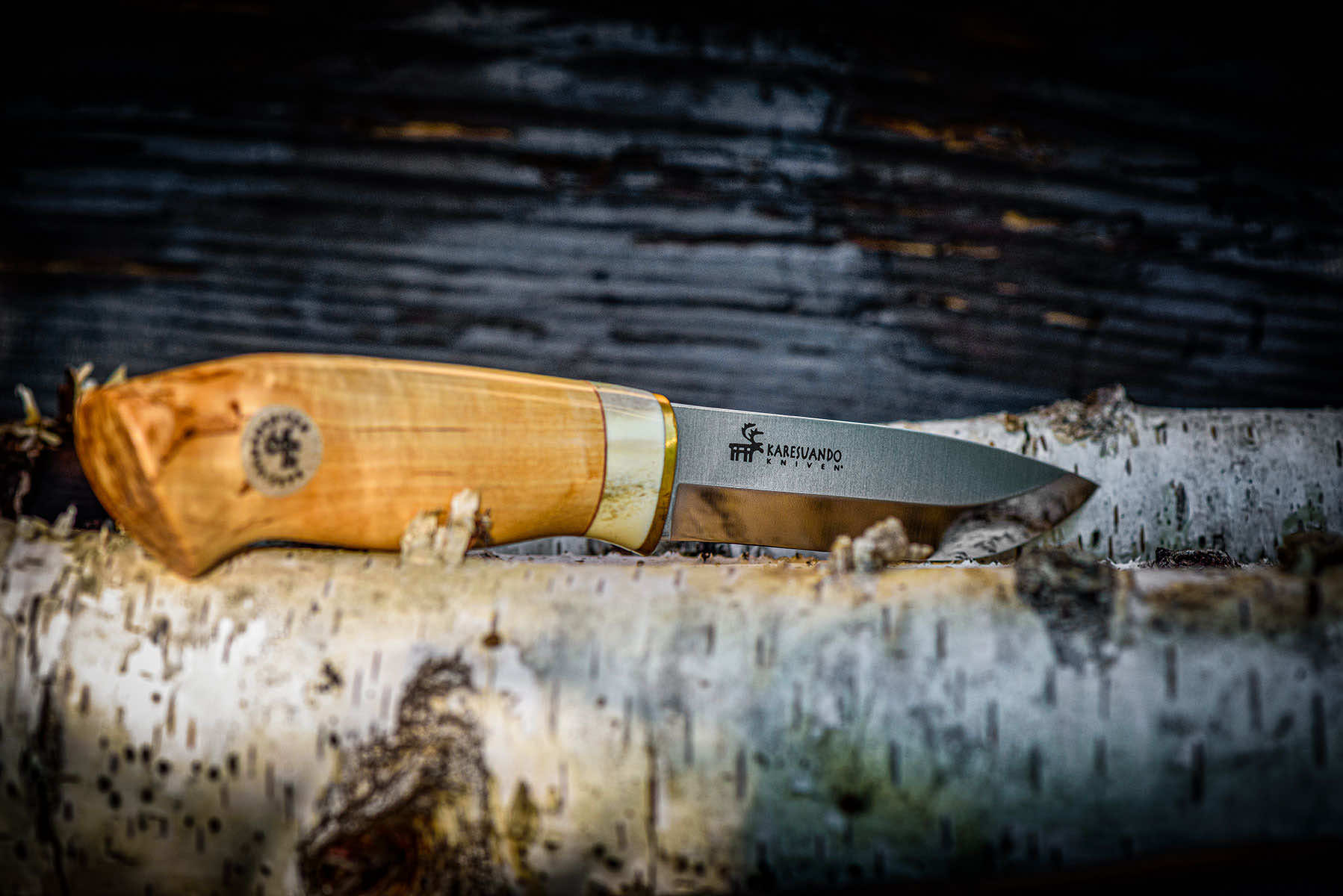
Puukko Karesuando with blade stainless steel

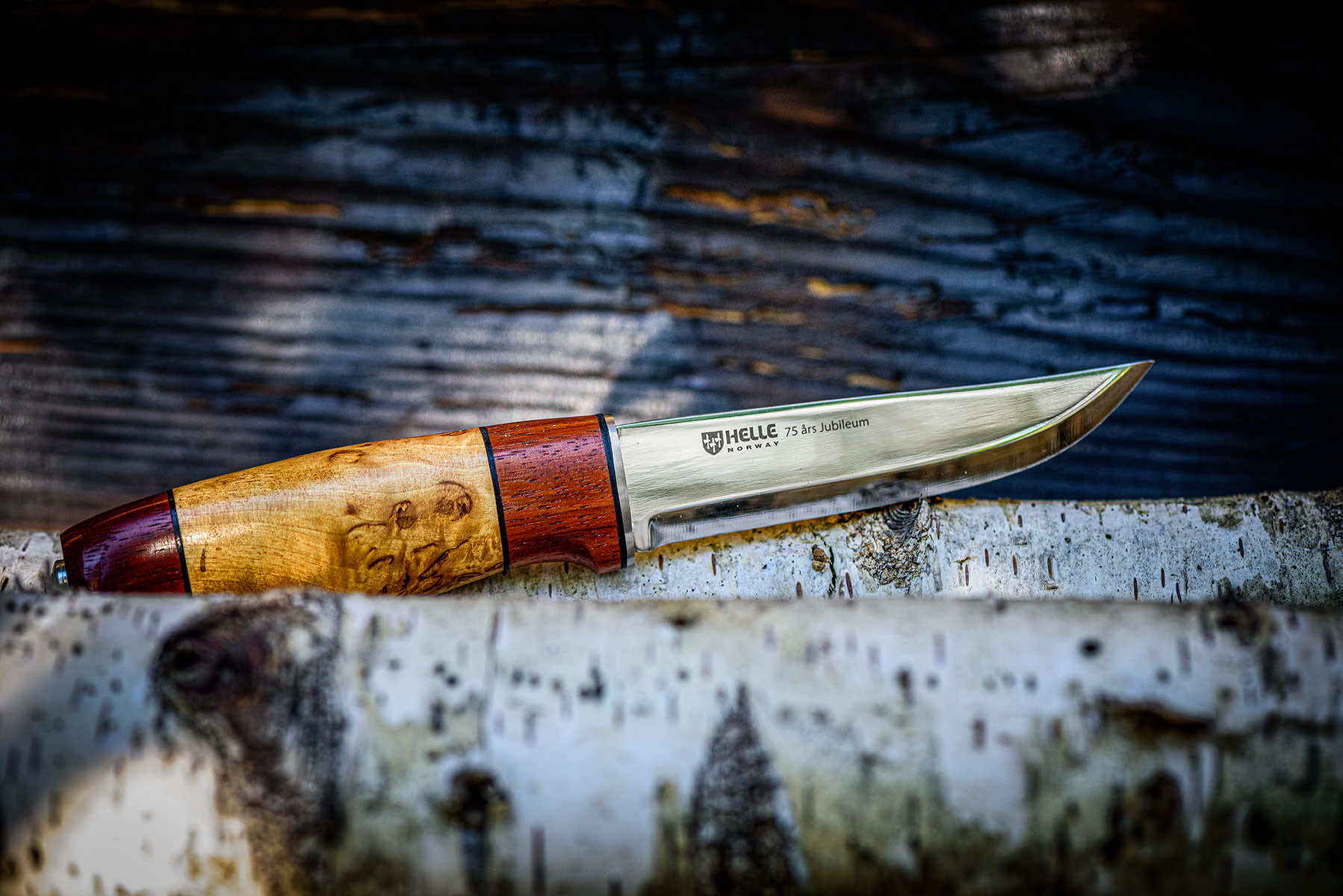
My favourite: Helle stainless steel

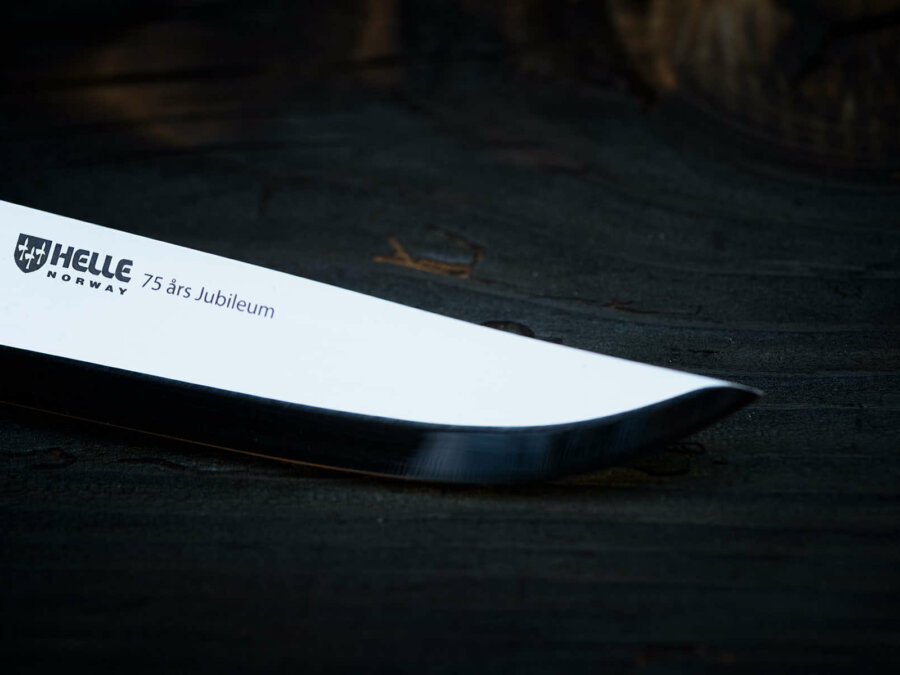
Steel Helle stands out thanks to a triple-rolled proprietary construction (patented since 1967).

H3LS (Helle Triple Laminate Stainless) – the most common version
– External layers: soft stainless steel (type 304) → excellent corrosion resistance and flexibility.
– Central core: stainless steel high carbon (owner's recipe).
– Hardness of the core: 58-60 HRC.
– Result: sharp edge + very good tenacity + sharpening Easy.

H3LC (Helle Triple Laminate Carbon)
– Core in 100Cr6 (52100) between two layers of carbon tender.
– Hardness: 58-59 HRC.
– Swinging even more aggressive, but maintenance carbon classically required.

This sandwich system combines the best of both worlds: the hard core for edge and outer layers for strength. This is one of the main reasons for the reputation for strength and ease of use.sharpening Helle knives.

Helle also uses 12C27, 14C28N and, more rarely, Sleipner according to models.

Why does it look exceptional?
  1. The proprietary laminate is unique in Helle (they have been developing it for over 50 years).
  2. L grind Scandinavian + this type of steel gives an extremely sharp edge and very easy to maintain in the field.
  3. The tenacity + sharp combination is particularly successful for Nordic outdoor use (humidity, woodworking, etc.).
  4. The Norwegian artisanal finish (many manual operations) complements the material well.

In summary: the H3LS is really the heart of Helle identity and largely justifies the brand's reputation. It's a great choice if you're looking for a stainless steel « which behaves almost like a carbon » in terms of sharpness, while remaining much easier to live.

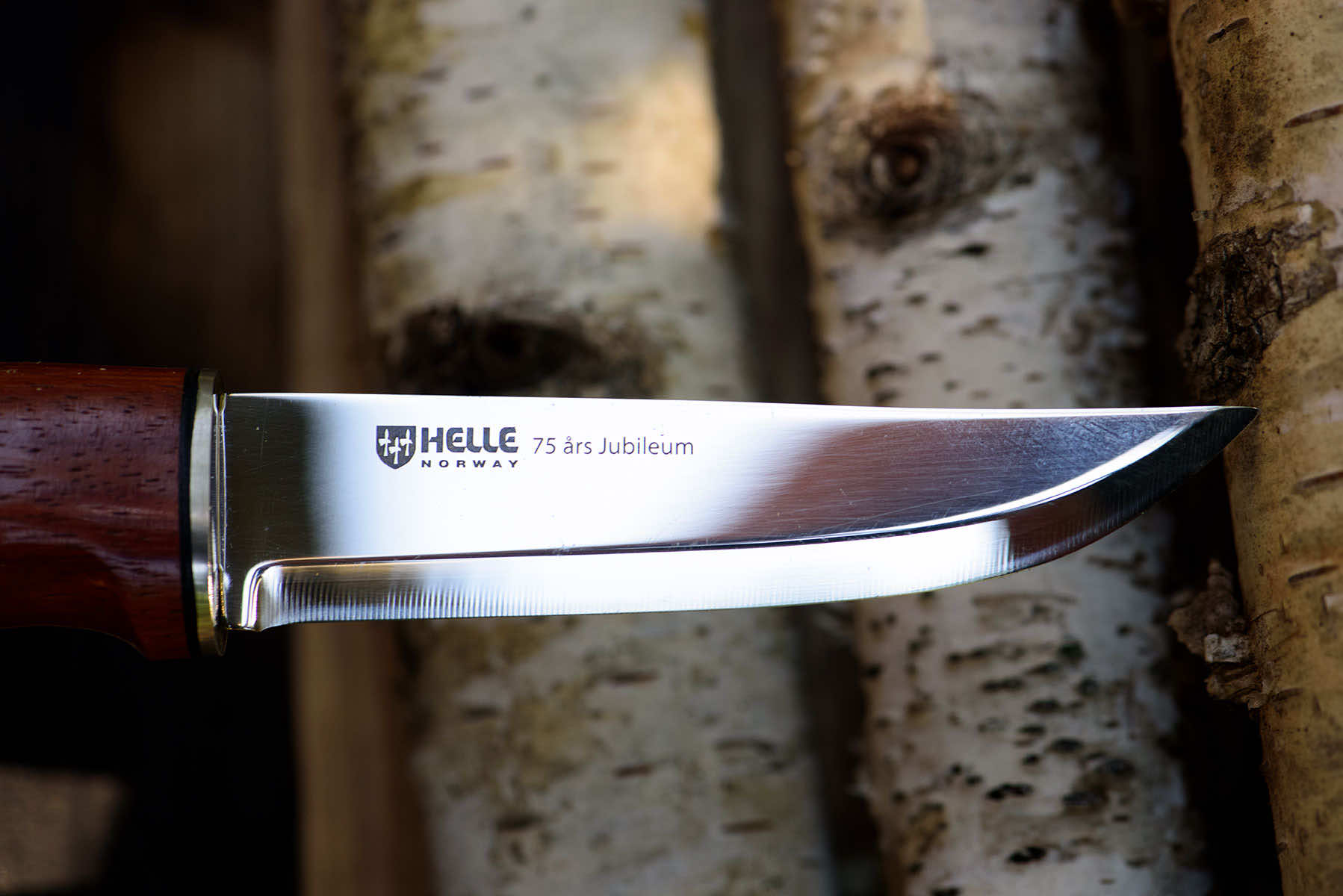
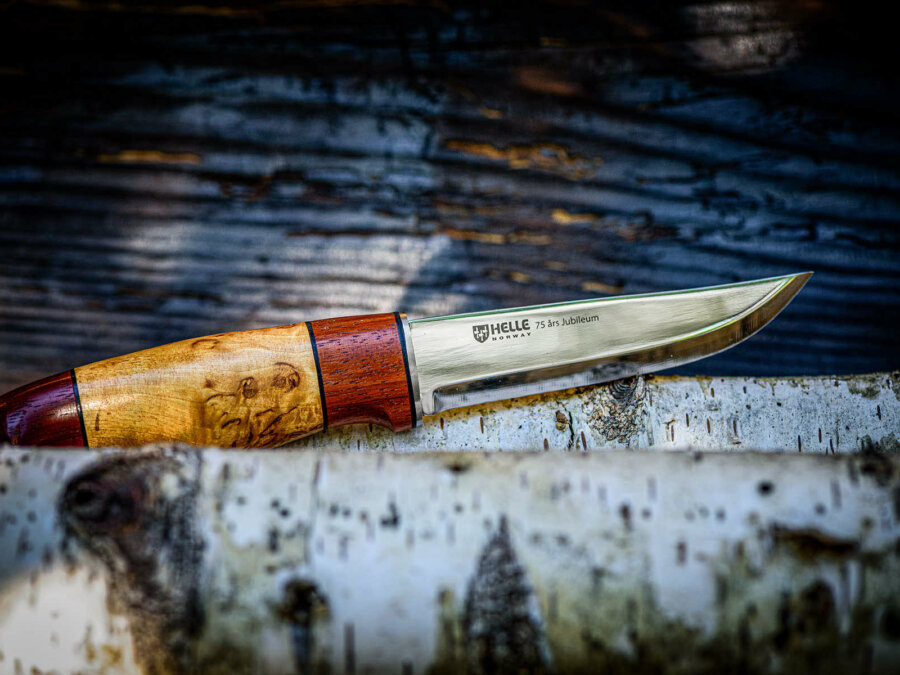
Puukko Hell with blade stainless steel

#3. The damas

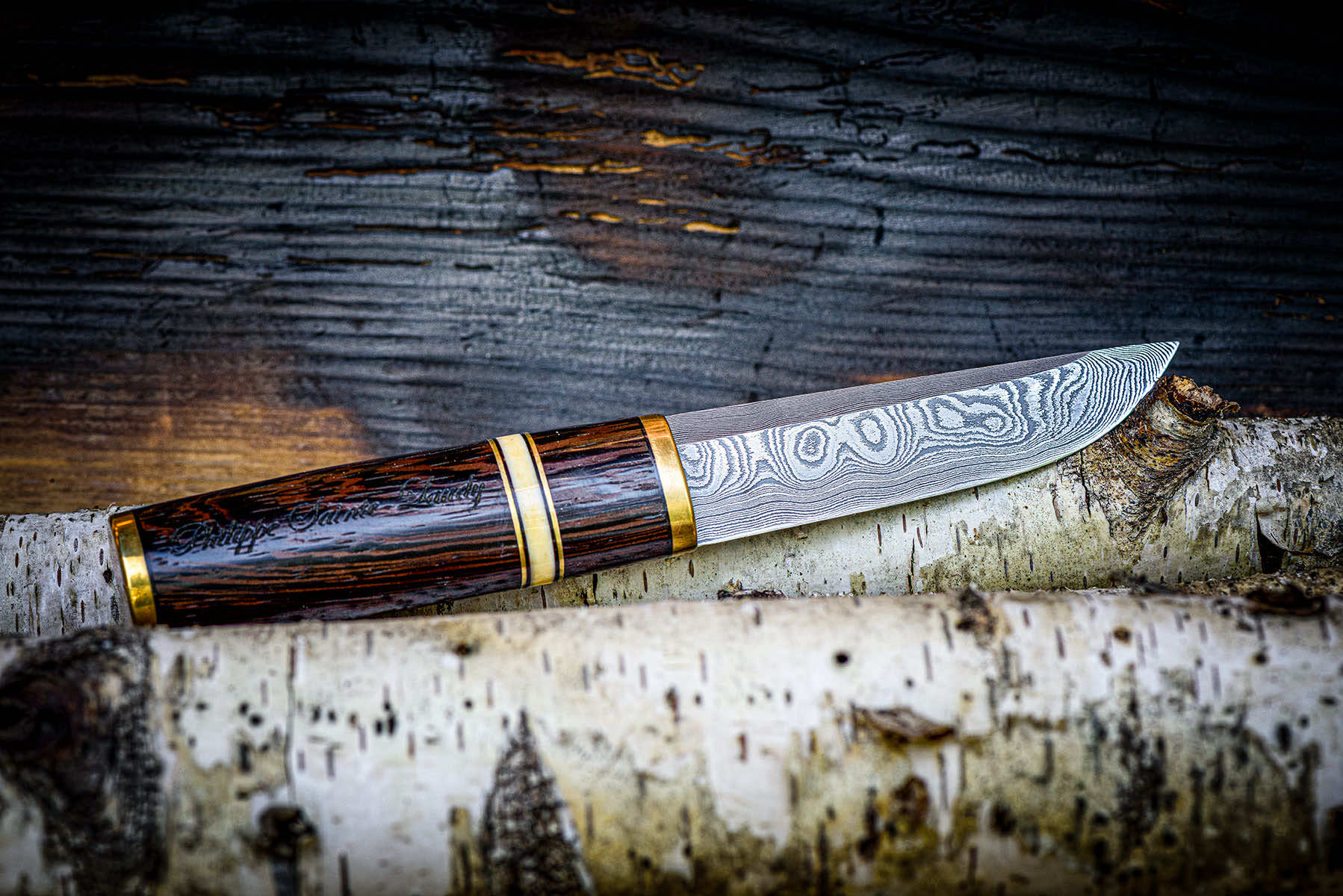
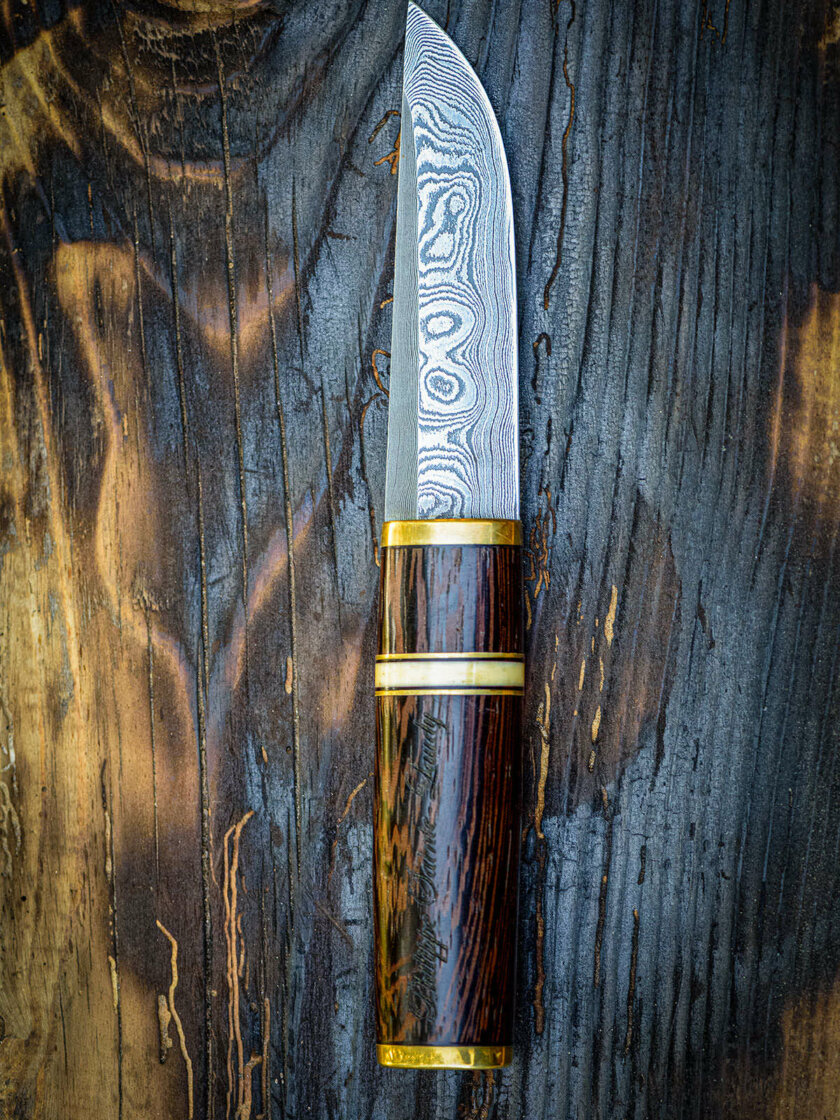
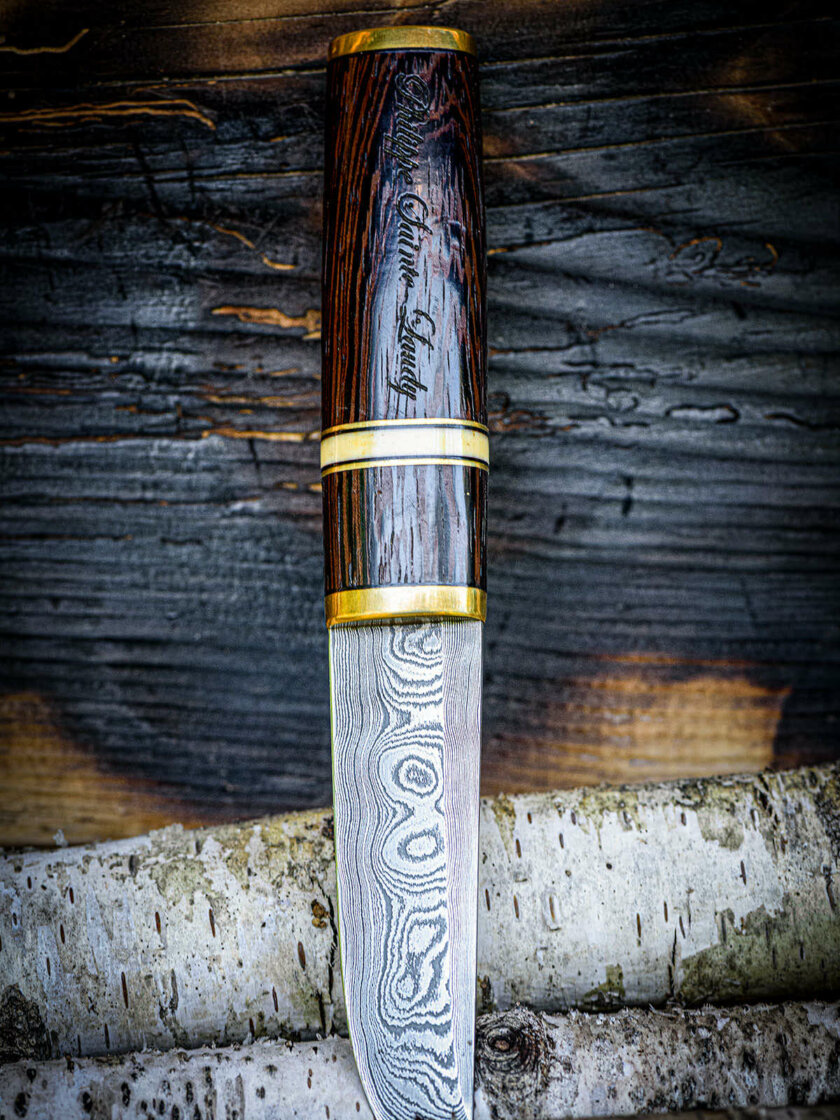
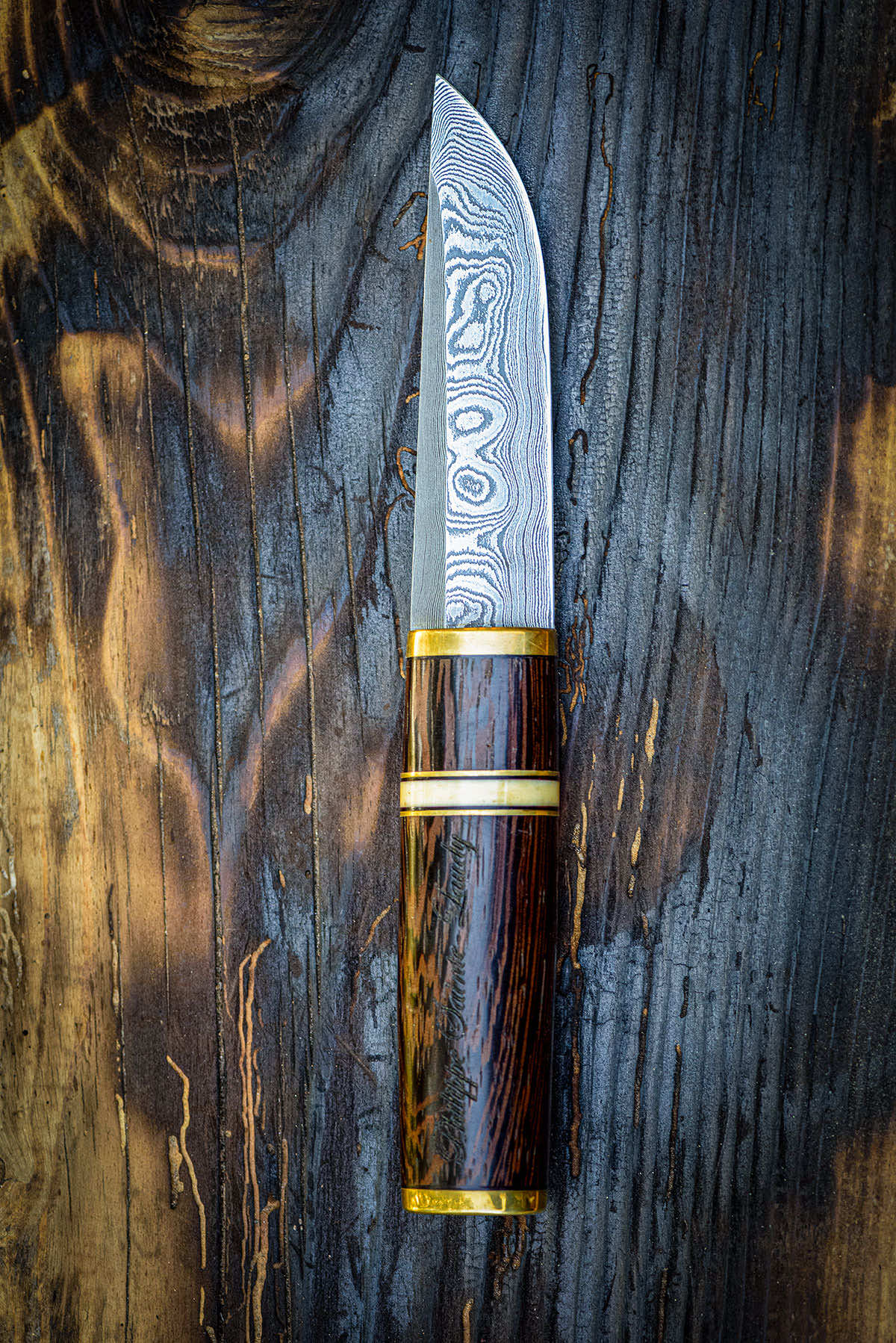
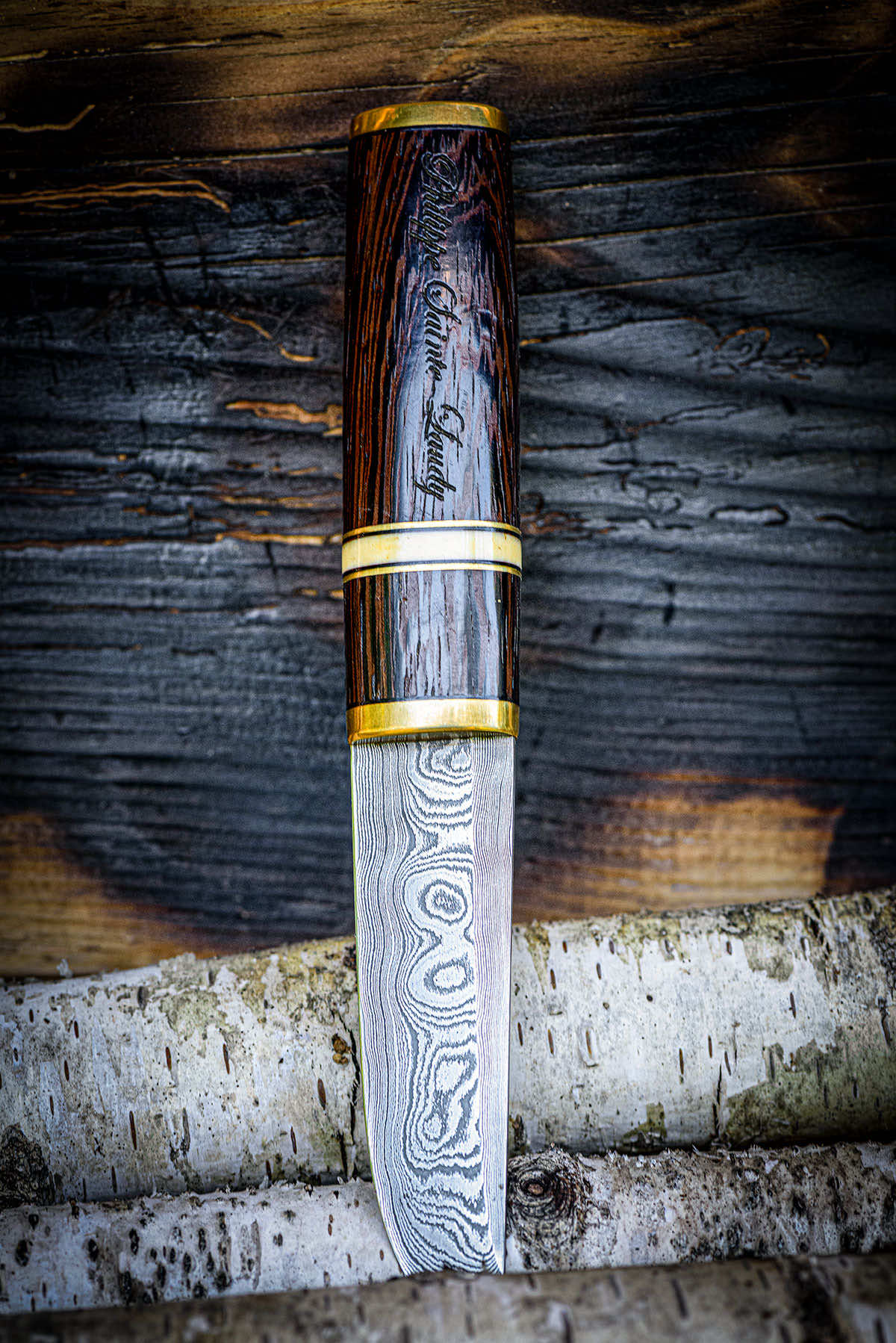
The damas is not a single steel, but an ancestral forgery technique: several different steel layers are superimposed and welded (often a carbon High in carbon + nickel steel like 15N20), then we fold, forge and stretch to create unique patterns (random, ladder, twist, etc.). After acid engraving, the layers appear in beautiful contrasts.

On the puukkos, there are two main categories:

Damascus carbon (most common among artisans):

Generally 80CrV2 or 1084 + 15N20. Excellent swinging, good tenacity, but sensitive to corrosion as a carbon classic. The patterns are very contrasting and spectacular.

Damascus stainless steel (Damasteel RWL34 and equivalents):

Rarer and more expensive. Maintains corrosion resistance while offering patterns.

Benefits: unique aesthetic (each blade is an original), good combination of hardness thanks to hard and more tenacious layers, often cutting excellent.
Disadvantages: higher price, maintenance identical to basic steel (carbon or stainless steel) reasons to be preserved (avoid aggressive scratches during cleaning).

The damas is perfect for collectibles, gifts or puukkos « prestige », while remaining perfectly usable daily.

Puukko Northmen

Comparison table on different steels

SteelKindHardness (HRC)SharpnessTenacityCorrosionSharpeningRecommended use
80CrV2Carbon58-62Very goodExcellentWeakExcellentBushcraft, intensive
K510 (Silver Steel)Carbon60-64ExcellentGoodWeakExcellentAccuracy, traditional
H3LC (Helle)Carbon Laminate58-59ExcellentVery goodWeakExcellentTraditional, sculpture
12C27Stainless steel56-59GoodVery goodVery goodVery goodPolyvalent, daily
H3LS (Helle)Stainless steel Laminate58-60Very goodExcellentExcellentExcellentOutdoor, versatile Helle
N690Stainless steel58-61Very goodGoodExcellentGoodHumid, custom
14C28NStainless steel58-60Very goodVery goodExcellentVery goodModern versatile
Damascus carbonDamascus58-62ExcellentGood to very goodWeakExcellentCollection + use
Damascus stainless steelDamascus58-61Very goodGoodExcellentGoodPrestige, humidity

Steel Note Helle: H3LS and H3LC are triple-rolled steels owned by the Norwegian brand Helle (patented since 1967). They associate a hard core to high carbon (for the edge) between two more tender and tenacious layers. H3LS (stainless steel) offers excellent corrosion resistance, while H3LC (carbon) favours the maximum edge. This unique construction largely explains the reputation for strength and ease of use.sharpening Helle knives.

FAQS

The different steels

  • The carbon offers a sharper and sharper edge, but requires regular maintenance (drying + oil). L stainless steel Much better resists corrosion and requires less attention every day.

  • Not necessarily. The damas mainly brings a unique aesthetic and an interesting combination of properties thanks to the layers. Performance depends primarily on the quality of the steels used and the heat treatment.

  • 12C27 or a good 80CrV2. The first for simple maintenance, the second if you want to discover the pleasure of carbon traditional. Also consult the guide beginner.

  • Exactly like a steel carbon classic: dry immediately after use, lightly oil and avoid scratches to preserve patterns. See details in: How to maintain your puukkos
  • No. The geometry of the blade (grind and the quality of heat treatment often counts more than a few points of HRC.

  • The basic gesture remains the same thanks to the grind Scandinavian, but one carbon sharpens faster than a stainless steel high-end. The full tutorial is here: How sharpen (sharpening) sound puukko.

  • Yes, if you want the unique look of the damas without the maintenance constraints of the carbon. For intensive dry use, a good carbon often remains more interesting.

  • Yes, it is even excellent, provided you dry it well and oil it after. The patina which forms is normal and protective.

Conclusion

An excellent 80CrV2 or 12C27 well worked will always surpass a « super steel » mistreated. The final choice depends on your main use, your environment (wet or dry) and your will to maintain Your blade.

That you choose one carbon traditional like 80CrV2 or K510, a stainless steel modern such as 12C27, N690 or 14C28N, or a magnificent homemade damas, the most important remains the quality of heat treatment and blade geometry. One grind scandinavian fine and well executed transforms any good steel into an exceptional tool.

On puukko.fr, you will find representative models of each steel family. Don't hesitate to specify your use (bushcraft, hunting, daily, collection...): I will gladly help you refine your choice so that your neighbor puukko Or really the right one. And remember: the best steel is the one you enjoy using and maintain. He will become, over the years, the faithful companion of your journeys.

Do you have any other questions? Write to me, we're passionate. : contact(at)puukko.fr. But, above all, think about subscribing to the newsletter. See you soon.

Internal Useful Links:
The puukko Over the seasons: Complete guide + seasonal checklist + PDF to download
How to choose a puukko that suits you
How to secure your puukko

Warm regards,

Subscribe to the newsletter.


The puukko A to Z

ALL GUIDES

A complete journey:
choose sound puukko, do it its own, sharpen,maintain, handle it, and secure it with the children.

You want Learn more on the puukkos?

The puukko You're passionate, so these articles should also be interesting.

Quiz Puukko : Are you a real connoisseur of the Finnish knife?

Quiz Puukko : Are you a real connoisseur of the Finnish knife? 1792 1008 Puukko - Finnish knives

Classic Quiz Introduction : Le puukko is more than just a knife. It is a tool full of Finnish history, culture and know-how. Simple in appearance, he hides a...

Grill chestnuts with skillet

You'll love roasted chestnuts

You'll love roasted chestnuts 1800 1201 Puukko - Finnish knives

Autumn is the best season to make chestnuts. Native to Asia Minor, chestnut has long been considered as a staple food, very nutritious, along with cereals. ...

From flint to puukko

From flint to puukko : 3 million years of knife history

From flint to puukko : 3 million years of knife history 1728 1152 Puukko - Finnish knives

3 million years sharp. The puukko It represents only the last centuries. Before Finnish wood and steel, there is flint, los and bronze. The puukko Invent...

Leuku: anatomy, history and technique of the large Sami knife

Leuku: anatomy, history and technique of the large Sami knife 1792 1008 Puukko - Finnish knives

Leuku is not a puukko enlarged. It is a distinct tool, born from the extreme constraints of Sami life in Lapland. Introduction The puukko is the Scandinavian knife par excellence. ...

    EnglishenEnglishEnglish