Which country makes the best puukkos?
A knife game between Norway, Sweden and Finland!

ORIGIN AND SPIRIT

NORWAY SWEDEN - FINLAND

Le puukko est né en Finlande. C’est là qu’il a pris sa forme définitive : lame courte sans garde, émouture scandinave, manche simple qui remplit parfaitement la main. En Finlande, le puukko est un symbole culturel, un outil du quotidien et un objet de fierté nationale. La Suède a adapté ce concept avec une approche plus industrielle et pragmatique. Les Mora en sont l’illustration parfaite : efficaces, accessibles, ultra-fiables, conçus pour être utilisés sans cérémonie. La Norvège se situe entre les deux. Elle a conservé une forte dimension artisanale et esthétique, tout en proposant des couteaux robustes et légèrement plus « chasse / montagne ».

Comparison of puukkos between Norway, Sweden and Finland

GEOGRAPHICAL RECALL

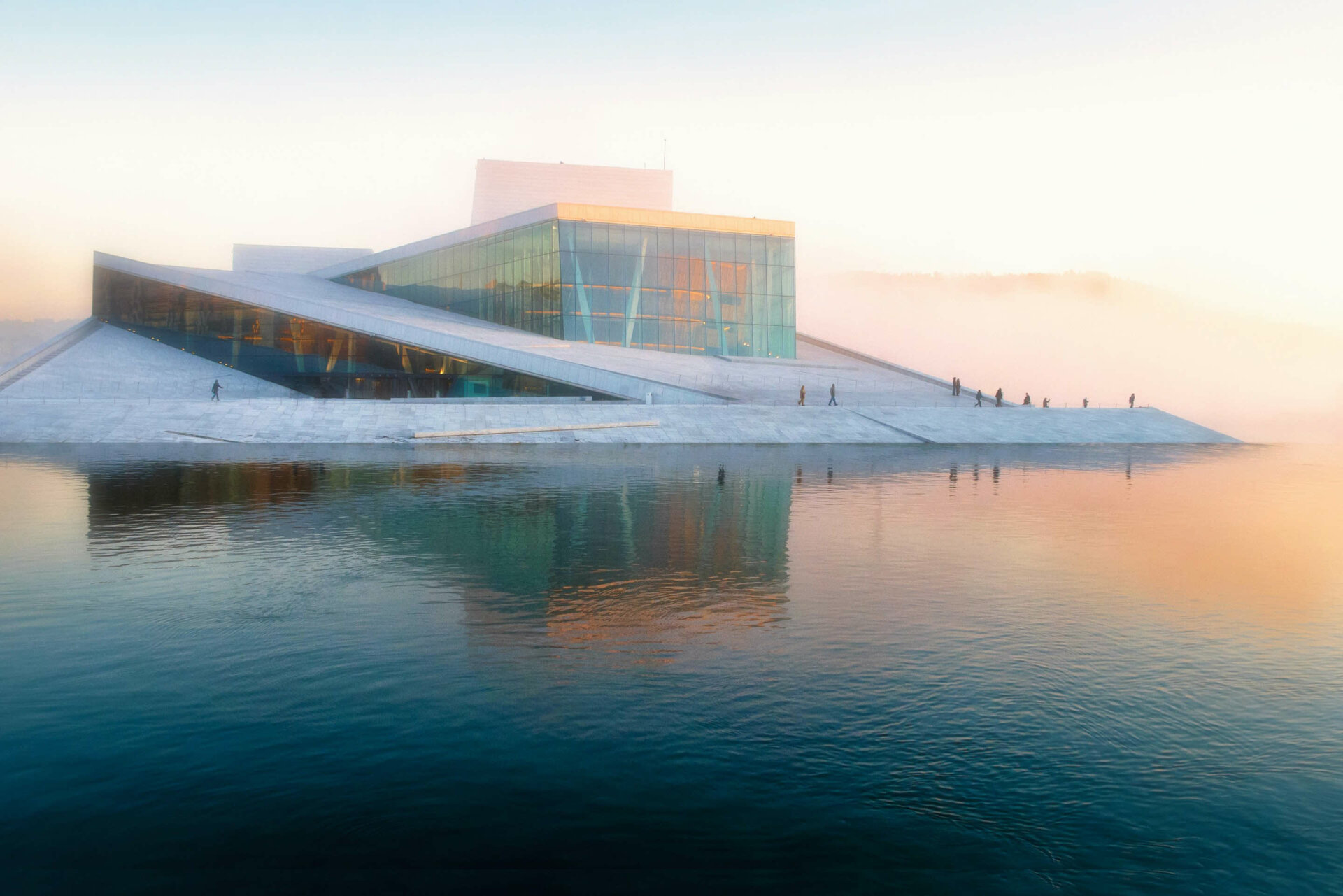
Capital: Oslo
Number of inhabitants : approximately 5.6 million (2025)
Area: 385 207 km2

Puukko manufacturers: Very little. There are some artisans and cutlery who manufacture them, but the number of specialized manufacturers is negligible (less than one handle identified as such).

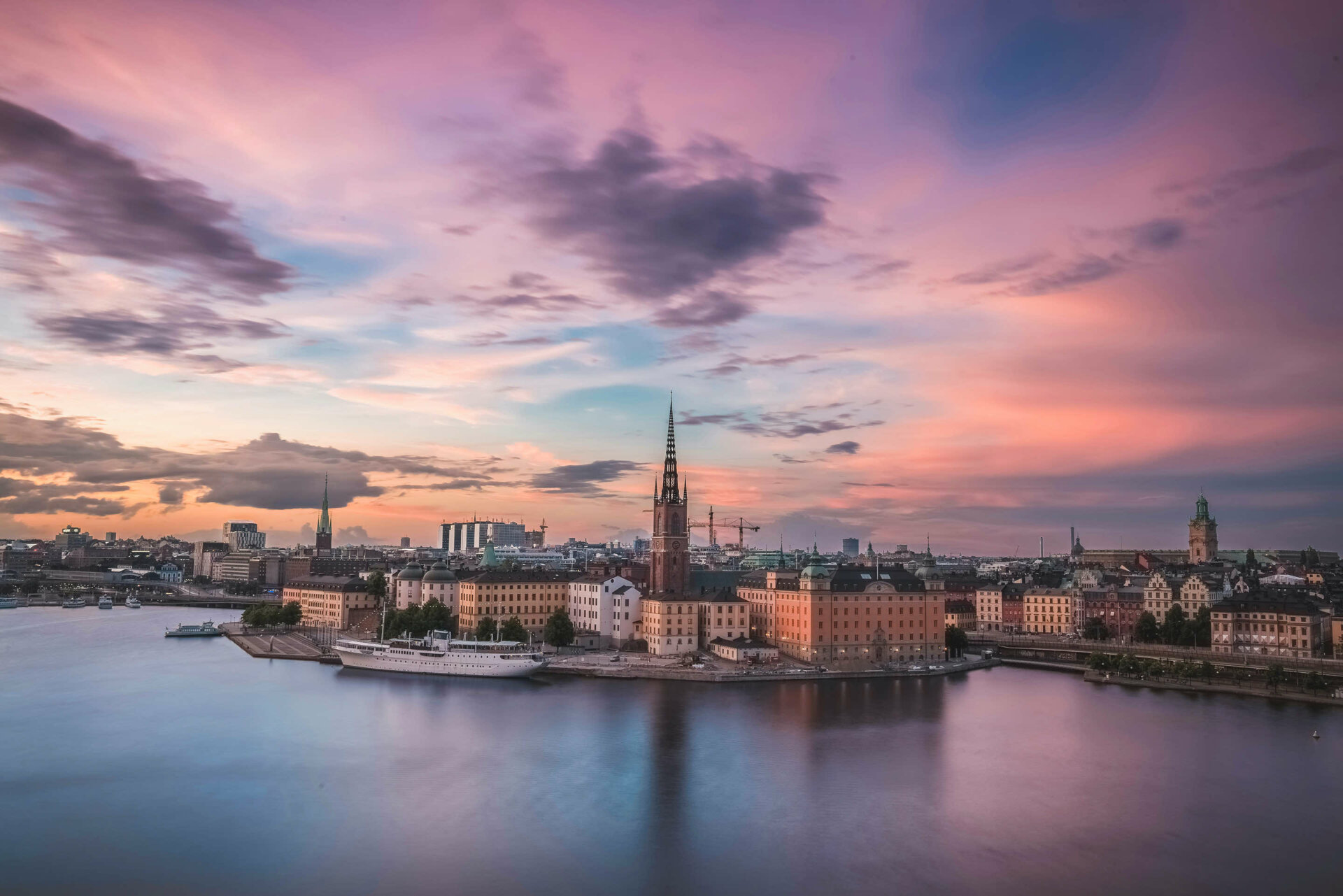
Capital: Stockholm
Number of inhabitants: approximately 10.6 million (2025)
Area: 450 295 km2

Puukko manufacturers: Also very little. In Sweden, there are mainly knives of type « mora » or other Scandinavian styles. Some artisans offer them, but the number of dedicated manufacturers remains very low.

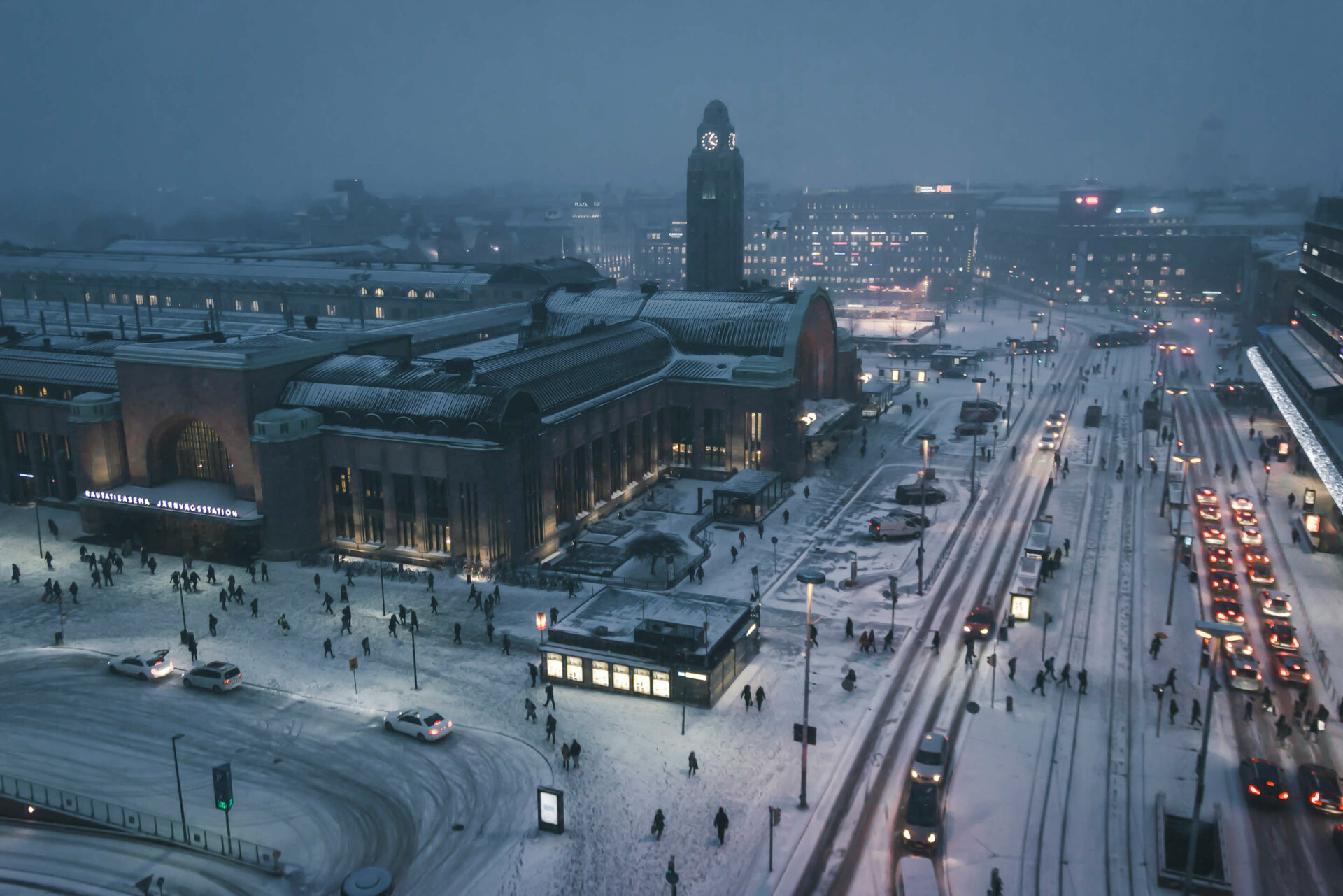
Capital: Helsinki
Number of inhabitants: approximately 5.6 million (2025)
Area: 338 145 km2

Puukko manufacturers: This is where it's going! There are dozens of manufacturers and craftsmen (known brands such as Kellam, Roselli, Marttiini, etc., plus many independent cutlery). It is estimated that there are several dozen professional and semi-professional producers who still manufacture traditional or modern puukkos.

THE ORIGIN AND THE SPIRIT OF PUUKKO

A fluid and detailed comparison of the puukkos of the three countries: Finland, Sweden and Norway.

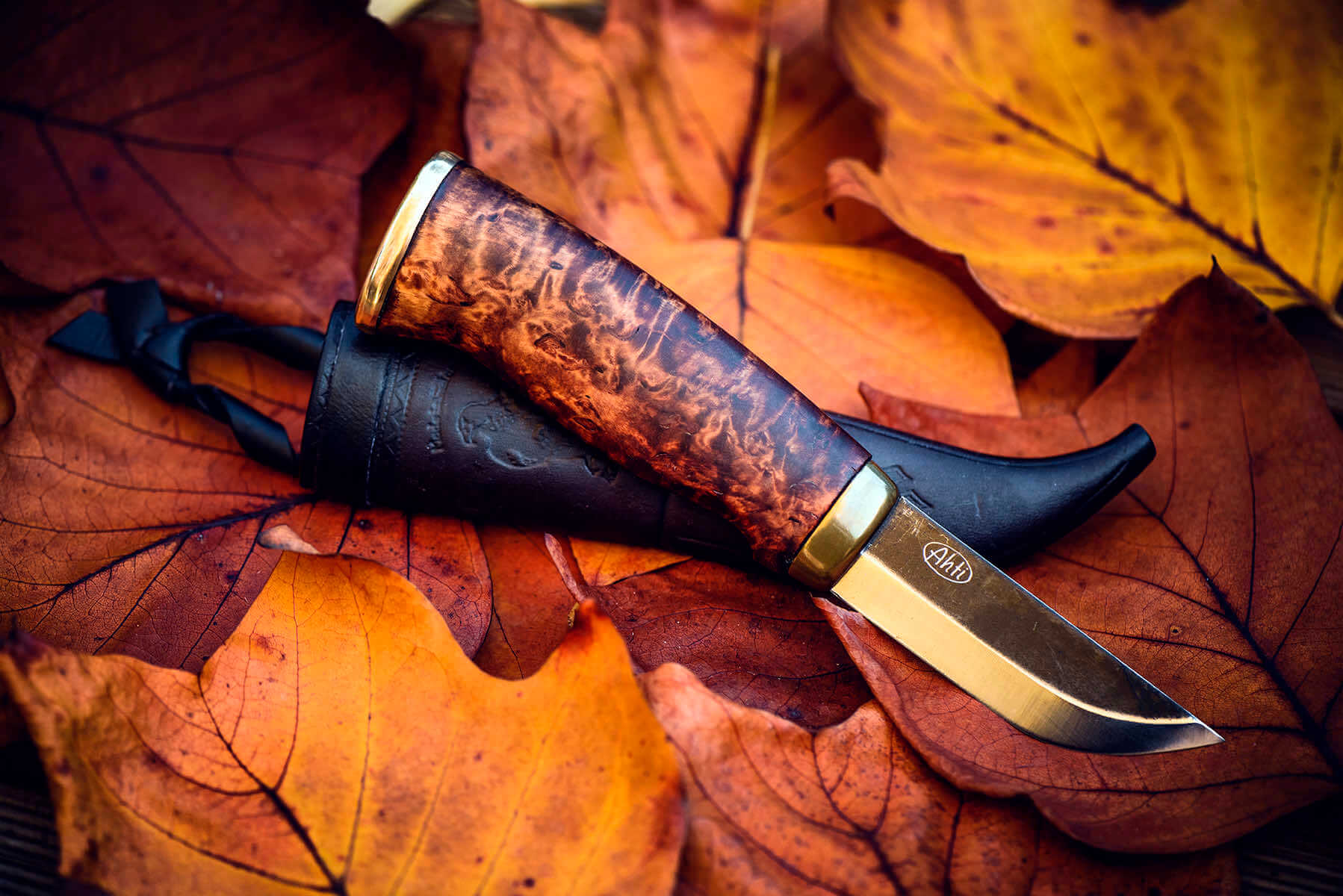
  • The puukko was born in Finland. Here it took its final shape: a short blade (usually 8-12 cm), without protection, with a Scandinavian-style blade, and a handle Simple that holds well in the hand. In Finland, puukko is of cultural importance, presenting itself both as an instrument of daily life and an emblem of national pride.
  • Sweden adapted this concept with a more industrial and pragmatic approach. The Mora (Morakniv) are the perfect illustration: efficient, accessible, ultra-fiable, designed to be used without ceremony.
  • Norway between the two. It has retained a strong artisanal and aesthetic dimension (especially with Helle), while offering a little more robust knives.

Design and feel in hand

  • Finland: Most « pure ». Handles often in curly birch or birch bark, very traditional forms, feeling of warmth and authenticity. A good Iisakki Järvenpää Aito or a Roselli immediately gives the impression of holding a real ancestral tool.
  • Sweden: more modern and ergonomic. The handles Polymer Mora are extremely comfortable and non-slip, even wet. Wood versions exist, but efficiency prevails over pure aesthetics.
  • Norway: the most aesthetically neat. The Helle (especially Temagami, Eggen, Harding) are real jewels with their handles in beautifully worked curly birch. There is a greater sense of craftsmanship.

Steel and performance

  • Finland: excellent steels carbon (Roselli UHC is legendary for its sharpness outfit). Very good also in stainless steel. The blades are usually thin and extremely sharp, ideal for sculpture and precise work.
  • Sweden: Very well treated steels (carbon or 12C27 / 14C28N). Mora are known for being easy to use sharpen and excellent sculpture thanks to their grind scandi Perfect. Less « high-end » on paper, but extremely efficient in the field.
  • Norway: Helle uses its famous triple-rolled steel (hard core + resistant outer layers). Excellent compromise between sharpness, strength and corrosion resistance. Feel a little more « premium ».

Value for money and use

  • Finland: excellent value for money on the entry and mid-range models (Marttiini, Iisakki Järvenpää). Roselli goes up clearly in premium. Ideal if you want a real puukko traditional.
  • Sweden: Unbeatable in value for money. A Mora Companion or Garberg offers performances close to much more expensive models. It is the choice of pragmatism and reliability on a daily basis.
  • Norway: Most expensive on average. We pay for craftsmanship, beauty and finishing. A Helle Temagami or Eggen is a knife that one really wants to go out and show.

Summary by profile

  • You are looking for authenticity and pure tradition → Finland (Roselli, Iisakki Järvenpää, Ahti, Marttiini).
  • You want the best possible tool for price and faultless reliability → Sweden (Morakniv as a priority, then Casström or Karesuando to get in the range).
  • You prefer beauty, craftsmanship and a little more noble object → Norway (Helle above all, then Brusletto).

In concrete terms, many enthusiasts end up possessing at least one model from each country: a Mora for everyday life and big works, a Helle for fun and outings, and a real puukko Finnish for woodworking and Scandinavian soul.

MAIN MARKS OF PUUKKO IN THE THREE COUNTRIES

1 – Best Norwegian knives

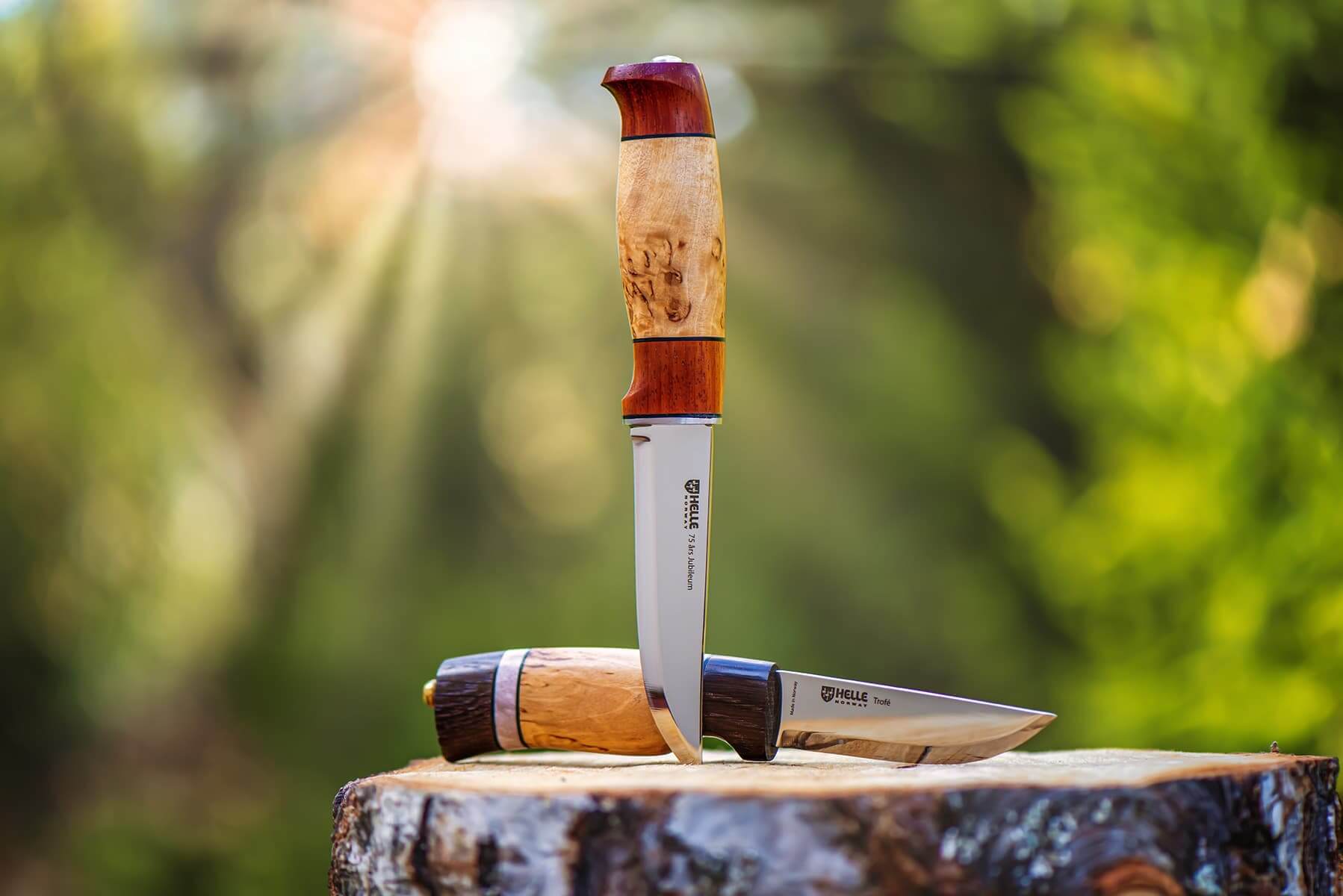
  • Founded in 1932 in Holmedal (near the fjords), Helle is the most prestigious and internationally recognized Norwegian brand. Artisanal manufacture (up to 45 manual operations per knife), exclusive triple-rolled steel (hard heart for cutting + resistant outer layers), handles in beautiful curly birch and high quality leather sheaths.

    → Details: Hell
    → Locate: interactive map

    Flag models:

    • Temagami (collaboration with Les Stroud / Survivorman) → the most famous for the bushcraft. Semi-full tang, excellent balance, superb handle in curly birch.
    • Eggen → the classic versatile, very popular with hunters and hikers.
    • Harding → one of the most beautiful classic Helle (handle birch laminate + leather + oak).
    • Fjellkniven (« Mountain knife ») → compact and versatile.

    Highlights: beauty, artisanal finish, exceptional sharp, time-wearing.
    Weaknesses: higher prices than the Mora, handles wood requires minimum maintenance.
    Budget: 120-280 € according to the models.

  • Founded in 1896 in Geilo. Solid tradition, classic Scandinavian designs, very good quality.

    → Details: Brusletto
    → Locate: interactive map

    Flag models:

    Femund → excellent hunting knife/modern outdoor (often full tang + Micarta).
    Storbukken → Large, robust knife, excellent for chop and heavy work. More traditional models with handles wooden (boiler, olive...).

    Highlights: robustness, tradition, good value for money in the Norwegian segment.
    Budget: 80-200 €.

  • Based in Karasjok (north of Norway, Sami country). Traditional knives of the Sami people, very robust and functional for the great north.

    Characteristics:

    • Blades often in carbon blackened
    • Handles wood (sometimes with reindeer wood)
    • Large and powerful designs (Samekniv): ideal for hunting, cutting and extreme conditions

    Highlights: cultural authenticity, extreme strength.
    Budget: 100-250 €.
    Link: Stromeng

    • Independent craftsmen (e.g. Vestfjord Kniver and other Norwegian makers) for high-end full custom.
    • Some cooking models also exist at Helle and Brusletto, but Norway's strength remains mainly outdoor.
  • Main useBest choiceWhy?Budget
    Bushcraft premiumHelle TemagamiBeauty + performance + heritage180-250 €
    Polyvalent / HuntingHelle Eggen or GTPerfect balance, durable edge130-180 €
    Robustness/Large WorkNorth hell or Brusletto StorbukkenLonger and thicker180-250 €
    Sami TraditionStrømeng SameknivAuthentic far north120-200 €
    Norwegian value for moneyBrusletto FemundModern and solid100-160 €
    Personal advice:
    If you want the Norwegian knife par excellence → Helle Temagami or Eggen.
    They are more expensive than a Mora, but you gain in beauty, craftsmanship and « soul » Scandinavian. A well-maintained Hell is often passed on from generation to generation.

2 - Best Swedish knives

  • Made in Mora (Dalarna), these knives have become a world legend. They combine Swedish tradition, grind scandi formidable and very accessible prices.

    → Details: Mora
    → Locate: interactive map

    Flag models:

    • Companion: the versatile par excellence. Light, comfortable, excellent sharp. Perfect for starting, hiking, camp and light sculpture. Available in stainless steel or carbon.
    • Garberg: full tang, much more robust. Ideal for serious bushcraft (batonning, intensive work). Version stainless steel 14C28N or carbon.
    • Kansbol: An excellent compromise. Finer blade towards the tip for more precision (food preparation + bushcraft).
    • Classic: traditional version with handle birch wood. More « authentic » and aesthetics.

    Highlights: very easy to sharpen, excellent in sculpture, unbeatable prices.
    Weaknesses: handles polymer on most models (less « noble »Not full tang except Garberg.
    Budget: 15-90 €.

  • Family brand of northern Sweden (Norrbotten). Known for its extreme strength. The F1 is also the official knife of the Swedish Air Force.

    → Details: Fällkniven
    → Locate: interactive map

    Flag models:

    • F1: compact, ultra rough, laminated blade (often VG10 or Elmax). Excellent sheath.
    • S1: A little longer, versatile survival/hunt.
    • A1: larger version for large works.

    Highlights: Very high quality steel, full tang construction, exceptional strength, sharp grip.
    Weaknesses: higher prices, less « Traditional » in the design (more modern/tactical).
    Budget: 180-350 € according to models and steels.

  • Located in Karesuando, just north of Sweden (near the polar circle). Strong Sami influence and Nordic culture.

    → Details: Karesuando
    → Locate: interactive map

    Characteristics:

    1. Handles often in curly birch + reindeer wood sections
    2. Blades Of steel carbon or stainless steel Sandvik 12C27
    3. Design very close to the puukkos and traditional Sami knives
    4. Furnace quality leather

    Ideal if you are looking for a knife with a strong cultural and aesthetic identity, while remaining usable.
    Budget: 100-250 € depending on the finishes.

  • More recent but highly respected mark. Careful designs, premium materials.

    → Details: Casström
    → Locate: interactive map

    Star model:
    No. 10 Swedish Forest Knife
    Available in version Scandi or flat grin, handle In Micarta or curly birch, quality steels (14C28N, Sleipner, etc.).

    Highlights: excellent balance, neat finishes, very good in bushcraft and forest.
    Budget: 150-250 €.

    • EKA: Folding Specialist (Swede series). Very good Sandvik steels, traditional production in Eskillstuna.
    • Hultafors: more oriented tools and construction site, but extremely robust and practical.
    • Frosts (integrated in Morakniv today): old great historical brand.
  • Main useBest choiceWhy?Budget
    Beginner / versatileMorakniv CompanionEasy, efficient, cheap20-30 €
    Bushcraft intensiveMorakniv GarbergFull tang + scandi70-90 €
    Survival / militaryFällkniven F1Extreme roughness180-250 €
    Traditional / aestheticKaresuandoHandle reindeer wood + Sami style120-200 €
    Premium foresterCasström No. 10Higher manufacturing quality150-220 €
    Wood carvingMorakniv Classic or 106/120Perfect geometry for wood25-50 €

    My personal advice:
    If you start or look for the best value for money → Morakniv Companion or Garberg.
    If you want a real Swedish jewel with soul → Karesuando. If you are looking for pure performance and strength → Fällkniven.

3 – Best Finnish knives

  • Founded in 1928 in Rovaniemi (polar circle), today a member of the Rapala group. Excellent value for money, traditional and modern designs.

    → Details: Marttiini
    → Locate: interactive map

    Flag models:

    • Lynx / Ilves → the timeless classic (lame carbon or stainless steel, handle birch)
    • Arctic Bush Knife (ABK / Kiehinen)** → very good for the bushcraft
    • Lumberjack → robust and affordable version
    • Tundra → upscale with curly birch

    Highlights: very good sharpness, accessible prices, wide choice.
    Budget: 30-180 €.

  • Founded in 1976 by Heimo Roselli. Made entirely artisanal in Finland, legendary UHC steel (Ultra High Carbon) for its exceptional edgewear. Lifetime warranty + free sharpening service.

    → Details: Roselli
    → Locate: interactive map

    Flag models:

    • Hunting Knife → the versatile bestseller
    • Carpenter / Grandfather** → excellent for woodworking
    • Leuku (large and small) → lapon style, more imposing

    Highlights: outstanding steel, artisanal finish, « one kind for life ».
    Budget: 120-300 €+.

  • Based in Kauhava, cradle of Finnish cutlery. Pure tradition, handles often in birch bark or curly birch, brass mitres.

    → Details: Iisakki Järvenpää
    → Locate: interactive map

    Flag models:

    • Aito → the « True » puukko classic (very appreciated)
    • Leuku versions and traditional models with horse head (Hevosenpää)

    Excellent value for money in the traditional segment

    Highlights: authenticity, traditional aesthetics, gripping comfort.
    Budget: 50-180 €.

  • Made in Kauhava by the Kamppila family. Puukkos classic of very high quality, steels carbon-vanadium excellent.

    → Details: Ahti
    → Locate: interactive map

    Highlights: geometry scandi Perfect, handles ergonomics, neat finish.
    Budget: 60-150 €.

    • Kellam → more modern full tang models (e.g. Wolverine)
    • Peltonen → very good value for money, recent full tang versions (M07)

    Independent craftsmen (many in Finland) for high-end custom

  • Main useBest choiceWhy?Budget
    Beginner / versatileMarttiini Lynx or LumberjackExcellent value for money30-70 €
    Traditional BushcraftRoselli Hunting KnifeUHC steel + artisanal finish150-220 €
    Authentic puukko classicIisakki Järvenpää AitoAesthetics and traditional comfort80-150 €
    WoodworkingRoselli CarpenterExceptional geometry and sharpness140-200 €
    Modern robustnessKellam Wolverine or PeltonenFull tang + Finnish heritage120-200 €

    Personal advice:
    If you seek the true spirit puukko Finnish accessible → Marttiini or Iisakki Järvenpää.
    If you want the best craftsmanship and a knife for life → Roselli.

WHAT IS THE MAIN DIFFERENCE BETWEEN THE PUUKKOS OF THE THREE COUNTRIES?

Finland: the cradle of the true puukko. Purest and traditional design (short blade, without guard, grind scandi, handle simple). Strong cultural charge. Sweden: more pragmatic and industrial version. Excellent value for money, highly oriented field performance (especially Mora). Norway: more artisanal and aesthetic. There are more neat finishes and noble materials.

  • Sweden, Clearly. A Mora Companion or Garberg offers remarkable performance for a very accessible price.

  • Finland. This is where the concept was born and where we find the most authentic versions (Marttiini, Iisakki Järvenpää, Roselli, Ahti...).

  • Norway, Thanks to Helle. The handles in curly birch and neat finishes often make it more elegant objects.

    • Finland: both, but the carbon (especially at Roselli with the UHC) remains very appreciated for the sharp.
    • Sweden: both also, with very good control of steels stainless steel modern (12C27, 14C28N).
    • Norway: Helle mainly uses its triple-rolled steel (excellent sharp compromise / strength / corrosion resistance).
    1. Sweden: 30 to 150 € for excellent utility models.
    2. Finland: 40 to 250 € (marttiini → premium Roselli range entry).
    3. Norway: 120 to 280 € on average (especially Helle).
    • Beginner / daily use / accessible bushcraft → Sweden (Mora Companion or Garberg)
    • Sculpture on wood and authenticity → Finland (Roselli, Iisakki Järvenpää or Marttiini)
    • Beauty + premium performance → Norway (Helle Temagami or Eggen)
  • Yes. The three Scandinavian nations produce excellent style knives puukko. The difference lies more in philosophy:

    • Finland = pure tradition
    • Sweden = efficiency and accessibility
    • Norway = craft and aesthetics
  • Take the knife if possible. The handle is the most personal criterion. A good one puukko (regardless of the country) must fill the hand and make you want to be used daily.

Conclusion

There's really no winner. In fact, each of these three countries is at the top according to the criterion:
#1 Norway = aesthetic. #1 Sweden = efficiency. #1 Finland = tradition.

Anyway, choose is too hard. Just like me, buy a few! I have never been disappointed by one of these three countries. They each have their specificities and a well tempered character.

If you have any questions, don't hesitate to write (contact(at)puukko.fr). We're passionate and I always answer mail.

Now you can go to:

Warm regards,

Subscribe to the newsletter.

INTERACTIVE MAP OF PUUKKOS MANUFACTURERS

Finland – Lapland – Sweden – Norway

You want Learn more on the puukkos?

The puukko You're passionate, so these articles should also be interesting.

Nikkarinpuuko from Roselli

Nikkarinpuuko from Roselli 1798 1200 Puukko - Finnish knives

The blade of this full silk knife (full tang) is made of steel carbon and handle is in stabilized birch. It is signed : Table of contents 15mn...

Super Grand Quiz of Puukko : 50 questions on the puukko and Scandinavia

Super Grand Quiz of Puukko : 50 questions on the puukko and Scandinavia 1792 1008 Puukko - Finnish knives

The Super Grand Quiz with 50 Questions Introduction: The Grand Quiz in Scandinavia. Fifty questions, one map, five themes: the blade history manufacturers...

Cut grooves with a specialized engraving knife

Original engraving on reindeer wood and bone: Sami techniques for handles and sheaths of puukko

Original engraving on reindeer wood and bone: Sami techniques for handles and sheaths of puukko 1168 784 Puukko - Finnish knives

Reindeer wood and bone engraving techniques Renal wood and northern bone adorn handles, sheaths and interlayers of the most beautiful puukkos. Two dense and brittle materials:...

Grand Quiz of Puukko : 20 questions to test your knowledge

Grand Quiz of Puukko : 20 questions to test your knowledge 1792 1008 Puukko - Finnish knives

The Grand Quiz of Puukko Introduction: The puukko Sounds simple. Too simple, sometimes. This time we get out of the express quiz. Twenty questions, one map, four themes: the...

    EnglishenEnglishEnglish