

Travel in the 20th Century Scandinavia
I was about six when I got my first puukko. Even today, I remember the pride I felt.

100 years ago
The puukko has always been of paramount importance in the lives of the Scandinavian peoples. It is a practical knife, an object of pride and a ritual of passage into the adult world.
This little man with a hiking stick, carries to the belt a knife that seems disproportionate.
01. Puukko & Traditions
Text by Mikael Niemi (born 13 August 1959) Swedish author.
I was about six when I got my first puukko. Even today, I remember the pride I felt, the responsibility, the experience of becoming great. The gift was surrounded by many rules and exhortations. I was taught how to handle knives, how to be careful, and how to exercise caution towards myself and other living beings.
Today I am struck by the fact that I probably share this experience with my ancestors since the Stone Age. The first knife probably always was the sign that you started to get out of childhood, a first small step in adulthood that awaits you.
At present, this initiation rite seems to disappear more and more. We adults have no time to teach our sons and daughters what a knife is. Maybe that's why the knife can become a weapon when you're fifteen, you never received the necessary teachings.

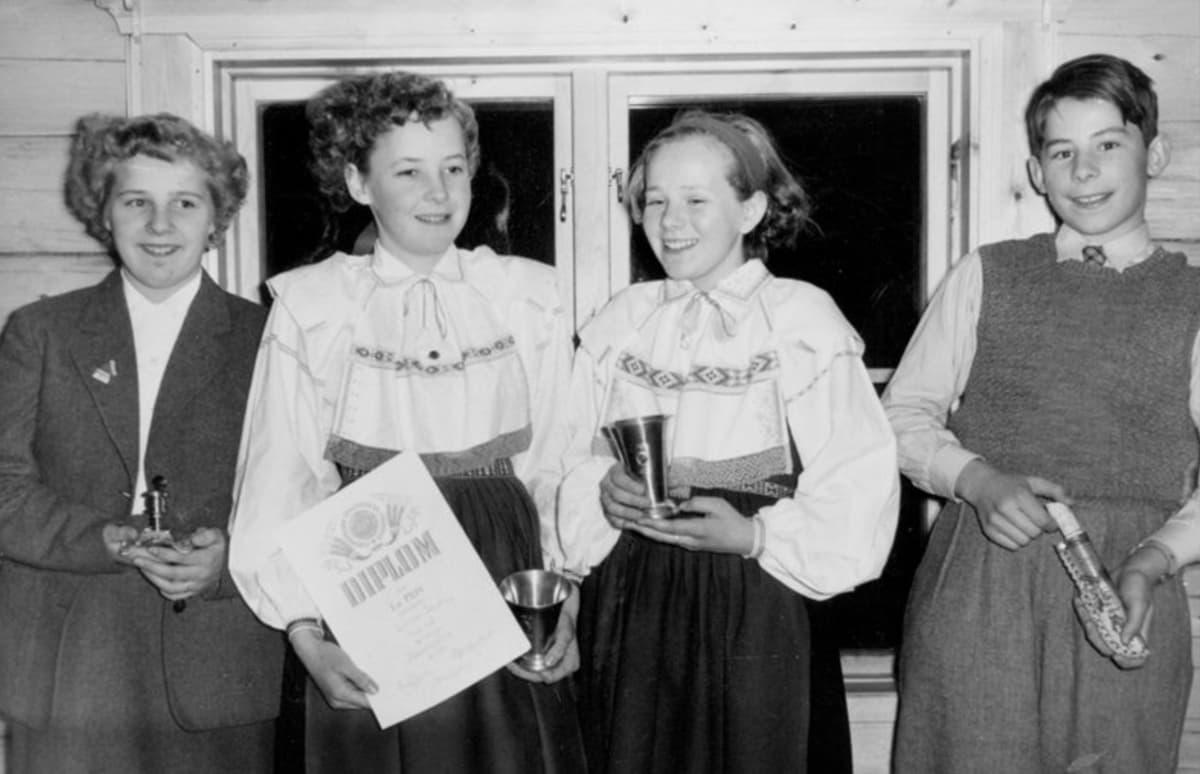
Fantastic group photo
Look at this group photo, probably from the Jönköping region in southern Sweden. Boys are equipped with a knife sheath (Surely Finnish), four explosive pistols and licorice cigarettes in the mouth. Girls always look pretty cool.
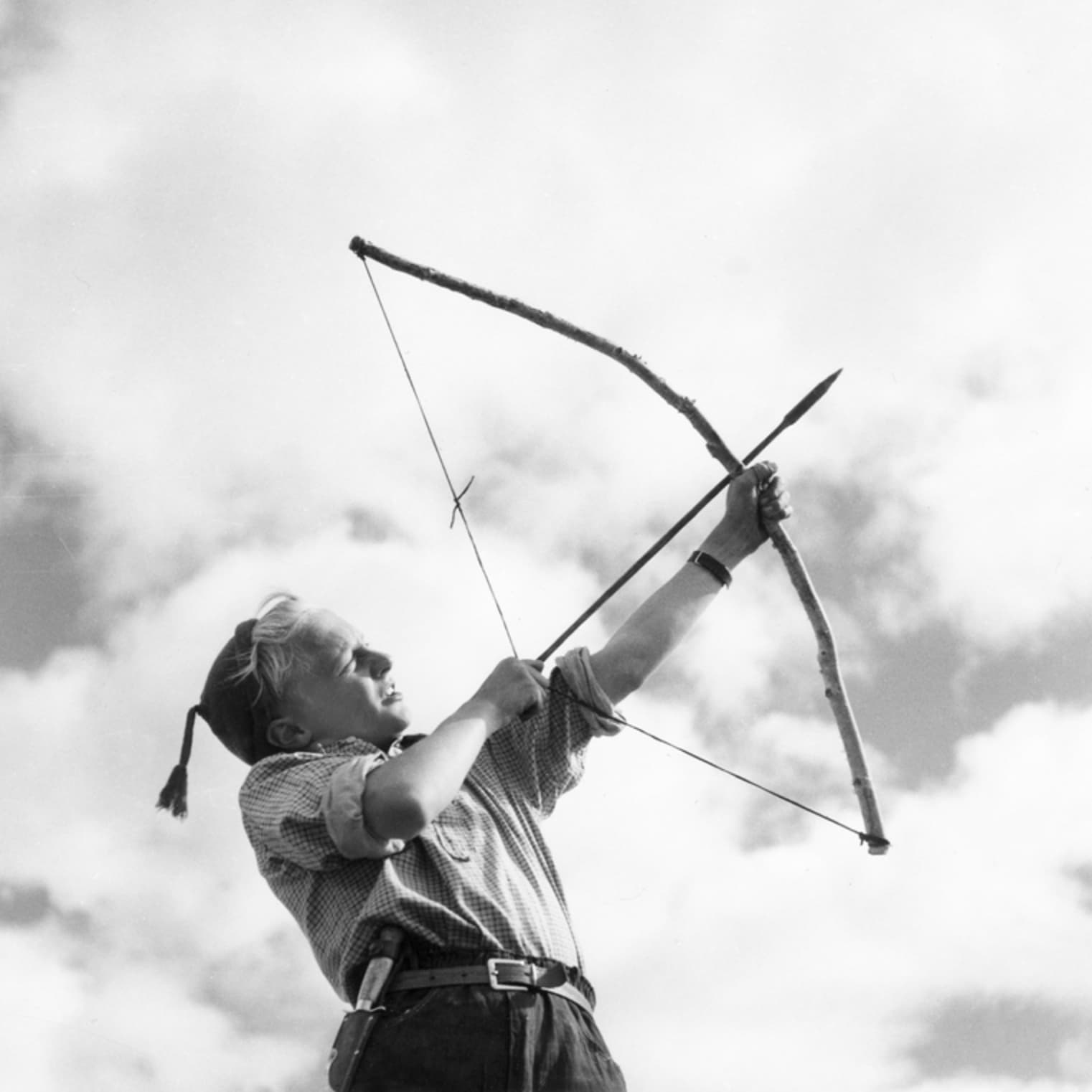
Throwing darts
The dart throw is underway and the sheath knife is suspended from the belt. The puukko looks like a tourist knife with a handle carved in the horn, probably a reindeer skin on the inside sheath Leather.


The 1900s
Sweden
We who grew up when all the children had their own puukko, we remember the happiness, joy and pride we felt then.
We could go out into the woods and cut a bow, a sling or a fishing rod. Unfortunately, I couldn't find a picture of a girl with her own knife, however, I'm sure it should exist.


02. The Sami early 20th century
North of the Arctic Circle.
The photos of Sami wearing a puukko to the belt are not so hard to find. The reason for this is, of course, that the knife has always been a necessary help in everyday life and is always.
In the picture, we can see a Sami preparing the hay of shoes to wear in the shoes instead of the socks. The puukko which it wears to the belt is a half-corn and in a North Sami model.
Class photo
School class with shy girls and boys trying to look a little playful. In the photo, you can see that three of the boys are wearing puukkos at school!! The class comes from Vaisaluokta in northern Sweden.

Sami woman in traditional costume
A Sami woman dressed festively in a traditional costume with beautiful pendants, including a puukko Half horn. Gákti is a traditional garment worn by the Sami in the northern regions of Norway, Sweden, Finland and the Kola Peninsula in Russia.
Beautiful collections can be seen at the Romadal Museum in Norway. The Museum collected, received and acquired a total of approximately 35,000 objects, most of them from Romadal. The age of objects varies from individual objects belonging at the end of the Middle Ages to objects of today.
One of the largest and most comprehensive folk museums in Norway, just a 10-minute walk from Molde city centre. One of the largest museums of popular arts and traditions founded in 1912. It is an open-air museum, there are 40 houses that are furnished and equipped according to the respective antiques. Surrounded by their small courses, they show the development of peasant culture from the 14th to the 20th century.
Life segments
Also called « Sames », « Smoked », « Sami » or « Sami »This minority living in the northernmost part of Scandinavia organized its traditional activities around hunting, fishing and reindeer breeding. Today, only a small part of the population is still engaged in these activities. One of the fundamental features of Sami culture is that man is part of nature and must respect it.
Superstitions related to puukko.
Invested in magical powers, the foresters of the Far North planted in the wooden wall of their cottage to conjure the evil fate and evil spirits. We also planted a puukko above the cradle of babies to protect them, in the tables before playing to avoid quarrels and in a field as guarantor of an abundant harvest.
Historically, too, the puukko played a symbolic role at the time of Finland's independence from the nascent Soviet Union in 1918. Svinhufvud, the then Prime Minister, did not even leave his puukko at Senate sittings. In 1939, the Soviet neighbour resumed his expansionist conduct. This time it was as a weapon that the puukko in ambush of the enemy during the war of guerrillas led by the Finnish David against the Russian Goliath.

A Sami from Norway
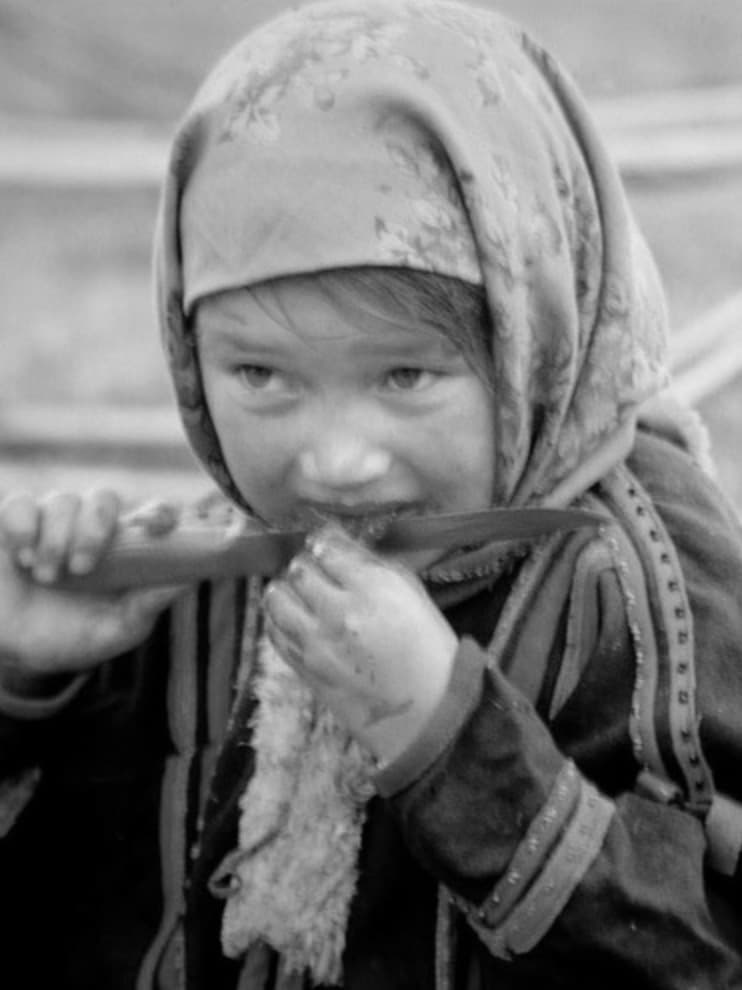
Little girl Sami

Norwegian Sami
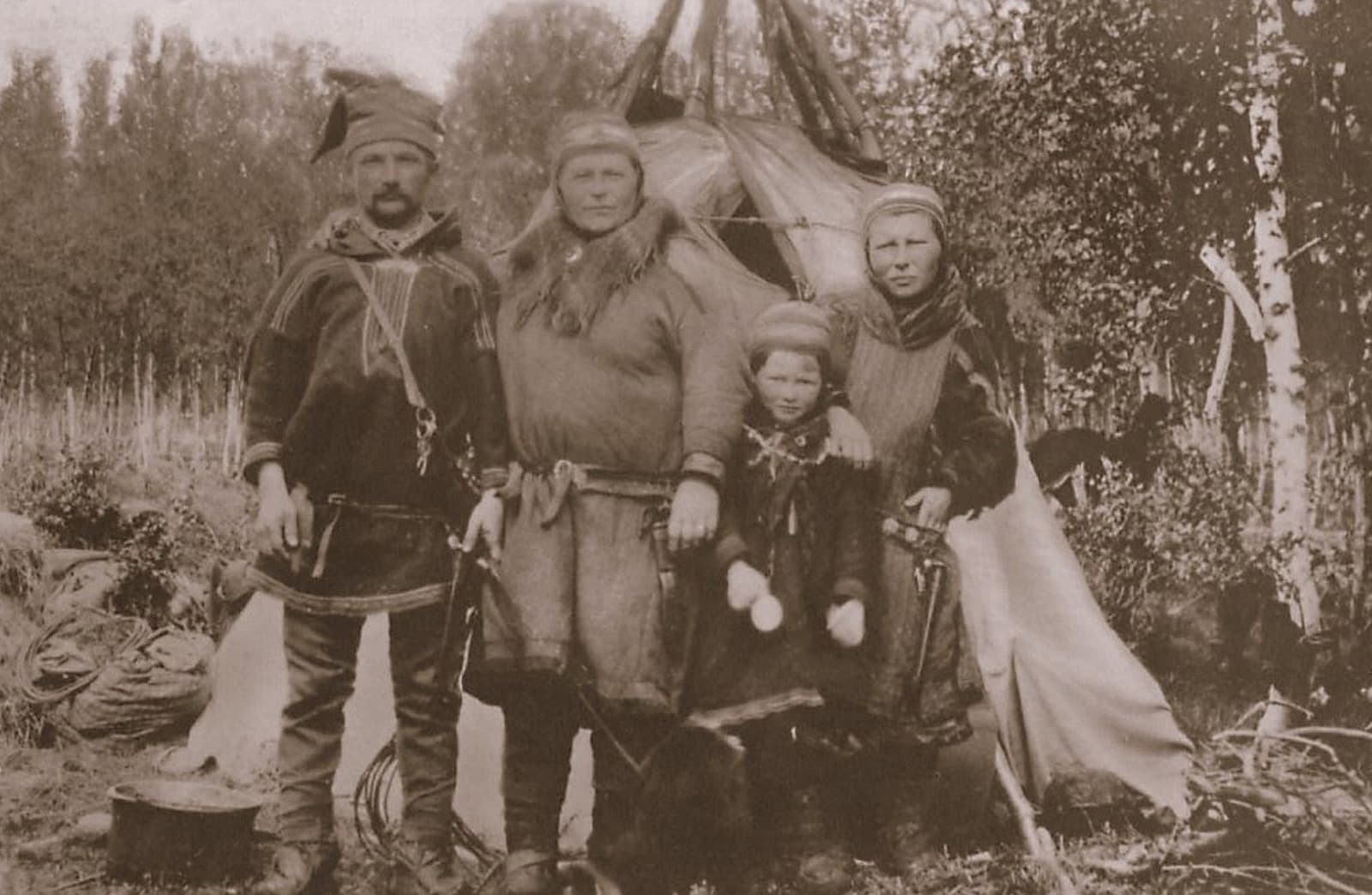
Sami family

Boys with a puukko
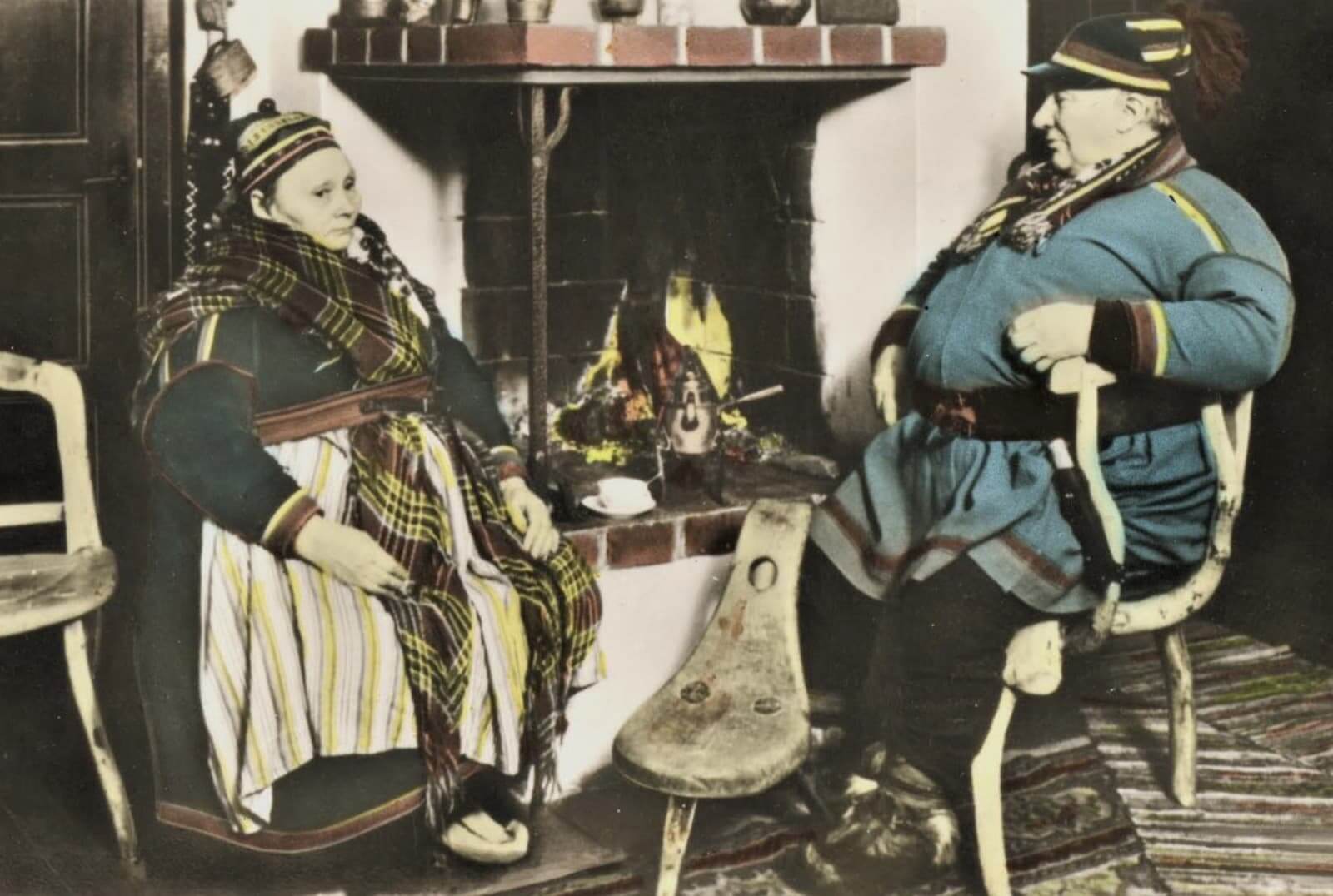
Nils Nilsson Skum & Helena
Art & Puukko
If you ask someone if they know what art is, it is unlikely that they will answer you « No! ».
Art is part of our lives and we all have an intuitive definition of art.


Bukowskis Collection

03. The boy has a knife, the girl a doll. Was it so?
In the picture, a Sami girl with a nice jewelry knife in her belt.
Probably because it was difficult to find images in which a woman carries a knife. In many cases, a woman enjoys as much a knife as a man, but tradition has made it less common for women to wear a knife to their belt.
I read a lot about the so-called Fäbo knives. These knives with a « hat » above the sheath so as not to drop the puukko. The knife was extremely important for young people who lived for many weeks with animals, alone and with a primitive summer residence as a home. She was often a girl.
The pride of wearing a puukko
I was about six when I got my first puukko. Even today, I remember the pride I felt, the responsibility, the experience of becoming great.
Picture of 1918
Young woman from Finland or perhaps Estonia wearing a beautiful puukko Fiskar forges.
At the time of the creation of the forges in Fiskars, Finland is under Swedish domination and Sweden is one of the largest metal producers in Europe in the seventeenth century. In 1649, Peter Thorwöste had the privilege of installing a blast furnace in Fiskars to produce forged tools and parts. The iron ore used in Fiskars comes in large part from the Utö mine in the outer archipelago of Stockholm. Most of the iron bars produced in the forges are sent to Sweden for sale on the iron market in the old city of Stockholm. In Fiskars, iron is also used to manufacture nails, wires, knives, binets, steel wheels and other products.
Today, Fiskars Corporation's head office is located in Helsinki, Finland. The company is listed on the Helsinki Stock Exchange (NASDAQ OMX).

Fiskars is an institution in Finland
Fiskars is located in the town of Raseborg, about an hour drive west of Helsinki. The village of Fiskars was elected Finland's best inland tourist destination in 2016 and received the EDEN Culture in Finland Award from the European Commission and Visit Finland in 2018. The village is not only a travel destination, it also houses more than 500 people. In addition to shops, shops, hotels and restaurants, Fiskars has a school, kindergarten and a variety of other services and businesses.

Period costume
Could it be an early form of female dress, perhaps Sami? She wears a big, robust knife in her beautiful belt.
In the 15th and 16th centuries, Norwegian farmers travelled the north and began to colonize Sami lands – a practice that the Norwegian government later encouraged. At the time, the Sami were reindeer hunters. Instead, they became reindeer herders, putting them in a nomadic position in northern Norway.
This culture has been problematicated by the invention of national boundaries, which Sami herders had previously easily crossed. Borders and their consequences have also forced different Sami cultures to coexist in a way that they would not have done otherwise.
Life segments
In many of these images, of course, men or women are proud of their knives. They often push the knife forward so that it is explicitly highlighted and clearly visible in the photo.
The symbolism of puukko.
Formerly the father who had a daughter to marry took him to the church and walked with her along the central span by psalmodying a song announcing that his daughter's heart was to be taken. She was wearing a belt. sheath of the puukko empty. The sigher put his knife in the sheath. It is difficult to make more explicit... It is also always common for a couple of newlyweds to exchange knives rather than alliances.
One of the most sympathetic aspects of puukko is that he is unisex. Today we still see beautiful Norwegian women wearing a puukko on their most natural jeans in the world and nobody would have thought of laughing.

Group of troops
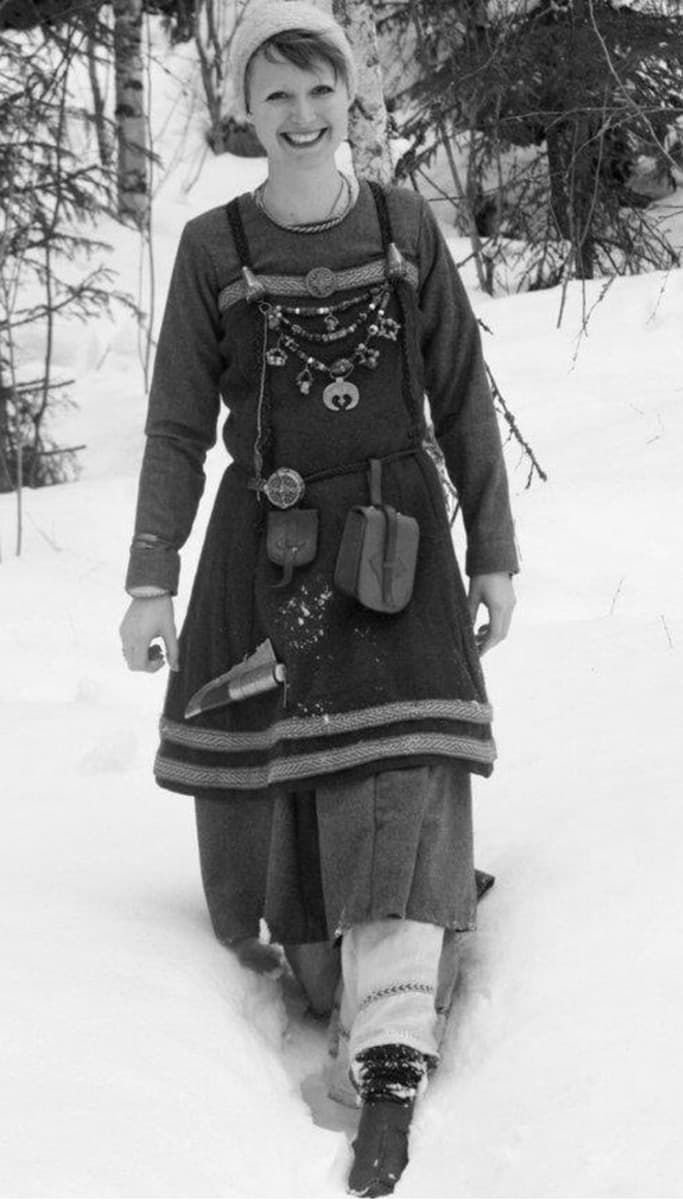
Viking knife
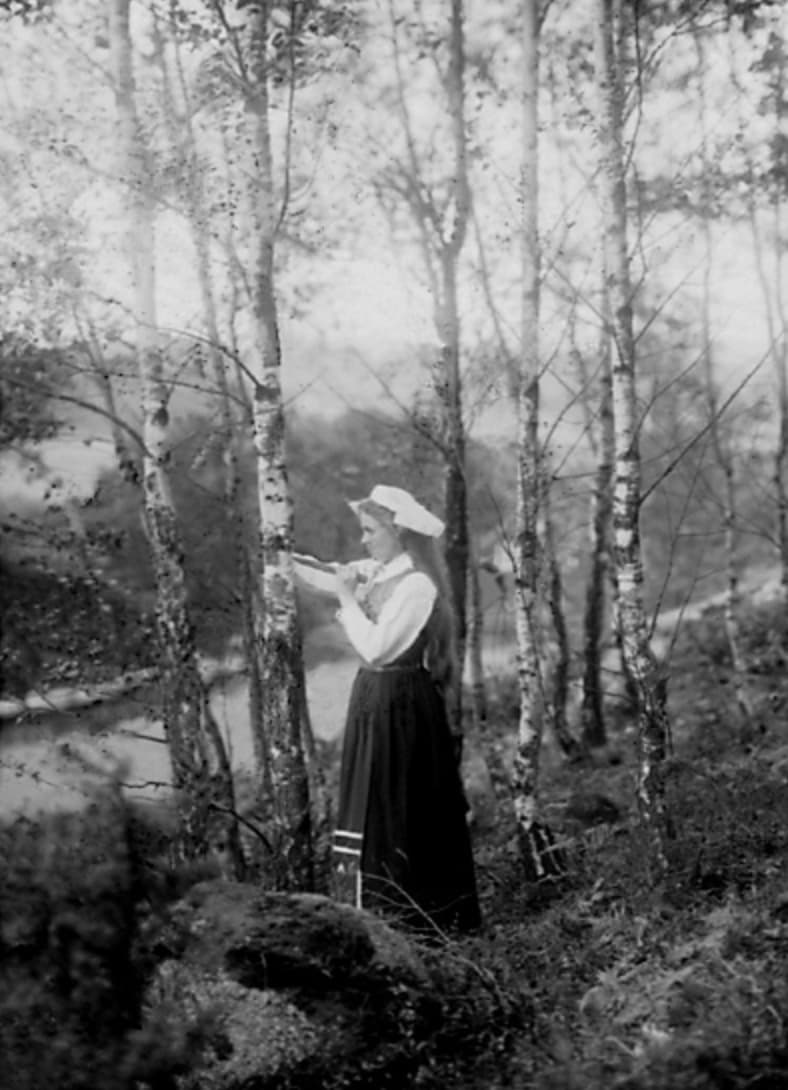
Romanticism
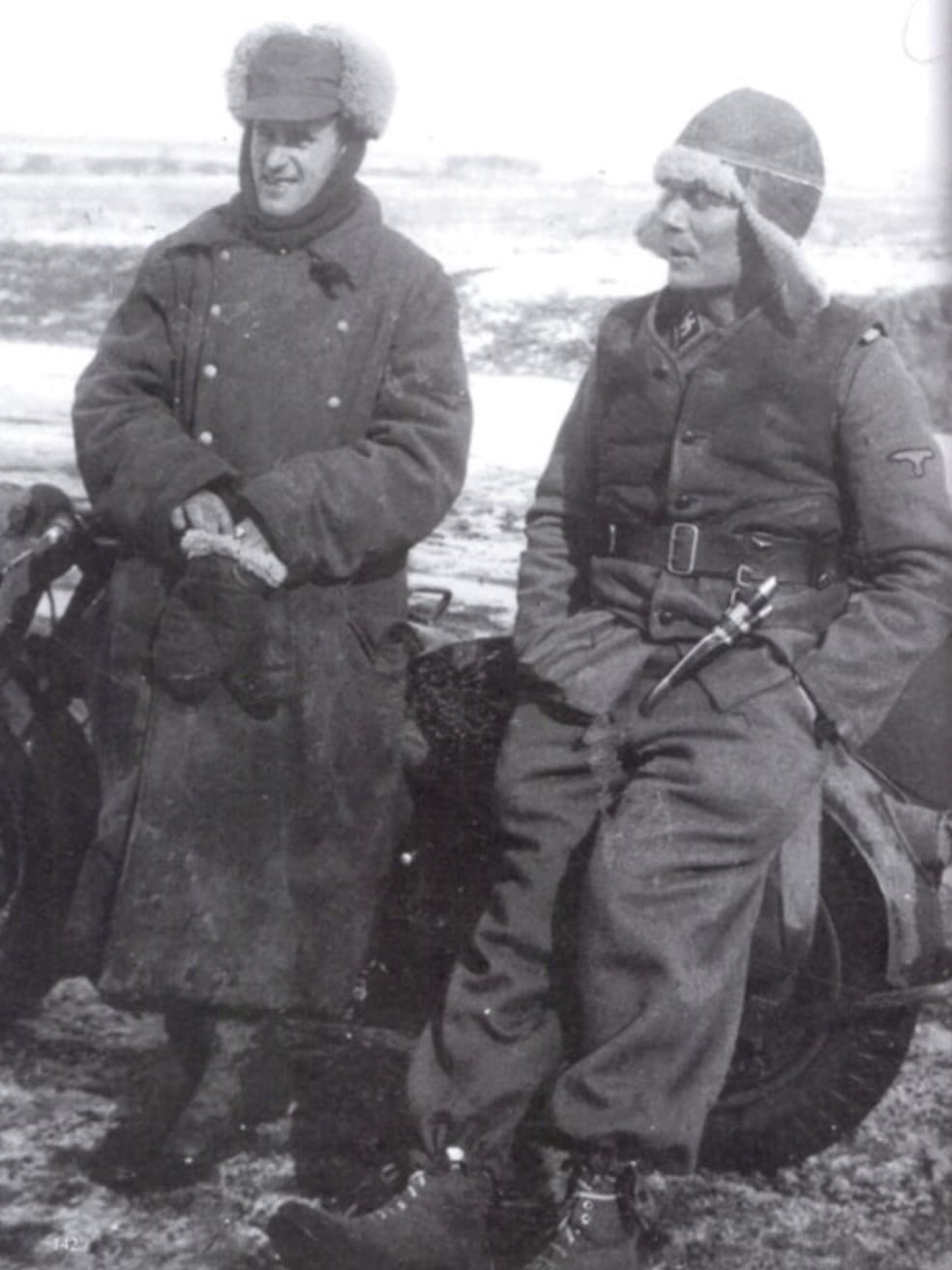
Soldiers from Finland
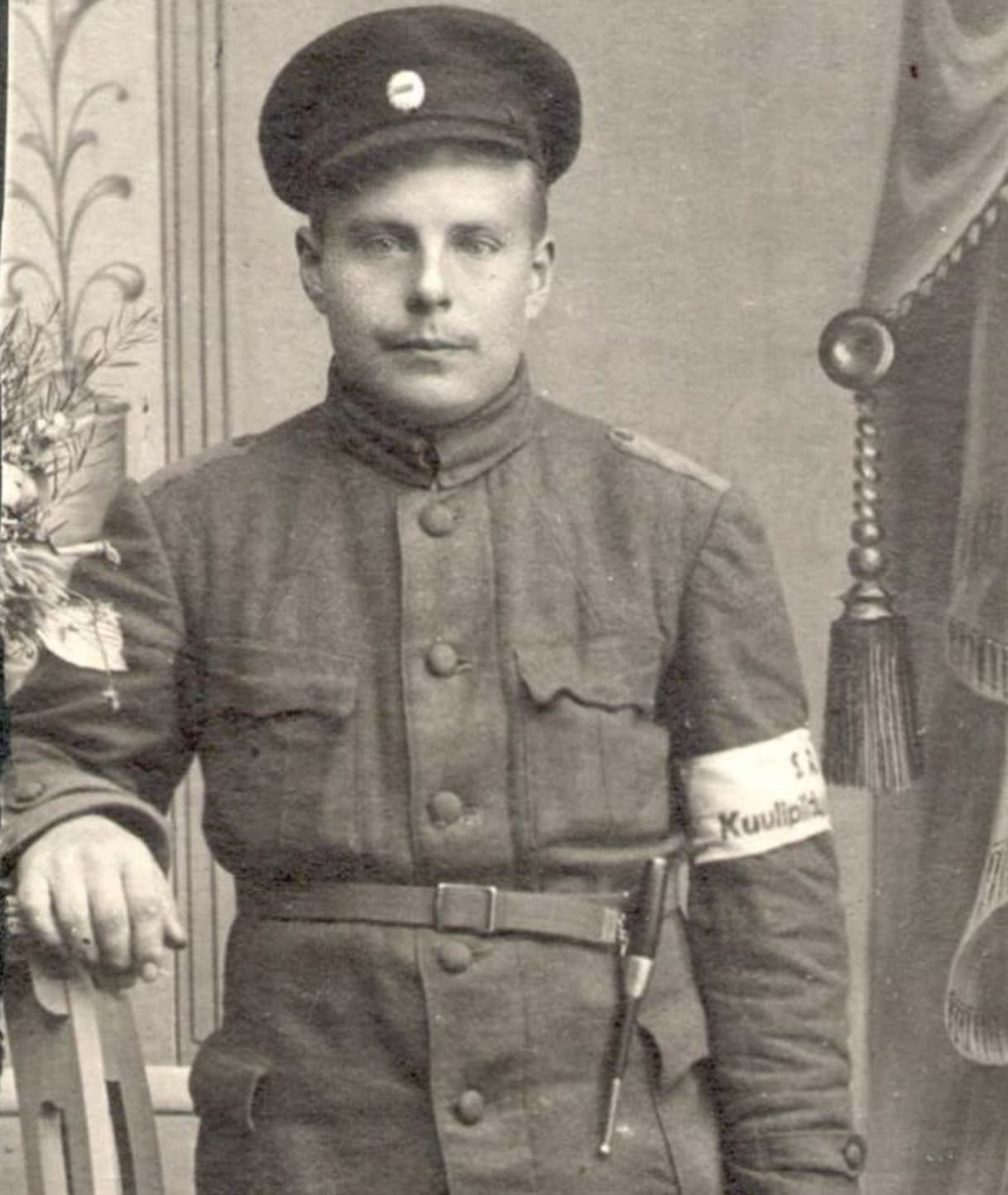
Soldier from Estonia
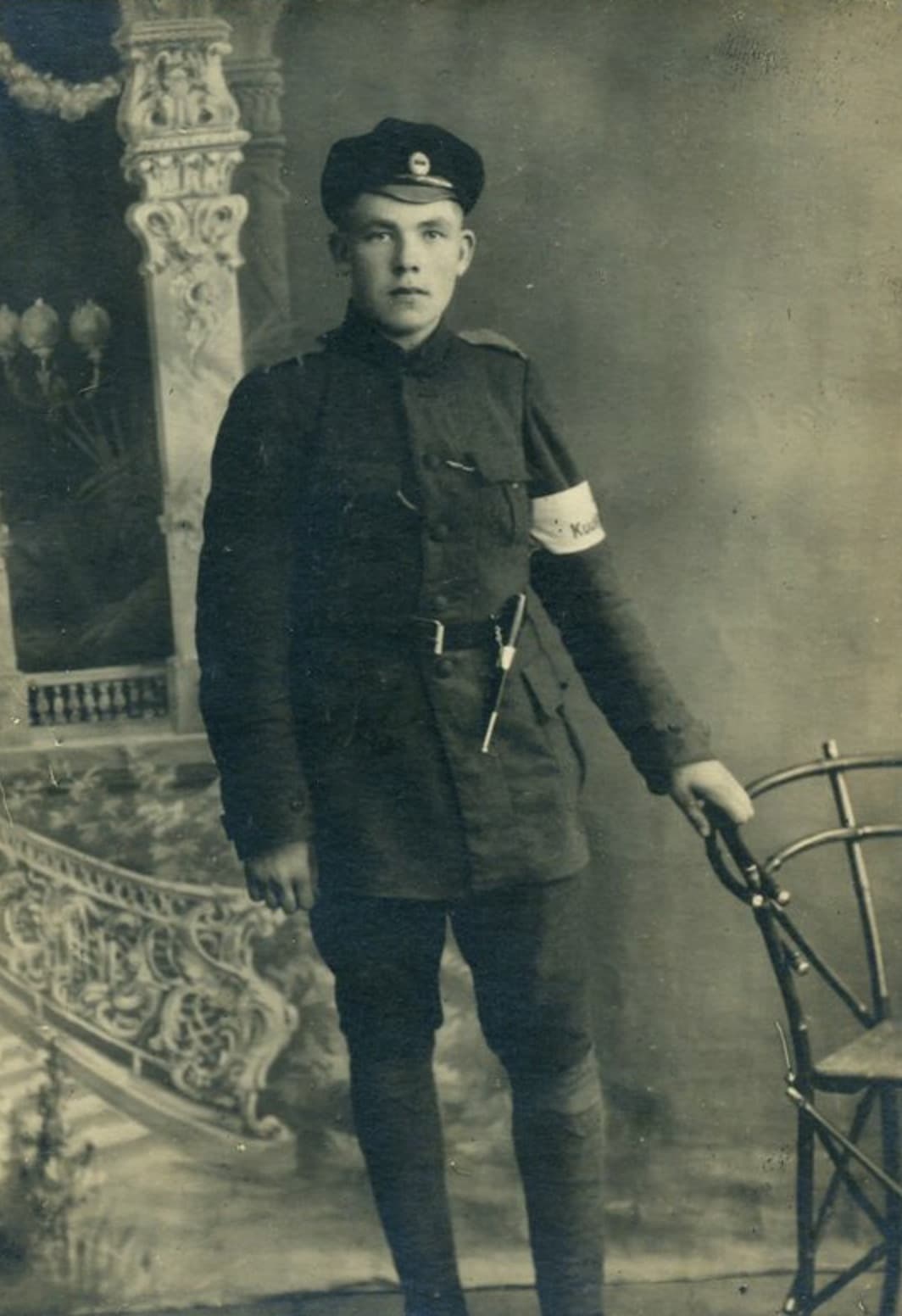
Soldier from Estonia in 1919

The hay harvest

A pleasant moment

Norwegian farmer
A big thank you to Anders Halldén
I was very much inspired by the remarkable work of Anders Halldén de Jönköping, Sweden, to create this page on Scandinavia of the 1900s. Anders has a slightly aging but very complete website with period photos and interesting articles about traditional Nordic knives. In other words, the puukkos that I love so much. Be sure to visit its site to see rare and beautiful knives!


