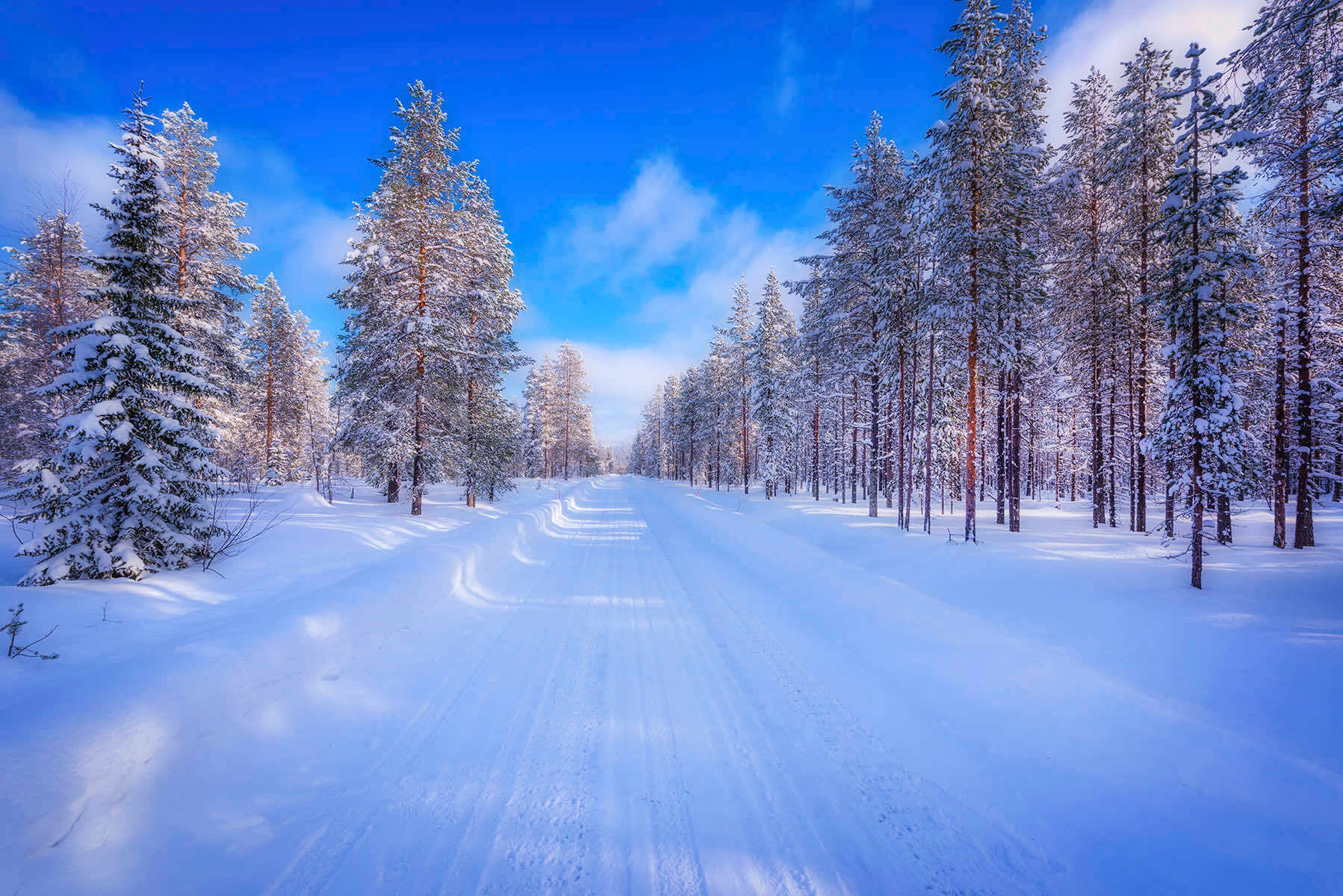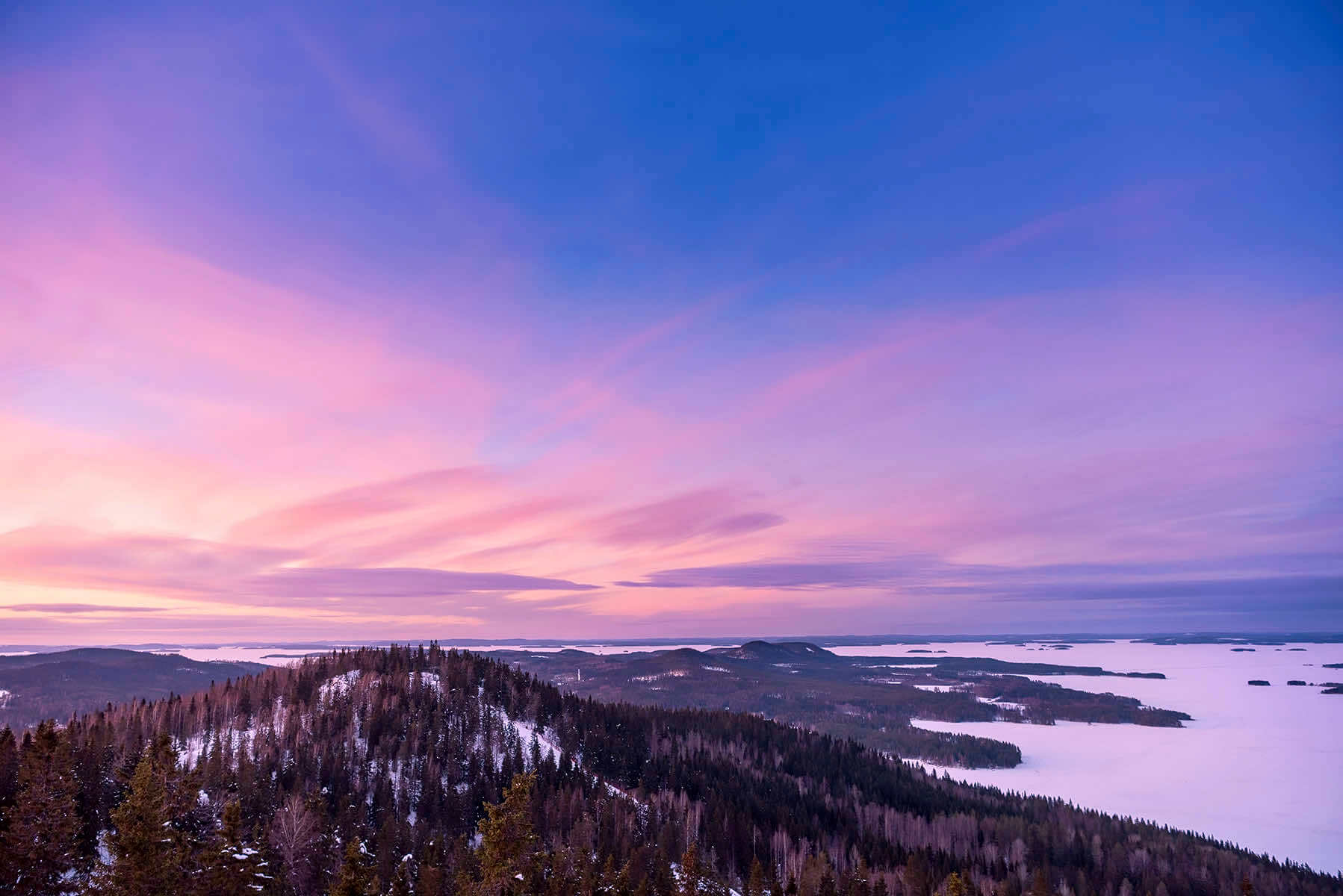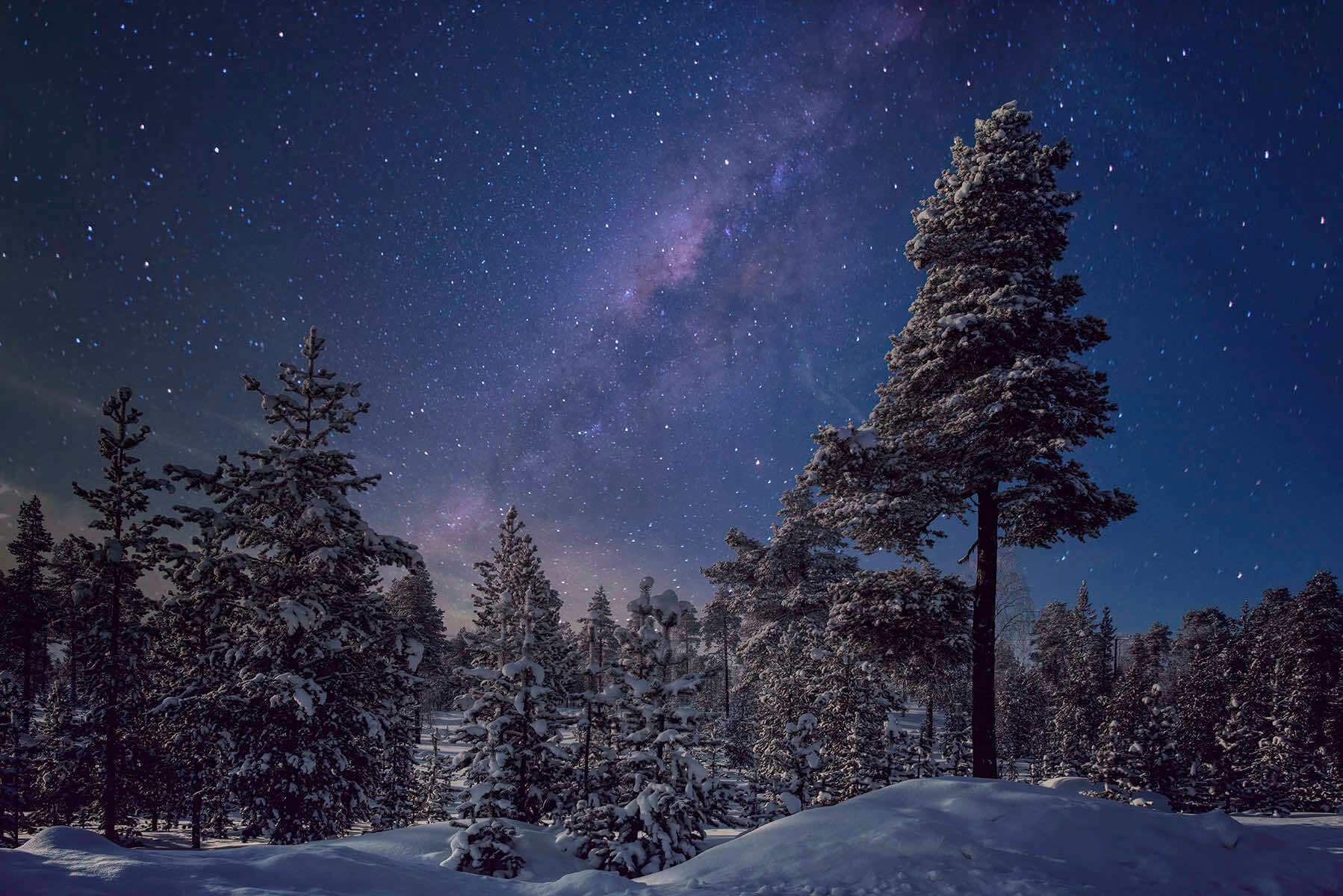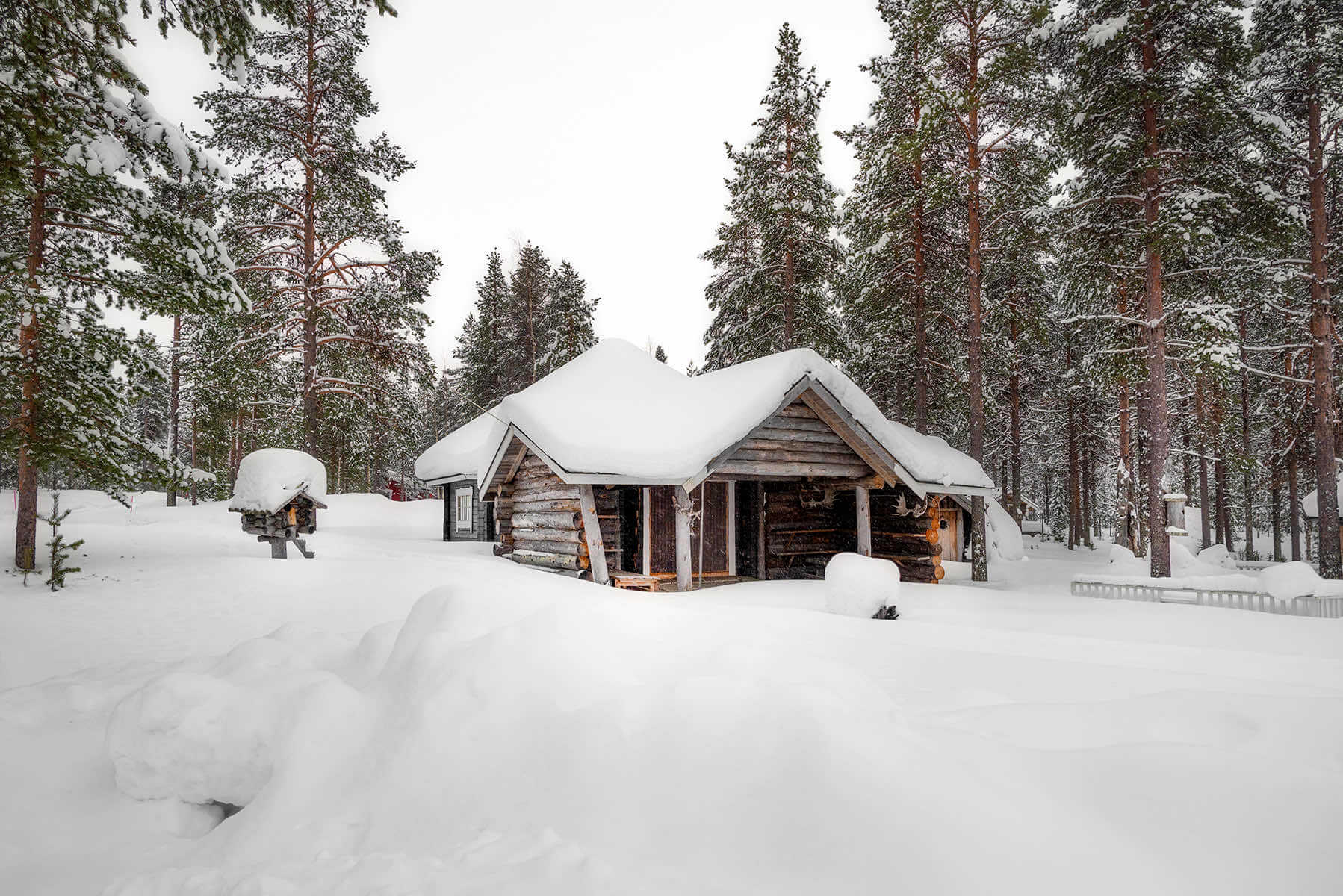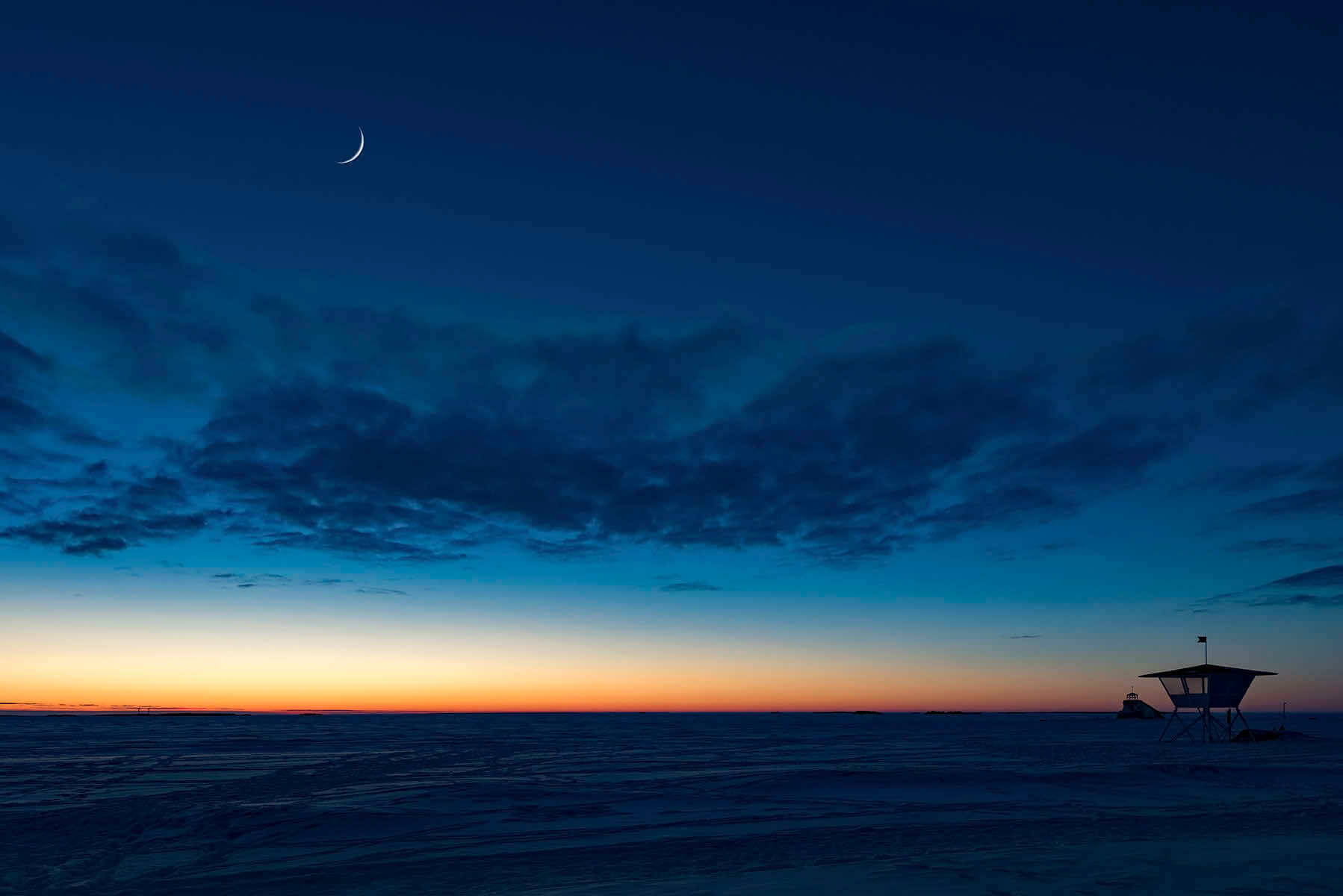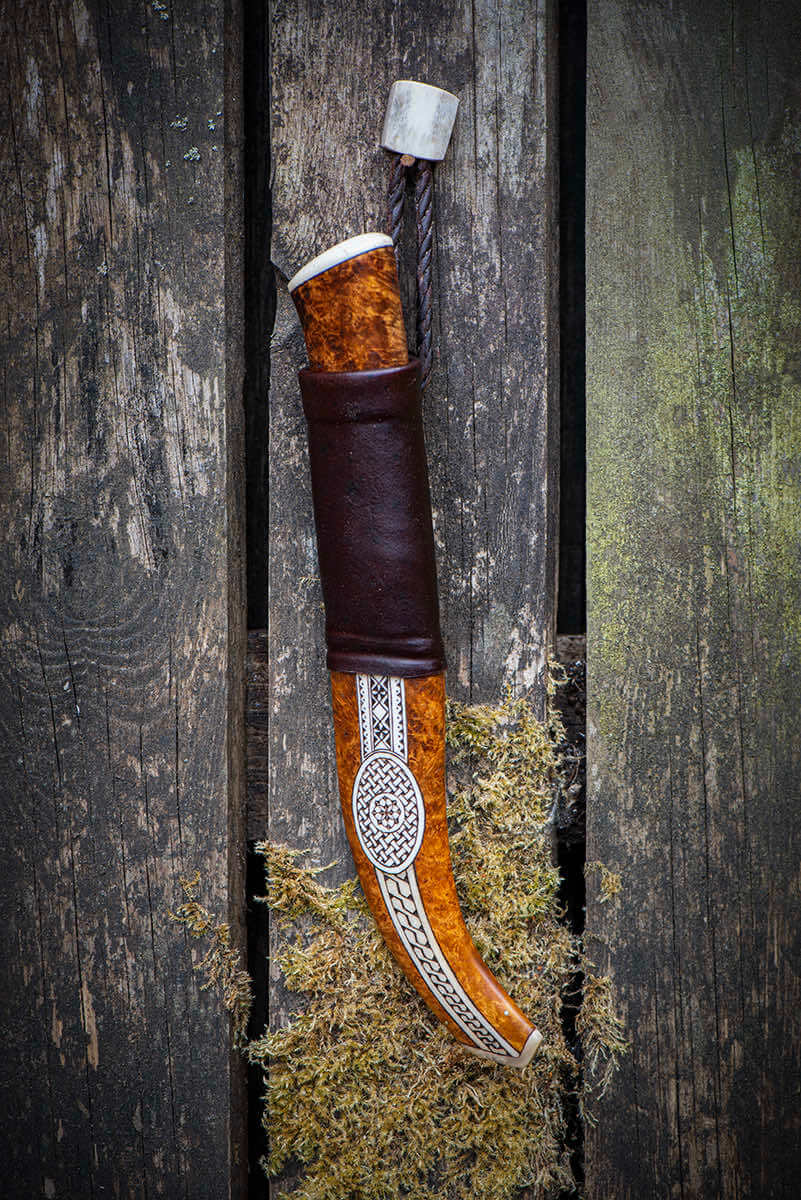

Lapland is a true winter paradise.
The low temperatures, snow and unique natural surroundings are unrivalled by any landscape anywhere else on earth. So, if the cold has never bothered you, here are a few tips and some general information to help you plan your trip.


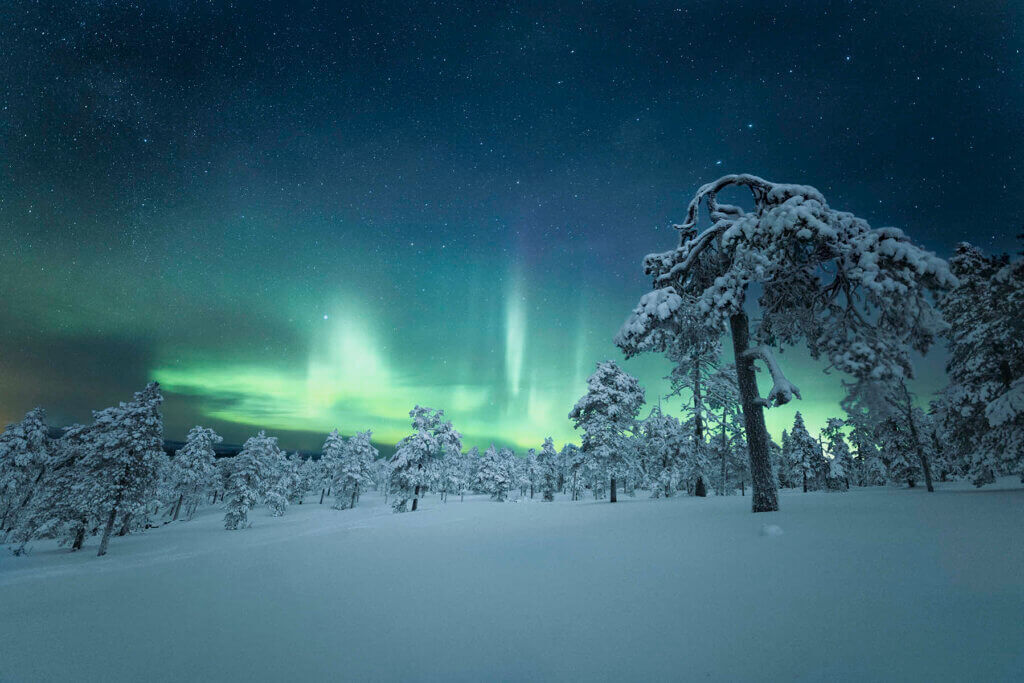
Lapland offers a truly unique Arctic experience.
Whether you’re looking for the biting cold of a reindeer sleigh ride or the gentle warmth of a traditional sauna, you might be ready. If you’d like to explore the wilderness during a white summer night and meet Father Christmas at any time of year, you’re probably all set.
A journey often begins at the airport.
In Finland, the main airline operating Finnair. I would therefore advise you to check the fares directly on the airline’s website to get the best price for your departure dates. The airport at Rovaniemi is the one to choose if you want to meet Father Christmas. You’ll also be taking your first steps north of the Arctic Circle. Further north still, the airport at Kittilä is attracting more and more tourists! The airport is just a few kilometres from Levi, one of the leading ski resorts and a favourite with Finns.


Lapland
Lapland is a transnational region, straddling Norwegian, Swedish, Finnish and Russian territories, whose indigenous people are the Sámi.
Temperatures in Lapland can range from -40 °C in winter to +27 °C in summer. The local vegetation consists mainly of taiga and tundra. Lapland is home to several species of predatory mammals, such as the brown bear and the wolverine, but the region’s most iconic animal is undoubtedly the reindeer. The total population is estimated to be at least 40,000.


Apartments and guest rooms
Apartments are an excellent way for families or large groups to stay together in Lapland. They often feature saunas, kitchens and facilities not found in most hotel rooms. Bed and breakfasts are also a less formal way to enjoy your stay in Lapland, whether you’re in the town centre, near the slopes or further north.
Unusual Accommodation
Lapland isn’t just at the end of the world; it’s also at the cutting edge of accommodation. There are opportunities and experiences in Lapland that you won’t find anywhere else in the world. There are rooms in ice igloos and glass igloos. Here are some of the unique winter accommodation options!
Airbnb is also a popular way to stay in Lapland.

Lapland has over 100,000 square kilometres to explore.
First of all
You should be aware that Lapland is not a sovereign country in its own right. It is a region of Scandinavia and is governed by Finland, Norway, Sweden and Russia, depending on its specific location within the region. The most popular part of Lapland with tourists is the section under Finnish jurisdiction, with the city of Rovaniemi as its capital. This city is also home to the regional university, which means the area is full of young people and places to meet up. It’s also where Father Christmas lives!

Weather
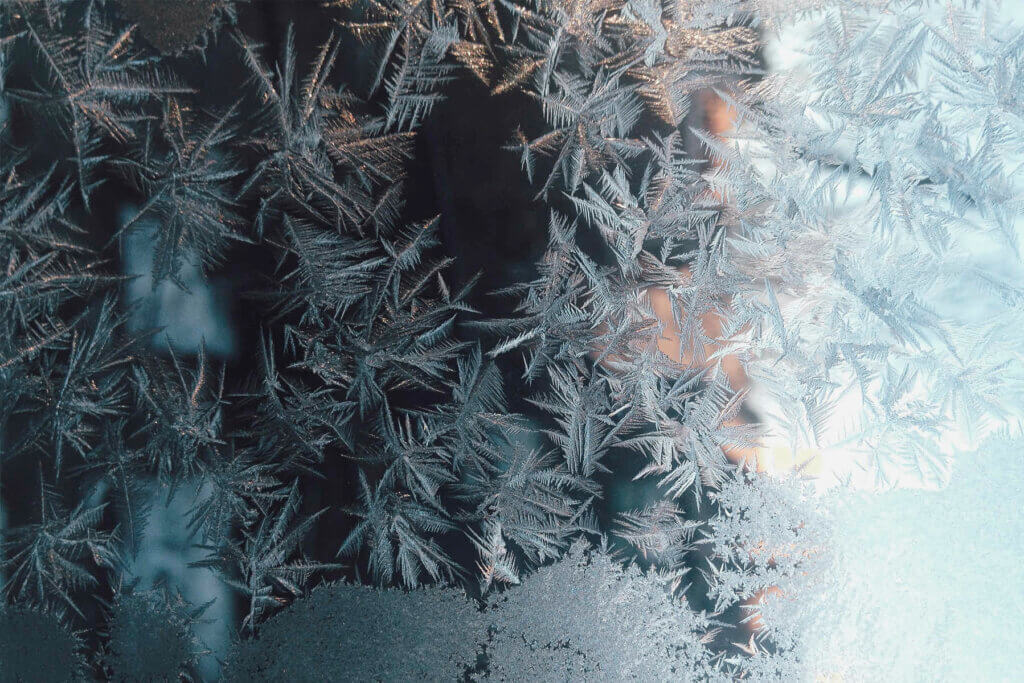
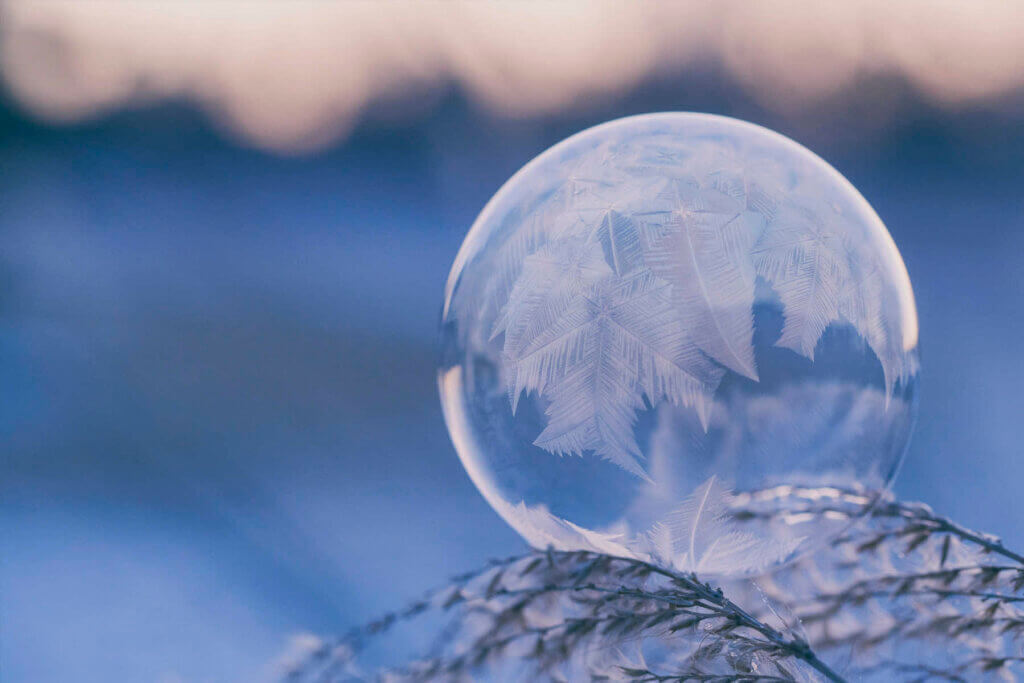
Lapland is cold. We know that. But there’s actually more to it than that. As it is so close to the North Pole, at the height of winter temperatures drop well below zero. -30° is common, and this can be difficult to cope with for people unaccustomed to such temperatures. Winter lasts between five months (in the south) and seven months (in the north). The peak winter season begins in February, with cross-country skiers and ski tourers flocking to the forests and frozen lakes until the end of March in the south and the end of April in the north. Then the sun returns. In Lapland, in good years, you can ski (in your swimming trunks…) until mid-May.
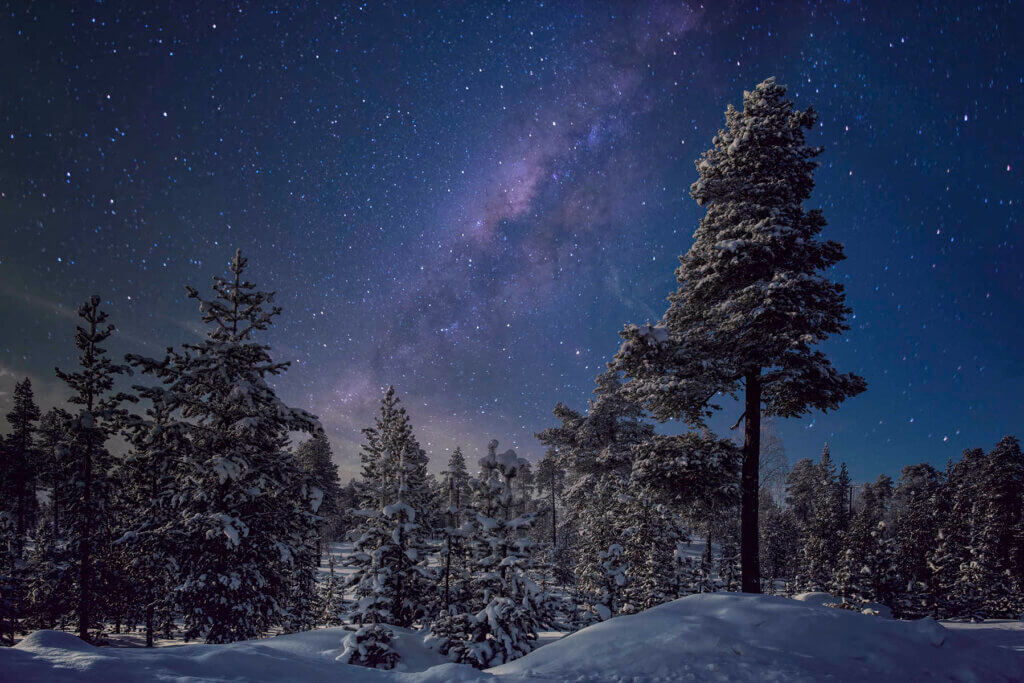

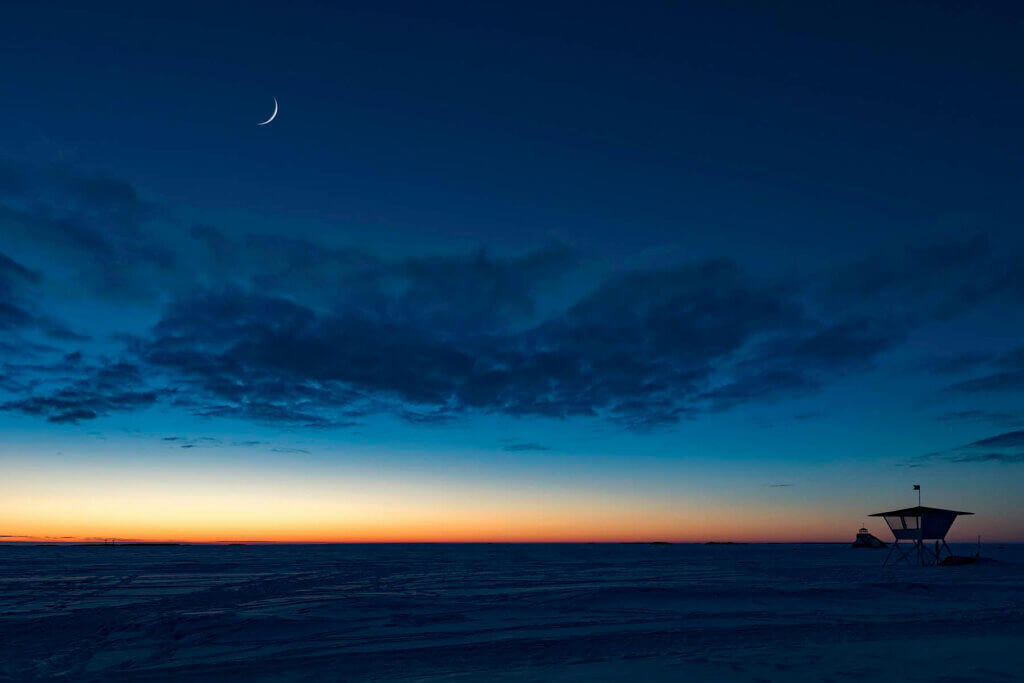
However, when January arrives, things start to brighten up a little, the air becomes drier and the sun begins to peek over the horizon. This is the best time to visit, from January to early April. It’s also when you’re most likely to witness the famous, enchanting Northern Lights.
midnight sun
Below, I have provided, for guidance only (as these dates can vary by a day or two from one year to the next), the dates on which the midnight sun is visible in Lapland, along with the corresponding northern latitude:
- From 17 May to 27 July
- From 22 May to 21 July
- Sodankylä 67° 25
- Rovaniemi 66° 30
- Kuusamo 65° 59
- From 18 to 25 June
Conversely, the sun disappears completely from the sky in Utsjoki for more than seven weeks, usually from 26 November to 17 January. This is the period of the polar night (kaamos).
However, when January arrives, things start to brighten up a little, the air becomes drier and the sun begins to peek over the horizon. This is the best time to visit, from January to early April. It’s also when you’re most likely to witness the famous, enchanting Northern Lights.
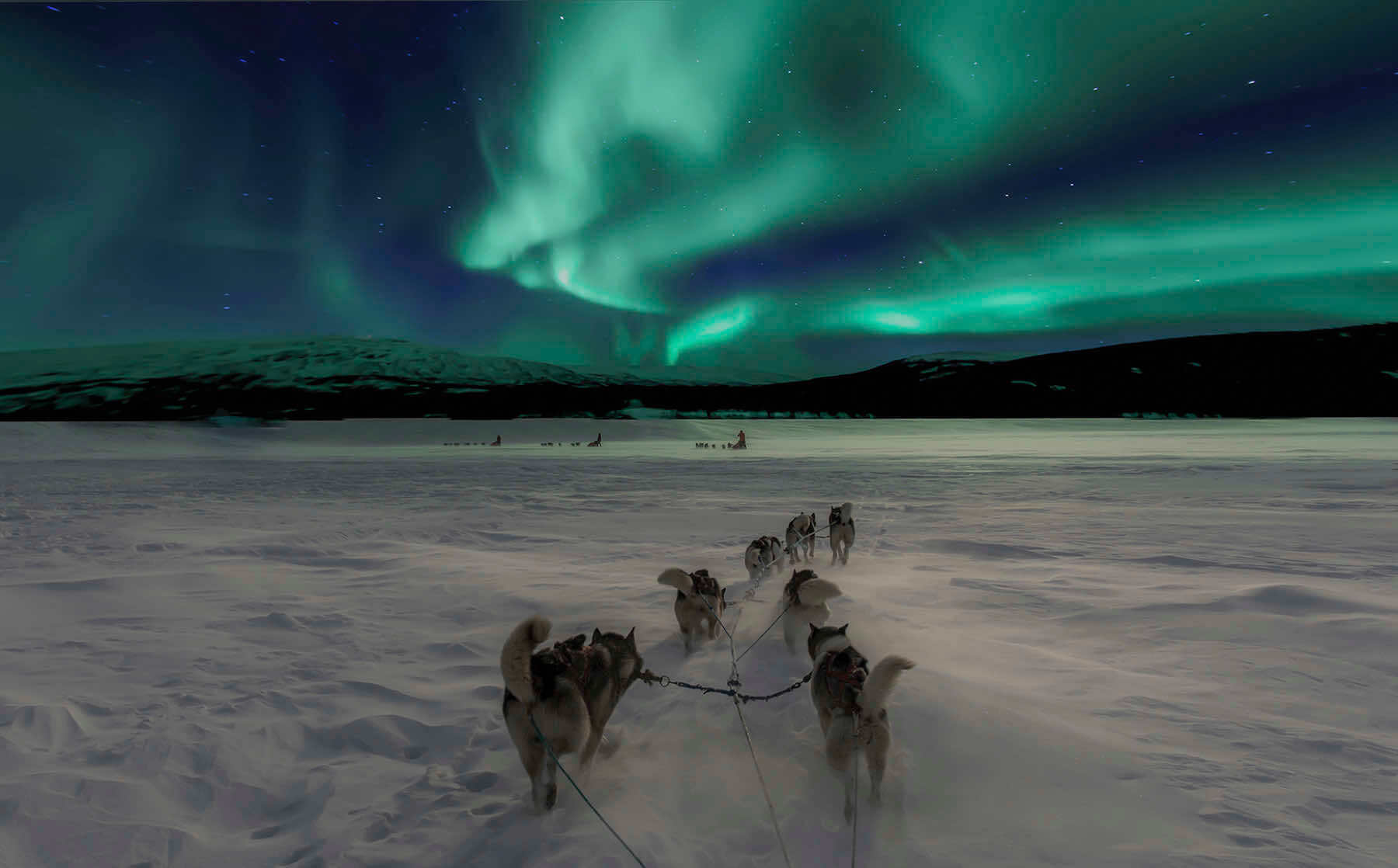
Northern lights in Lapland
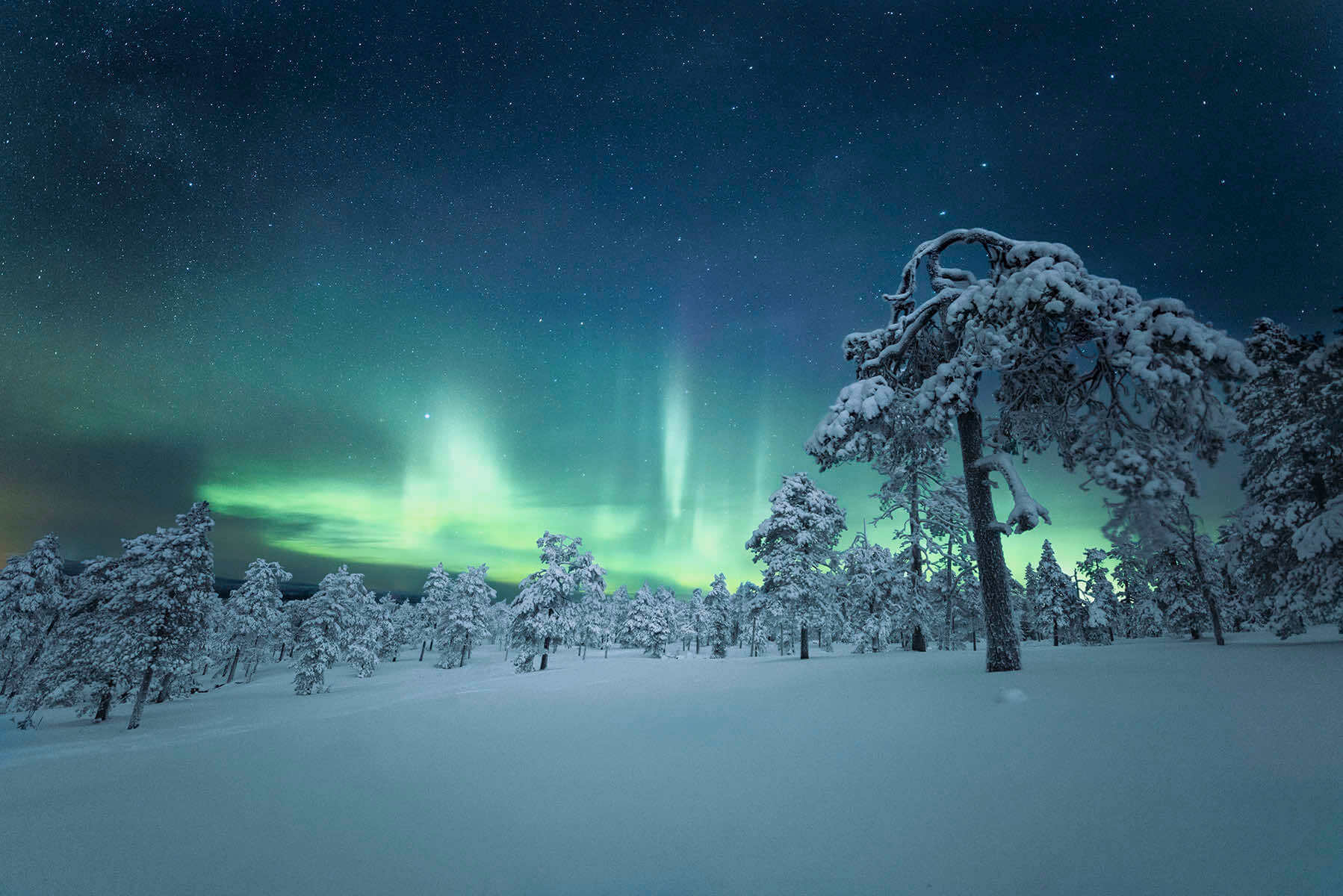
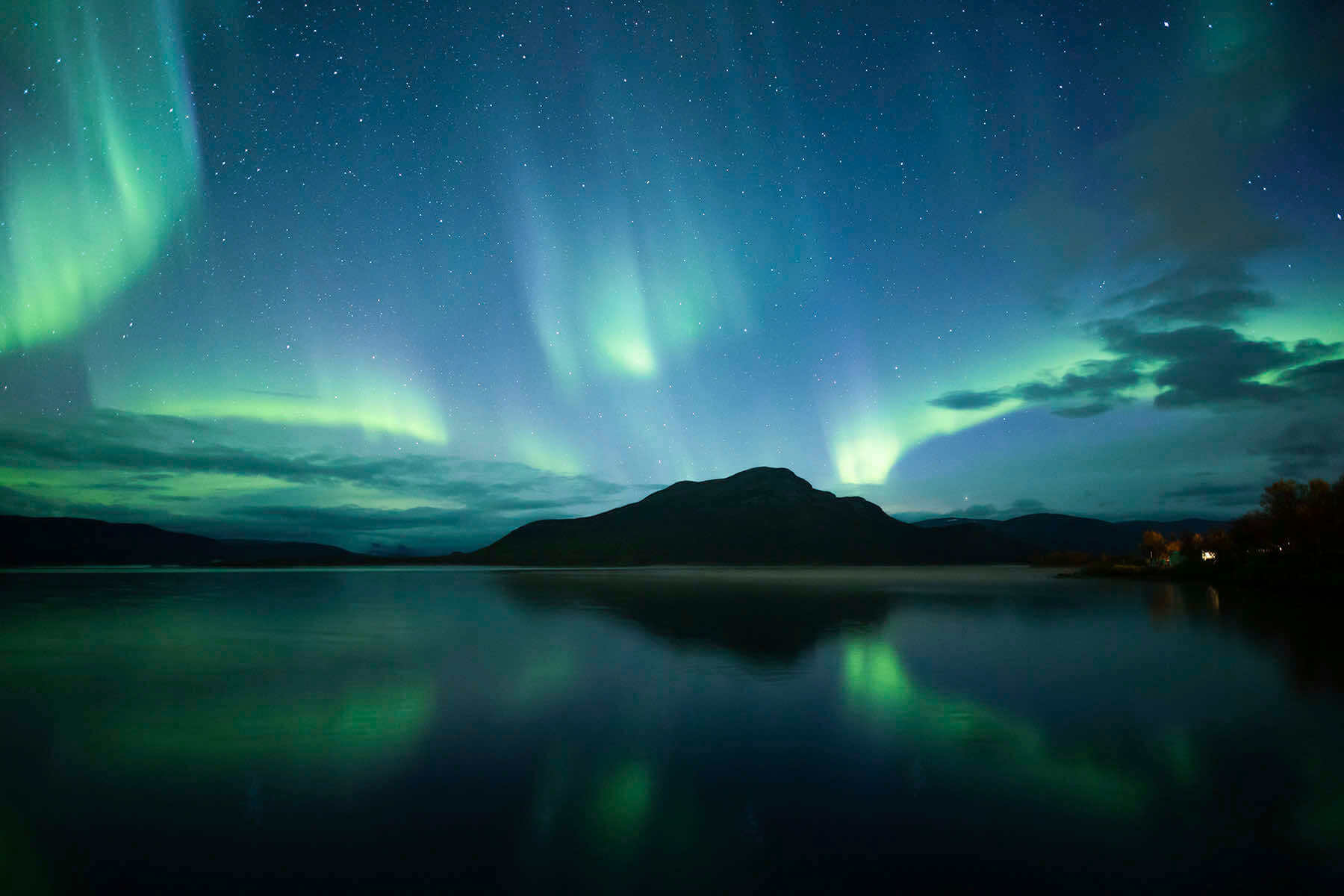
The most remarkable natural phenomenon in the region is the Northern Lights. You’ll hear them referred to as northern lights in English and Revontuli in Finnish, which translates as… ‘fox fire’.
This phenomenon is caused by extremely powerful solar flares, during which large quantities of particles are ejected and form the solar wind. Our planet’s natural magnetic field provides protection, but this is weaker at the two magnetic poles. Under certain conditions relating to particle density, this results in these breathtaking displays of light. They can occur at any time of year, but are only visible at night and, of course, provided the sky is clear.
The best time to see the Northern Lights is from February to April, when the nights are cold and long, and the sky is often clear.
The Northern Lights begin with a brief, dynamic phase. A vast green and orange band keeps expanding, fleetingly taking on shades of turquoise and blood-red. It is only after a few minutes that the display really comes into its own, and that you can go and fetch your camera, equipped with a tripod and, ideally, a wide-angle lens.
The premises
The local people of Lapland are known as the Sami and lead a fairly traditional way of life. Progress and technology have been slow to reach this cold and remote region, so the local economy was mainly based on hunting and fishing. In recent decades, tourism has helped the area to flourish. Today, it also accounts for a significant proportion of the regional economy. That said, the locals maintain an authentic way of life, including traditional clothing and customs.
Equipment
The only way to make sure you have all the equipment you need for a trip to Lapland is to have it all to hand. No other country will have this sort of hard-wearing clothing to help you beat the cold. The city of Rovaniemi is the ideal place to pick up everything you need: gloves, snowsuits, thermal clothing, snow boots, and so on. Once you’ve got all those layers on, you can try your hand at snowmobiling, which is the most efficient way to explore the snow-covered landscapes.
Puukkos & Sami
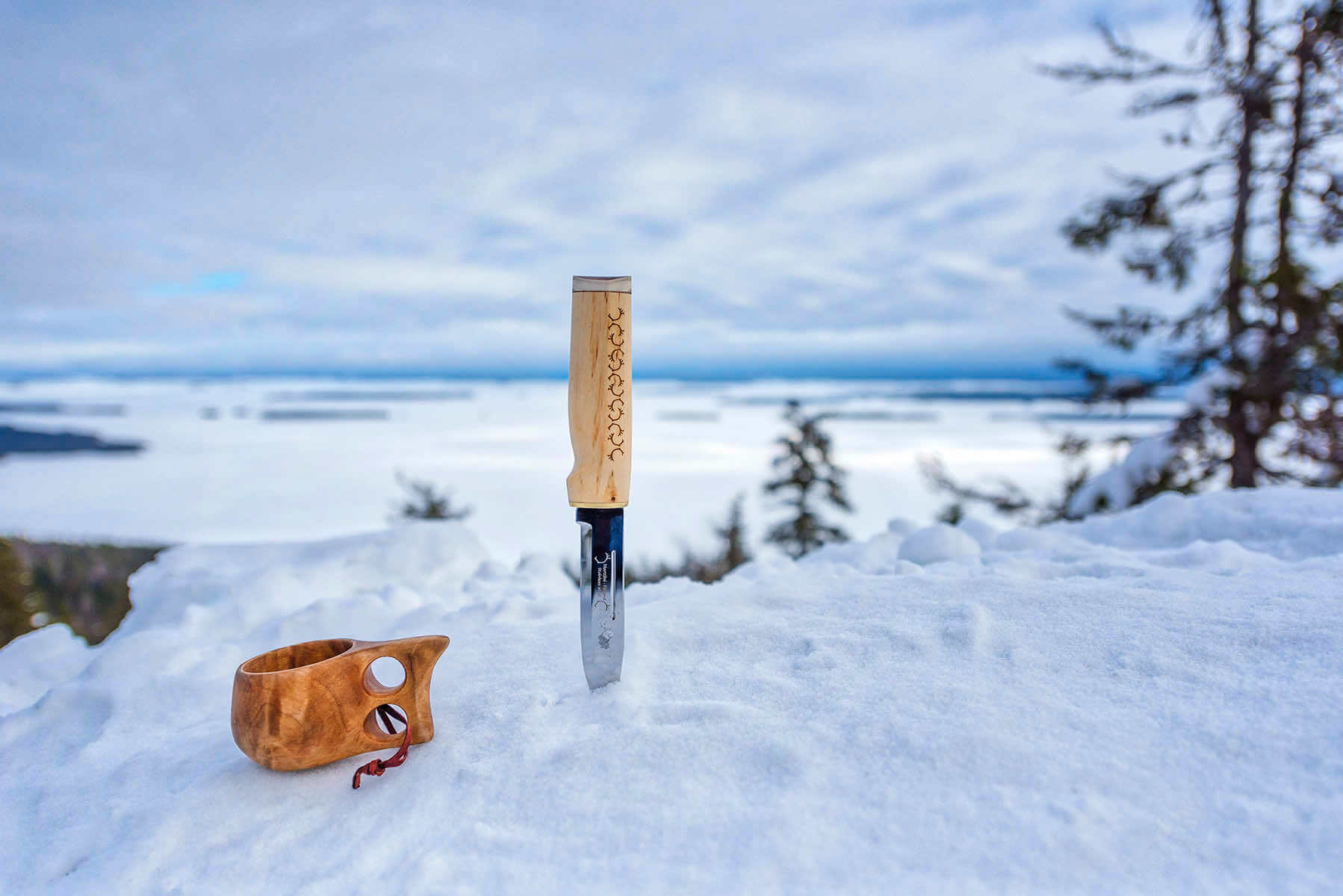
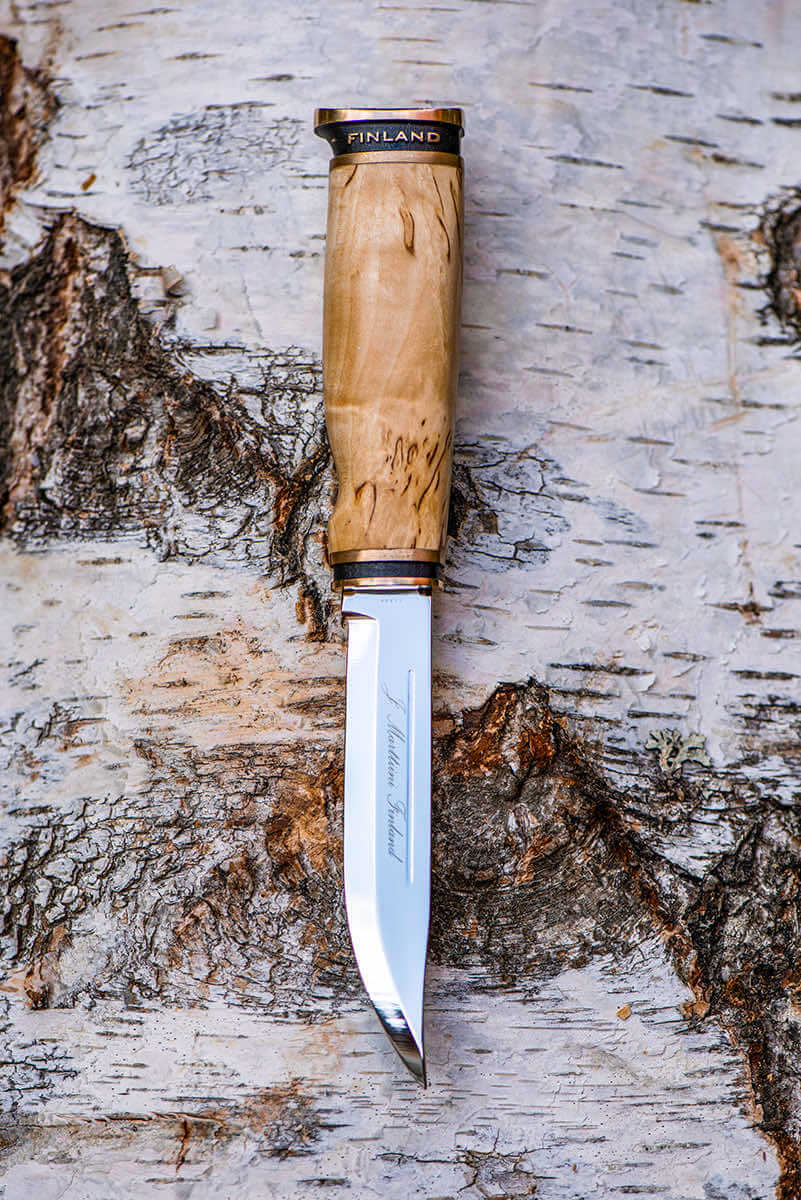
Depending on the model, the puukko is a hunting knife, a work of art or a utility knife with a sturdy blade and a wooden handle.
Depending on the model, the puukko is a hunting knife, a work of art or a utility knife with a sturdy blade and a wooden handle.


The common feature of the original designs is the absence of a finger guard and the presence of a sheath that holds and encloses the knife like a quiver. Some valuable puukkos have a highly ornate handle. Generally, however, simple designs are preferred. Historical puukkos were mainly made by the users themselves or by their blacksmiths.
Conclusion:
Normally, after reading this article about Lapland, you’ll be itching to go! That’s perfectly normal. Start packing your bags and, above all, when you’re in Rovaniemi, don’t miss a visit to the factory shop Marttiini. If you’re anything like me, you’ll end up leaving with about ten puukkos!
This was the first post on this new blog. Thank you for reading it. I’ll see you very soon, and don’t forget to sign up for the newsletter to stay informed about future posts.

The Blog of puukko.fr
Articles on puukkos, Scandinavia, nature and large spaces.