
The Northern Lights in Lapland
Scandinavian Spirit

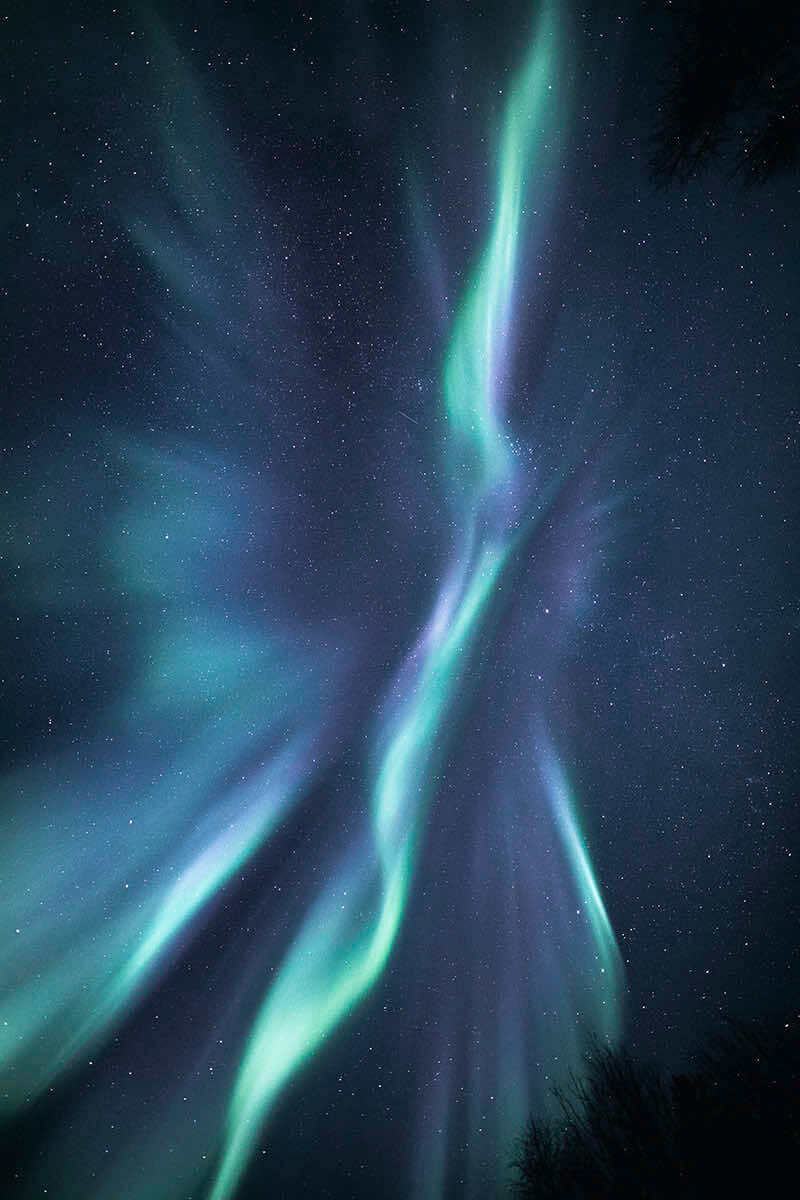
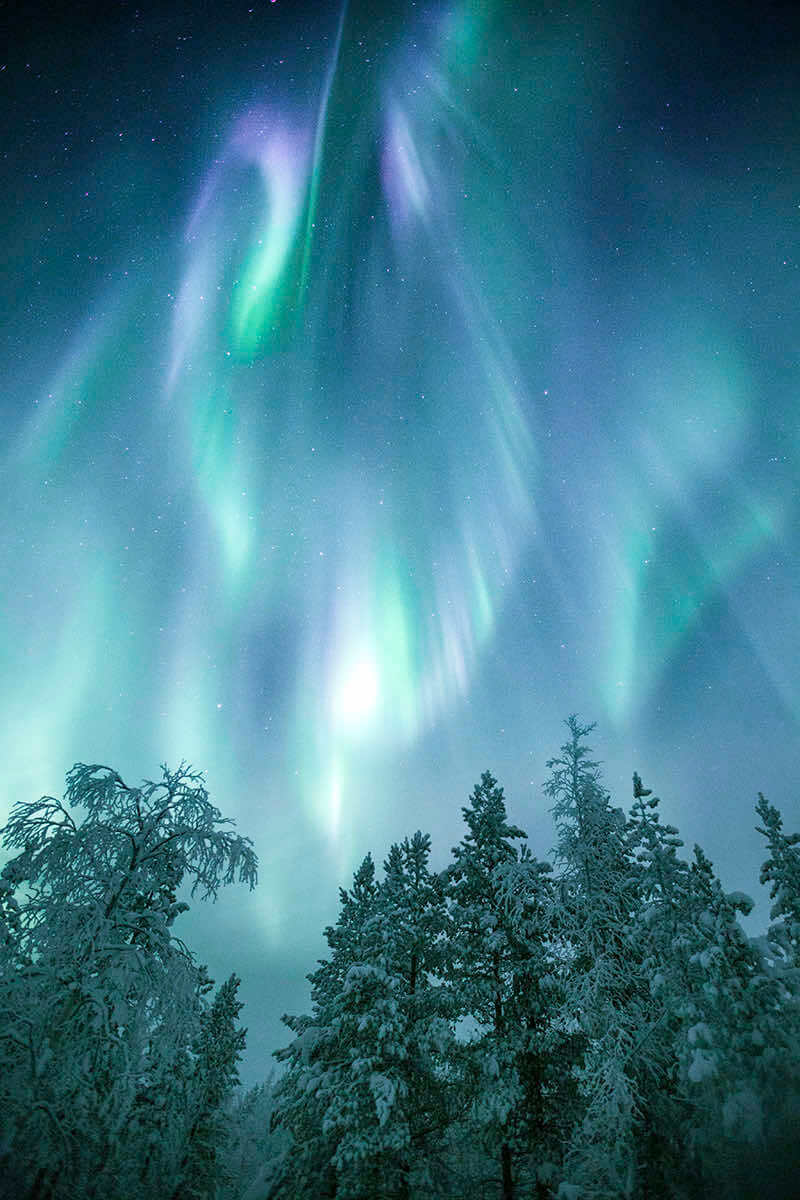
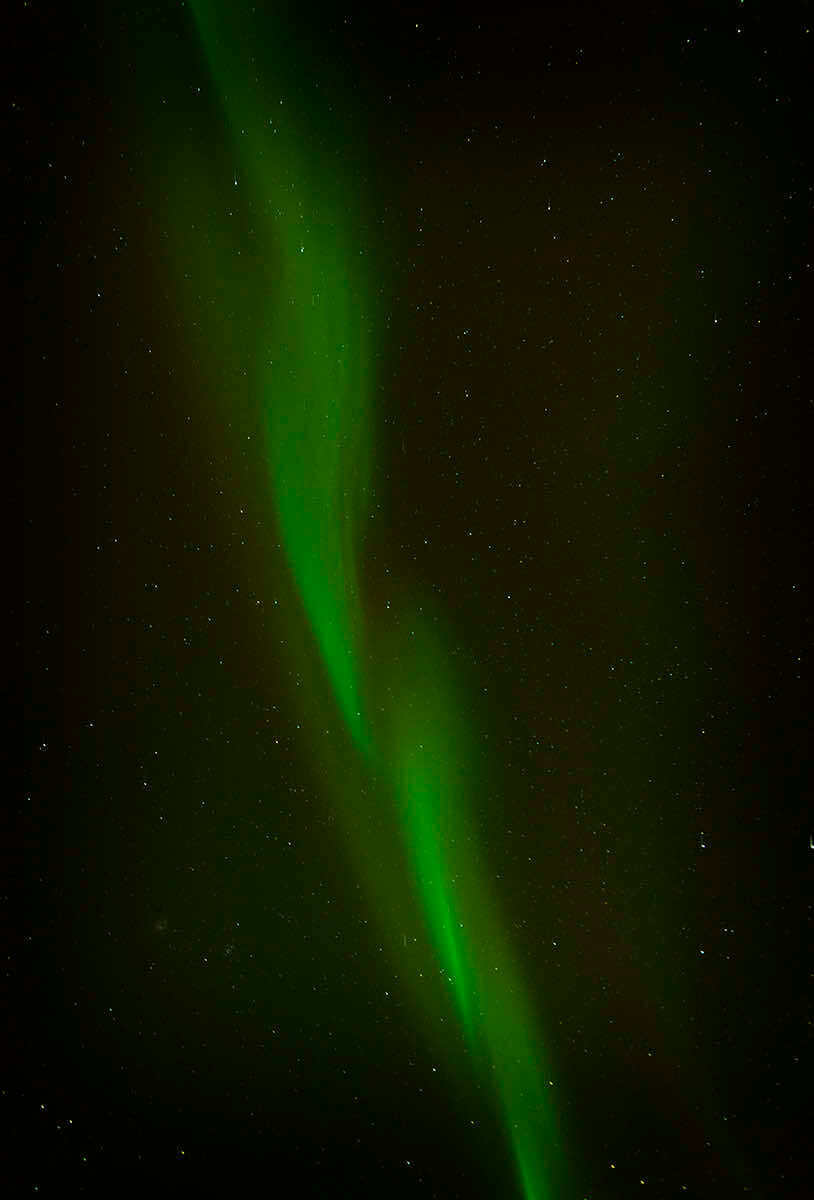
Towards the end of August, the sun finally sinks far enough below the horizon for the stars to reappear in the sky above Lapland. And with the return of the stars comes one of the most magical experiences of the north: the Northern Lights. These silky, dancing spectres appear as green or purple wisps swaying silently. Caused by storms sent out by the sun itself, witnessing the Northern Lights is a transformative experience, a gift from the cosmos. There is the You before seeing the northern lights, and the You later.
Polar aurora
North of Arctic Circle
North of Arctic Circle


Sitting by a fire, sipping hot chocolate from a kuksa (carved wooden cup) and sleeping under the stars are the highlights of any nature experience in Lapland.
Far from the city lights, in the pitch-black night of Lapland, the Northern Lights are at their most spectacular. Sit back and enjoy the show. Become one with nature.
The likelihood of visible auroras is highest around midnight. Aurora hunters should keep an eye out between 9.00 pm and 2.00 am.
To see the Northern Lights, you need three things:
- the auroras
- the darkness
- a clear sky
The Northern Lights are not visible in daylight. From mid-April to mid-August, the nights are too bright to spot the Northern Lights. By the end of August, however, the nights grow darker and the Northern Lights season lasts until spring. Northern Lights activity peaks around the equinoxes: in September–October and in March. In Lapland, the entire winter period between the equinoxes is also very active.
Most aurora borealis occur within an oval-shaped band around the magnetic North Pole. The geographical area where the Northern Lights are frequently seen is known as the Northern Lights zone, which covers the whole of Lapland.
In fact, northern Finland is one of the most popular destinations for viewing the Northern Lights. According to statistics from the Finnish Meteorological Institute (FMI), the probability of visible auroras is around 75 per cent on dark, cloudless nights in the Utsjoki region, and between 40 and 50 per cent in Rovaniemi, on the Arctic Circle.
The chances drop quite rapidly as you travel south of the Arctic Circle. For example, in Helsinki, the probability of seeing the Northern Lights on both dark and clear nights is only 5 per cent.
Where can I see the Northern Lights, and what are my chances of seeing them?
Three ideas to enjoy the northern lights perfectly:
#1 Snowshoes
The frosty snow crunches under your boots as you venture deeper into the woods. Deep snow is no obstacle when you’re wearing snowshoes. The silence of the forest can be intimidating, but the darkness is ideal for watching the Northern Lights crackle across the night sky. Breathe in the crisp, cold air and enjoy the light show. You can go at your own pace and stop as often as you like.
#2 The sled
Being pulled through the forest by animals is another way to enjoy the Northern Lights. Dog sled and reindeer sleigh rides are organised throughout Lapland. Snuggled up warm under a blanket, you’re guaranteed a wonderful time!
#3 Snowmobile
Finally, if you’re looking for action and speed, hop on a snowmobile. A snowmobile will whisk you away from the lights of the ski resorts in no time to see the Northern Lights. In winter, snowmobiling is a popular pastime in Lapland and is widely used for work by reindeer herders.

What are the Northern Lights, and where are the best places to see them?
It depends on the latitude! Northern lights (and his southern sister aurora australis) are phenomena that only truly appear in the sky near the North and South Poles. In the southern hemisphere, this spectacle is almost entirely confined to the icy plains and mountains of Antarctica. In the north, however, the auroras light up the skies above Alaska, northern Canada, northern Scandinavia and Russia.
Combine the Northern Lights with stunning scenery, and you’re in for an unforgettable experience! Of course, the Northern Lights are perhaps the best reason to visit Lapland in winter. You just need a bit of luck to see the Northern Lights in northern Finland, as they appear on about one in every two nights on average, and the further north you go, the better your chances are.

The etymology and mythology of the Northern Lights. The etymology of the Northern Lights should be fairly obvious, but what does ‘aurora borealis’ mean? It comes from Latin: ‘Aurora’ is the goddess of dawn and ‘borealis’ means ‘north’.
A little more about the aurora...
According to Finnish legend, the Northern Lights are created when a fox runs across the hills, whipping its tail against the snow and sending sparks into the night sky. That is how the ‘fox fires’ came to be.
Where do the northern lights come from?
The easy answer is: magic. The most complicated answer begins at the heart of the Sun, where particles are formed by intense nuclear reactions. Eventually, these particles are ejected from the Sun during periods of high solar activity. These electrically charged particles fly off, and whilst most of them miss the Earth entirely, a few lucky ones are destined for our blue planet.
The sound is the colors of the northern lights.
- The sound of the Northern Lights is a good question, one to which Finnish scientists only recently found an answer, on 17 May 2022. Long a mystery, the sounds of the Northern Lights were recently recorded by acoustic engineer Unto Laine of Aalto University in Finland. It’s not common, but if the weather conditions are just right, you might hear something even rarer than the aurora itself. Scientists have explained that on particularly cold and calm nights, a layer of warmer air forms above a layer of cold air. Opposite electrical charges can then build up in these layers and cause the sound during geomagnetic disturbances.
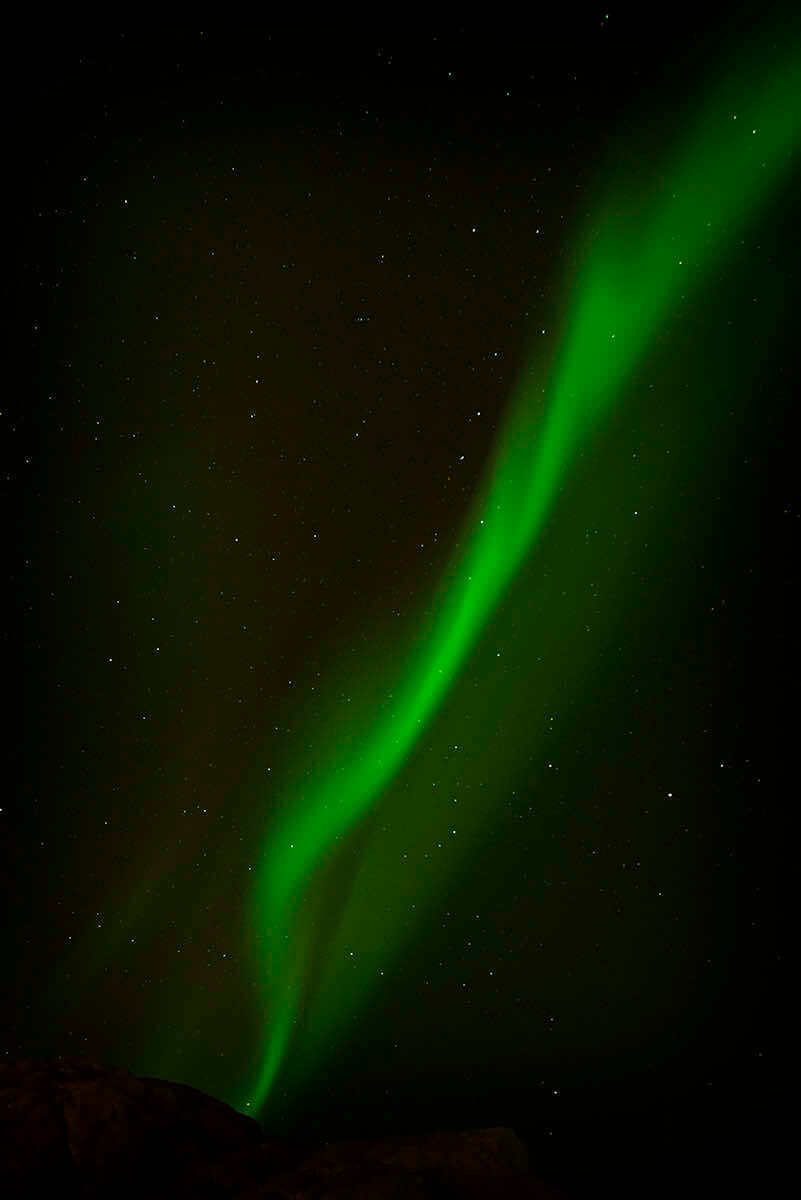
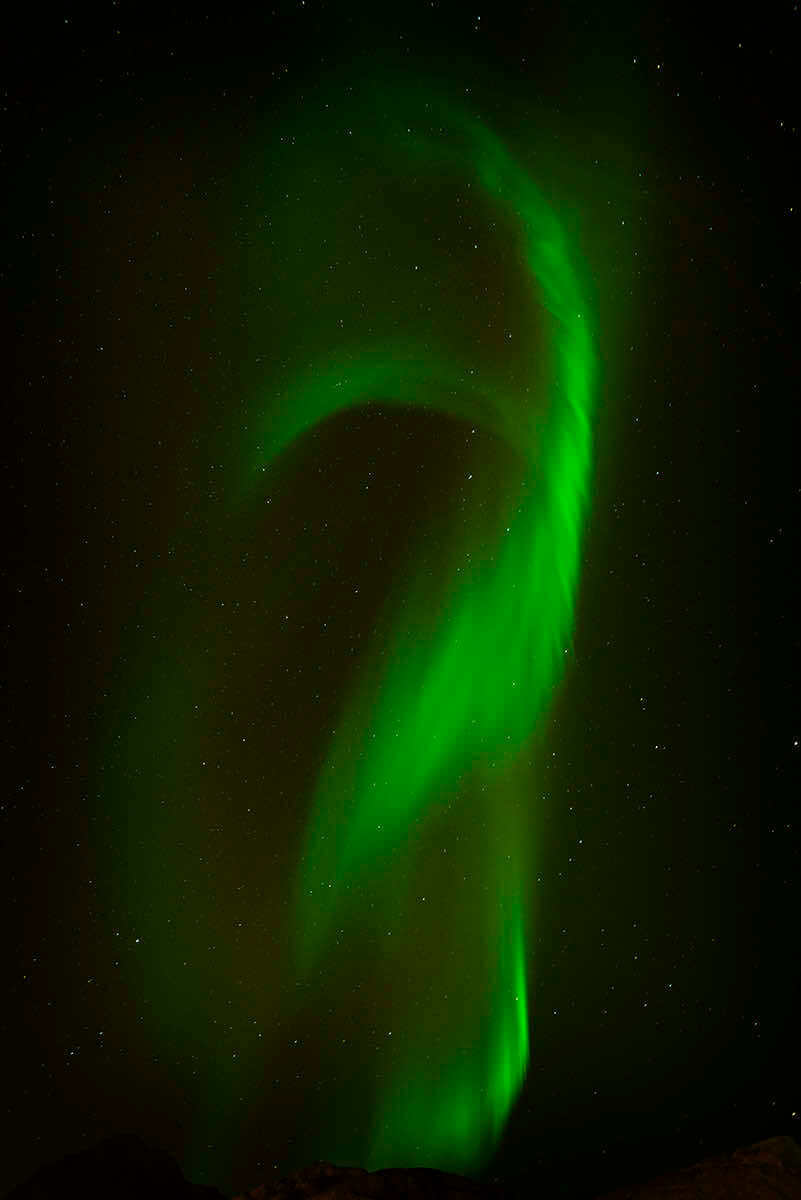
- The Northern Lights are often green in colour. However, sometimes the oxygen becomes highly excited, resulting in a display of red light. On rare occasions, these powerful red auroras have even been spotted as far away as the Caribbean! (A geomagnetic storm of this kind in 1859 disrupted and destroyed telegraph systems across Europe and North America.)

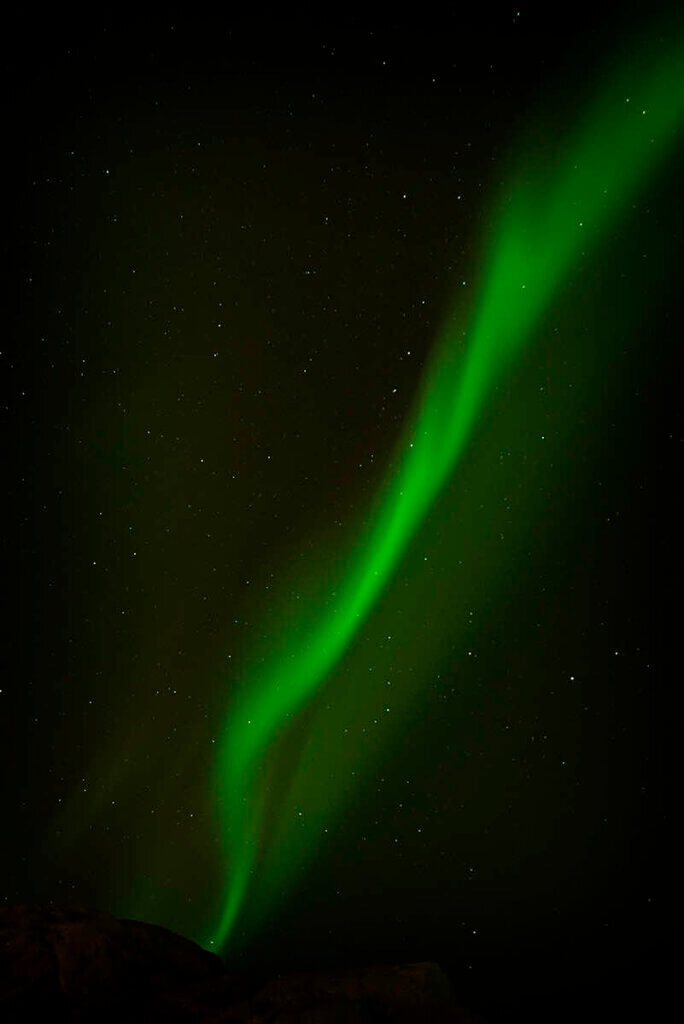
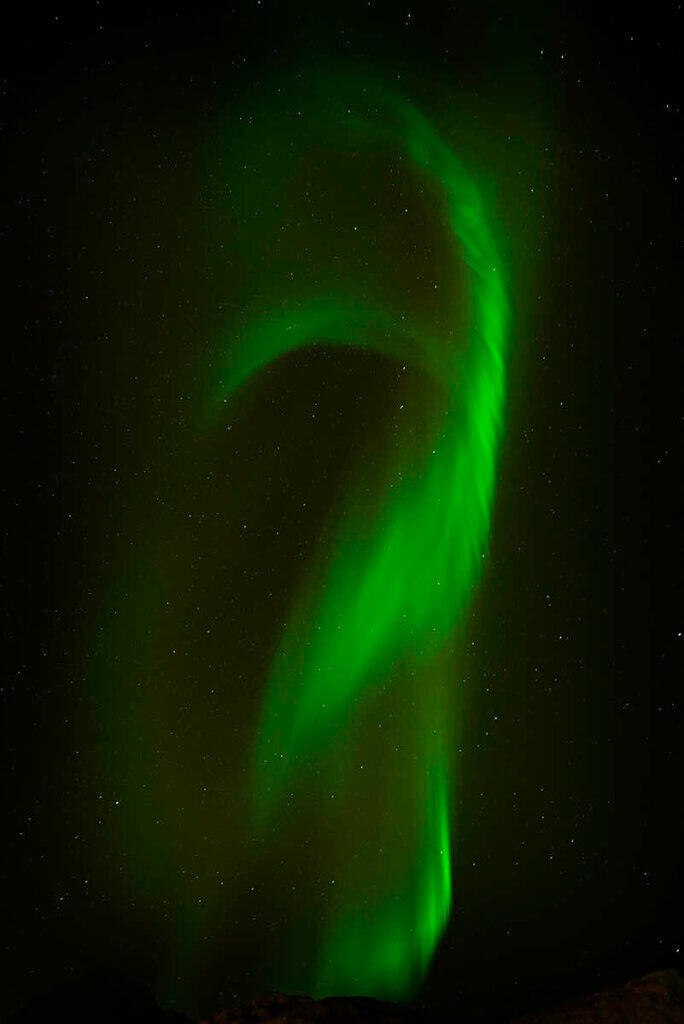

A photographic expedition!
For photography enthusiasts, the Northern Lights offer a unique learning experience. Chasing fire-tailed foxes Photographing the sky is no easy task, but it can be done with a few good tips and a bit of patience. Make sure your rucksack contains a tripod and a camera capable of slow shutter speeds. And don’t forget to wrap up warm!


The Northern Lights
Since their name comes from the gods themselves, it is hardly surprising that there are many myths and legends surrounding the auroras.
For example, a baby conceived under the Northern Lights will be beautiful and lucky. The Northern Lights may be the spirits of the dead, or the fire caused by the tail of the mythical firefox, or magical spells cast by the invisible forces of light and darkness. And these are just the myths told in Finland!
Photo taken at Inari - Finland
It is vital for your comfort and safety that you dress appropriately.
A thick thermal suit is suitable if you’re staying still or riding a snowmobile. If you’re going hiking, you should layer your clothing and add or remove insulation depending on your activity level. For example, long-sleeved woollen base layers and socks, a fleece or woollen mid-layer, a lightweight down jacket for extra warmth, and a windproof and waterproof outer layer. Choose trousers with snow cuffs. Avoid cotton, which gets wet and makes you feel cold!

- Keep your legs warm, because nothing spoils a trip like cold feet. Take care with your boots. Choose a pair with thick soles. Go for a pair that’s slightly roomy and wear extra woollen socks. Winter boots can be 2 to 3 sizes larger than your normal shoes!
- Put gloves on under a pair of thermal mittens, especially if you’re going to be using a camera. The temperature can drop to -30° very quickly.
- Choose a hot hat which protects your ears. You should also wear a balaclava, a neck warmer or a scarf to protect your neck and face from the cold.
- Bring a front lamp or a torch so you can get about safely in the dark. You could also take a thermal mat — or perhaps even a genuine reindeer skin — to lie or sit on. Remember to move about from time to time to get your blood flowing; this will keep you warm.
- Bring hot drinks, water and snacks. Bring coffee, tea, hot chocolate or hot juice in a thermos flask, sandwiches, nuts and chocolate for snacks, or even sausages to grill if there’s a fire pit nearby.
- EBring a friend. Like all the great things in life, chasing the Northern Lights is best when shared – and much safer too!

It takes time for your eyes to adjust to the incredible darkness that envelops the North in winter. Even a stray ray of light can reset your eyes, making it much harder to experience the Northern Lights. Some Finnish ski resorts switch off the streetlights after a certain time so that you have a better chance of seeing the sky dance above the hills, whether it’s a subtle green glow or a large-scale cosmic spectacle.
The highest road in Finland
Even though there is no light other than that of the moon and the stars, you can sense the vastness of the landscape as you watch the rocky giants shape the horizon. Finland’s highest roads are found in the mountains of north-eastern Finland. The viewing points there are over 500 metres above sea level. High above the hills and stunted trees, the Northern Lights appear on average three nights in four. There is perhaps no better place in the whole of Finland to admire the Northern Lights against a magnificent Arctic landscape.
Capture the moment!
Watching the silent dance of the Northern Lights is one thing. Preparing them for Instagram is quite another. The northernmost part of Finland is the best place to see the Northern Lights, and it attracts both professionals and newcomers alike to visit and photograph them throughout the winter.
The sounds of Lapland...
You’ll hear the snow crunching beneath your large plastic and metal snowshoes. When you set off to see the Northern Lights in eastern Lapland, you might spot rabbit tracks, reindeer tracks and perhaps even wolf tracks! The Northern Lights make no sound as they shimmer and weave their way through the twinkling stars.
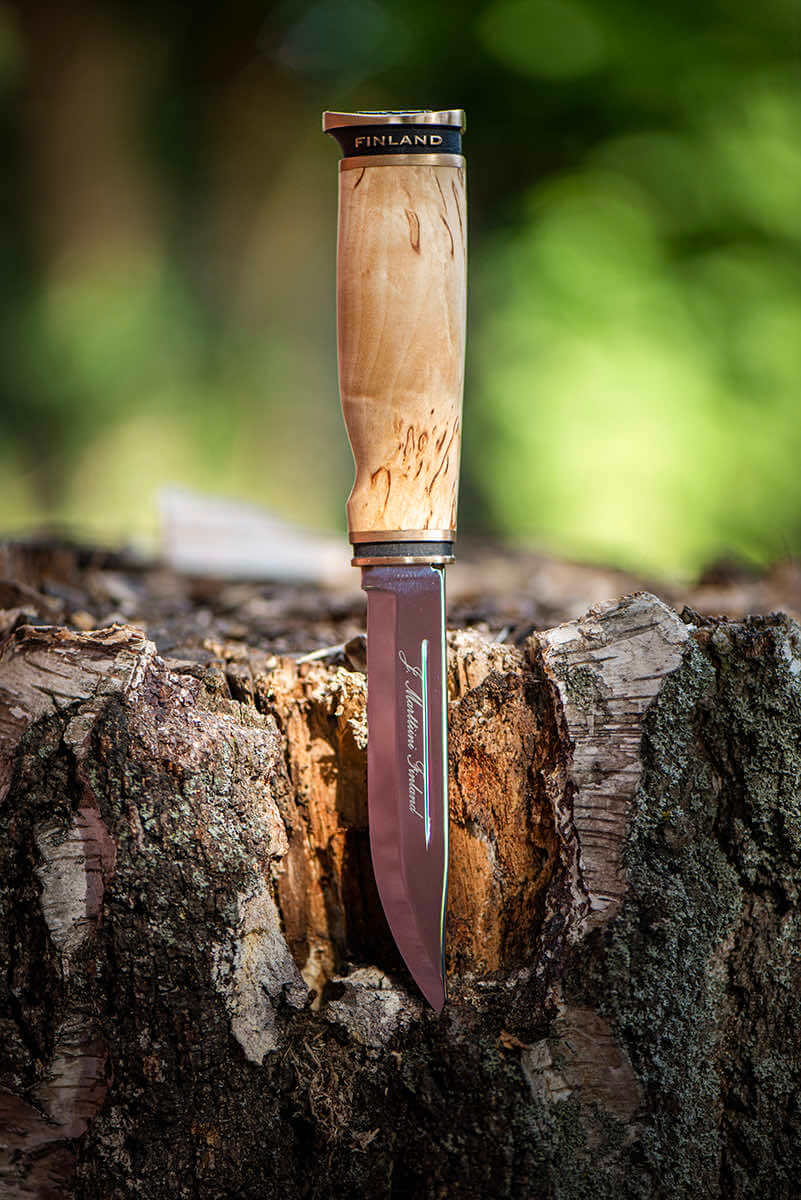
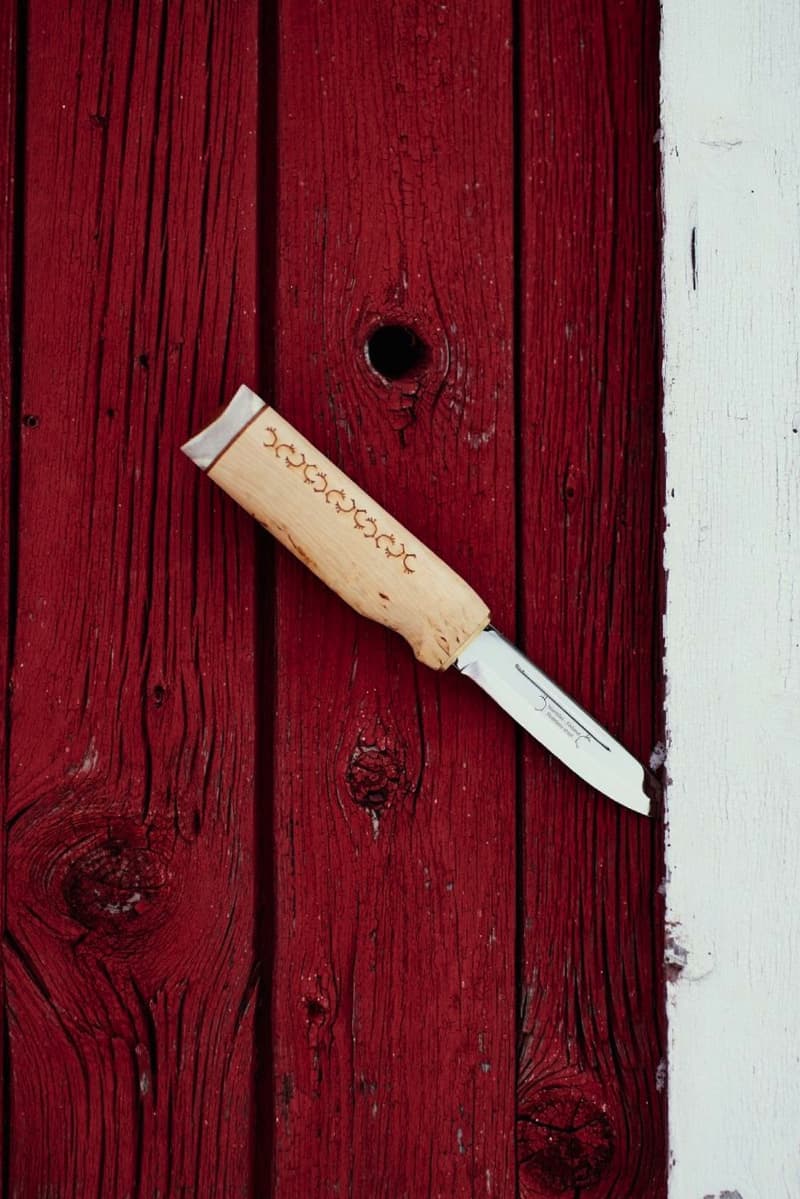
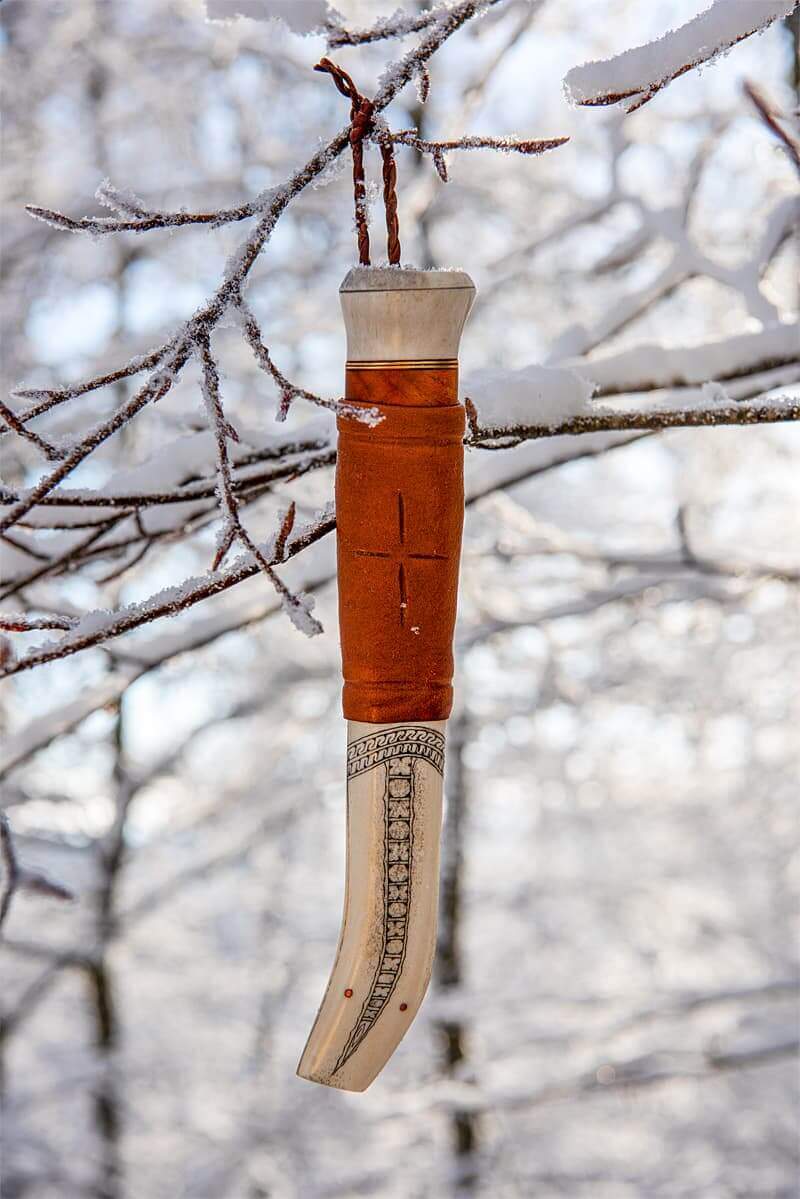
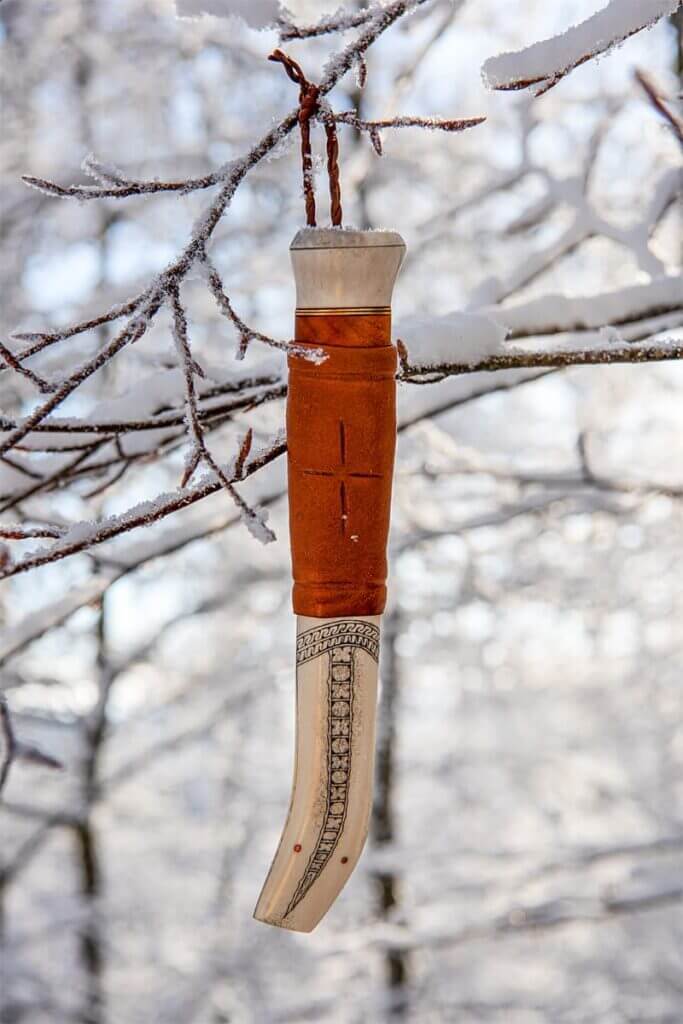
Puukkos for your aurora hunt
They’ll help you prepare your meal and even light a fire.
They’ll help you prepare your meal and even light a fire.


Conclusion:
Chasing the Northern Lights is always an exceptional experience. The snow-covered landscape is filled with silence and an almost mystical beauty. A palpable sense of excitement keeps you on the edge of your seat to the final moment! The spectacle arrives like a reward. Don’t be surprised to find yourself saying: WOW!!! As I mentioned earlier in this article, it’s a gift from the cosmos. There’s the You before seeing the northern lights, and the You later.
Photo credits: Philippe Sainte-Laudy (naturephotography.com) & Unsplash.

Subscribe to the newsletter.
To make sure you don’t miss a thing, you can subscribe to the newsletter to be notified of upcoming updates.