When you think of Scandinavia, there are several things that come to mind: Vikings, cold, ABBA and IKEA.
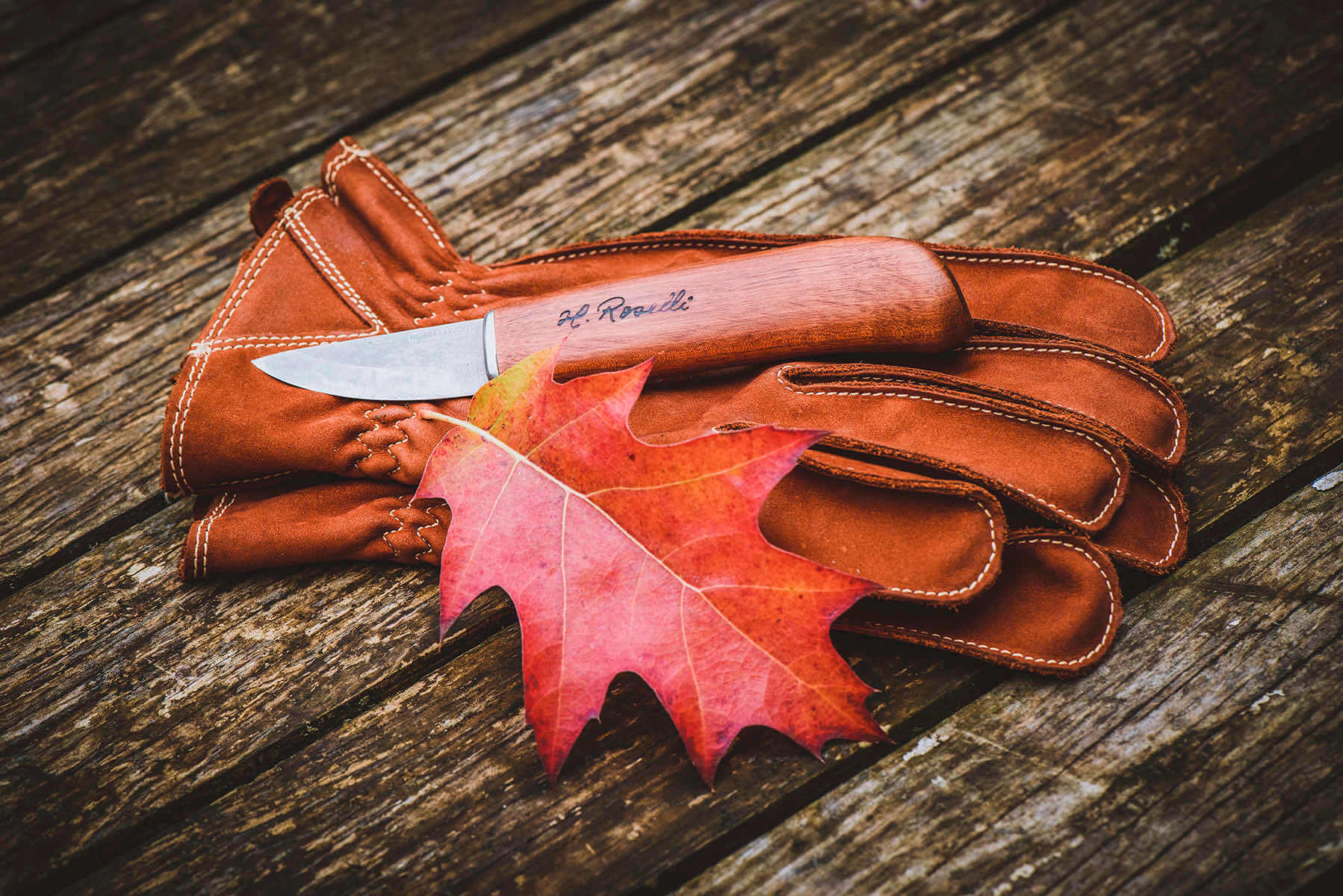
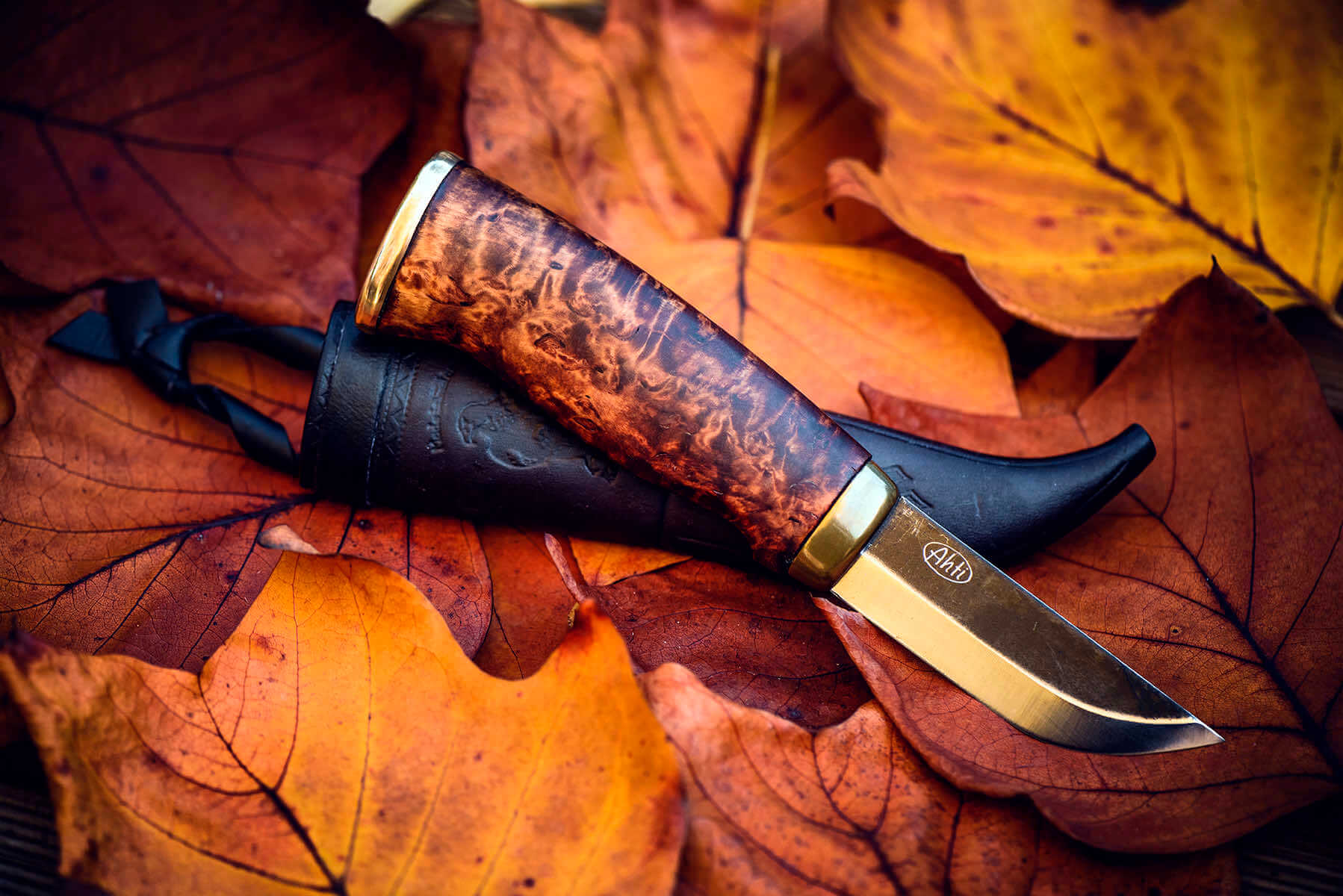
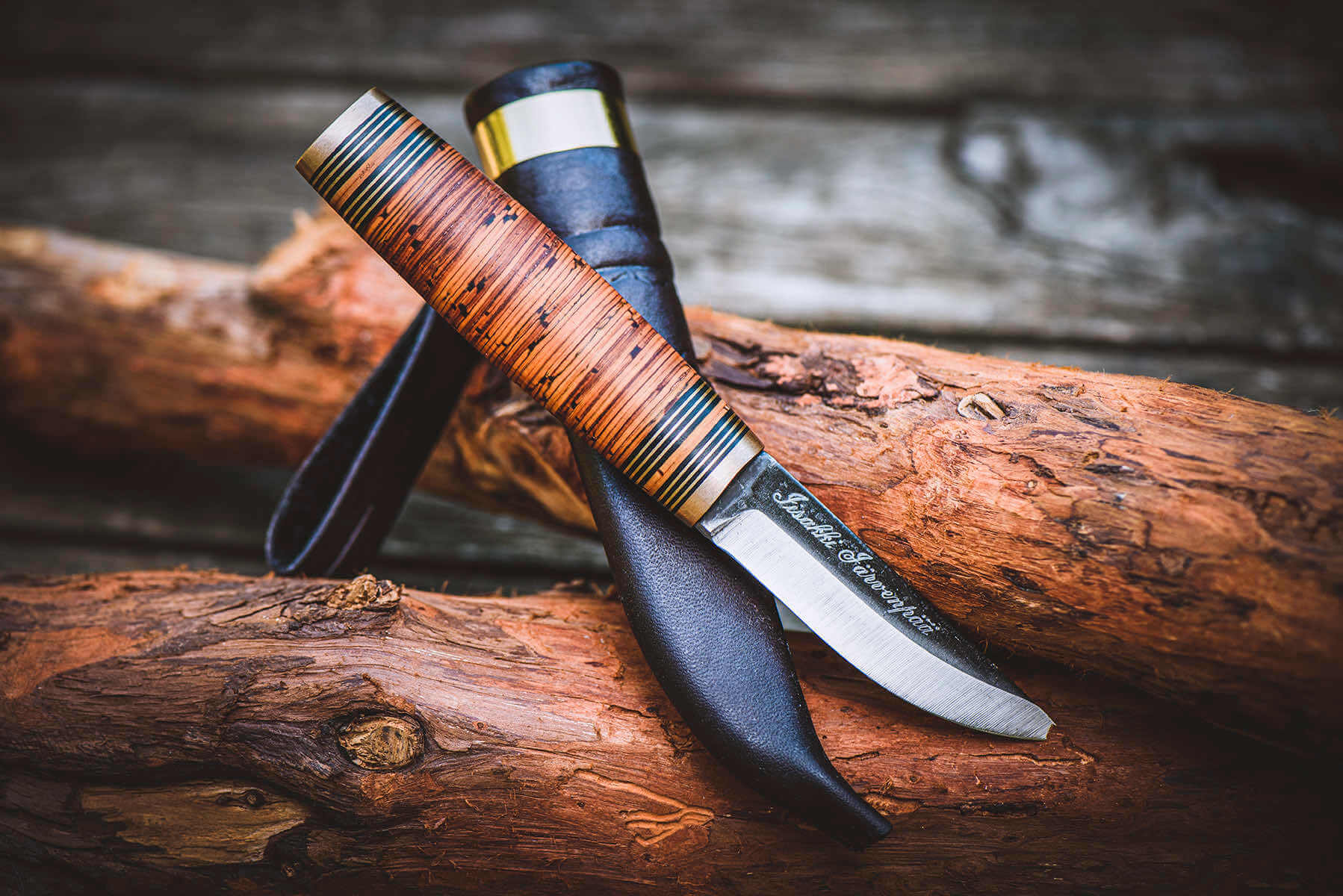
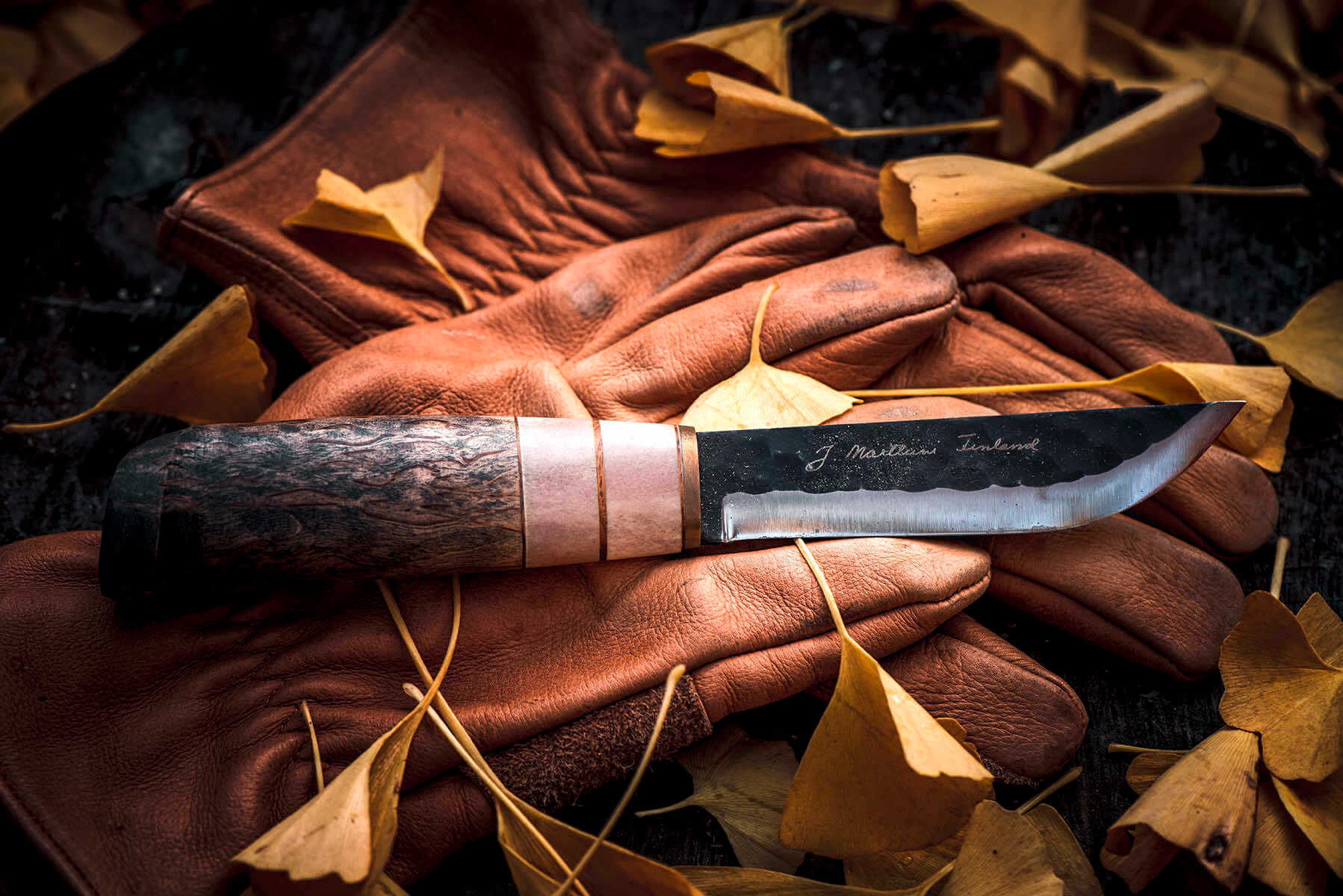
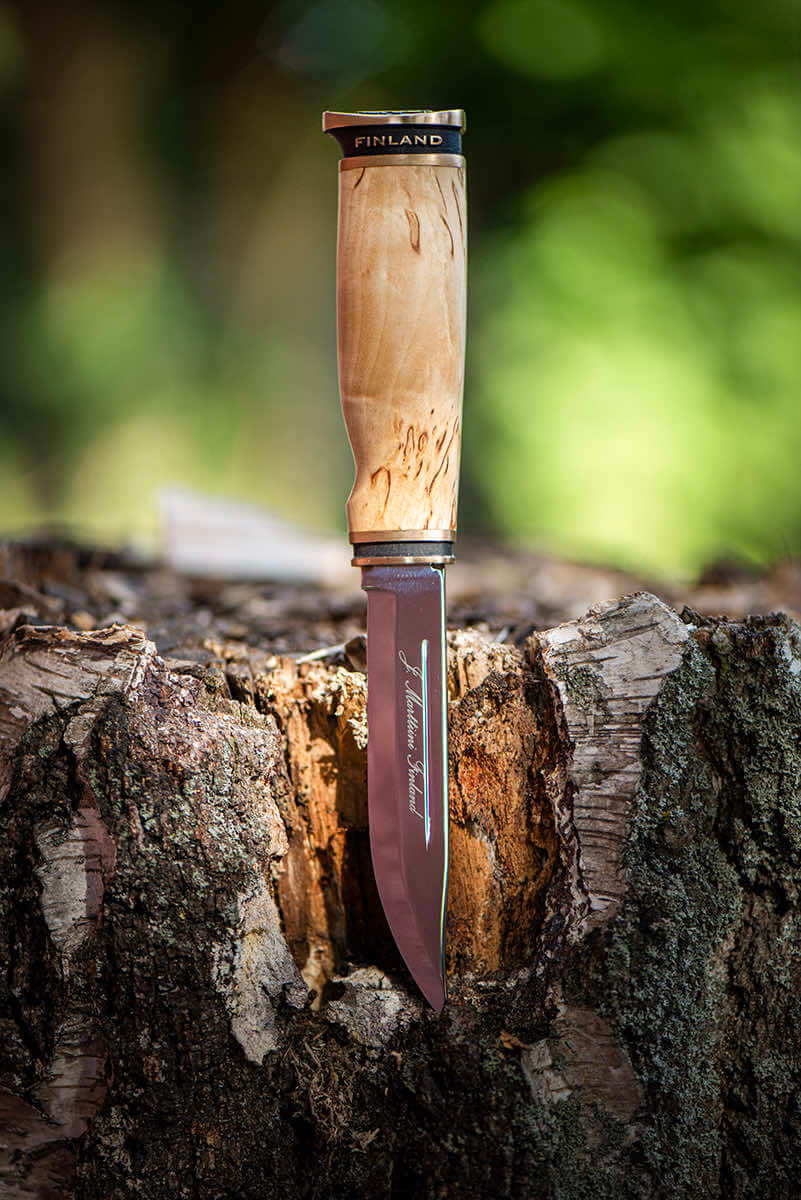
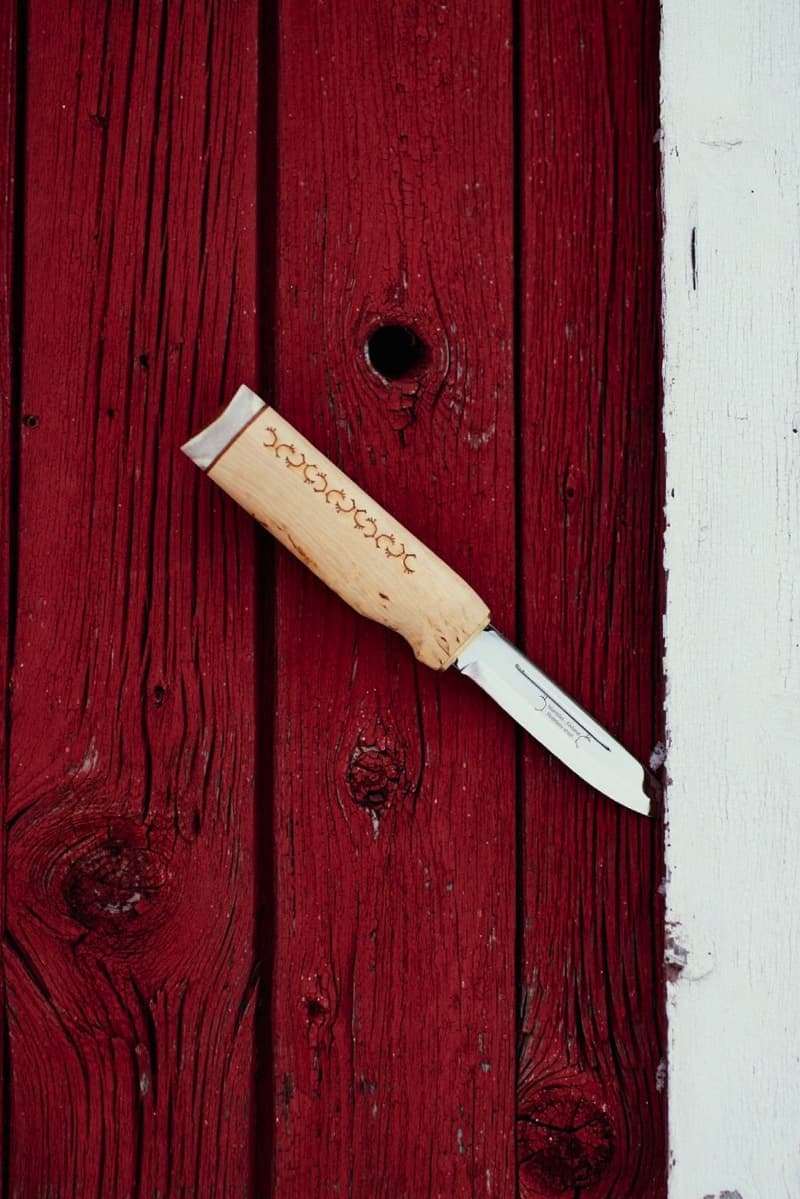
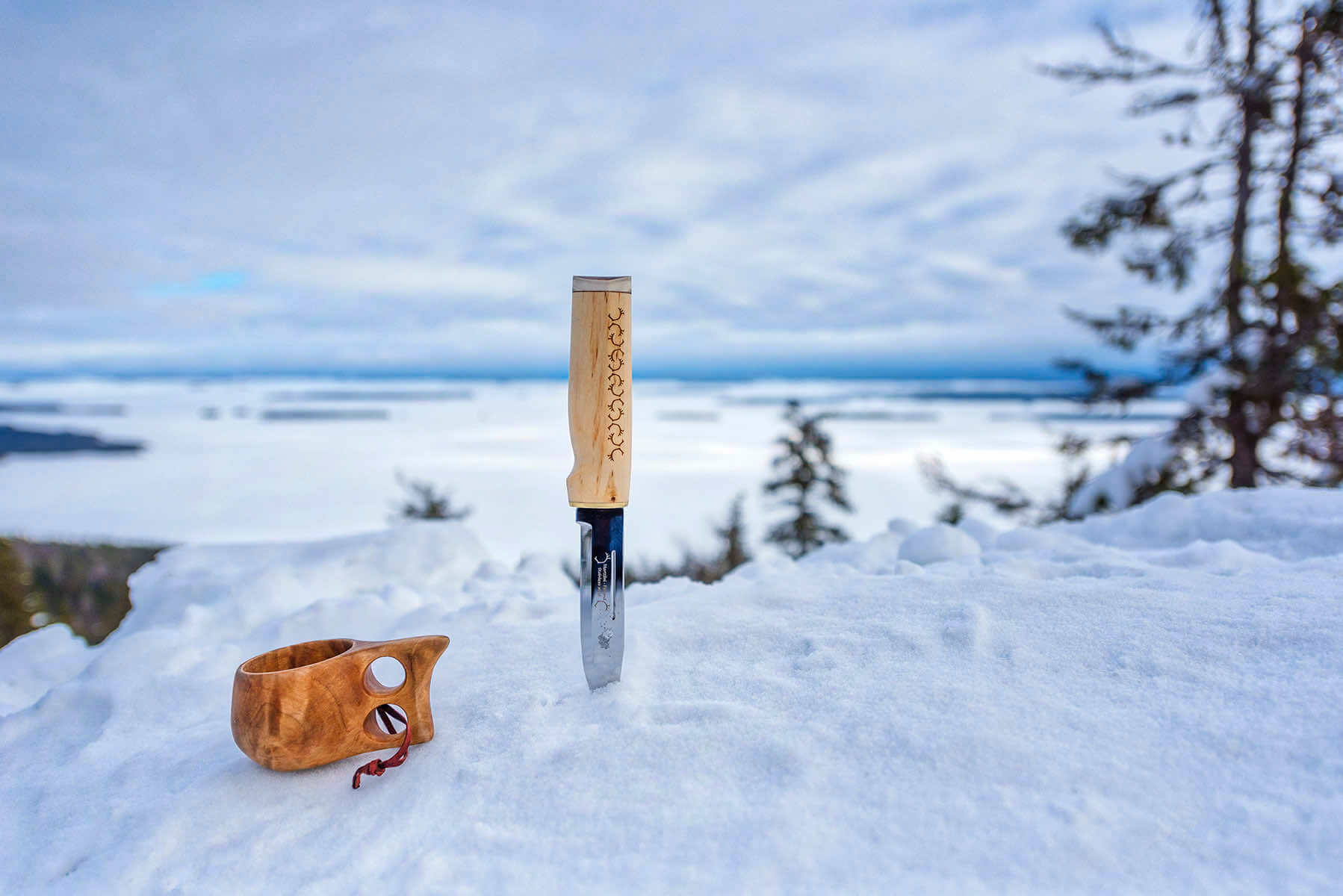
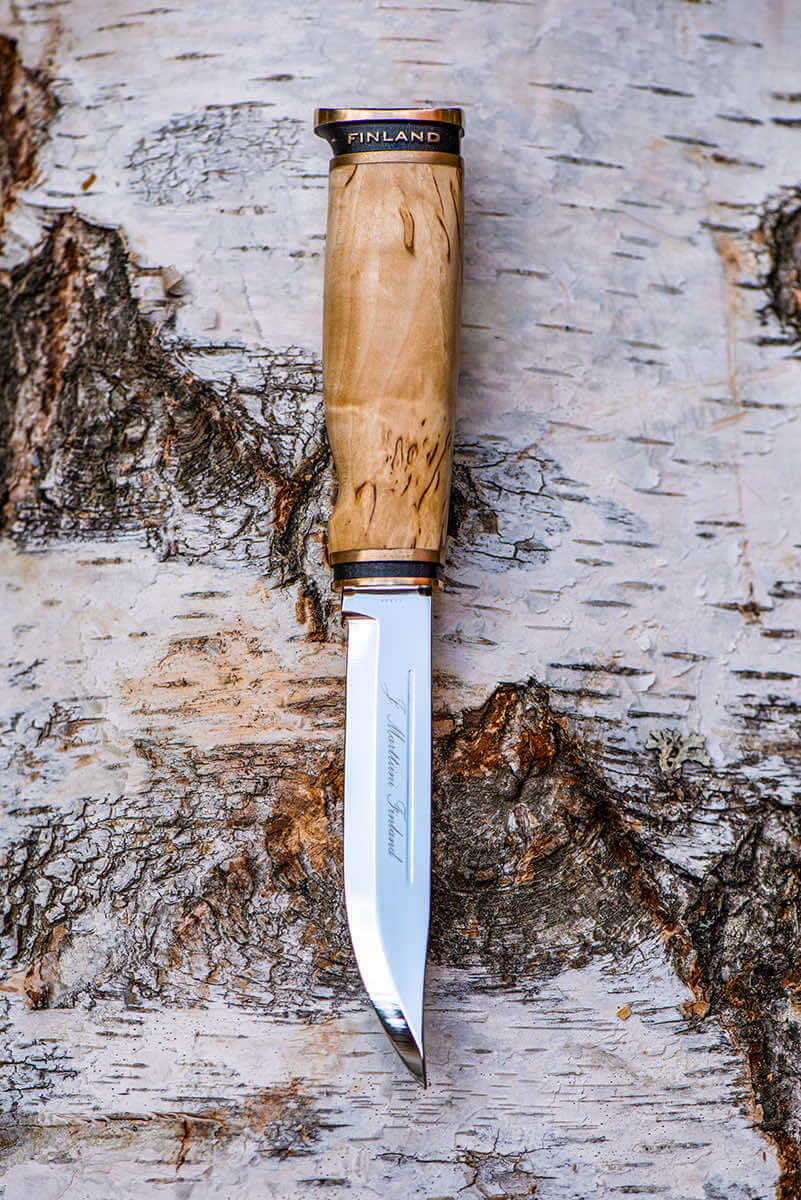
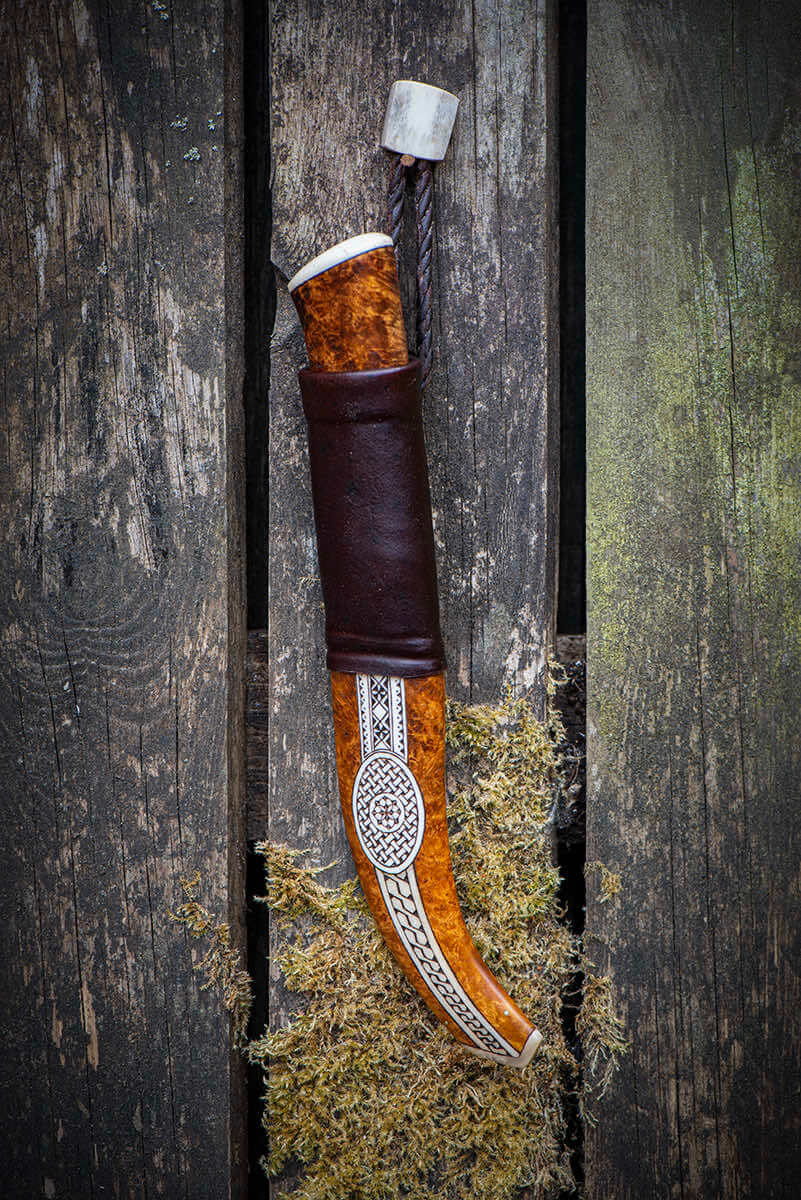
Personally, the puukkos add to this list. The Puukko is the traditional knife of the Nordic countries. It is used for everything: hunting, DIY, cooking... Puukko is the Finnish word for « knife ». It is deeply rooted in Scandinavian countries where the knife is both a tool and an art form. The puukko is always treated with deep respect.


Definition of Scandinavia
Scandinavia is a historical and cultural region of Northern Europe made up of three constitutional monarchies: Denmark, Norway and Sweden.
The term « Scandinavia » is often inappropriately used to refer to all the Nordic countries, i.e. by adding to the previous states Åland, Finland, Iceland, the Faroe Islands and even Greenland.
History of Scandinavia
When one thinks of the history of Scandinavia, one immediately sees Vikings. And, it's no coincidence, these warriors have left their mark on Scandinavian history, but also on neighbouring countries. These great travelers have indeed set foot to Newfoundland! And, invaded Scotland, the Faroe Islands, Ireland, Sicily or Normandy.

Helsinki Central Station
The various exchanges have introduced Christianity on these lands which became a major religion during the reigns of Olaf I and II in Norway, during the reign of Harald I in Denmark. It's the end of the 10th century. Olof Skötkonung is considered the first Christian king of Sweden, later Christianized country. Even though each state has been officially Christianized at different times, there is growing interest in this new religion. It has made it possible to integrate the different groups, such as the Vikings, into one group.
Many books have been written on the history of the Scandinavian regionIt is therefore impossible to cover everything in one article. After the last glacial period, reindeer grazed on flat land in Denmark and southern Sweden. Seminomadic groups existed in Scandinavia, surviving through fishing, hunting and gathering. The Bronze Age has brought more international trade.
Most of the region existed on the outskirts of the Roman Empire. Scandinavia is barely mentioned by the Roman authors. However, we know from archaeological findings that exchanges have taken place. When the Roman Empire began to collapse, the gold flowed into Scandinavia. There are many excellent gold castings from this period that survive to this day. However, gold is rapidly scarce and is replaced for many uses by gold bronze.
The three countries use the Nordic cross
There is something unique in the flags of Scandinavian countries, the northern cross. It is the main symbol of the Greater North. In fact, all Nordic countries, except Greenland, have a cross on their flag. The northern cross was first used on banners during the war as a symbol of Christianity. According to Scandinavian historical facts, The Kalmar Union between Denmark, Sweden and Norway, the kingdom adopted a yellow flag with a red cross. In many wars, troops used to raise the flag as a symbol of unity. But since each country gained independence, different flags have been set up, while maintaining the cross.
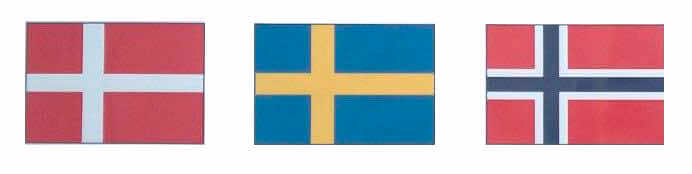

- The flag of Denmark consists of a white cross and a red body, which the country adopted in 1854.
- The Swedish flag, on the other hand, had a blue body with a yellow or golden cross, and the country adopted it in 1906.
- Finally, the Norwegian flag consists of a blue cross bordered with white and a red body. They were formally adopted in 1899 after the resolution of the Norway-Sweden Union.
Cities of Scandinavia
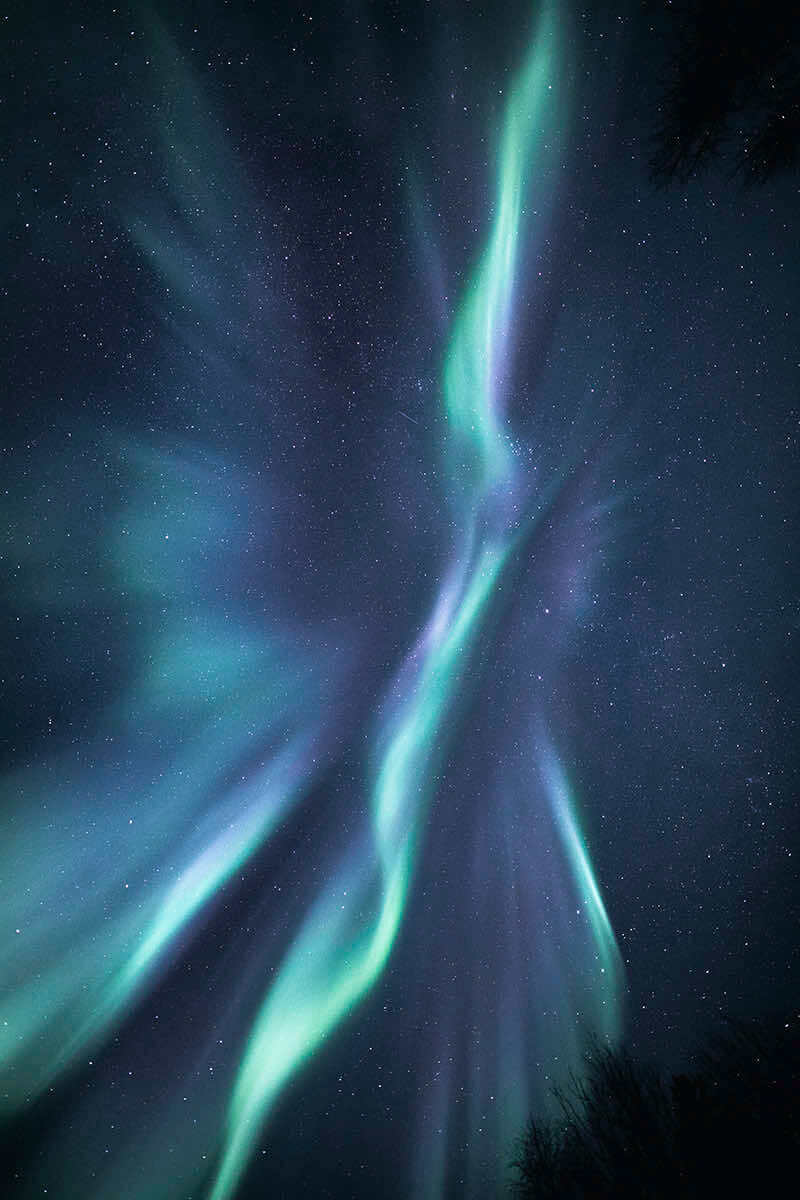
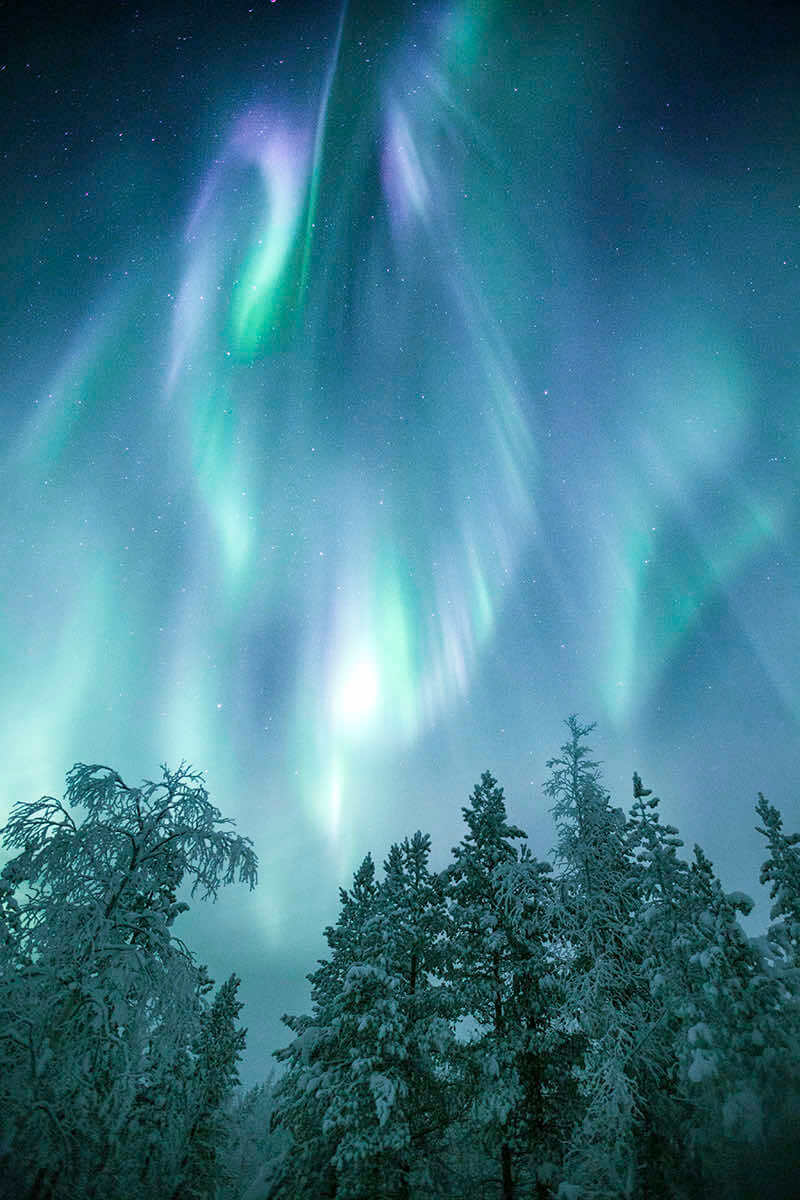
Cities are probably not the first thing to come to mind when you think about the region. Fjords, lakes, northern lights and forest huts tend to dominate. But Scandinavian cities are worth exploring. Many urban areas are known for their unique architecture, green spaces, efficient public transport and sustainability.

Copenhagen
However, none of the cities is particularly large on a global scale. Indeed, many visitors from other parts of the world are shocked by the compactness of urban areas. After the three capitals, the largest cities in the region are Gothenburg, Malmö, Aarhus, Bergen, Stavanger, Odense and Trondheim.
The contemporary era
Peace, however, remains very fragile. As evidence, the Scandinavian territory will have to become involved in the first global conflict, although officially it is neutral. The war has a very negative influence on the economy of the Scandinavian countries. To mitigate these effects, they are finalizing an agreement with Great Britain. By protecting themselves, they avoid disappointment and become a powerful territory that will see major innovations. Social protection, for example, was introduced in the first half of the twentieth century.

View of Stockholm
But the northern territories will still face a global conflict. The Germans need the natural resources present in Norway (such as iron). Denmark must then be used as an access route. On 9 April 1940, both countries were invaded by German armies. The Norwegians struggle, the Danes surrender easily. Only Sweden was not invaded. It is true that it allows German armies to transit on their lands.
The post-war era marks a new alliance between the three Scandinavian countries. They establish a common defence union. But the cold war, which is now going on, scares these territories. When they learn that they will not be able to have additional weapons from the North Atlantic countries, they will form a common bloc and join the European Economic Community. Sweden has been a member of the European Union since 1995, Denmark since 1973. Only Norway remains outside the European Union, even if it participates in certain decisions.
The history of Scandinavia has profoundly marked the territory. If you discover these northern countries for the first time, you can see it. For example, visit Bergen in Norwegian fjords and immerse yourself in unique medieval alleyways. Discover the prehistoric megaliths of Ale (Sweden) with its amazing 59 menhirs. Follow the Vikings with a tour through Trelleborg, Jönköping or Årsunda.
Scandinavia has a very long history. If you want to go into the matter, I advise you the WikiWorld page.
Doing business with Nordic culture
When it comes to doing business with Scandinavian culture as a non-Scandinavian, the traps are generally the same.
Hierarchy: It is relatively low in Scandinavian countries. This means that the boss does not act in a very hierarchical manner, but rather is perceived as a colleague with a different function: there is a relatively high degree of delegation in the organization.
Loyalty: all Nordic countries of culture are individualistic. This means that their loyalty rests on themselves rather than on the group to which they belong. For non-Scandinavians, it is often confusing, because they see these countries as very social in which people care for one another in society. But it is because of their low score on the orientation towards the goals.
Target orientation: It is a brand common to all Scandinavian countries of culture. They are more process-oriented than objective-oriented. This means that there is a lot of consensus-building among stakeholders. Decisions are often meant to guide things in a certain direction and often are not even definitive.
Scandinavia is a region with a strong cultural diversity in all three countries; Denmark, Norway and Sweden.
The Scandinavians understand each other!
Like the three countries of Scandinavia, there are also Scandinavian languages, which the inhabitants of the region can use and understand each other. Languages include Danish, Norwegian and Swedish. Beyond the three languages, English is vital in Scandinavian life. Although local languages are closely linked, formal meetings use English as a means of communication. English is becoming popular, as students in Scandinavia have learned the language at an early age.


Discover some fun traditions:
If you like Nordic culture, you will enjoy learning some of the fun traditions of the northern part of Europe. The Scandinavian countries are all doing a little something different about traditions. Here are some of the traditions you can expect in Scandinavian countries. The majority of them are specific to Sweden, but many of them can also be found in other regions.
The season dictates holidays
In Scandinavian countries, it is common to have sun all day at certain times of the year. For example, in Sweden, you can expect to see the sun during most of the summer, at the point where you can see the midnight sun, which is a real treat to see. Many traditions are rooted in the seasons because of how they can set the tone. Many older customs are now part of the Scandinavian heritage because of their location during the season. For example, summer is celebrated because of the long dark winters.
International influences
On the other hand, customs are also influenced by other countries. Immigrants have brought new customs to Swedish culture. For example, Halloween began to be celebrated only in the 1990s when Ramadan is celebrated by Muslims living in Sweden. Due to commercial pressures, the Swedish calendar has undergone some changes to add Valentine's Day and other more Western festivals such as Halloween.
Fun holidays
In Sweden, many traditional festivals are celebrated. For example, there is Midsummer to celebrate the beginning of summer — We mentioned that Sweden was celebrating intensely the summer. Then there is Walpurgis, which is May 1, otherwise known as the First May. The Saint Martin is the Swedish equivalent of Mardi Gras, then there is the Toussaint, which takes place in the winter, where people honour the saints. People will light candles and visit tombs in Sweden to honor those who have died. These festivals are traditions of Scandinavian culture and for many of them, you can offer a loved one a special gift to celebrate heritage.
How to visit
Scandinavia?
Scandinavian cruise
An ideal solution for many people who don't like to plan or simply prefer that everything be taken care of. Several large cruise companies like Hurtigruten offer itineraries in Scandinavia calling in many popular ports in one, two or three countries.
Road trip:
My favorite! You can easily see one, two or three nations by car. No ferry is necessary thanks to the bridge of the Öresund which links Sweden to Denmark. Having a car is a great way to see Norwegian fjords or explore the Swedish lake region.
However, keep in mind that distances are long and speed limits can be slow. Add to that you could stay stuck behind a truck on a single-track road, which would significantly delay your trip. So when planning a road trip in Scandinavia, plan a lot of buffer time!
Hiking:
Norway is a world hotspot for hiking. National organization DNT maintains fantastic infrastructure across the country, from hiking trails to cottages with or without staff. Even though a multi-day trip isn't your thing, almost every big Norwegian city has a forest with hiking trails or coastal trails nearby.
Cycling:
For the most active, long-distance cycling is gaining popularity in the region. Denmark's flat terrain is particularly well suited for a two-wheeled excursion. However, most Scandinavian cities have good cycling infrastructure and bikes are relatively easy to rent. Contact the local tourism office for Learn more before your visit.
Travel tips in Scandinavia
The main concern of many travellers planning a trip to northern Europe is the cost. This is quite understandable, given that the region is one of the most expensive to visit in the world. But, with some planning in advance, considerable savings can be made.
The best advice I can give you is to book your trip and accommodation as soon as possible. Last minute deals are rare in Scandinavia, and almost impossible to find in the high season. But when you book your plane tickets at least three months in advance, you cut your transportation budget.
If you travel outside the summer season, dress up accordingly! Time can change very quickly, especially in coastal and mountainous areas. Whatever time of year you visit, bring waterproof clothing and windproof.
This may surprise a lot of you, but sunscreen is also a good idea. In summer, the sun will be in the sky for much more hours than usual! But even in winter, the sun's rays are reflected on the snow. Yes, it is possible to catch a sunburn when it is less than zero. Believe me, I went!
It is important to understand that the main attraction in much of Scandinavia is the landscape. This is not the kind of place where you come and rush between attractions.
So, take a slower pace and schedule downtime. You can discover the best of Scandinavia, like a Scandinavian!
In Scandinavia, adopt a slower pace!
The puukko is a tool, not a weapon.

Good addresses for puukkos
During your trip, you will probably come close to the manufacturers of puukkos. Follow this link to note some addresses.

Conclusion:
There is still much to say about Scandinavia. I didn't talk about saunas, Vikings, Scandinavian design... These topics may be the subject of future articles. If you plan to take a few days in these remote areas, I encourage you to discover the article: Plan a trip to Lapland, as well as my various trips north of the Arctic Circle on: naturephotography.com
Thank you for browsing this article and do not hesitate to share it if you think it may interest your community. Do not miss the following, subscribe to the newsletter (it's just below).
Warm regards,

Photo credits: Philippe Sainte-Laudy (naturephotography.com) & Unsplash.