


What is a good puukko ?
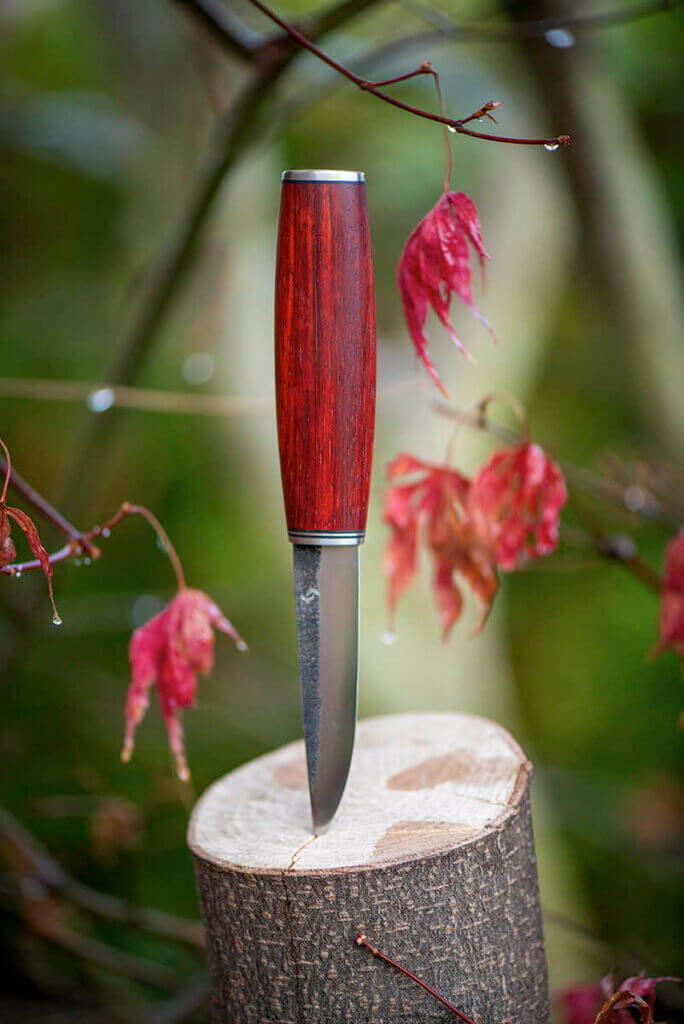
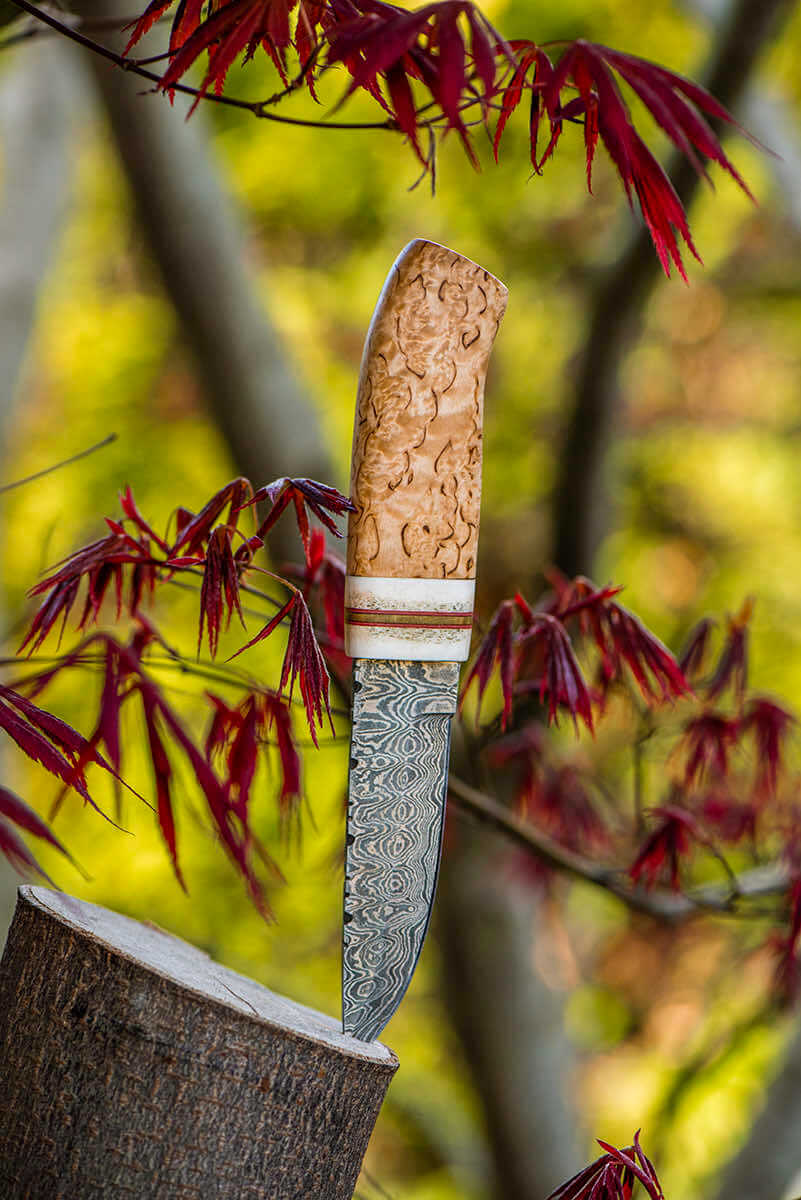
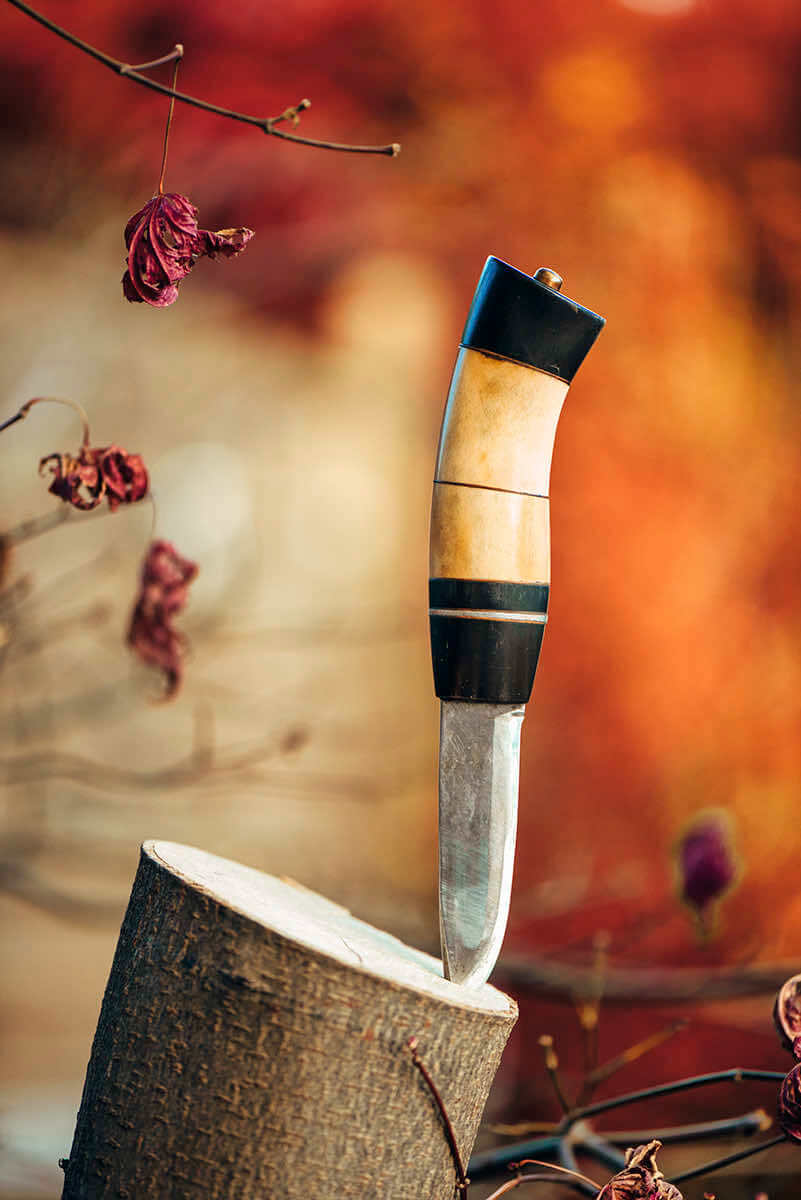
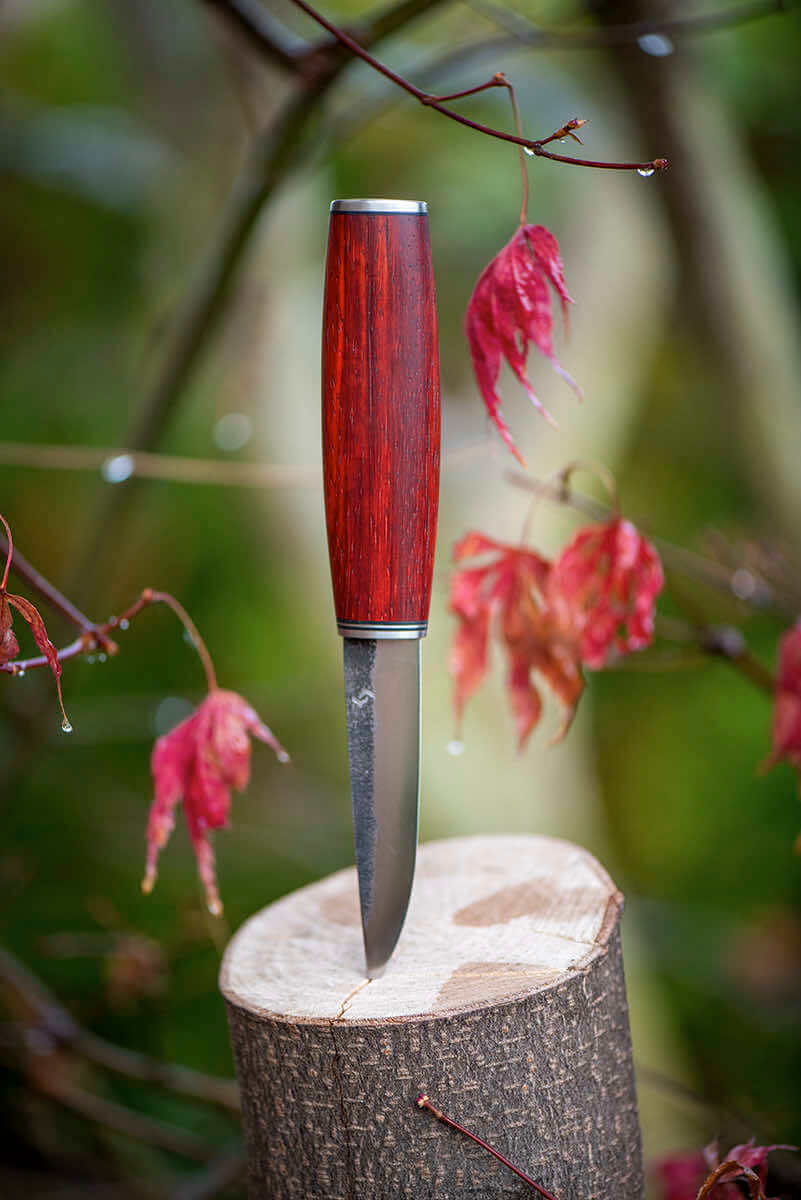
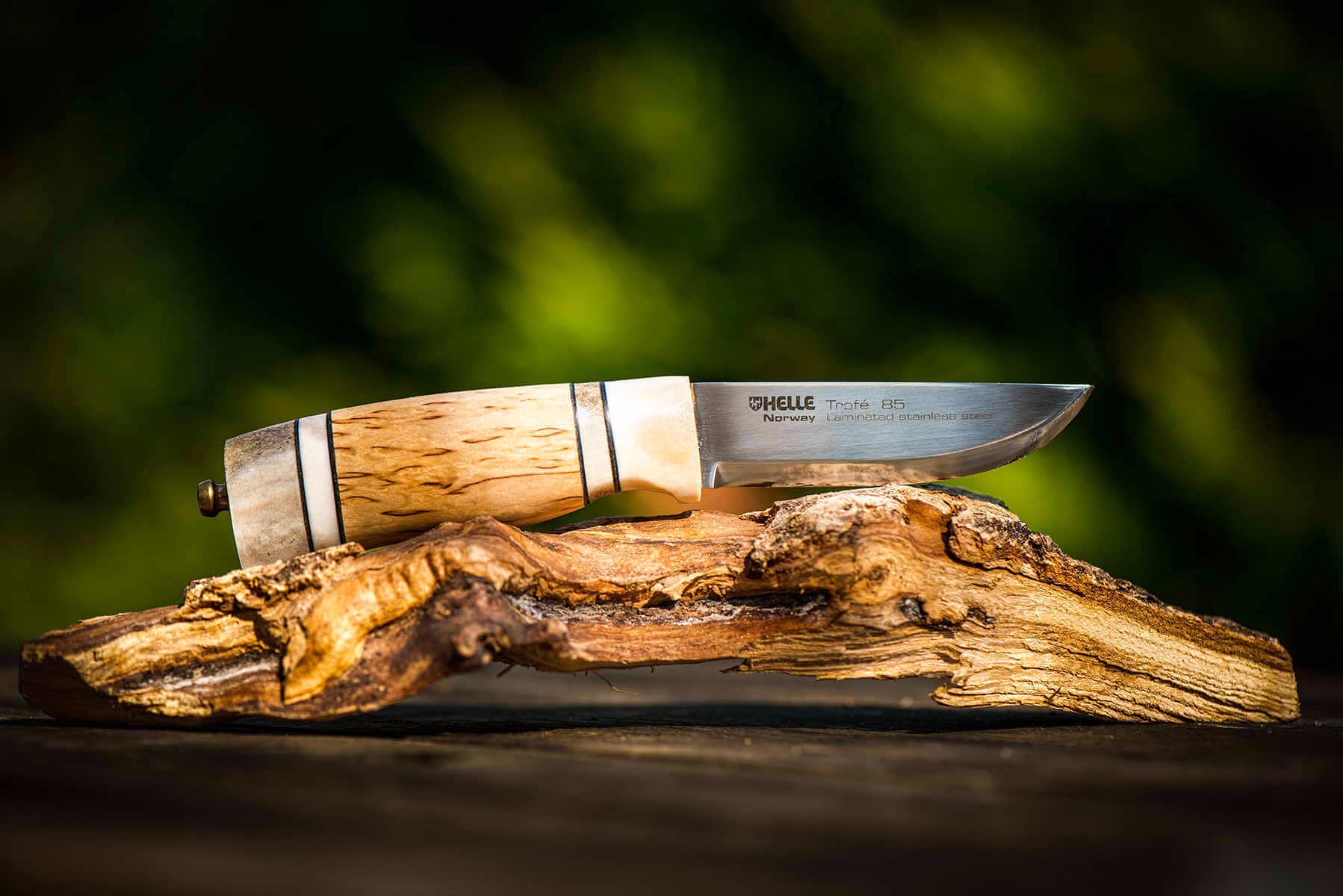
Puukko is the Finnish word for « knife ». He is an old friend of any hiker, hunter or fisherman. You cannot have a more personal tool, which makes it difficult to find the right one puukko. Puukkos are above all solid work knives. They are of basic construction, consisting of a steel blade with a high content of carbon coupled to one handle usually of natural material.

It's awfully difficult to find his puukko Hey!
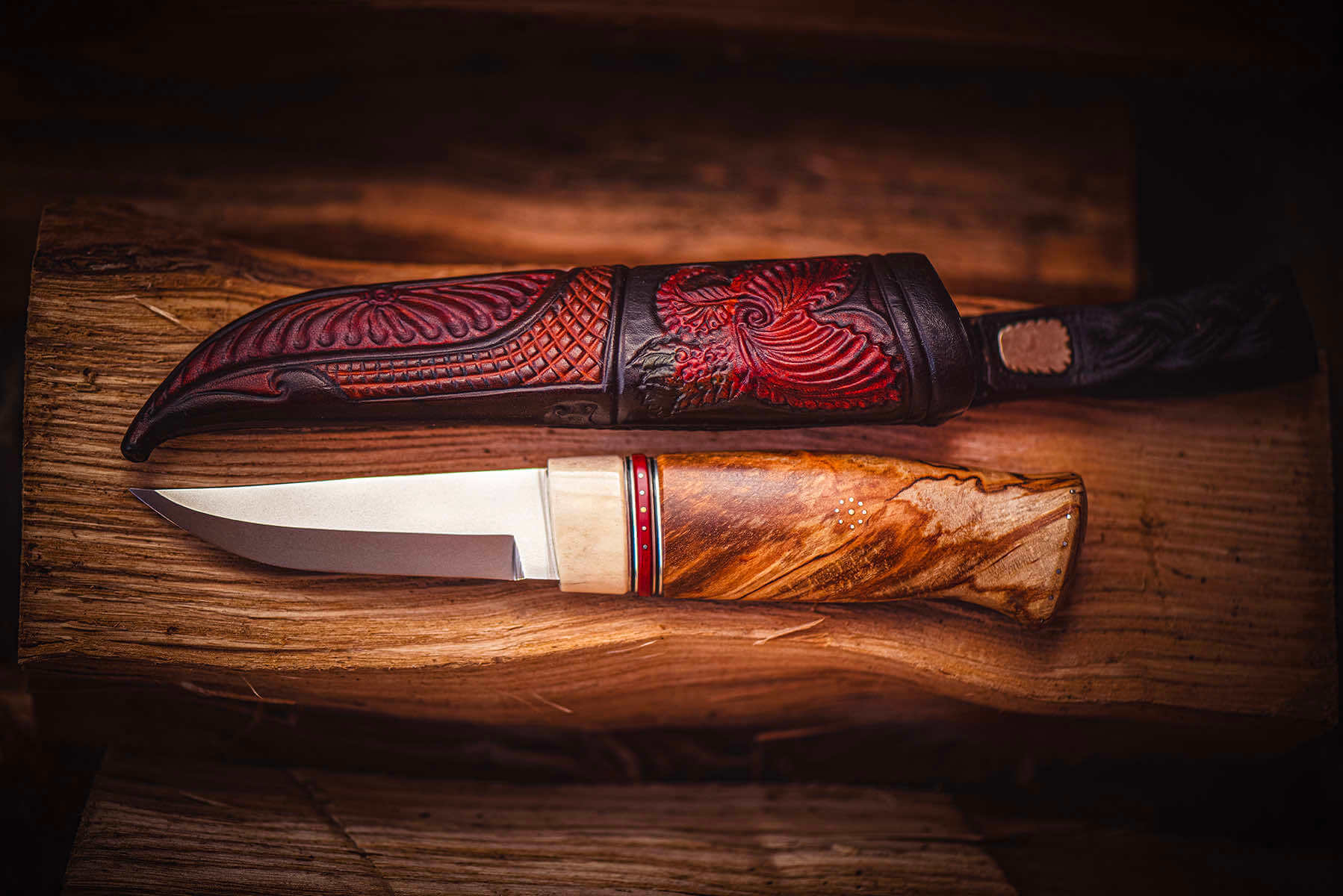
Ordering it to a Sami craftsman is probably the best solution. It's also the advantage of having a unique copy! Obviously, it will cost you a few hundred euros, see a few thousand for the most worked copies. But the pleasure will be at the meeting.
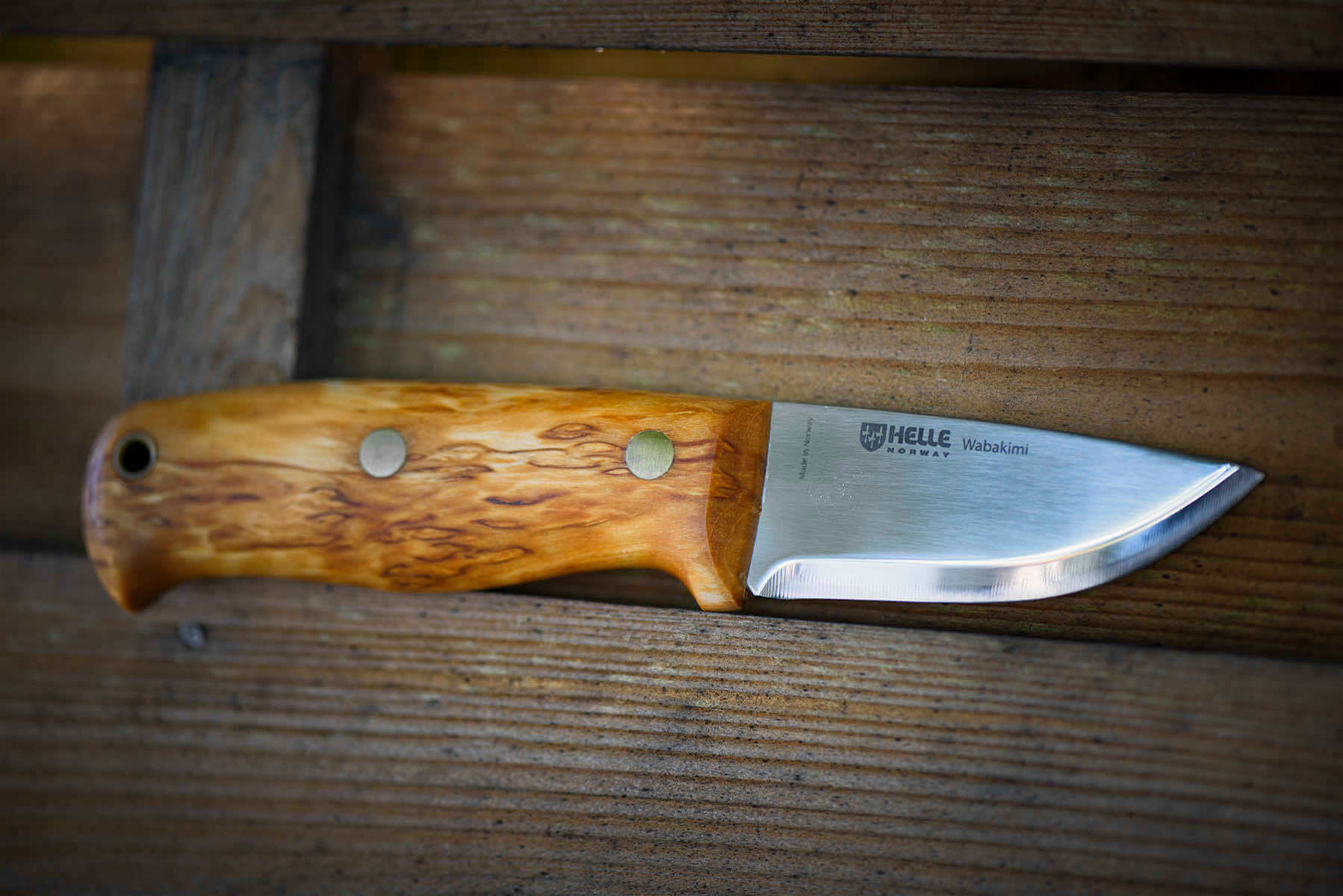
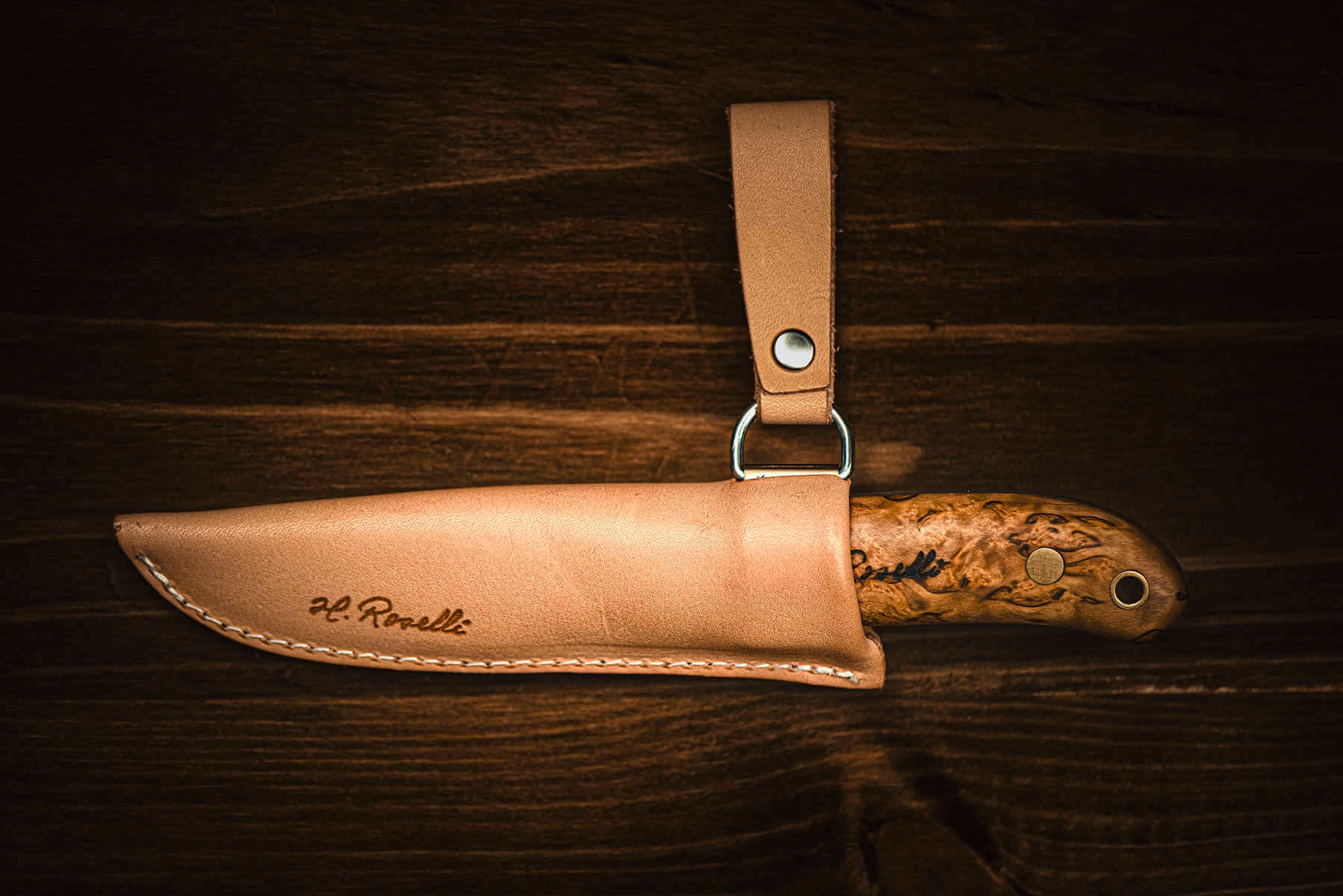
The important thing is to feel it in the hand. The shape and quality of the handle are crucial. Let the blade be of the right length (8 to 12 cm). Personally, I like a length of 9 or 10 cm. A blade stainless steel or carbon But sharp like a razor. And, perhaps most important for me, its aesthetic, possibly its history and/or that of the craftsman. Not to mention sheath, which must be in good quality leather. So many criteria to find the soul mate. But I assure you, we can own several puukkos!
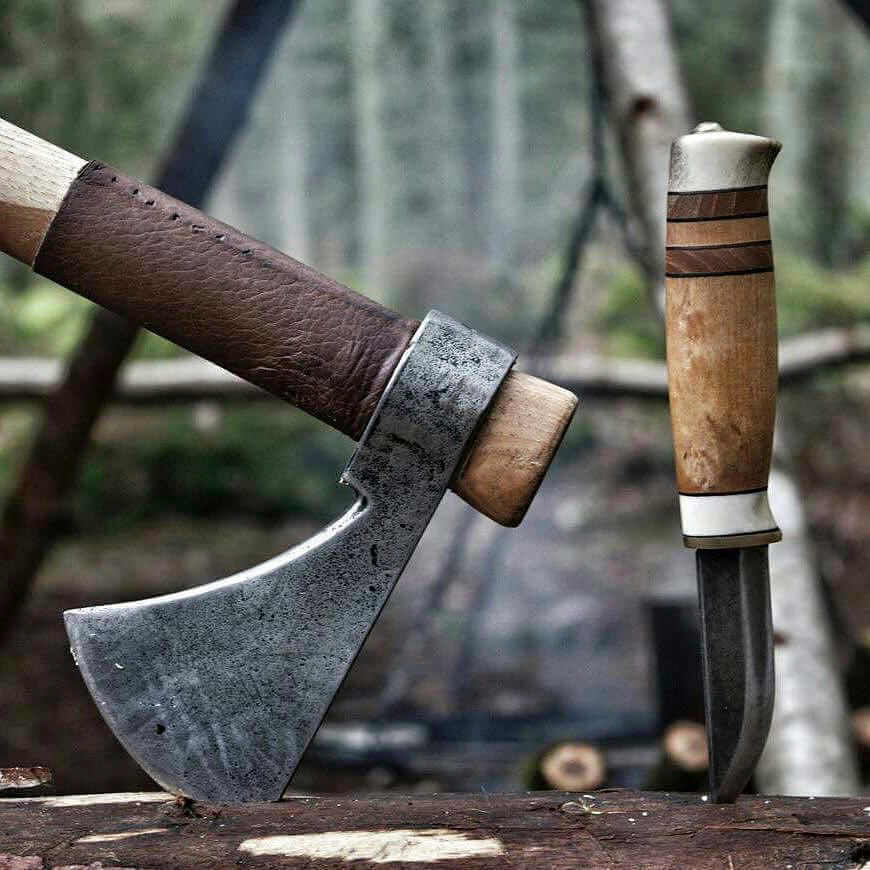
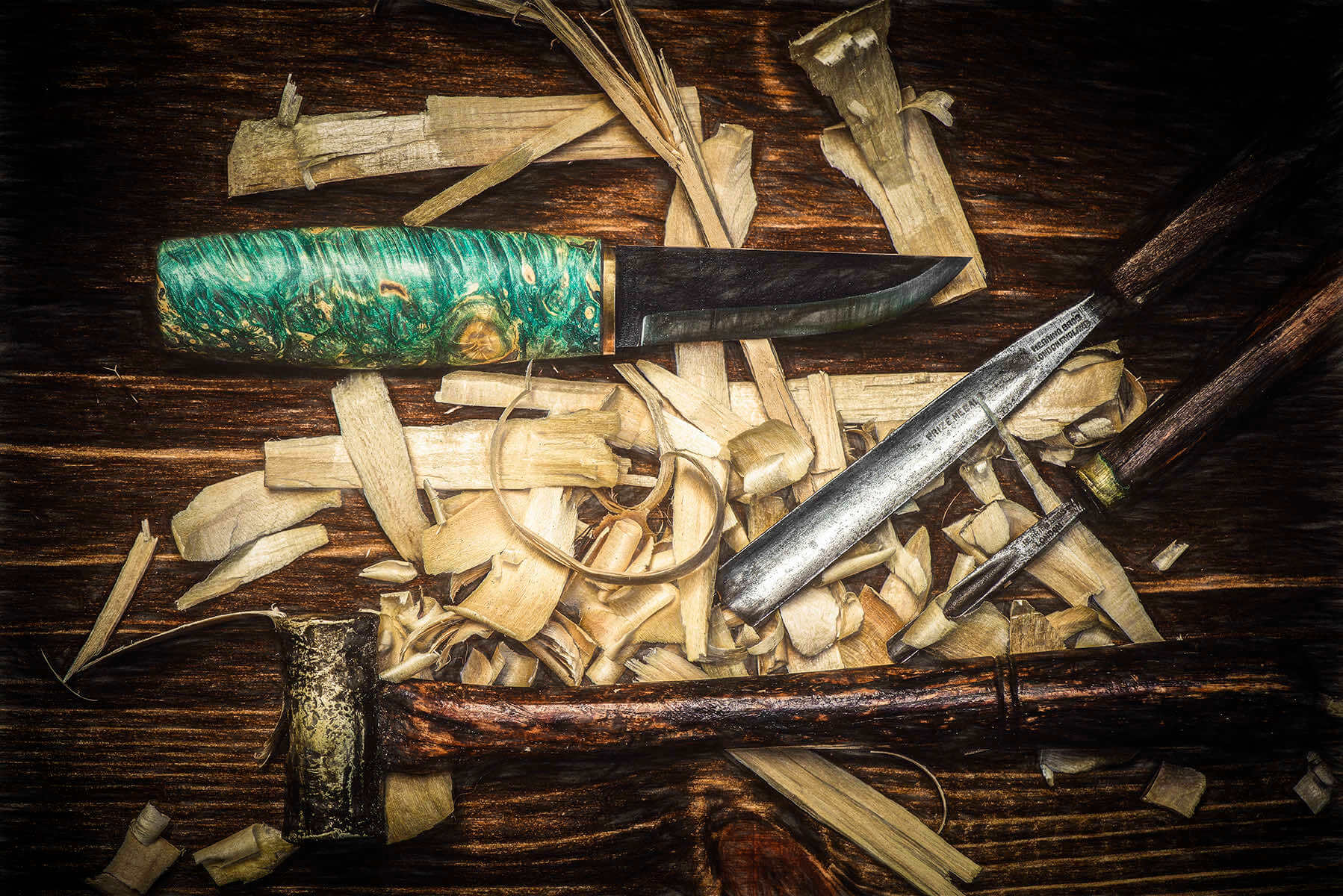
The main uses are: sculpture on wood and food preparation, as well as most of everything that requires a cutting tool. Apart from Nordic culture, the puukkos have gained a solid reputation as robust knives designed for serious work. It is easy to understand why these knives are appreciated by outdoor enthusiasts. If you spend time camping or hiking, or just need a good, solid fixed blade that resists intensive use and requires little maintenance, think about puukko elegant and slender.


A simple knife of an epic meaning
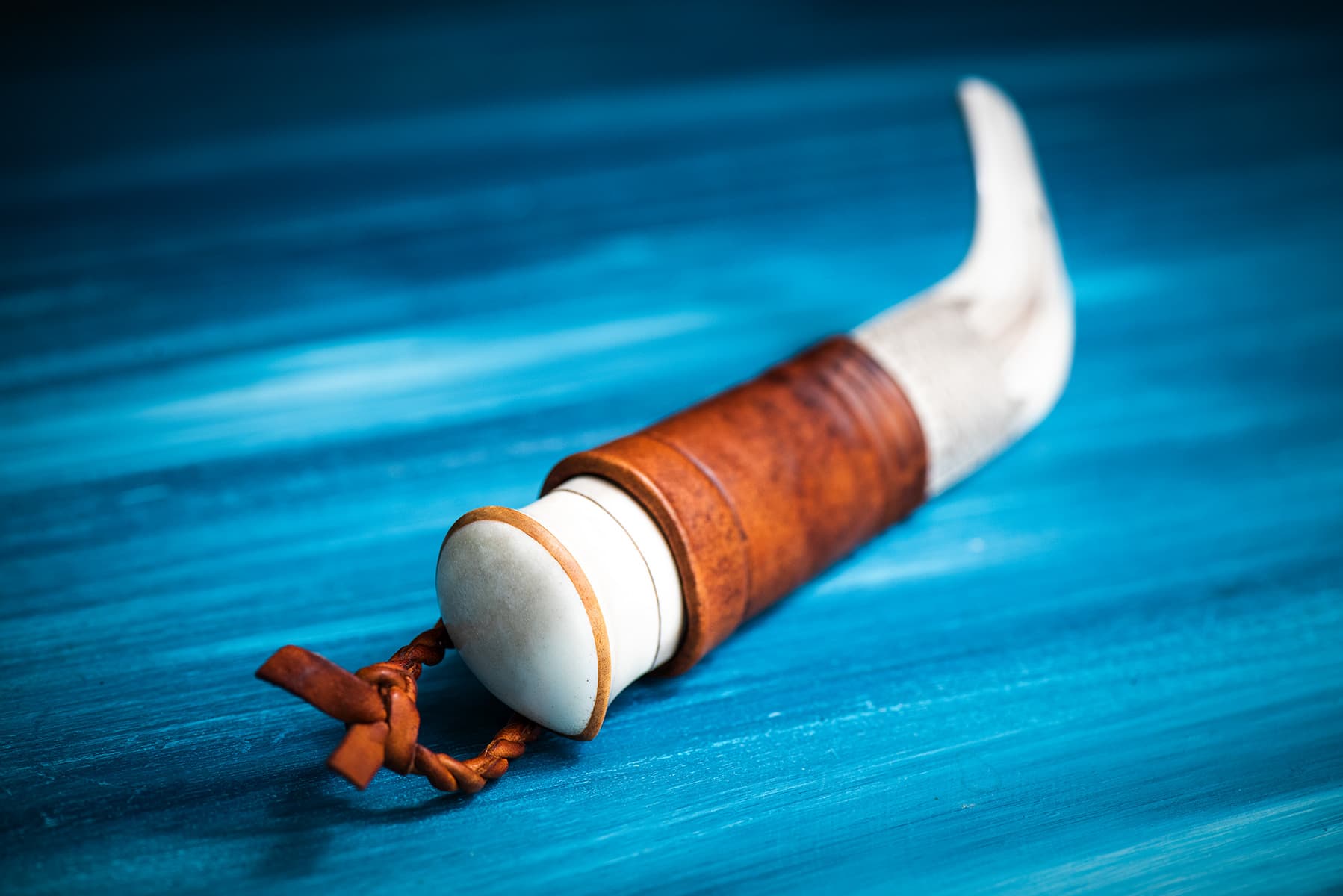
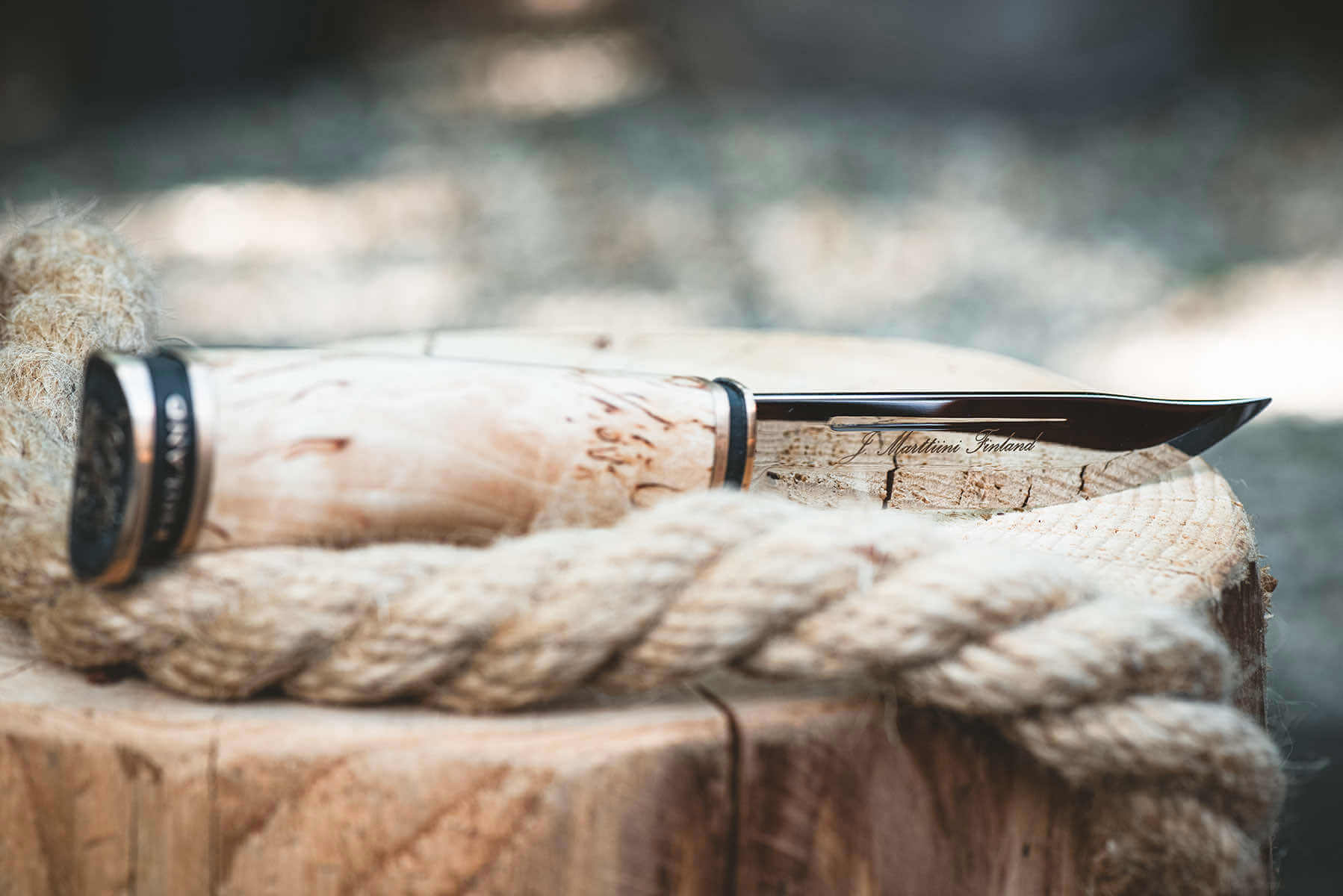
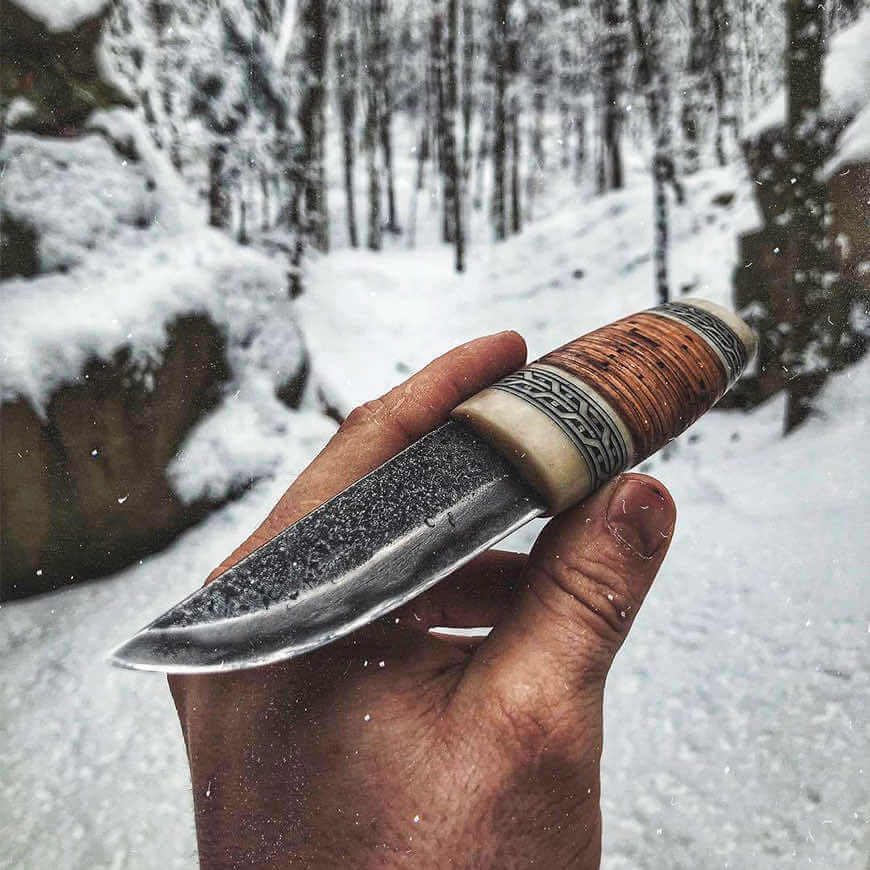
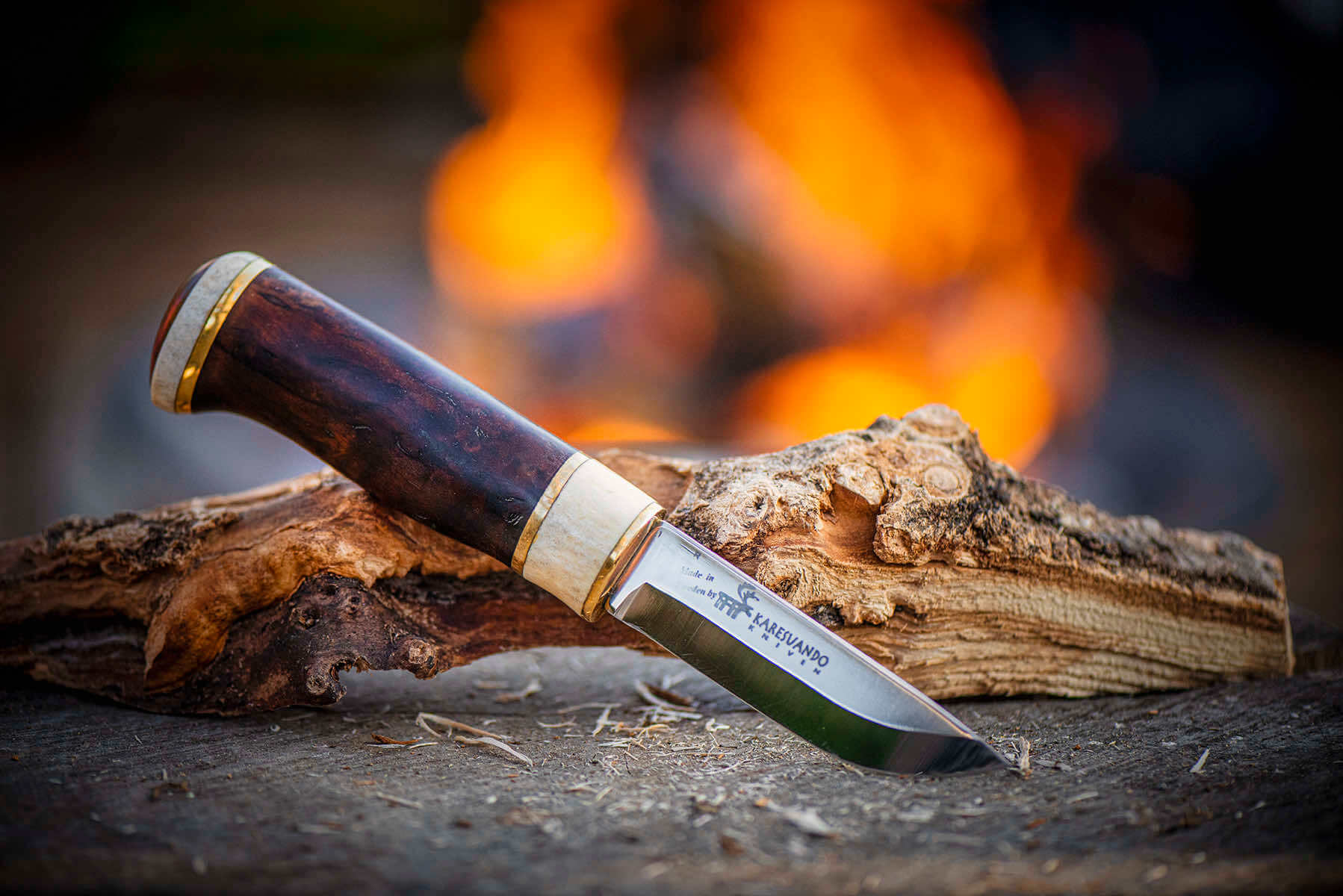
The knife puukko a/ handle solid and round in elegant birch wood or reindeer wood with a short blade with one edge. It has been a fundamental tool for life in the Arctic for thousands of years. Today is even more than that. — It is a symbol of Finnish pride. The historical evidence of this everyday knife used by the Sami goes back to Viking times. Even if it is now classified as a dangerous weapon, the puukko retained its legendary status in modern times.
Nowadays, wearing the knife in public is prohibited, unless it is for work. Nevertheless, the leather sheath is an important detail displayed on the belt of each traditional Sami outfit. The knife is a source of pride, as it reflects the hard life within the Arctic polar circle and also the unique legacy of the Sami people. Developed and decorated versions of this age-old tool are offered as a gift by the Sami to commemorate extraordinary achievements. All over the world, collectors hunt the finest specimens.


An indispensable part of the Finnish Arctic experience
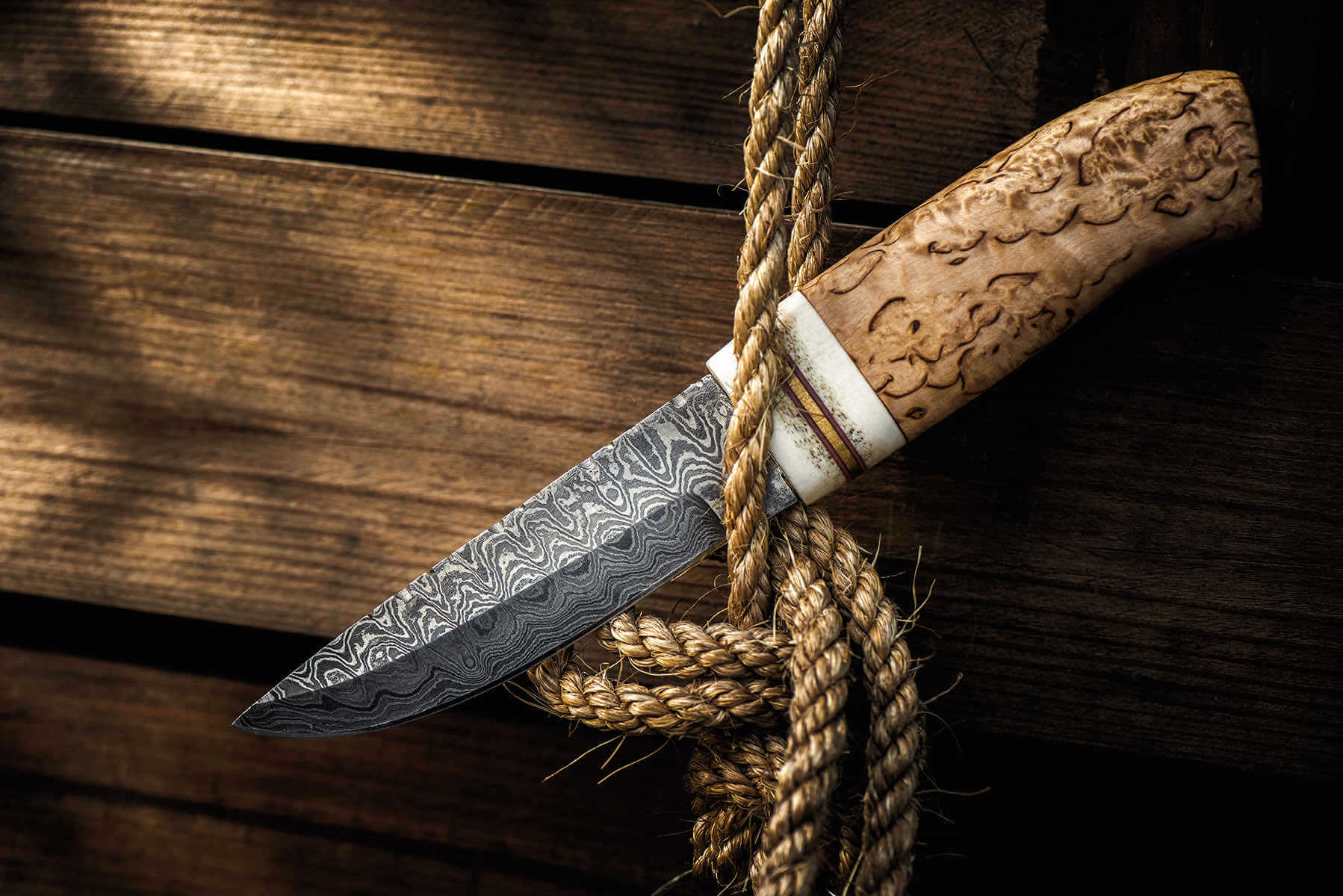
The handle a knife puukko Never more than ten centimetres long. It is simple, without any guard or protection to prevent the hand from slipping. The blade of the knife is even shorter, straight but usually curved. The right back of the blade is also symbolic of simple life, but hard in the wild nature of the Finnish Arctic experience. The blade itself owes its distinctive appearance to the particular way in which it is created, using what is called the Scandinavian wheel — a flat, double-sided wheel with no secondary bevel, with a grinding angle of 17 to 19 degrees. This blade allows the user to gently remove the skin from the flesh.

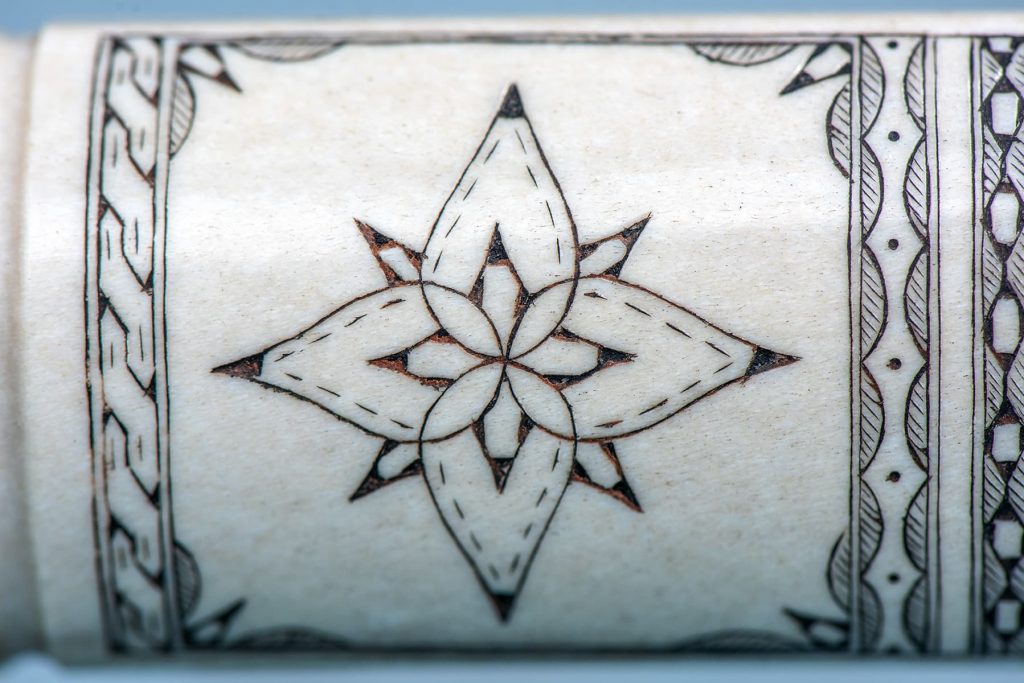
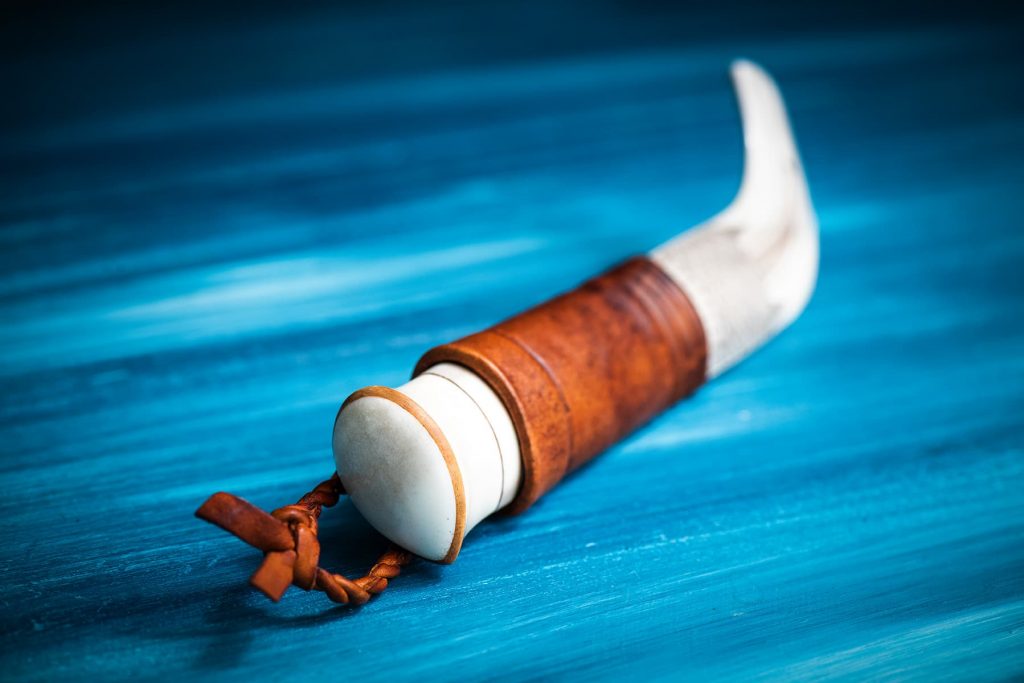
The Sami manufacture their own hand tools, sculpting the handles their knives in reindeer wood. This traditional raw material, used here in the extreme north of Scandinavia for centuries, was an integral part of Sami life. However, since the late 1960s, only a few have mastered the art of working reindeer wood. But, if you're looking for a knife puukko extremely decorated, you will almost certainly find a place to buy a beautiful collectible. If you do, you will be the owner of a rich part of Finnish history. Small by its size, but powerful by its cultural significance.

History of puukko
Sur la route en Finlande, nous venons de faire une halte au bord d’un lac gelé. Ici, nous rencontrons Petri, un Sami, qui sort une truite du trou creusé dans la glace. Habilement, il écorche le poisson avec son couteau. Nous avons toujours fait cela avec cet outil simple. Mes ancêtres utilisaient le puukko pour la chasse, la pêche, la préparation de la nourriture. Mais également pour survivre à l’extérieur dans la neige et la glace. Sa voix résonne de fierté. Petri est la quatrième génération à être éleveur de rennes. Il n’est jamais sans son puukko lorsqu’il sort dans les vastes forêts.



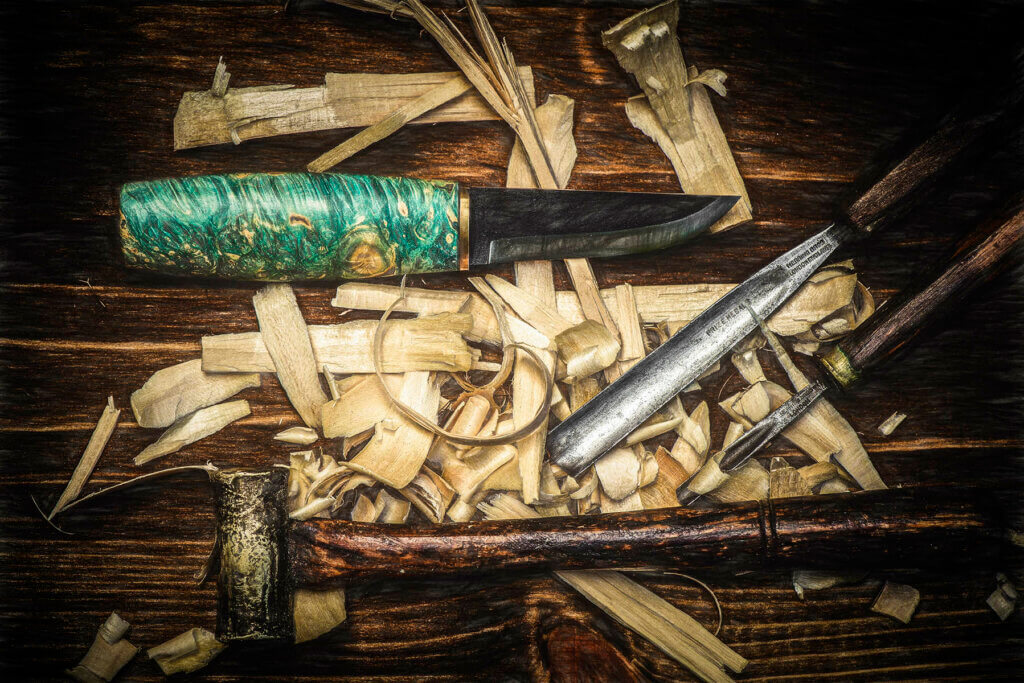

Making sound puukko Hey!
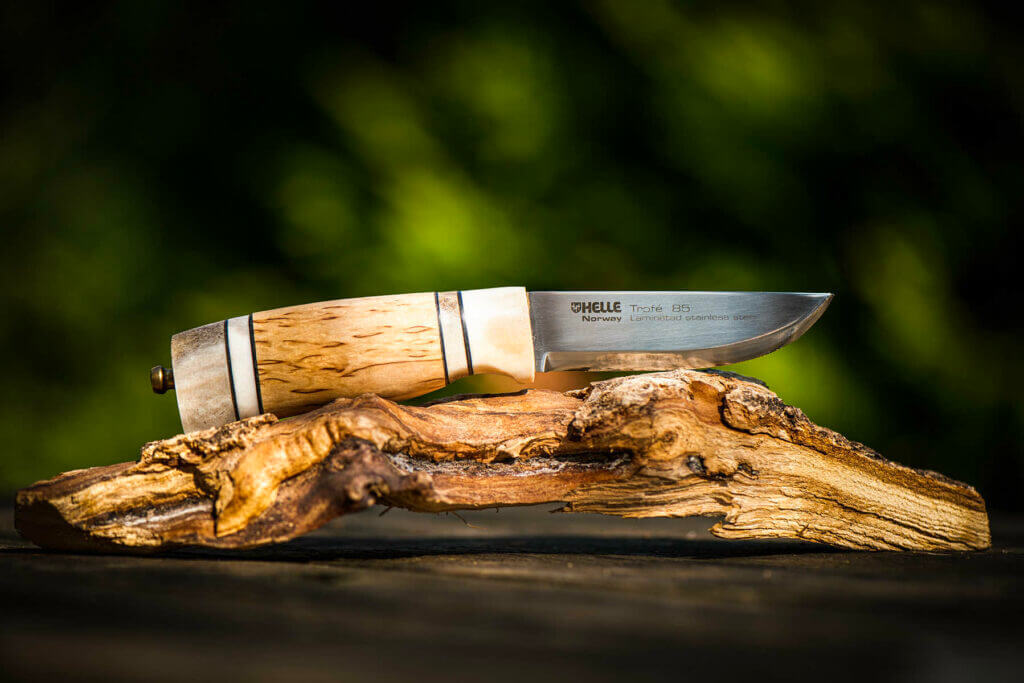
In this video, I make a knife puukko and one sheath From scratch. The blade is made of steel carbon 80CrV2. Before soaking, I normalized steel with three gas forging cycles. I used heated rapeseed oil for soaking. Then I soaked the blade at 200 degrees Celsius for two hours. This heat treatment should give a hardness of about 60 HRC. The handle of this puukko is made of curly birch, birch bark, ebony and a bronze mitre. The wood part of the sheath is in curly birch and walnut.
BEGINNER'S GUIDE
HOW CHOOSE YOUR FIRST PUUKKO
Are you ready for a Quiz on the puukko ?
Already 247 attempts
Conclusion:
To the question: What is a good puukko ? I'll say: The one I don't have yet.
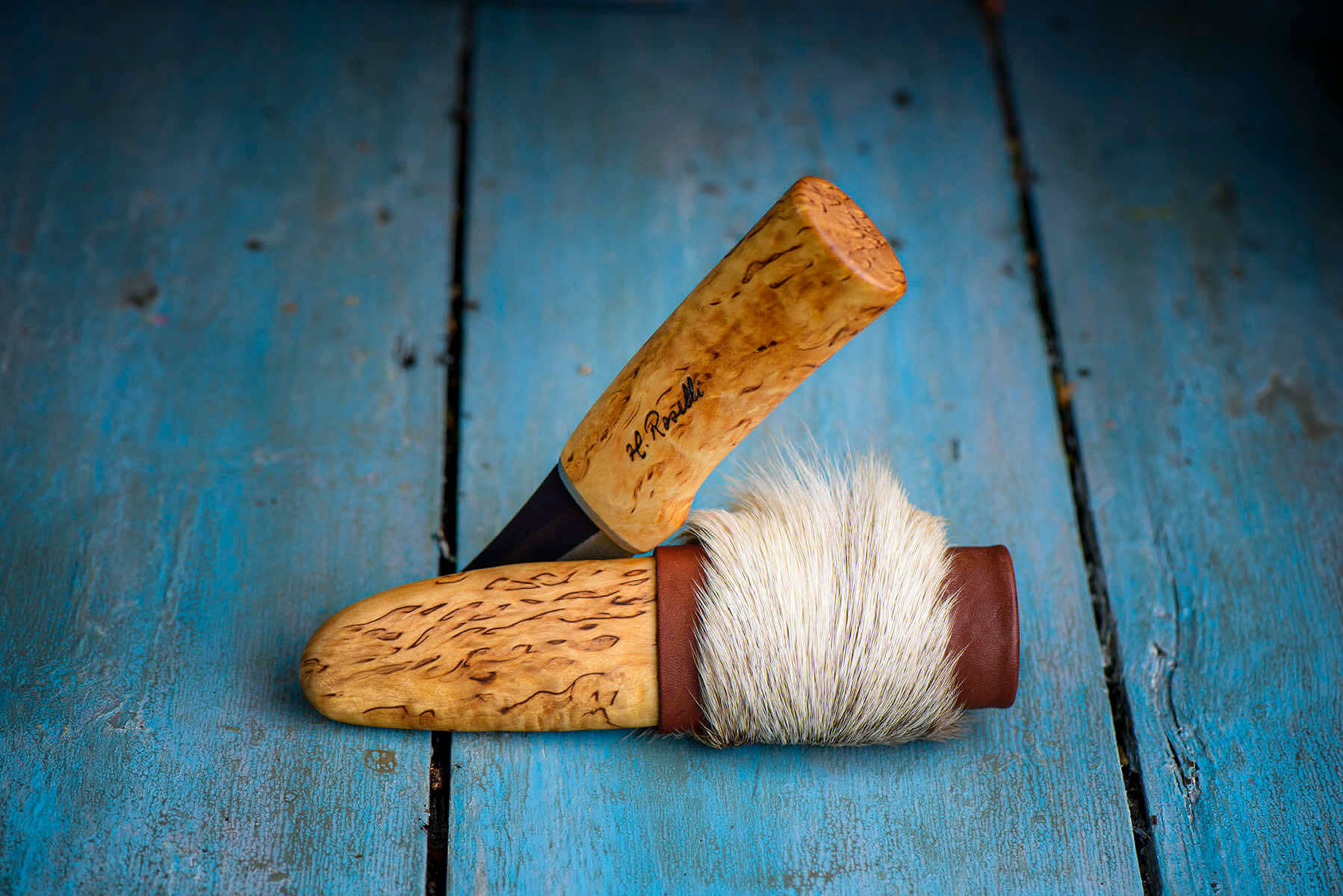
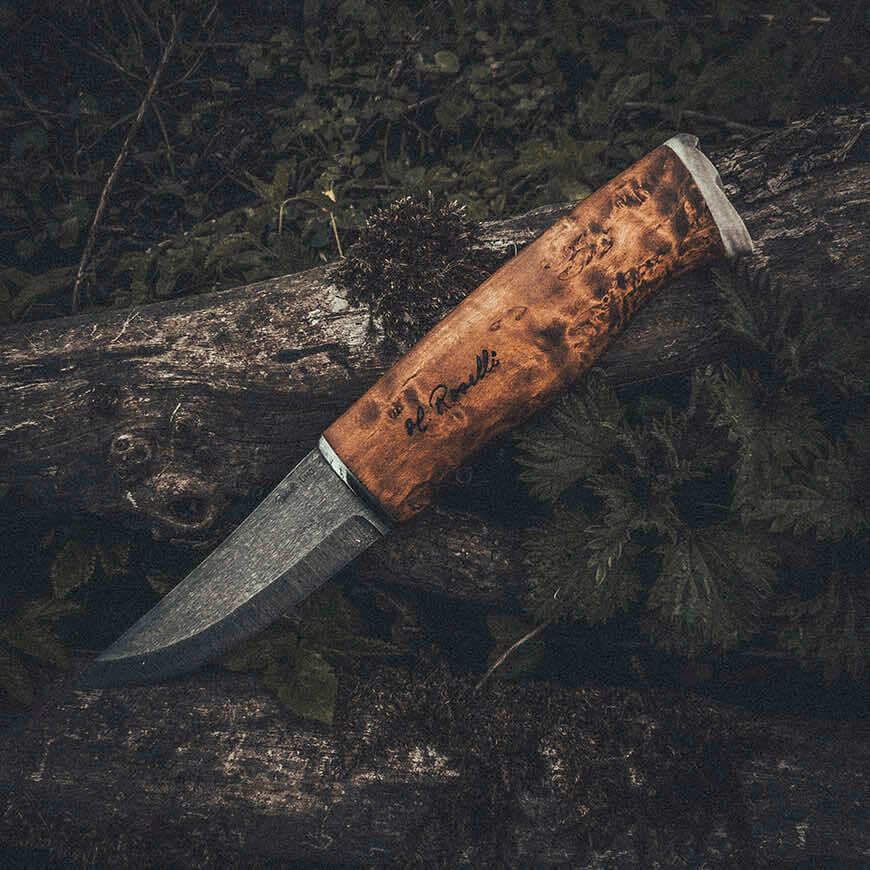
It is extremely difficult to find its puukko Hey! The one that combines aesthetics, efficiency and control. Whoever seems to have waited for you all his life. Moreover, I believe that despite my collection, although well provided, I have not yet puukko perfect that I would take if I had to choose That's one! I wish I never knew this situation. Don't miss the one who should have found his place here: Nikkarinpuuko from Roselli.
Thank you for reading this article. Before you go, discover Ernest Delannoy, French cutlery blacksmith specialized in the manufacture of puukkos.




Hello excellent site on this beautiful object that is the puukko... .But how is the handle Traditional puukko Sami?
Thanks again...