Puukko

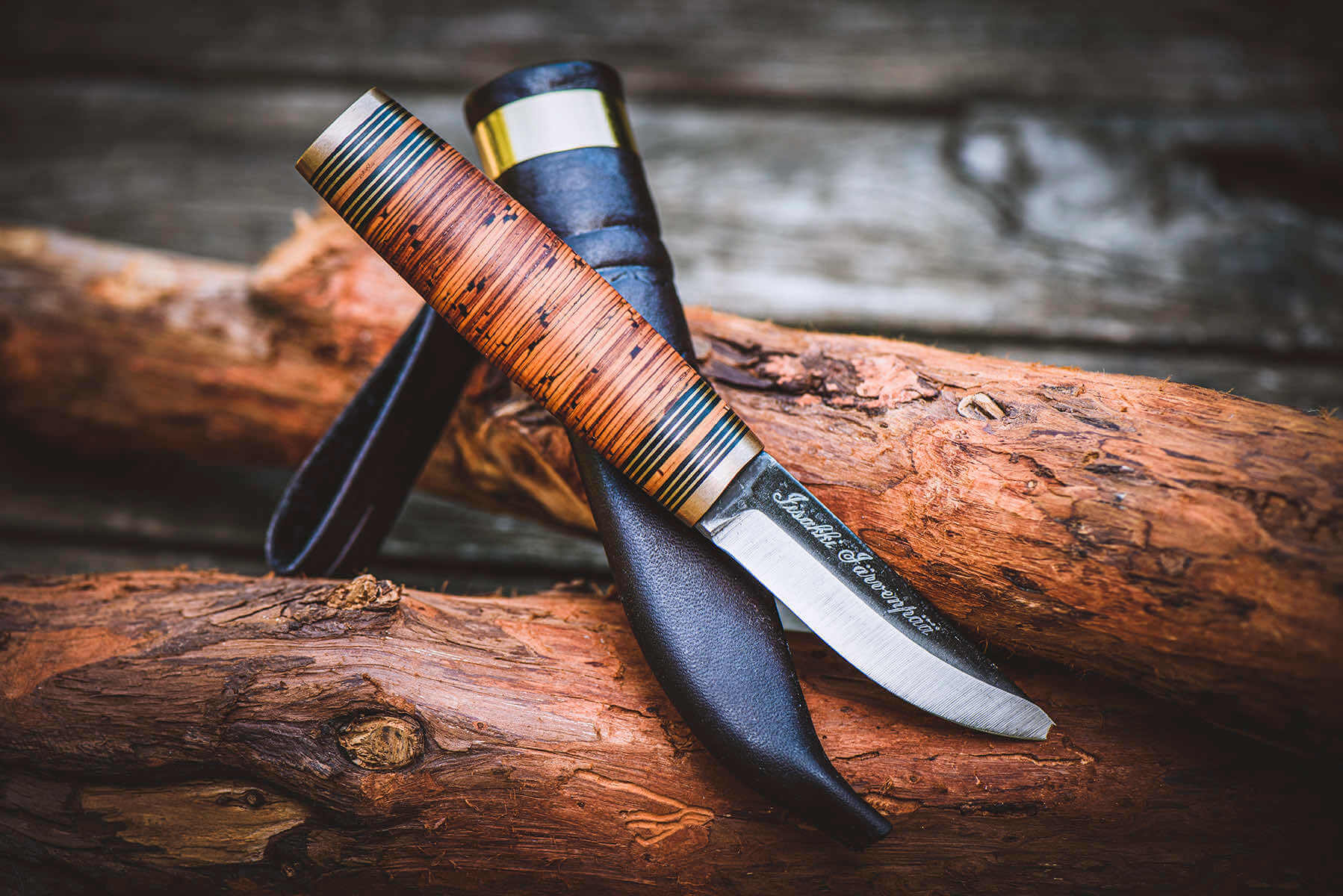
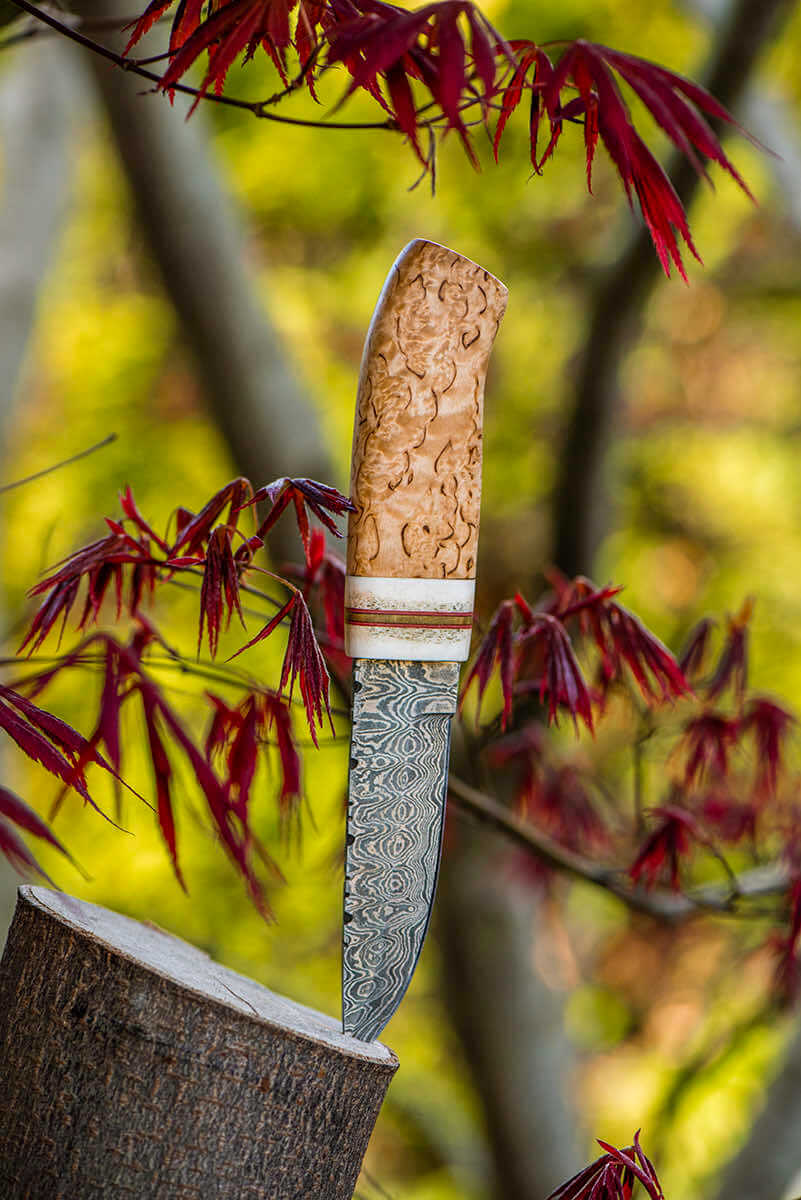
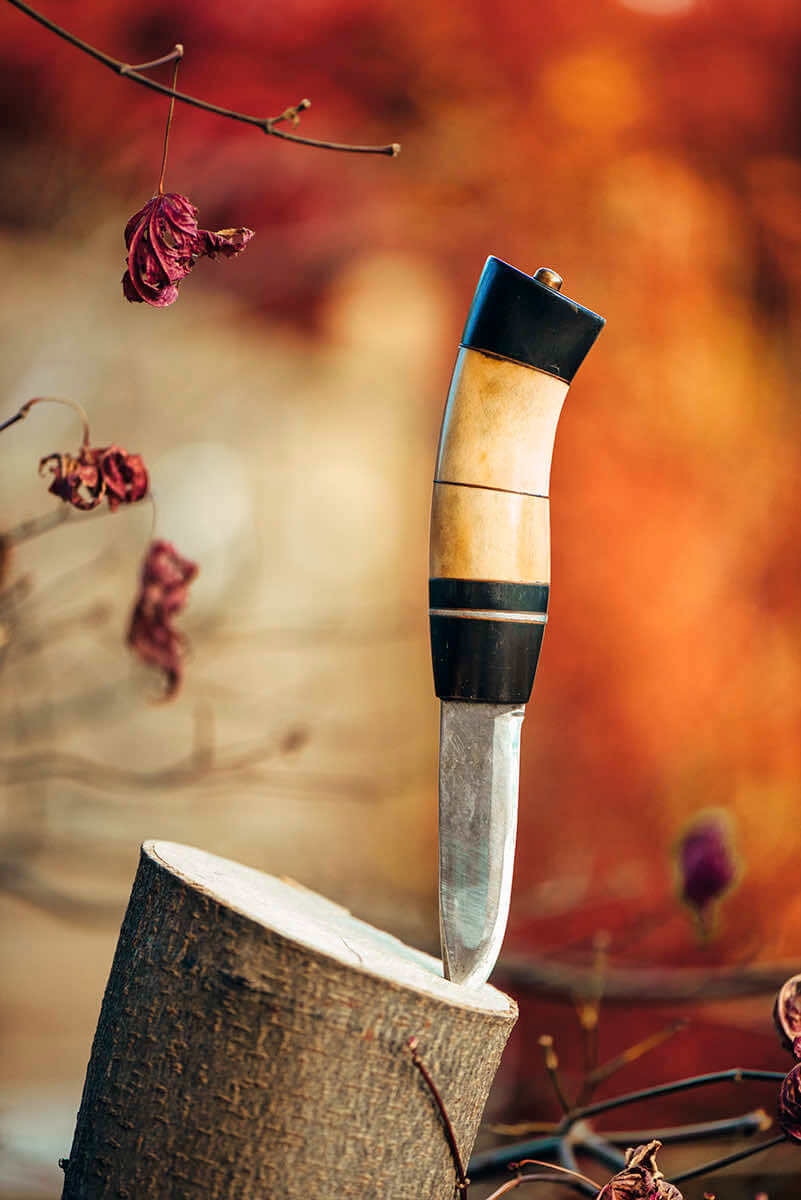
Visual Quiz Puukko Do you recognize the blade?

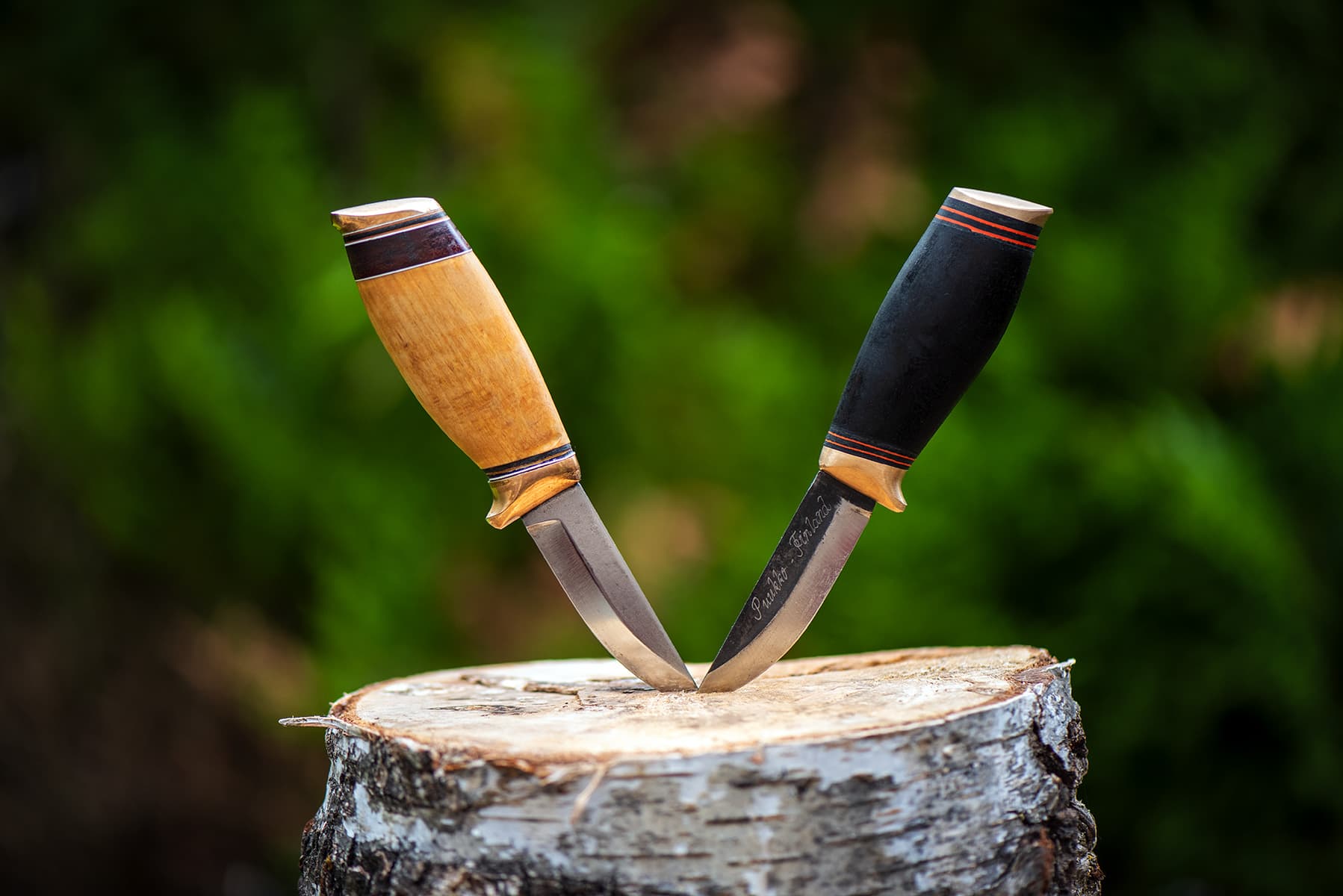
Visual Quiz Puukko Do you recognize the blade? 1792 1008 Puukko - Finnish knives


Visual Quiz

Introduction:

Words are wrong. Drawing less.
A different concept. Ten diagrams, one map. You choose the right cup, the right silk, the right one. sheath.

Good quiz!

Conclusion:

If you've had any trouble, read it again:

Longer if you feel ready:

Warm regards,

PUUKKO QUIZZES

From the shortest to the longest. You don't have to do it all the same day.

Puukko Ahti – Finland

Puukko Ahti – Finland 1798 1200 Puukko - Finnish knives

Ahti offers a range of Finnish puukko knives to suit your needs, whether you’re looking for a utility knife, a hunting knife or a general-purpose knife to take with you whilst enjoying the great outdoors.

Ahti knives are handmade in the Finnish town of Kauhava. The blacksmith Reino Kamppila and his family craft the Ahti knives. Every Ahti knife is unique. The handles are made from curly birch. The blades are made from high-quality vanadium-carbon steel. Finnish traditions have made Ahti puukkos popular all over the world.

Puukko Ahti

Kauhava – Finland

Ahti knives are manufactured in Kauhava, Finland, which has a long and rich history of knife-making.

Ahti knives are made by Reino Kamppila and his son, who have been running a family-owned knife-making business for four generations. Their workshop is small, but they produce knives of the highest quality. The carbon steel blades (0.8 per cent) are hardened to approximately 59 on the Rockwell scale. Knives with stainless steel blades are hardened to approximately 57 on the Rockwell scale. The knives and their leather sheaths are true works of art, visually appealing and functionally satisfying.

As with most Scandinavian knives, the handles are made of curly birch, sanded and stained. The knife fittings are made of polished brass and the sheaths feature plastic inserts to protect both the sheath and the hand. These knives are quite sharp and could easily cut through both if not inserted correctly into the sheath. The belt loops are not attached directly to the sheaths, but rather via a small metal ring, which allows the sheath to hang and swivel, making it easier to move the knife around and adjust its position on the belt. Ahti knives also feature a classic blade with a Scandinavian grind and are ideal for bushcraft and other outdoor activities.


Reino Kamppila & his son


Over the years, Ahti knives have been produced in the Kamppila knife shop. So many people have wanted a model of this knife, which embodies the majesty of nature, not only in their own country, but also in Sweden, Russia, the United States and Germany. Initially, Ahti knives were crafted by Reino himself. For the past fifteen years, he has been making them alongside his son, the master cutler Janne Kamppila. Traditional craftsmanship has thus been passed down through the family to the fourth generation, as the saying goes, as a legacy in the blood.

Authentic puukkos

Made in Finland


Each Ahti knife is unique and handmade.

Ahti knives have a personality!

This design, which successfully combines comfort and beauty, is a feature of Ahti knives throughout the collection.

Ahti kaira knife

The spirit of Puukko

No wonder so many people wanted to experience this wild atmosphere. Watch a knife with a black side on the blade and tighten its handle in his hand: that's what I want.

Reino and Janne Kamppila drew inspiration for the design and colours of the knives from Finland’s rugged and magnificent natural landscape. Both enjoy long journeys through the freedom of unspoilt nature. This is precisely what the knife collection embodies. Kamppila’s Ahti knives evoke the scent of bear moss in the marshes, the barking of a hunting dog and the splashes of a fish leaping at the end of a fishing line.

A good knife lasts even longer if it is well maintained.

That is why you must look after your knife. After use, the knife should be dried and cleaned properly. It is a good idea to protect the carbon steel from rust by oiling it, for example, with unsalted cooking oil. A blunt blade must also be sharpened, as you cannot do anything properly with a blunt knife. However, you must be careful when sharpening, because if the edge of the blade is not sharpened correctly, the knife will no longer cut well enough. The knife blade must always be sharpened evenly and at the same sharpening angle as when the knife was new. Finally, the leather sheath should also be treated with a suitable leather care product, as dirt is not easily absorbed by treated leather.


BEGINNER'S GUIDE

HOW TO CHOOSE YOUR FIRST PUUKKO

Are you ready for a Puukko Quiz?

Already 247 attempts

1. Where the word comes from « puukko » ?

2. Traditional length of a blade of puukko ?

3. Grind the most characteristic?

4. Traditional material handle ?

5. The puukko: Does he have a traditional guard?

Conclusion:

Ahti seems to be a rather low-key company. It has no website for direct sales and there is little information about it online. It is a family-run business tucked away in the Finnish forest that makes excellent traditional knives.

What is certain is that Ahti makes knives for men with big hands They’re substantial, sit comfortably in the hand and cut like a razor. These knives have the spirit of puukkos: simple and incredibly effective in the field. The prices are affordable for everyone. The evidence here. I found the one with the dark handle second-hand. It must date from the 1980s. The leather case is in true Scandinavian style.

Thank you for reading this article! To make sure you don’t miss the next ones, subscribe to the newsletter. You’ll find it just below. Thanks again, and see you soon.

Express Quiz on the puukko : 10 easy questions

Express Quiz on the puukko : 10 easy questions 1792 1008 Puukko - Finnish knives


Express quiz in 2×5 questions

Introduction:

The puukko is a real tool dedicated to hunting and woodworking.
It was designed by the Sami at the time they were semi-nomadic hunter-gatherers. He doesn't have a story, he has stories. It's up to you to see if you want to find out.

Two express quiz to make you want to Learn more on the puukko.
Before embarking on specialized quizzes of 20 or 50 questions, start here to see if you want to go further. That's why these two mini quiz are here.

You're gonna get into the game?

Good quiz!

Already 247 attempts

1. Where the word comes from « puukko » ?

2. Traditional length of a blade of puukko ?

3. Grind the most characteristic?

4. Traditional material handle ?

5. The puukko: Does he have a traditional guard?

Already 89 attempts

1. Who founded the Iisakki Järvenpää factory?

2. What puukko is related to Kalle Keränen and Kainuu?

3. Main historic center of manufacture of decorated puukkos?

4. What does it mean? « Aito » Some puukkos?

5. What is the reference book on the history of puukko ?

Conclusion:

So, do you want to go further?
I sincerely hope that you will continue the discovery. The puukko is a universe by itself.

I now offer you to choose another quiz:

Warm regards,

PUUKKO QUIZZES

From the shortest to the longest. You don't have to do it all the same day.

Buy a puukko as a souvenir of your trip

Buy a puukko as a souvenir of your trip 1798 1200 Puukko - Finnish knives

Although buying souvenirs is a universal tradition among tourists, a knife might not be the first thing that springs to mind when you’re shopping for souvenirs from your trip. But if you feel that fridge magnets aren’t quite enough, and you’d prefer something that’s truly representative of Scandinavian culture, why not consider a puukko!

Giving a Puukko as a gift

Memories of the Far North


The puukko is highly sought after for its striking design, which combines decorative beauty with excellent performance. The origins of the puukko knife are closely linked to the harsh living conditions in the northern Arctic. It originated centuries ago among the semi-nomadic Sami people of Lapland, who developed various types of knives suited to the challenges they faced in the unforgiving Arctic environment.

The puukko is the most famous of all Nordic knives!


The puukko features a fixed blade made from hardened Finnish steel. It is a practical all-purpose knife that can be used for many different activities, such as woodworking, fishing or food preparation. The shape of the knife’s blade may vary depending on its intended use. And, of course, its beautiful design makes it a collector’s item, even if you have no intention of using it.

When choosing your puukko, make sure you know what materials have been used to make the handle. Traditionally, the size of the handle is designed to fit the hand of the intended user. It is regarded as a very personal item. Receiving a puukko as a gift is considered a great honour, as it is a sign of trust and respect.

Puukko & Kuksa

The craftspeople who make these knives are held in high regard within their communities.

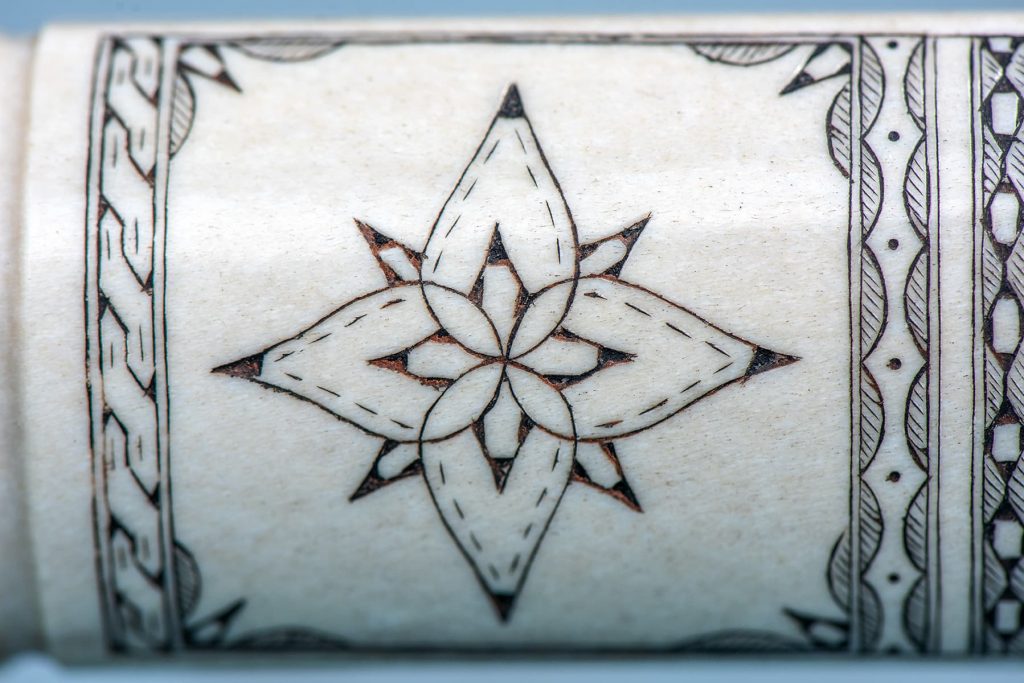
These beautifully decorated handles can be made from a variety of materials. Traditionally, they are made from curly birch wood, which is found in abundance in Finland. However, they are also made from other types of Finnish wood, or even from the bones of moose or reindeer.

Create the puukko of your dreams!

Marttiini Custom knives are unique and always reflect the imagination of their creator – you.

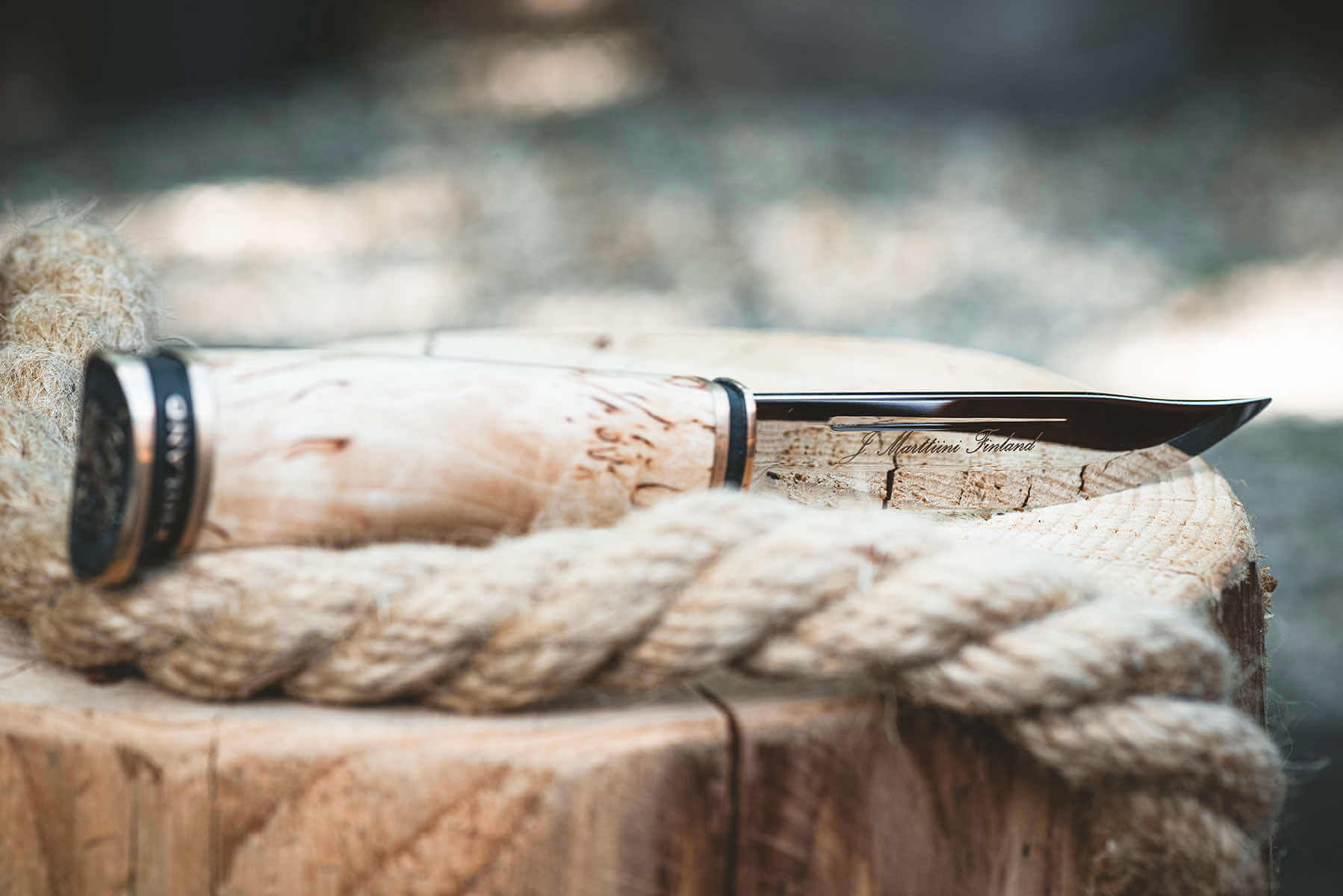
By combining different materials, colours and details, you can create a stunning piece – an unforgettable gift! In our range, you’ll find Finnish wood, tangs from our most popular knife models and sharp blades ranging from carbon steel to Damascus steel. Choose reindeer antler – you can use it in your personalised knife for a unique touch! And, to complete your puukko, you can add an engraving to the blade.

Create the puukko of your dreams at Marttiini

You can recognise a bespoke knife by the impeccable attention to detail. Every bespoke knife is handcrafted at our factory in Finland and comes in an elegant wooden gift box.


BEGINNER'S GUIDE

HOW TO CHOOSE YOUR FIRST PUUKKO

Conclusion:

Treat others – and treat yourself! You’ll have no trouble finding somewhere to buy a puukko whilst travelling in the Far North. This is true throughout Scandinavia, and particularly in Finland, where there are plenty of souvenir shops selling countless puukkos. There are also factory outlets and Sami craftspeople. I spent some unforgettable hours there and spent many euros, but they’re great memories! Here are a few good places to visit in useful links.

Thank you for reading this article! To make sure you don’t miss the next ones, do remember to subscribe to the newsletter. Thanks again, and see you soon.

Puukko Aito signed Iisakki Järvenpää

Puukko Aito signed Iisakki Järvenpää 1798 1200 Puukko - Finnish knives

‘Puukko Aito’ can be translated as ‘the genuine knife’. This knife is in the true tradition of Scandinavian knives. The Puukko Aito is a true masterpiece among utility knives. Its handle, made from birchbark and coated in linseed oil, offers a firm grip with a very pleasant, silky feel. The blade is an 8 cm unpolished black carbon steel blade.

Puukko Aito

Iisakki Järvenpää – Finland

This Aito puukko from Iisakki Järvenpää comes very close to perfection as a utility knife. And, as you know, it’s hard to find just the right one when it comes to puukkos! More details in the article: What makes a good puukko?

I have to admit that with this puukko, you’re won over the moment you pick it up. You can feel the weight of the brass on the handle straight away, and it really feels great in your hand. A puukko that’ll easily accompany you into the woods, on a fishing trip or for household chores. A good, attractive multi-purpose utility knife, made in Finland.

A little more about the company Iisakki Järvenpää Finland.

Mr Iisakki Järvenpää was born on 7 January 1859 and died on 6 March 1929. Several generations have ensured that this expertise has been passed down.

For 140 years, this company has been standing in the centre of Kauhava next to the town hall and is now the Iisakki Järvenpää House Museum. Originally, the building was much smaller and more modest, and served as both a factory and a family home from 1904 to 1921, after which it was used solely as a residence. Consequently, the factory and the house were extended several times until they reached a point where they could no longer be enlarged to meet the factory’s needs.

Iisakki Järvenpää


The materials, machinery and operating methods were established decades ago and there are no plans to change them. For the handles of his puukkos, Iisakki Järvenpää mainly uses visa birch, which comes from central Finland. It is dried in a drying room to exactly the right moisture content for further processing.

Each puukko is sanded individually using a belt sander until it reaches its final shape. Each handle is sanded using abrasive belts of three different grits. The shape is determined by the craftsman’s eye, designed to fit the hand and also to complement the handle of the model. Sometimes, the handles must also be compared with those made previously to ensure that the shape and proportions do not change over time.

Iisakki Järvenpää still manufactures all its products by hand.


Puukko Aito

A short video showing in detail the puukko

Iisakki Järvenpää – Puukko made in Finland

A little more on steel

The steel used for the knife is precisely refined to the desired carbon and chromium content. Until the 1980s, the blades were hot-forged. However, the material used at that time included, for example, old files and, in the past, even old horseshoes and sledge runners. From 1922 onwards, Iisakki Järvenpää sought to increase the carbon content by hammering them with a drop hammer. Today, the blades are pressed from steel sheets of completely uniform quality and with the correct alloy ratio. After this, the blade blanks are hardened and then individually facetted, with each side of the blade receiving its own distinct facet. Finally, the blades are polished further; this is usually a basic polish. The final shine is achieved when the knife is assembled.

→ How to recognize different steels

Leather of the sheaths

Iisakki Järvenpää also makes the sheaths for his puukkos. The leather comes from Kokkola in Central Ostrobothnia or from Tärnsjö in Sweden. Tanned leather allows the sheath to be designed and decorated using traditional techniques, which is not possible with chrome-tanned leather. The shaping and embossing of the sheaths are also carried out individually by hand on damp leather, mostly using a hot tool, but in some cases a cold tool is also used. All castings are made using a press and soldered with tin.

→ How to maintain your leather sheaths


Puukko Vagabond

Production Iisakki Järvenpää.

Two years ago, I placed my first order for these puukkos. You can find all the details in the portfolio.


BEGINNER'S GUIDE

HOW TO CHOOSE YOUR FIRST PUUKKO

Are you ready for a Puukko Quiz?

Already 247 attempts

1. Where the word comes from « puukko » ?

2. Traditional length of a blade of puukko ?

3. Grind the most characteristic?

4. Traditional material handle ?

5. The puukko: Does he have a traditional guard?

Conclusion:

The Aito Puukko by Iisakki Järvenpää is simple, sturdy and gets the job done! For under €200, you get a puukko that’s a pleasure to handle and as sharp as a razor. The very classic shape of the handle, with its silky-smooth feel, makes for a great grip. The leather sheath, which is also very classic in style, is a little stiff and will need to be treated with leather grease two or three times, preferably using a mixture of coconut oil and beeswax. (See the page: Maintaining his puukkos). As I said at the start of this article, we are very close to perfection when it comes to a utility puukko.

Thank you for reading this article! To make sure you don’t miss the next ones, subscribe to the newsletter. You’ll find it just below. Thanks again, and see you soon.


The Blog of puukko.fr

Articles on puukkos, Scandinavia, nature and large spaces.


Marttiini 245

Marttiini 245 1798 1200 Puukko - Finnish knives

The Marttiini story begins in northern Finland, in Kierinki to be precise. Kierinki is a small village in the municipality of Sodankylä, well beyond the Arctic Circle. On 2 May 1893, a new child was born into the Marttiini family in Kierinki: Janne. At the time, nobody knew it, but Janne would go on to achieve a great deal and, in doing so, create a lasting legacy.

Knife Lappish Made in Finland

I stumbled across an auction site last week featuring this Finnish Marttiini knife. It’s not the first one I’ve had from Rovaniemi. I didn’t let the opportunity pass me by, especially at 40 euros including postage. This Marttiini 245 was bought in the 1980s. You can tell it’s seen better days, but it doesn’t show any particular signs of wear and tear. I’d even say it’s in good shape for a knife that’s over 40 years old!

Really, when I say, by chance, that’s not entirely true. I check this Swedish-based auction site every day. There are regularly some very interesting puukkos on offer, and sometimes you can pick up a bargain. Here’s the link: tradera.com

It’s often private individuals who come across a puukko that’s been gathering dust at the back of a drawer. Or a collector who’s getting rid of a rare piece … My advice: pay via PayPal so that, should any problems arise, you can easily get a refund. Prices are shown in SEK (the Swedish krona) are to be divided by 10 to obtain the equivalent in euro.

Marttiini 245 Finland

The 13 cm stainless-steel blade has a few scratches, but nothing too serious. The edge is razor-sharp. The handle is in perfect condition. The leather sheath hadn’t been treated with grease for a few years. A few repeated applications of cream Made with coconut oil and beeswax, these ingredients will restore suppleness and a beautiful finish to this case.

Knife Lappish

The range of traditional Lapp knives also includes models fitted with a finger guard.

Traditionally, finger guards are not part of Scandinavian knife culture, but in Central Europe, for example, finger guards are generally fitted to knives. A finger guard offers greater safety for the knife user. It gives you a secure grip on the knife and prevents your hand from slipping onto the blade, even in wet or cold conditions. This Lapp knife is an excellent all-rounder, suitable for both trappers and hunters.

The chrome-plated stainless-steel blade features a beautiful engraving with a Lappish theme.

Where will he continue his life?

This new Finnish knife has found its place outdoors, near the barbecue. Its stainless-steel blade will be used to cut meat and fish, without requiring any special maintenance. I get the impression it has been through far more extreme conditions than it is likely to face here … So it will have no trouble coping with the vagaries of the weather in eastern France.

What makes a good puukko?

What makes a good puukko? 1798 1200 Puukko - Finnish knives

What makes a good puukko?

Puukko is the Finnish word for ‘knife’. It is an old friend to every hiker, hunter or angler. You cannot have a more personal tool, which makes finding the right puukko a challenge. Puukkos are, first and foremost, sturdy working knives. They are of simple construction, consisting of a high-carbon steel blade fitted to a handle usually made from natural materials.

Puukko Custom

It's awfully difficult to find his puukko.

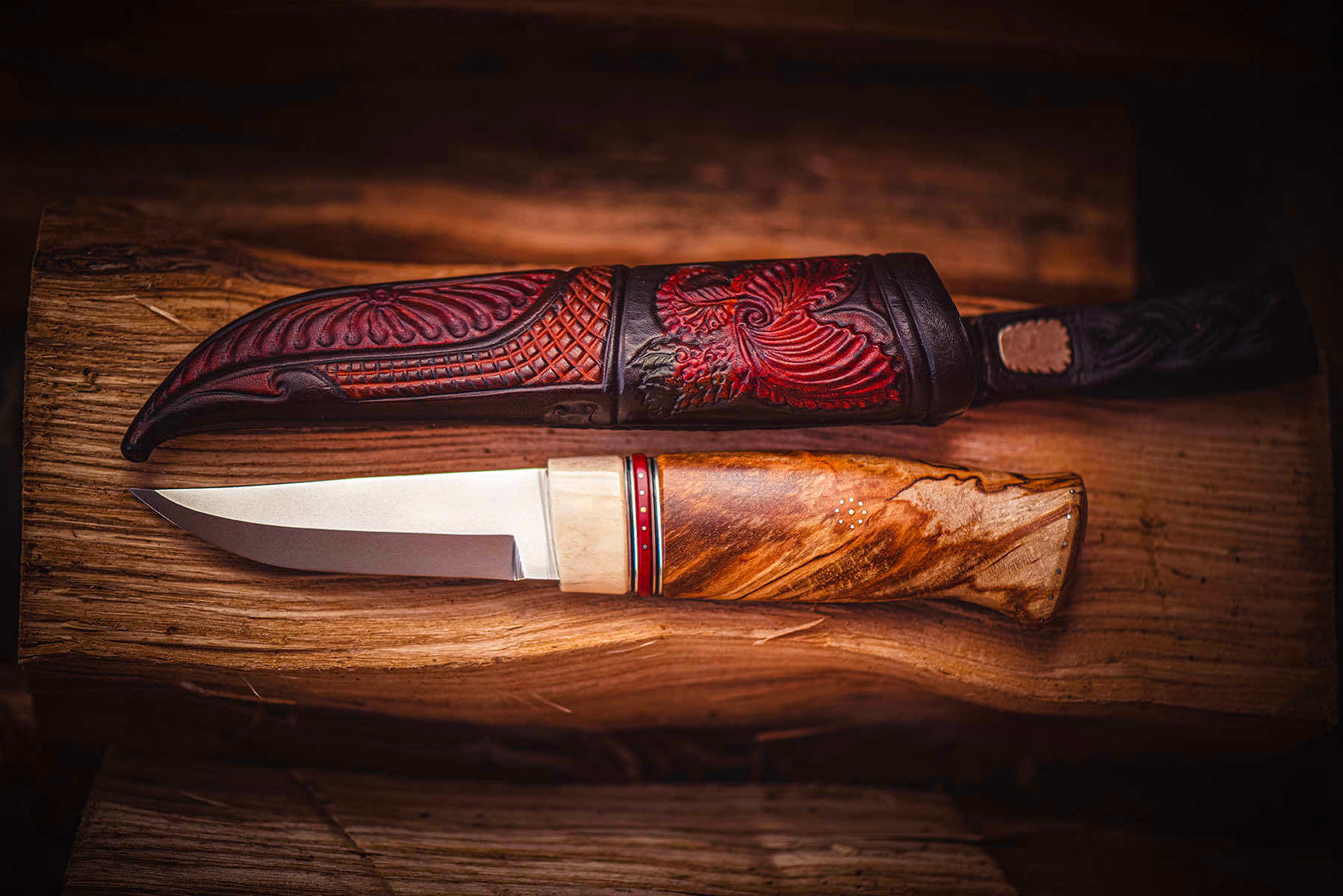
Ordering one from a Sami craftsman is undoubtedly the best option. It also has the advantage of being a one-of-a-kind piece! Of course, it will set you back a few hundred euros, or even a few thousand for the most intricately crafted pieces. But it will be well worth it.

The important thing is that it feels right in your hand. The shape and quality of the handle are crucial. The blade should be the right length (between 8 and 12 cm). Personally, I prefer a length of 9 or 10 cm. A stainless steel or carbon steel blade, but razor-sharp. And, perhaps most importantly for me, its appearance, and possibly, its history and/or that of the craftsman. Not forgetting the sheath, which must be made of good-quality leather. So there are plenty of criteria to consider when looking for your perfect match. But rest assured, you can own more than one puukko!

The main uses are: sculpture on wood and food preparation, as well as most tasks that require a cutting tool. Outside of Nordic culture, puukkos have earned a solid reputation as sturdy knives designed for serious work. It’s easy to see why these knives are popular with outdoor enthusiasts. Whether you spend time camping or hiking, or simply need a good, sturdy fixed-blade knife that can withstand heavy use and requires little maintenance, consider the elegant, slender puukko.


A simple knife of an epic meaning

The puukko knife has a sturdy, round handle made of elegant birchwood or reindeer antler, with a short, single-edged blade. It has been an essential tool for life in the Arctic for thousands of years. Today, it is even more than that — it is a symbol of Finnish pride. Historical evidence of this everyday knife used by the Sámi dates back to the Viking Age. Although it is now classified as a dangerous weapon, the puukko has retained its legendary status in modern times.

Nowadays, carrying a knife in public is prohibited, unless it is for work purposes. Nevertheless, the leather sheath is an important feature displayed on the belt of every traditional Sámi outfit. The knife is a source of pride, as it bears witness to the harsh life within the Arctic Circle and also to the unique heritage of the Sámi people. Elaborate, ornate versions of this age-old tool are given as gifts by the Sámi to commemorate extraordinary achievements. Collectors all over the world seek out the finest examples.

An indispensable part of the Finnish Arctic experience

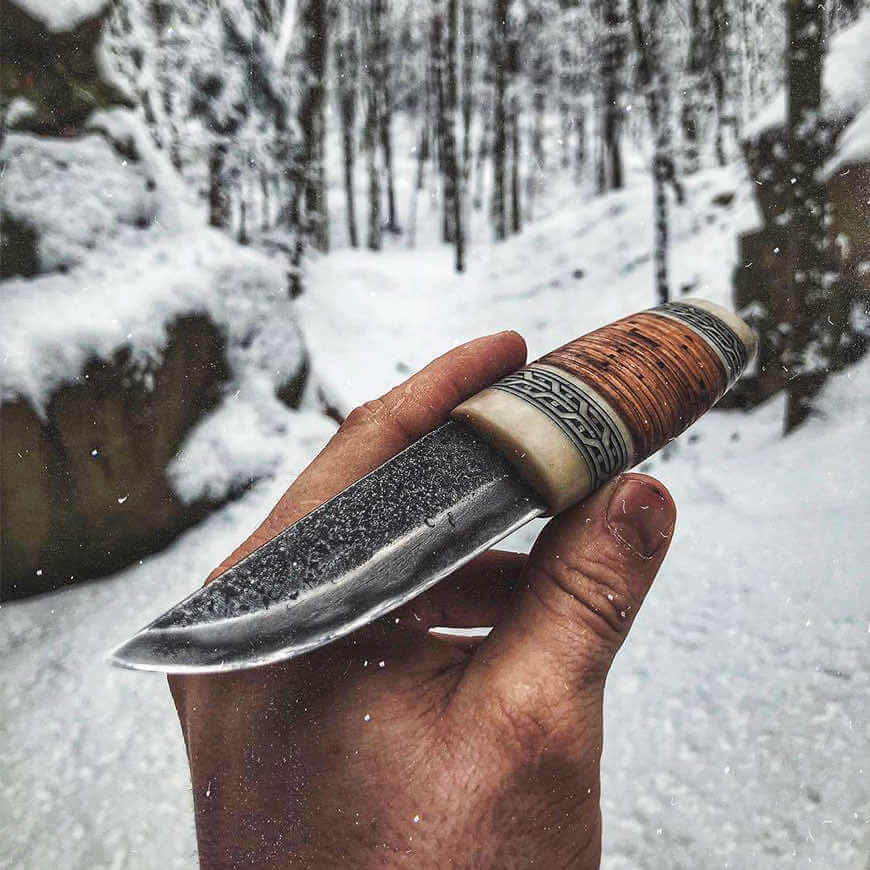
The handle of a puukko knife is never more than ten centimetres long. It is simple, with no guard or protection to prevent the hand from slipping. The blade is even shorter, straight but usually curved. The straight back of the blade also symbolises the simple yet harsh life in the wilderness of the Finnish Arctic. The blade itself owes its distinctive appearance to the particular way in which it is crafted, using what is known as the Scandinavian grind — a flat, double-sided grind without a secondary bevel, with a grinding angle of 17 to 19 degrees. This blade allows the user to delicately separate the fish’s skin from the flesh.

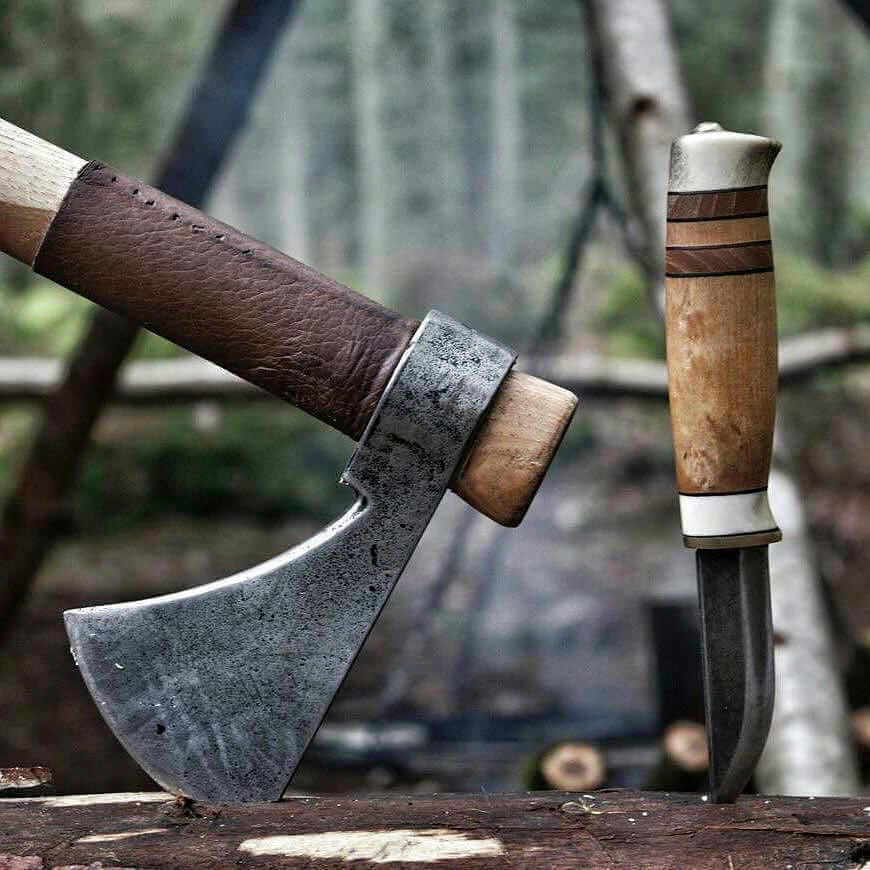
Two puukkos Helle

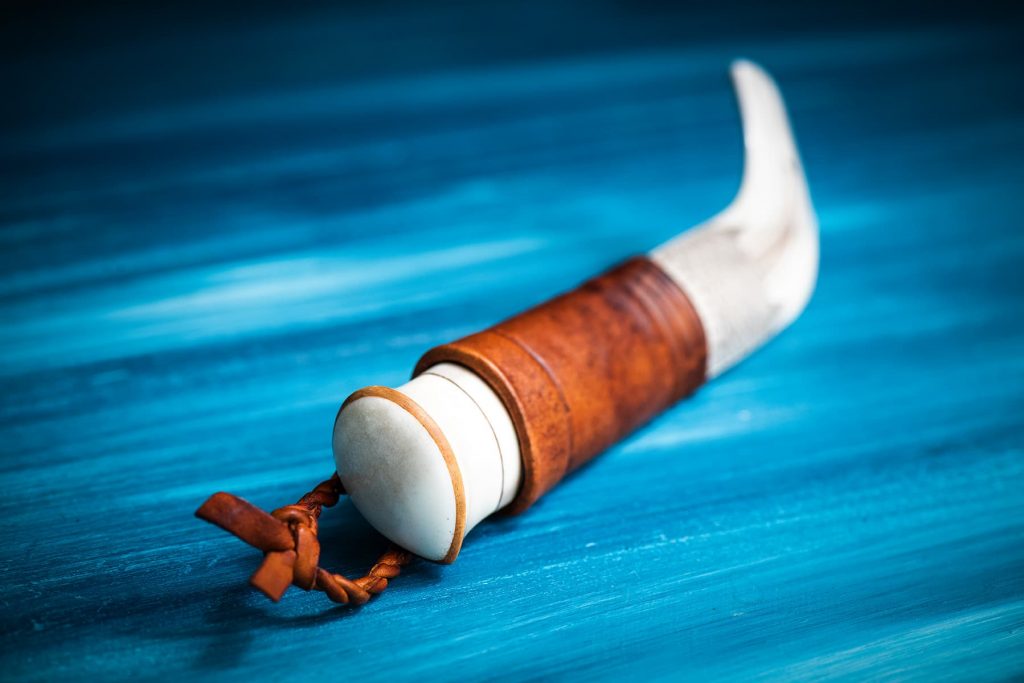
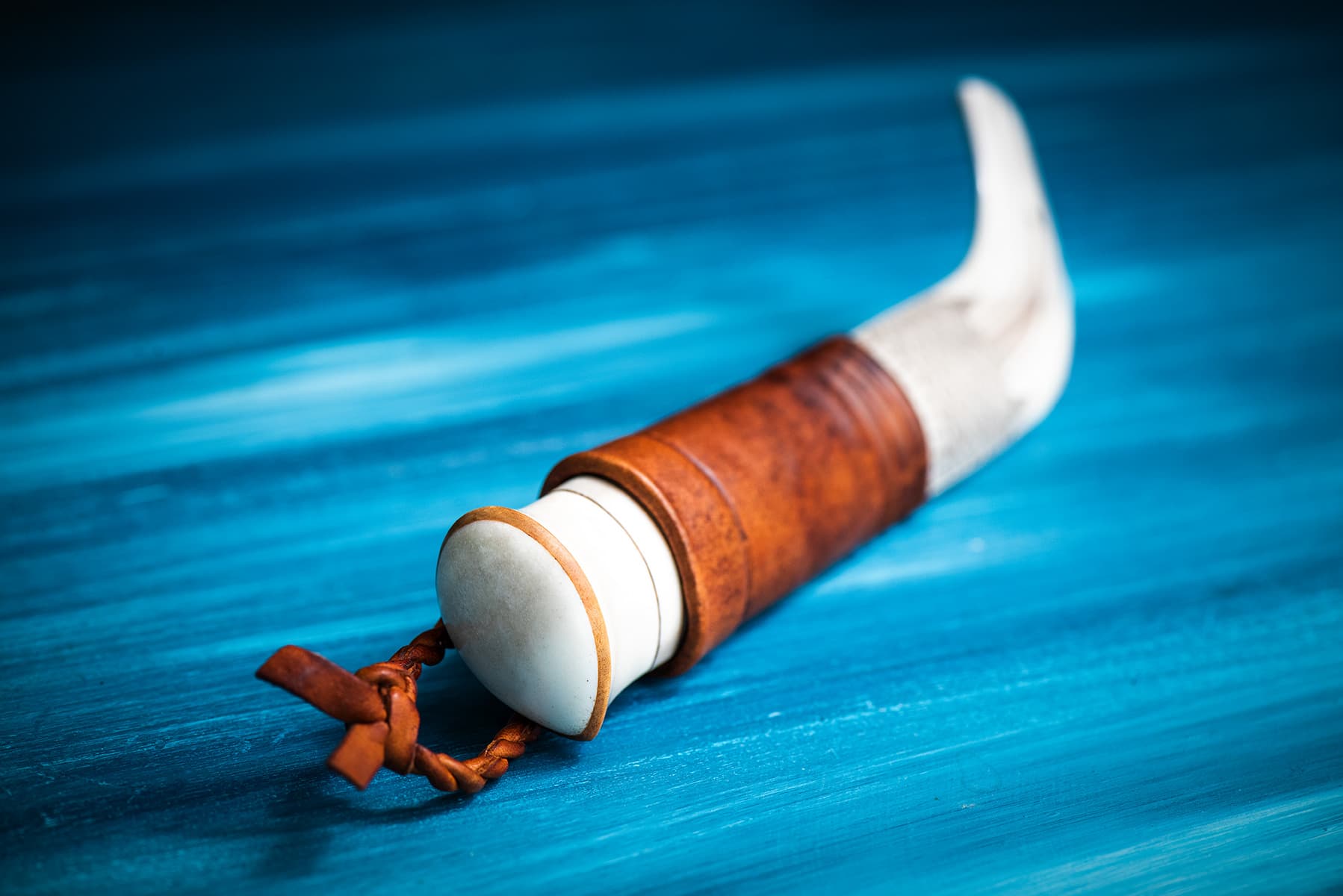
The Sami used to make their own tools by hand, carving the handles of their knives from reindeer antler. This traditional raw material, used here in the far north of Scandinavia for centuries, was an integral part of Sámi life. However, since the late 1960s, only a few have mastered the art of working with reindeer antler. But if you’re looking for a highly ornate puukko knife, you’ll almost certainly find somewhere to buy a beautiful collector’s item. If you do, you’ll become the owner of a rich piece of Finnish history – small in size, yet powerful in cultural significance.


History of puukko

On the road in Finland, we just stopped by a frozen lake. Here we meet Petri, a Sami, who pulls a trout out of the hole dug in the ice. Dressing, he skins the fish with his knife. We have always done this with this simple tool. My ancestors used the puukko for hunting, fishing, food preparation. But also to survive outside in snow and ice. Her voice resonates with pride. Petri is the fourth generation to be a reindeer farmer. He's never without his puukko when it comes out into the vast forests.


To do one's puukko

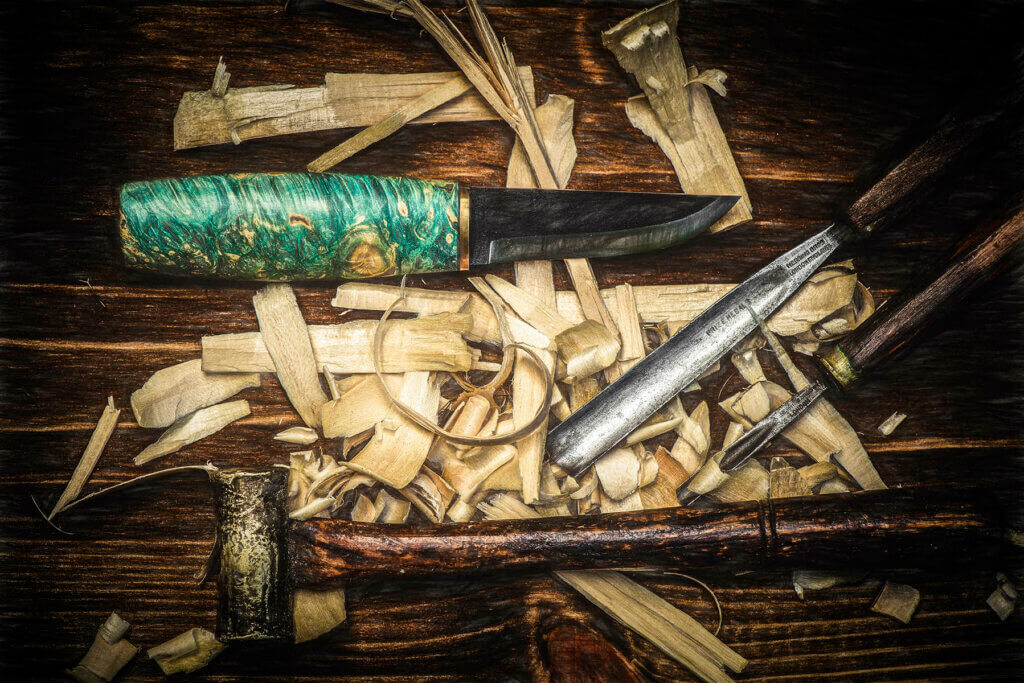
In this video, I make a puukko knife and a sheath from scratch. The blade is made of 80CrV2 carbon steel. Before hardening, I normalised the steel using three cycles in the gas forge. I used heated rapeseed oil for the hardening process. I then heat-treated the blade at 200 degrees Celsius for two hours. This heat treatment should result in a hardness of around 60 HRC. The handle of this puukko is made from curly birch, birchbark, ebony and a bronze pommel. The wooden part of the sheath is made from curly birch and walnut.


BEGINNER'S GUIDE

HOW TO CHOOSE YOUR FIRST PUUKKO

Are you ready for a Puukko Quiz?

Already 247 attempts

1. Where the word comes from « puukko » ?

2. Traditional length of a blade of puukko ?

3. Grind the most characteristic?

4. Traditional material handle ?

5. The puukko: Does he have a traditional guard?

Conclusion:

To the question: What is a good puukko ? I'll say: The one I don't have yet.

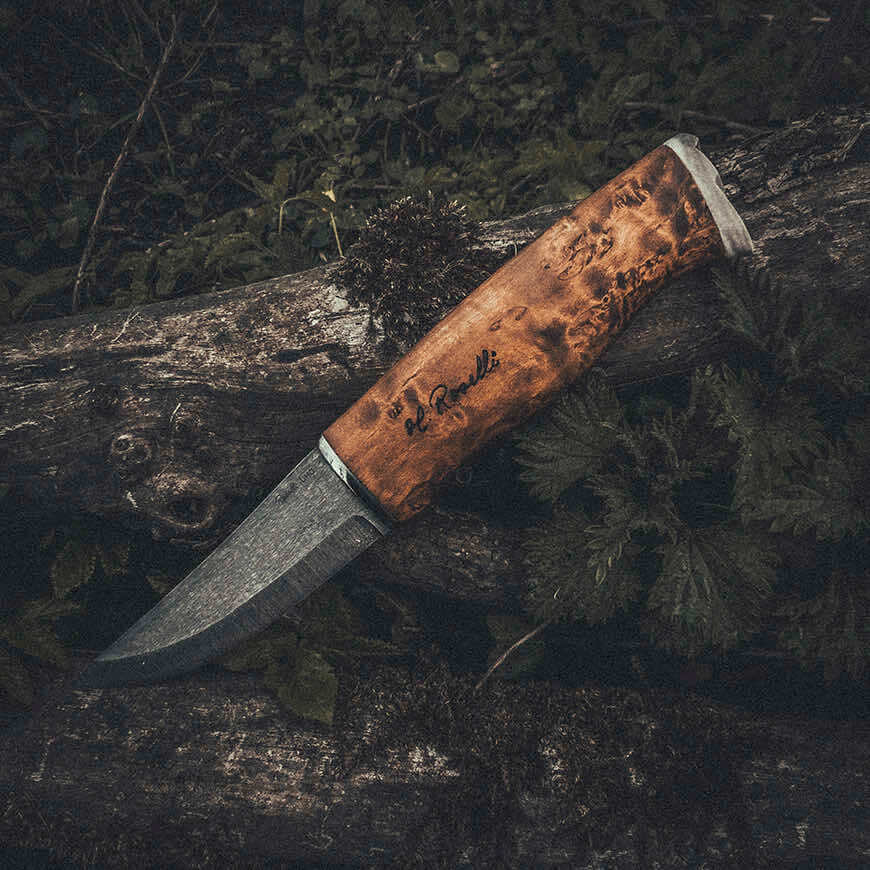
It is extremely difficult to find its the puukko! The one that combines style, efficiency and a comfortable grip. The one that seems to have been waiting for you all its life. In fact, I reckon that despite my rather extensive collection, I still haven’t found the perfect puukko that I’d take with me if I had to choose just one! I hope I never find myself in that situation. Above all, don’t miss the one that really ought to have been featured here: Nikkarinpuuko from Roselli.

Thank you for reading this article. Before you go, discover Ernest Delannoy, French cutlery blacksmith specialized in the manufacture of puukkos.

    EnglishenEnglishEnglish