Puukko

Keep track of new developments puukko (and close)

Keep track of new developments puukko (and close) 1200 800 Puukko - Finnish knives

https://puukko.en/new-puukko-and-close-2026-en-europe/

Quiz Puukko : Are you a real connoisseur of the Finnish knife?

Quiz Puukko : Are you a real connoisseur of the Finnish knife? 1792 1008 Puukko - Finnish knives


Classic Quiz

Introduction:

The puukko is more than just a knife.
It is a tool full of Finnish history, culture and know-how. Simple in appearance, however, it hides a wealth of details: its shape, its proportions, its traditional materials and its uses.

But, do you really know and understand him?
This 10-question quiz allows you to test your basic knowledge about the puukko. That you are beginner curious or already amateur, you will be able to measure your level... and perhaps discover some interesting subtleties.

Take your time, answer honestly, and discover in the end your score and recommendations for progress.

Good quiz!

Are you an expert in Puukkos?

Test your knowledge of the traditional Finnish knife in 10 questions.

Already 247 attempts

1. Where the word comes from « puukko » ?

2. What is the traditional length typical of a blade of puukko ?

3. What kind of grind is the most characteristic of the traditional puukkos?

4. Which material is the most traditional for handle ?

5. How is usually built the tang of a puukko traditional?

6. What is the main characteristic of the puukko Leuku?

7. Main advantage grind Scandi ?

8. Historically very associated with the production of puukkos?

9. One puukko Does it generally have a guard?

10. Traditional main use of puukko ?

Conclusion:

So, what's your score?
That you're still beginner The essential thing is to continue to explore this exciting universe. The puukko We should take the time to really know him.

If you found this quiz too easy (or if you want to go further), I invite you to try the Expert Quiz History, legendary manufacturers and secrets of large Finnish houses.

And don't hesitate to share your score in comment or on networks. I can't wait to see your results!

Warm regards,

THE QUIZ OF PUUKKO.FR

From the shortest to the longest. You don't have to do it all the same day.

From flint to puukko : 3 million years of knife history

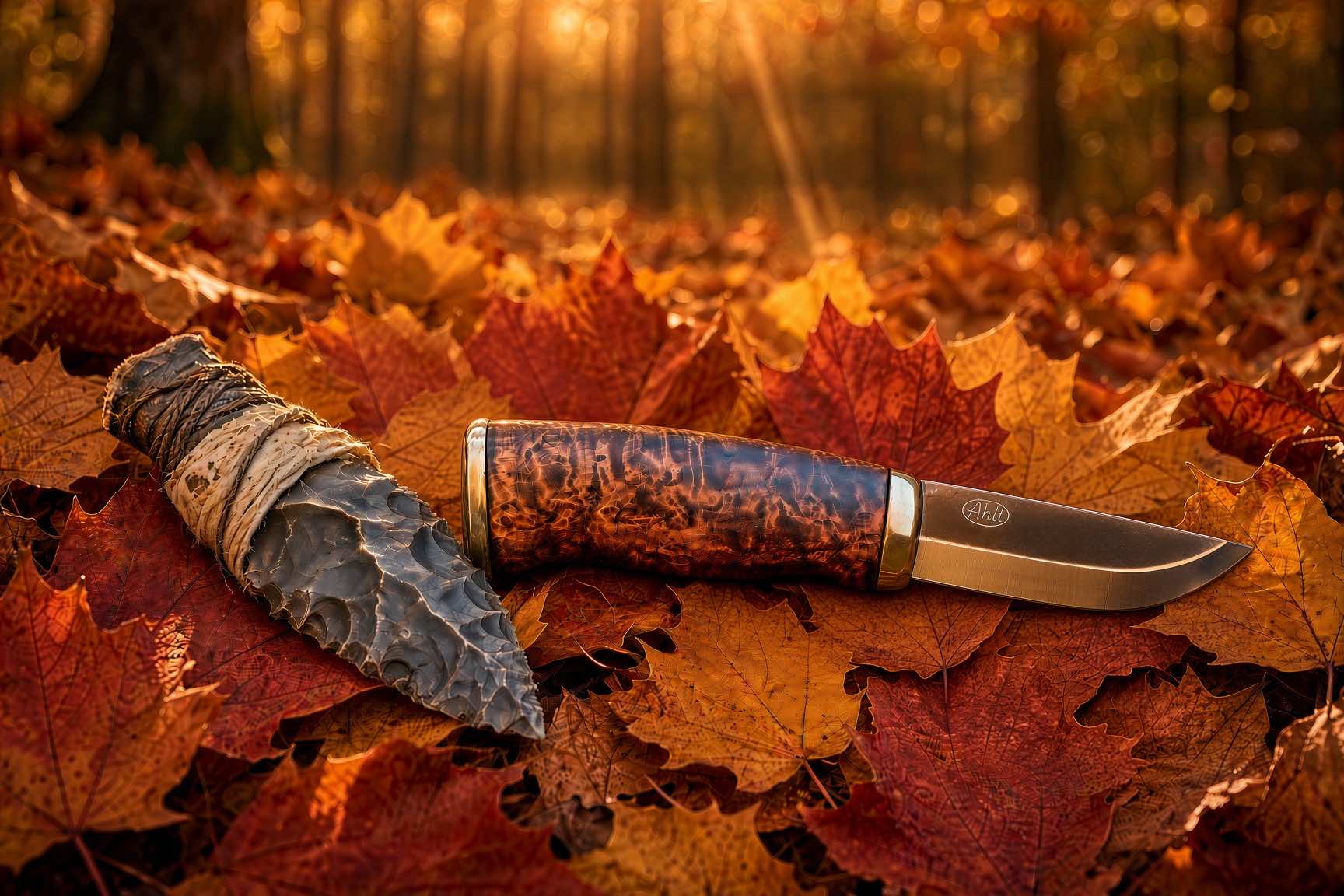
From flint to puukko : 3 million years of knife history 1728 1152 Puukko - Finnish knives


The puukko Don't make up the knife. It's very late.

Before Kauhava birch and steel, There is the flint of Lomekwi, the olduvai, the resin of the Neandertalians, the Egyptian bronze. For three million years, the same gesture: to separate the meat from the bones, the wood from the tree and defend itself.

This article puts puukko in this timeline. Who cut the first edge, when, why — and when the Finnish blade takes shape.

→ The history of the puukko

Why this article?

On puukko.fr, I'm basically talking about a precise knife. And it's a pleasure, but to stay there is to cut him off from his story.

The puukko is not an isolated invention: it is a late nordic form of a millions of years old gesture. This article expands the framework for the reader to see where the edge comes from, and why the puukko, by remaining simple, still says the essential.


The knife, long before the puukko.

Cut precedes the human species. Around 3.3 million years ago, in Lomekwi (Kenya), hominines already hit the rock to get a sharp edge. At around 2.6 Ma, the Oldowayen shrapnel became the first « knife » : a voluntary sharp, held by bare hand, to loosen the meat and open the skins.
>Around 1.5 Ma, in Olduvai, Homo erectus is also size: elongated blades, sometimes 40 cm. The gesture remains the same — slit, scrape, boneless — But the material changes. For hundreds of thousands of years, one still holds the edge in the palm. Around 200,000 years old, in Campitello (Italy), Neandertalians stick resin on a radiance: first known. The modern knife is born there: blade + grip.
Upper Paleolithic, The flint and dobsidian blades are standardizing. In the Neolithic region, Northern Europe produces flint stab wounds. The metal arrives late: copper and bronze from the third millennium BC, from the Mediterranean to China. Egypt already sticks the flint in the wood; Greeks and Romans melt bronze, then steel. The knife remains first hunting tool and workshop. The table knife is a late luxury: in the Middle Ages, everyone still wears his or her own belt.
The puukko Don't make up any of that gesture. He inherits it.


Where is the puukko ?

In Finland, lithic forms exist from prehistoric times. The first metal knives « proto-puukko » date from the end of Iron Age / Vendel-Viking era (around 800-1050): short blade to one edge, sheath leather, belt. Around the year 1000: decorated sheaths and handles (bronze).
The guy puukko (handle wood, simple blade, daily tool) is fixed in the eighteenth century. The word comes from puu, the wood. The golden age was the end of the 19th century: Kauhava, Tommi (Keränen, circa 1873), Iisakki Järvenpää (1879). Forest tool, farm, sometimes weapon — Never an isolated invention, nordic specialization of a gesture of millions of years old.
The puukko does not appear with metal. It crystallises in the eighteenth century a form already there since the Iron Age: short blade, a sharp, handle wood, sheath on the belt. Everything else — Tommi, Kauhava, Marttiini — is only the name given to this gesture.

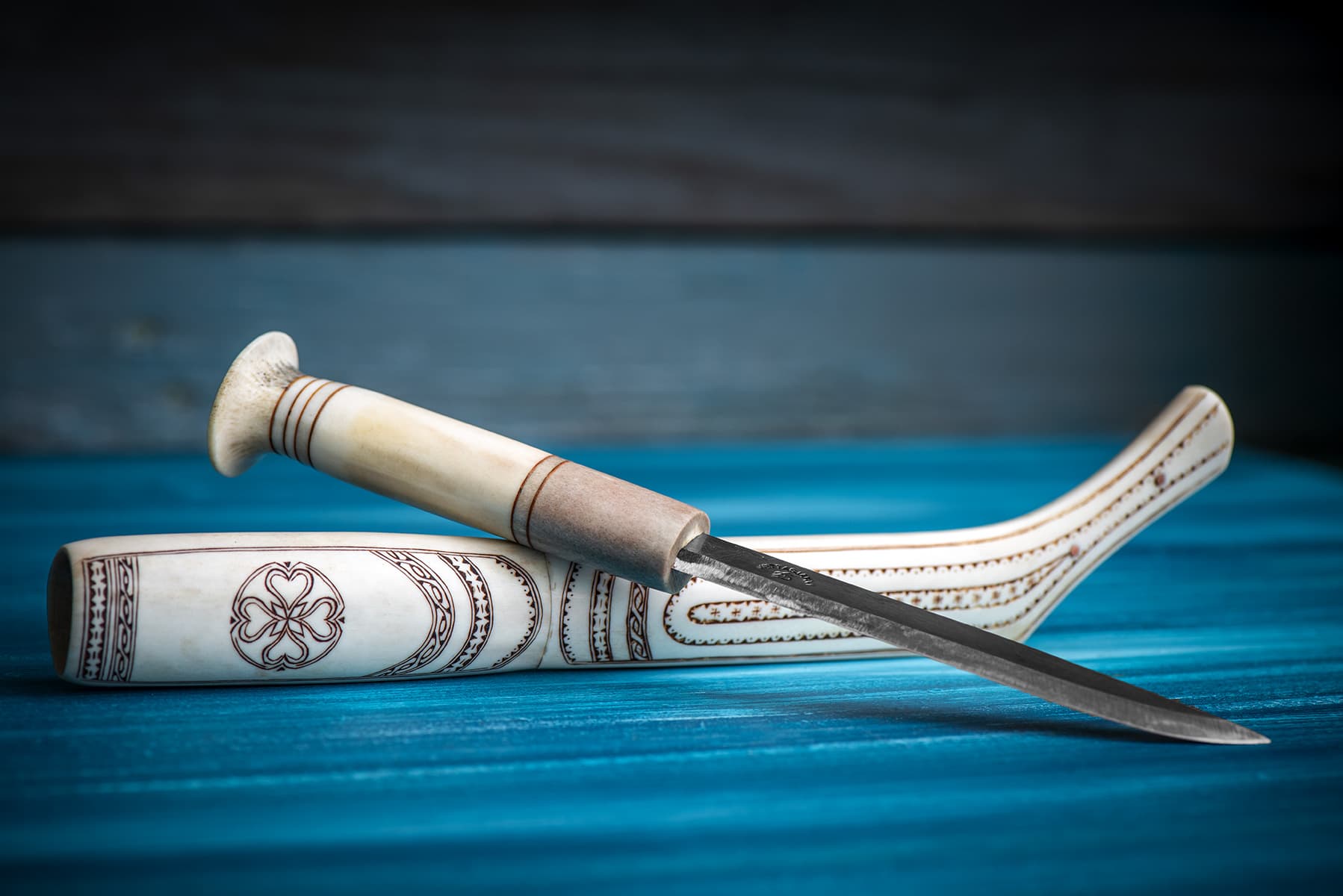
The Sami leuku is not a great puukko. It is another tool, born of forest and cold. The puukko cut and sculpt; leuku splits and flows.
→ Leuku: anatomy, history and technique of the large Sami knife


From flint to puukko : chronology

3.3 Ma
Lomekwi — first tools
Hospitals in Kenya. Pebbles hit to get a sharp edge. Older than Homo.
2.6 Ma
Oldowayens
East Africa. First « knife » : radiance held by bare hand to cut meat and skin.
1.5 Ma
Bone knives, Olduvai
Homo erectus, Tanzania. Blades sometimes 40 cm long. Same gesture, another matter.
200 ka
First range
Campitello, Italy. Neanderthals: resin on a sparkle. Birth of blade + grip couple.
3000-1500 B.C.
Bronze
Egypt, Mediterranean, China. The metal gradually replaces the flint. Cast blades, longer, more durable.
800–1050
Proto-puukko Viking
Fennoscandie. Short blade to one edge, sheath leather, belt. Wood tool, hunting, fishing.
~1000
Furnaces decorated
Finland. Bronze, engraving, rings. Daily tool starts to wear a status.
18th century.
Type puukko
Handle wood (puu), simple blade. The Finnish model differs from the other Nordic knives.
1873–1879
Tommi and Järvenpää
Kainuu and Kauhava. The puukko becomes a model named, reproducible, sometimes industrial.
19th–XXth century.
Reputation and factories
Ostrobotnia, häjyt. Fiskars, then Marttiini (1928). The puukko exit the village and enter in series.
1939–1945
Winter War and Future
Only civilian object carried in combat. In Russia, « finka » born of this blade.
1977
Restricted port in Finland
The puukko Leave the street. It remains a tool of forest, construction, Scouting.
Today
Crafts and Collection
Steel stainless steel or carbon, independent blacksmiths, Sami and classic models. The puukko remains a tool, also becoming an object of culture.

Conclusion:

The puukko Don't open the story of the knife. It closes it, on the north side: even need (cut to live), local materials, clean shape. Understanding the flint is to understand why the puukko remained simple.

Don't you want to leave now? As I understand you, look at the links below and continue the visit... And, most importantly, Subscribe to the newsletter not to miss the next articles. You can also comment and share this article on your favorite social network.

To go further:
• The puukko Over the seasons – Full guide + seasonal checklist + PDF to download
• I am cultelluphilist but I treat myself
• The reference book on puukko

Warm regards,

Subscribe to the newsletter.


The puukko A to Z

ALL GUIDES

A complete journey:
choose sound puukko, do it its own, sharpen,maintain, handle it, and secure it with the children.

Expert Quiz Puukko : History, manufacturers and secrets of Finnish blades

Expert Quiz Puukko : History, manufacturers and secrets of Finnish blades 1792 1008 Puukko - Finnish knives


Expert Quiz (History & Manufacturers)

Introduction:

You already know the basics of puukko ?
Perfect. It's time to move on to the next level.

This Expert Quiz Addresses those who want to test their knowledge of the history of the Finnish knife, its emblematic regions and its most important manufacturers.
Iisakki Järvenpää, the Tommi of Kalle Keränen, Kauhava, the häjyt, Roselli, Anssi Ruusuvuori... So many names and facts that any real enthusiast should know. Ten more demanding questions to measure your level of cultelluphilist confirmed.

Ready to take on the challenge?

Expert Quiz Puukko

History, manufacturers and secrets of Finnish blades – Confirmed level

Already 89 attempts

1. Who is considered the founder of the famous Iisakki Järvenpää factory?

2. What puukko is associated with Kalle Keränen and the Kainuu region?

3. In which Finnish region is historically the main manufacturing centre of decorated puukkos?

4. What type of steel was traditionally very popular for the heart of Finnish laminated blades?

5. What the word usually means « Aito » What is found on some puukkos Iisakki Järvenpää?

6. Which famous Finnish cutlery is particularly known for its ultra-high steels carbon and its extreme thermal treatments?

7. The « häjy » refers to what in the history of puukko ?

8. What is the main characteristic of a handle traditional birch bark (tuohi)?

9. Leuku differs from puukko Mainly by:

10. Which book is considered today as the absolute reference on history and types of puukkos?

Conclusion:

Bravo for going all the way to the end of this Expert Quiz.
Whether your score is excellent or more modest, you are one of those who are really interested in the history and culture of puukko. It's already a lot.

If some answers are surprised, this is the sign that there are still some great discoveries to make. Craftsmen's portfoliosArticle on Regulation or the book of Anssi Ruusuvuori are excellent leads to continue.

Don't hesitate to share your result. The exchanges between enthusiasts are often the most enriching.

See you soon for new explorations in the world of Finnish blades.

Warm regards,

THE QUIZ OF PUUKKO.FR

From the shortest to the longest. You don't have to do it all the same day.

The reference book on puukko d-Anssi Ruusuvuori

The reference book on puukko d-Anssi Ruusuvuori 1798 1200 Puukko - Finnish knives

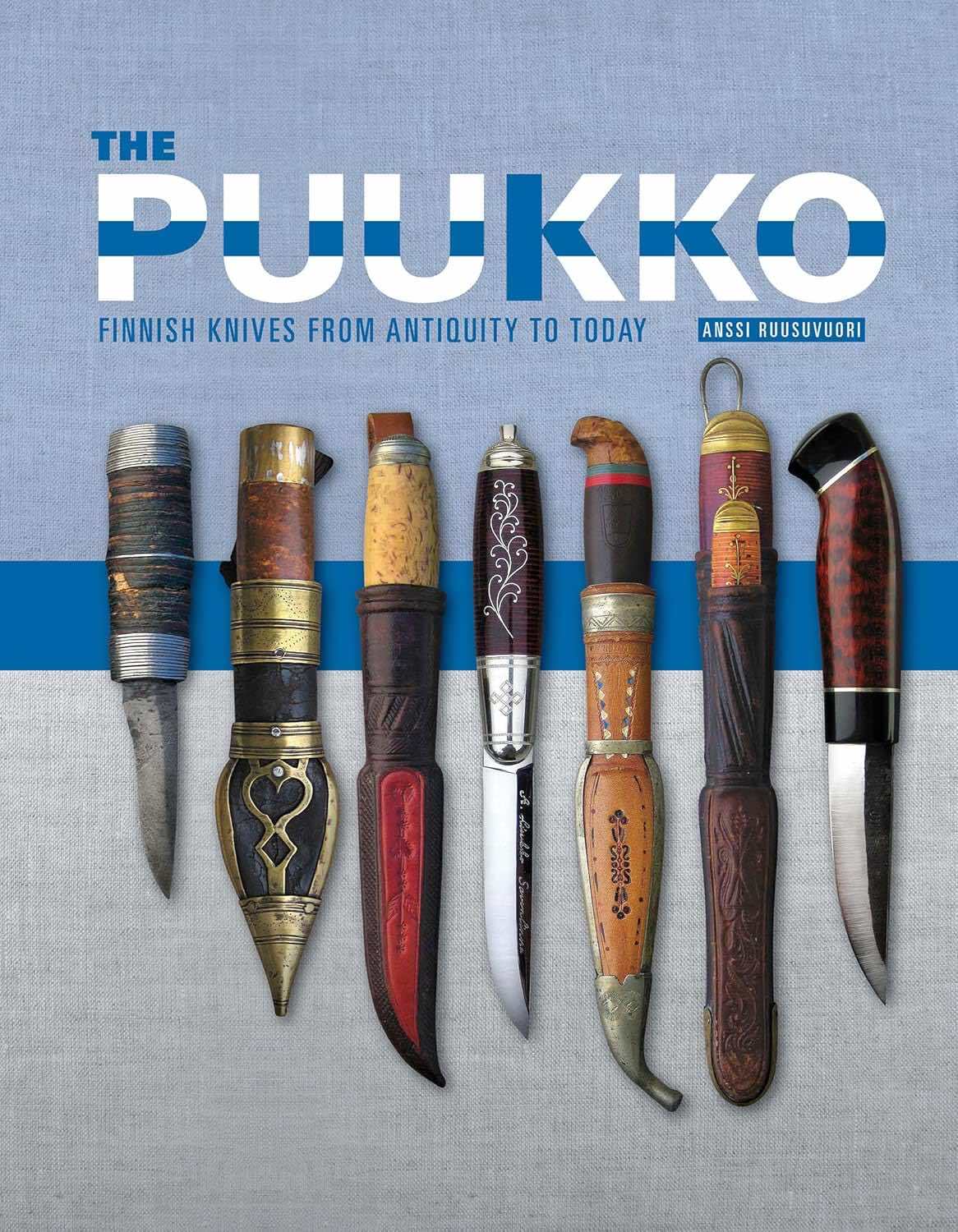
The Puukko : Finnish Knives from Antiquity to Today.

The reference book on puukko

For a Finn, the puukko is both the most important tool and the most feared weapon. One could almost say that the puukko For a Finn, it is as important as the samurai sword for the Japanese.

Anssi Ruusuvuori

Puukko Book

For all Finns, the puukko embodies both the most valuable tool and the most respected weapon. It could almost be said that in Finnish culture it occupies a place comparable to that of the samurai sword in Japan.


INTRODUCING


The most comprehensive and serious book published to date remains:

The Puukko : Finnish Knives from Antiquity to Today. Author: Anssi Ruusuvuori

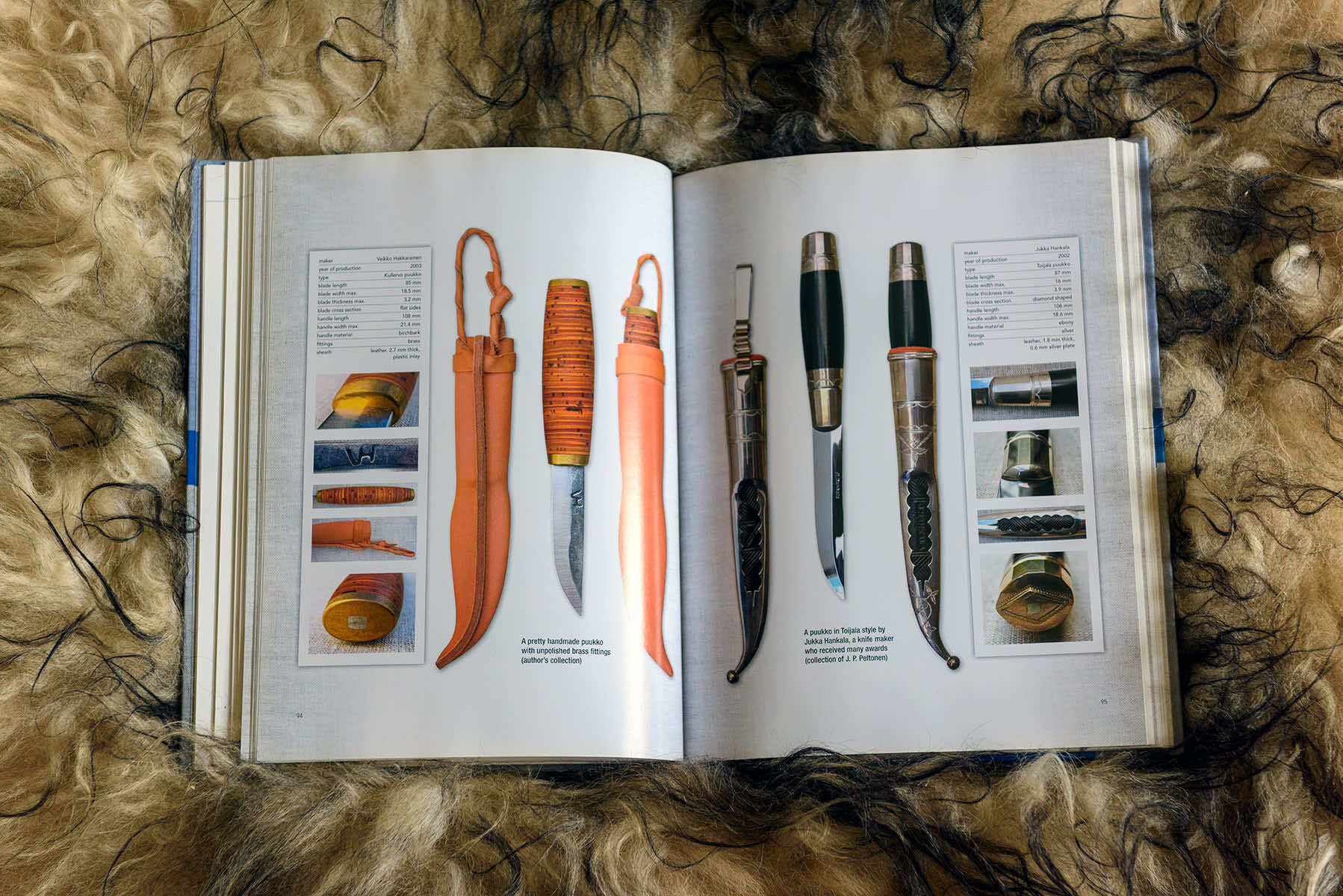
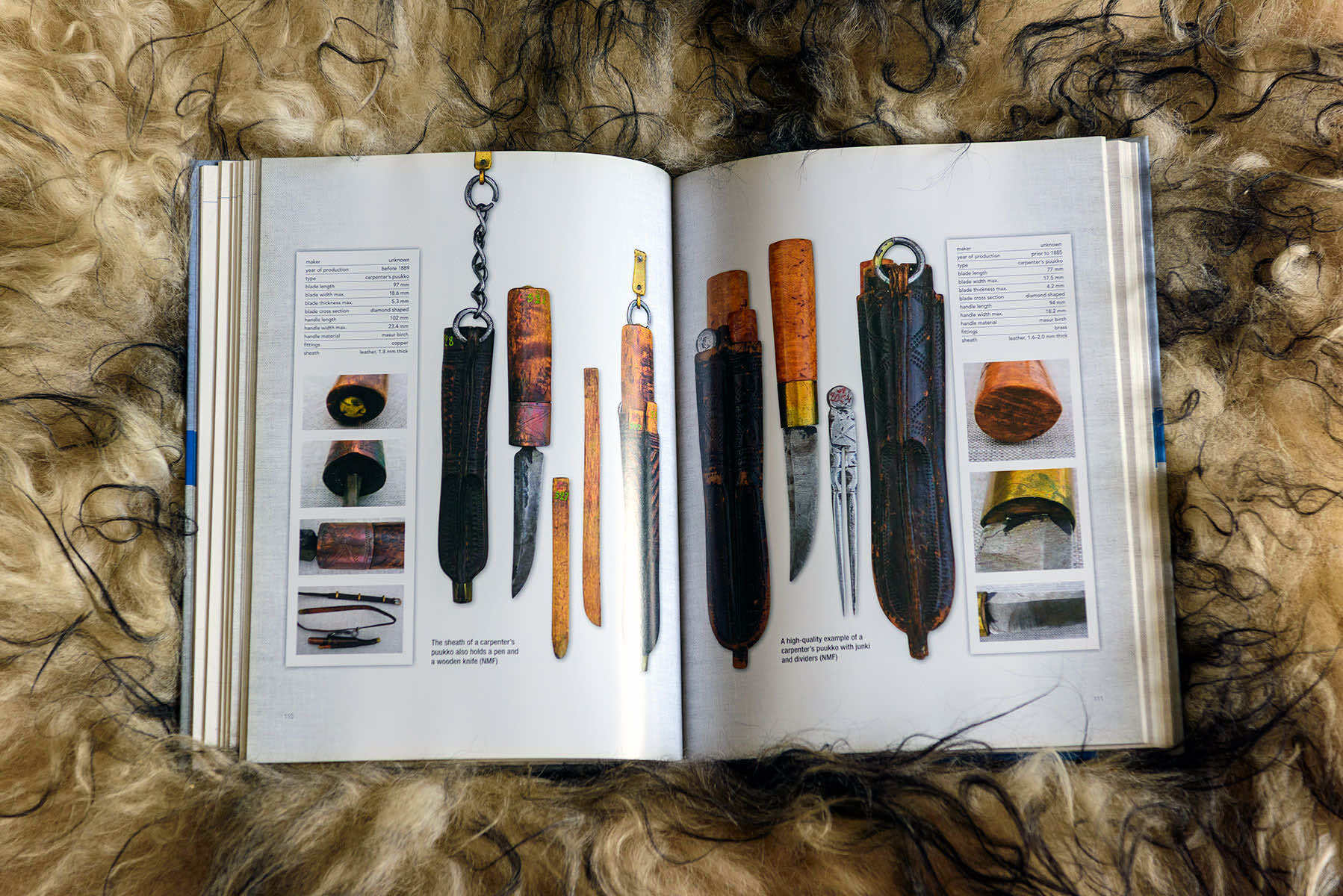
This is the current reference book (more than 200 pages, very richly illustrated). Anssi Ruusuvuori is himself an excellent manufacturer of puukkos and has won several national competitions.

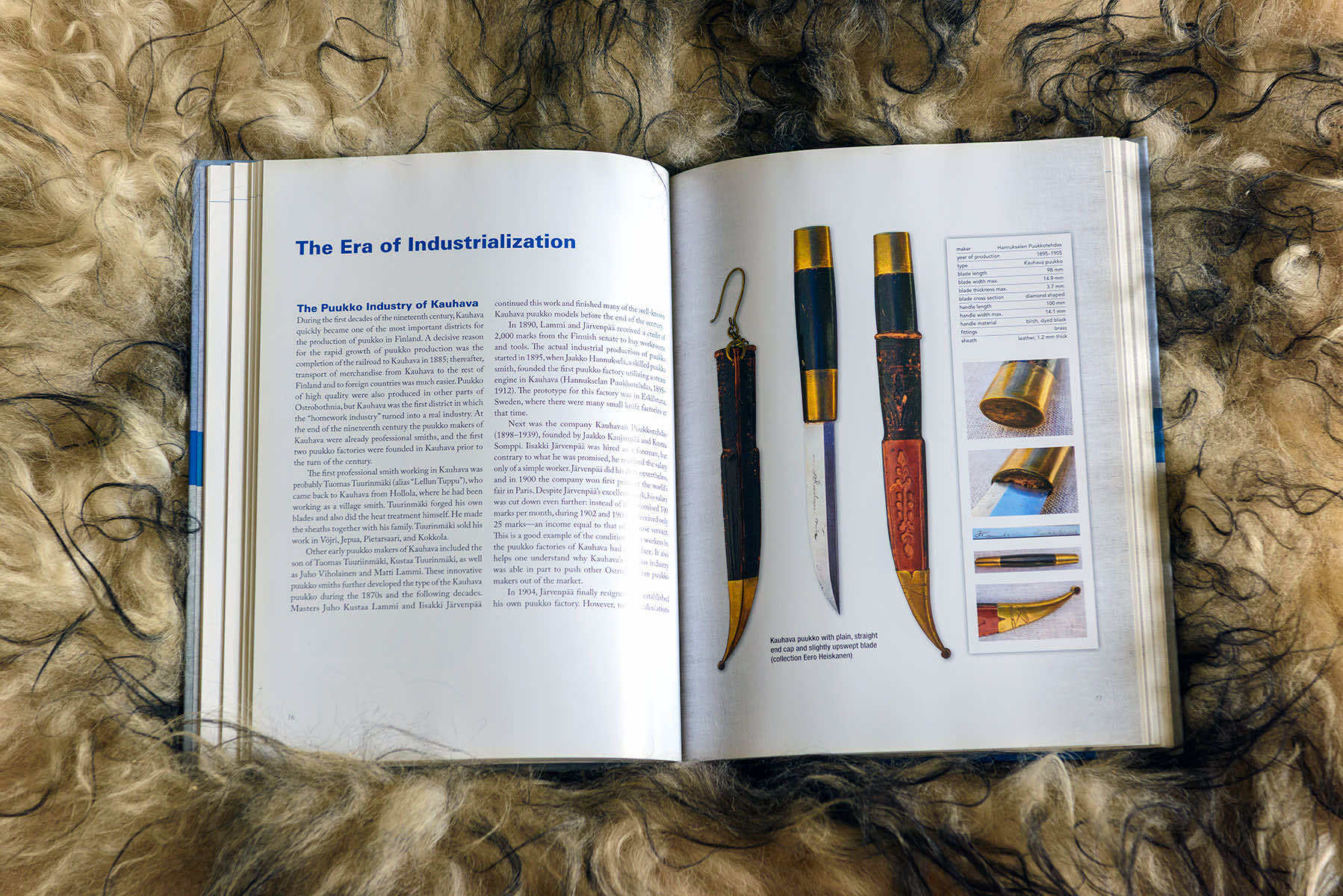
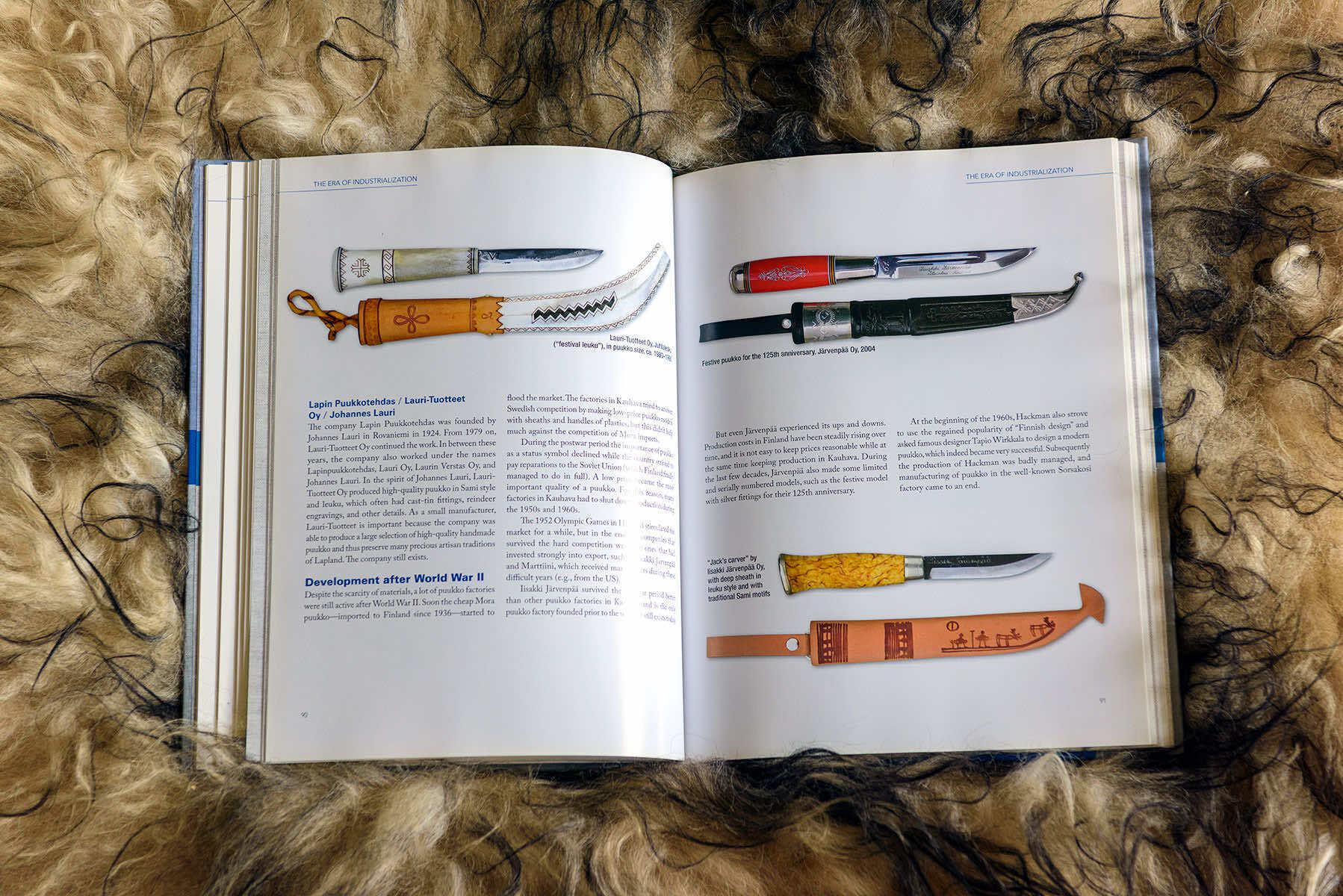
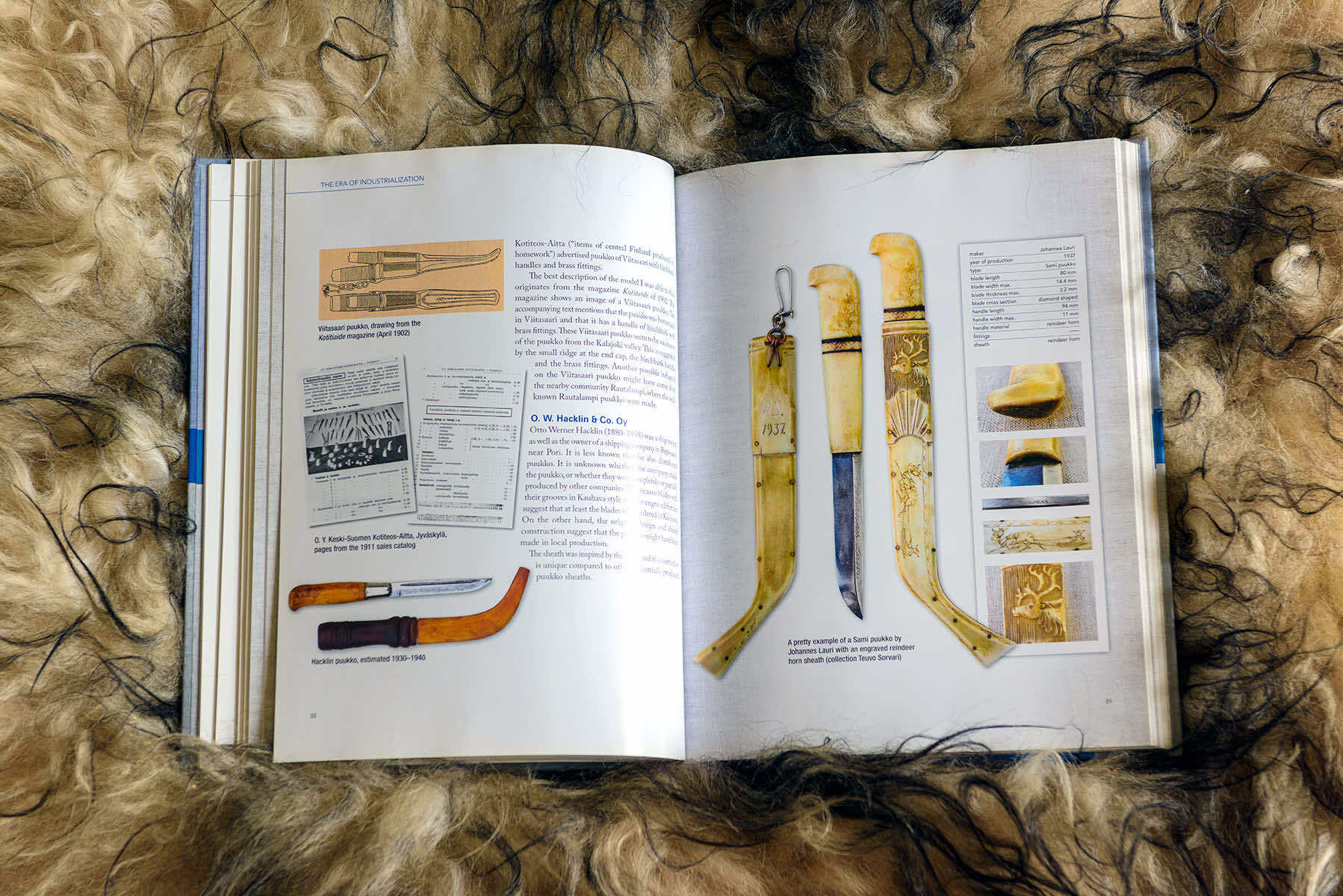
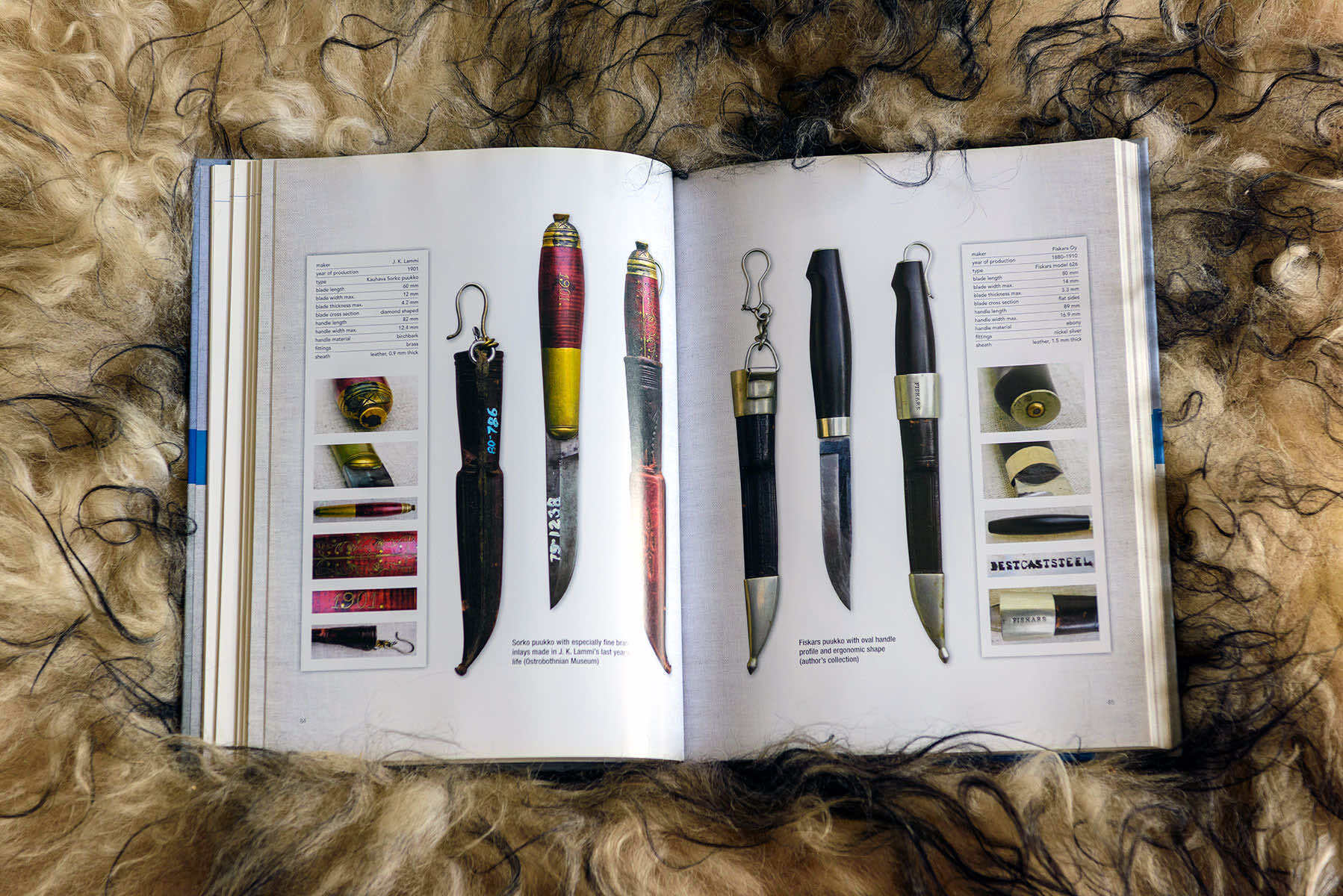
Anssi Ruusuvuori has traced the history of this remarkable type of knife in a previously unpublished form. It addresses the technical and aesthetic aspects of puukko and guides the reader through the history of this legendary tool and weapon, from the Viking era to today. It evokes the great blacksmiths of the era of industrialization at the end of the 19th century, as well as the rediscovery of the puukko in a recent past.


A BIG MORE ON THE BOOK

A mysterious and nearly two thousand-year-old weapon, the puukko has been manipulated over the centuries with the same conviction and dexterity, in times of peace as in times of war.

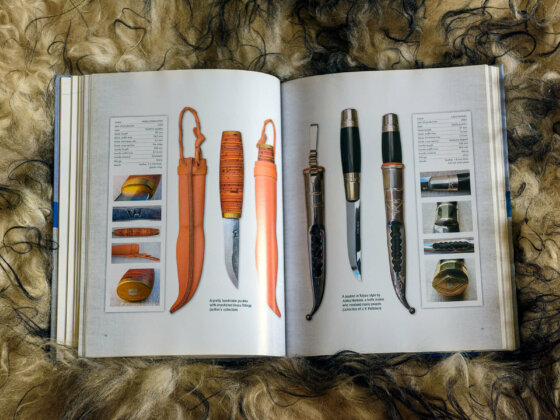
This reference book, the only one available to date, traces in an unprecedented way the history and diversity of the puukko Finnish, enriched with numerous photographs of exceptional copies. Anssi Ruusuvuori guides us with passion and precision through the evolution of this legendary knife, from the Viking era to today. It explores its technical and aesthetic dimensions, pays tribute to the great blacksmiths of the late nineteenth century — period of industrialization — and highlights the recent rediscovery of this iconic object.

The first part of the book the technology and history of puukko. The second presents the different types according to their materials and methods of manufacture, before dealing with regional variants and special models, indispensable to know for any collector or passionate. Over the pages, the reader discovers a real treasure of knowledge about this multifaceted tool.

During his long history, on puukko has been used for a wide variety of tasks: manufacturing household utensils, carving ornaments, scraping ice on cart wheels, cutting food, evisceration and counting game, fish or livestock, or raising a hole in the ice. He also played a role in protective rituals and served for self-defence and duels.

Sources of this study based mainly on the collections of Finnish museums and private collectors. The majority of the pieces examined come from the National Museum of Finland, supplemented by research conducted at the Museum of the Puukko Kauhava, the Peutra Museum, the Turku Regional Museum, the Aboa Vetus & Ars Nova Museum, the Ostrobotnie Museum, the Crime Museum, as well as various special collections.


A BETTER FIGHT ON THE AUTHOR

Anssi Ruusuvuori

Master cutlery

I have been a part-time cutlery since 1993. I make about 10 to 12 knives a year. My knives won several gold, silver and bronze medals at the National Cutlery Championships in Fiskars from 1996 to 2018. I have also often been on the jury.

I am currently vice-president of the Finnish Cutlery Guild and have been the main organizer of the Helsinki International Knife Fair from 2015 to 2019.

I was a lecturer and assessor during the « Finnish blade blacksmith » (2007 and 2012) « master blade blacksmith » (2009 and 2018), and I myself won the title of master blade blacksmith in 2018.

I have written several articles and two books totalling more than 700 pages on the history of puukko Finland. My other interests include training and teaching karate Wado Kai (since 1979), as well as composition and guitar.

Anssi Ruusuvuori

Anssi Ruusuvuori, author of the book on the puukko.

Who is he?
Anssi Ruusuvuori was born in 1963. He lives in Piikkiö (comune of Kaarina, near Turku, Finland).

He is an architect and acoustic consultant. The production of puukko and historical research are for him a part-time passion, which he practices with a very high level of demand.

Master cutlery (puukkoseppämestari)

  • He manufactures puukko Since 1993.
  • Since 2007, he has been forging almost all of his blades (steel, carbon 0,8 %, oil differential quench; it also tests stainless steels).
  • Anssi produces only unique pieces or in very small series (about 10 to 12 knives per year), highly sought after by collectors.
  • He won several gold, silver and bronze medals at the Finnish cutlery championships in Fiskars (including the gold medal in 2002 in the hunting knife category).
  • He was a member of the jury of these championships (2008-2012), lecturer and assessor of the Finnish master blacksmiths' formations, and director of the exhibition of the Helsinki Knife Show (2015-2019).
  • Finally, he is Vice-President of the Finnish Cutlery Guild (Suomen veitsentekijöiden kilta). In 2015, Suomen Puukkoseura named « Puukkoseppä of the year ». In 2011, his municipality of Kaarina awarded him a cultural prize for his contribution to the cultural puukko.

History and author
It is mainly thanks to his research work that he is recognized as the absolute reference on the subject:

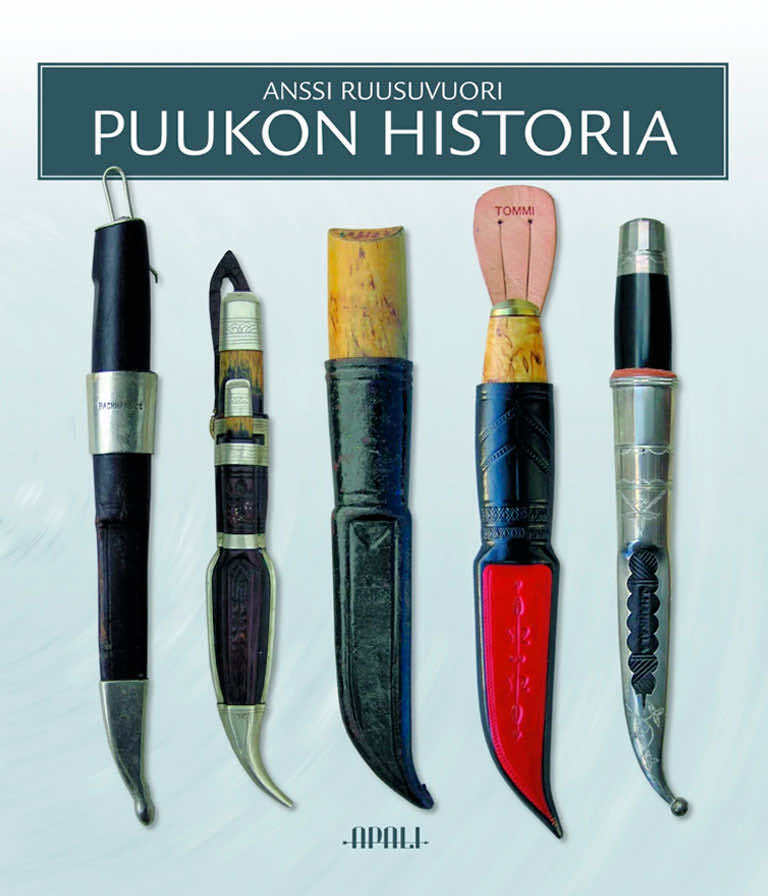
  1. *Puukon Historia (2009/2010, then reissue 2021): monumental work of 704 pages with more than 2,000 photographs in unpublished colours. He was nominated for the prestigious Tieto-Finlandia Prize (best Finnish non-fiction book).
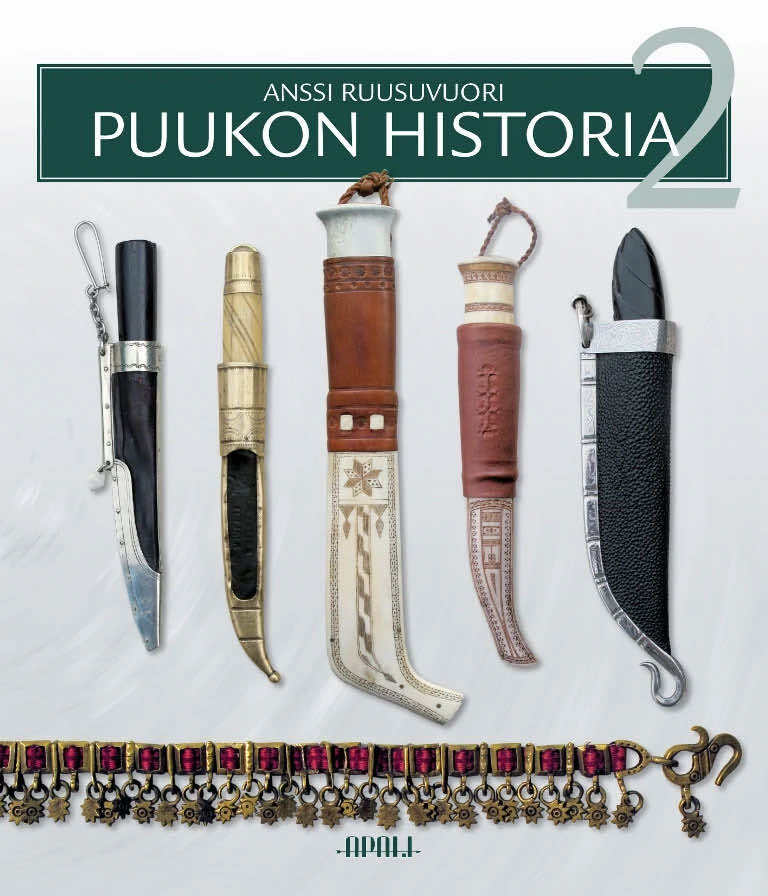
  2. *Puukon Historia 2 (additional, including leuku and puukko Lappons). More Condensed English Version: The Puukko: Finnish Knives from Antiquity to Today (Schiffer Publishing, 2020, 224 pages). *See banner below.

For these books, he studied in depth the collections of the National Museum of Finland (more than 150 years of acquisitions), the Museum of puukko Kauhava and many regional museums and private collections. It itself constituted an important personal collection of puukko historical.

Style and philosophy
It defends the principle « form follows function » while sometimes bringing elegant innovations (handle, sheath, details). Its influences range from puukko traditional Finnish craftsmanship and modern design (Tapio Wirkkala, etc.).

In summary, Anssi Ruusuvuori is at the same time a craftsman of excellence, a rigorous researcher and author of the inescapable reference work on the puukko Finland. It is a respected and warmly quoted figure in the middle of the Nordic cutlery.


PUUKON HISTORIA

*PUUKON HISTORIA

Volumes 1 & 2

Available from Antiquarian, Finland. Delivery worldwide.

Book summary

Puukon Historia 1: ~700 pages, originally published around 2009/2010 (Apali, ISBN 9789525026931), reprinting 2021 (Readme.fi, ISBN 9789523732247). Comprehensive reference book on history and models of puukko Finnish, with more than 2,000 photos.

Puukon Historia 2: ~767 pages, 2012 (Apali, ISBN 9789525877205), reprinting 2021 (Readme.fi, ISBN 9789523732254). Suite with focus on Nordic/Sami models, leukus, decorated belts (helavyöt), etc.

Antikvaari is a Finnish online service for ordering books and other new or used books from many bookstores throughout Finland. Buying is simple, fast and secure. Antikvaari complies with the regulation on distance selling of the Finnish Competition and Consumer Authority.

The books are in Finnish only (no known French version).


PUUKKOS ANSSI RUUSUVUORI

The master cutler Anssi Ruusuvuori is not only a great Finnish cutlery, but also an author whose articles and books deal – quite naturally – with knives puukko and their history. Ruusuvuori perfectly controls knives puukko both theoretically and practically.

Each knife made by Ruusuvuori is a rare piece, because it does not work in series. Each year, he creates around 10 to 12 completely unique collection knives.

Custom knives Ruusuvuori are very sought after by collectors. However, they are not intended solely for exposure; They also offer valuable and versatile help to bushcraft enthusiasts.


FORGE TECHNOLOGIES

Steel used
He works mainly with steel carbon 0.8% (equivalent to 1080 or, very often, 80CrV2).
It considers that nothing exceeds a zoned steel to 0.8% of the carbon for wood carving and fine work.
For some models for hunting or fishing, it also tests stainless steels (ATS-34, RWL-34, etc.).
→ How to recognize different steels

Process of forging and heat treatment
Since 2007, he has forged all his blades himself (except the slabs in damas which he sometimes entrusts to other blacksmiths).

Forge by hand
The blades are entirely forged by hand. It frequently leaves the forge marks visible on the flanks (finish « as-forged » This is an aesthetic signature of several of his pieces.

Differential trempe (zone tempering/differential heat treating)
This is the central point of his technique.
The blade is heated and tempered to obtain a very hard edge while maintaining a more flexible and resistant back.
This gives an excellent balance between lasting sharpness and strength (especially important for a puukko for sculpture and demanding work).

Oil dip
Traditional oil dip.
Documented concrete example: direct soaking from the forge in oil at about 40 °C.

Temperature income
Specific example of one of its blades: one hour's income at 220 °C, with a hardness of approximately 57-59 HRC.
This beach is typical for a puukko high performance: hard enough to hold a razor edge, but tough enough to withstand shocks.

Finishing the blade
Sharpening Scandi (flat bevel, often around 20°) hand made.
He insists much on the geometry of the edge, the straightness of the bevel and the finish of the « mouth » of the blade, which he sometimes considers as important as the choice of steel.

Philosophy
Ruusuvuori remains faithful to a very traditional Finnish approach while bringing great modern precision. It favours functionality (« form follows function ») and estimates that the differential quench on steel at 0.8% of carbon remains unbeatable for the traditional uses of puukko.

In summary: hand forge + oil differential quench + controlled yield on steel carbon 0.8% (especially 80CrV2) is the core of his technique.


Conclusion:

When I started this article, I only planned to talk about the book. Then the work and personality of Anssi Ruusuvuori led to more research. Not only did I discover the passionate writer, but also the meticulous and original craftsman in his approach to designing modern and inspiring puukkos. You can continue reading with another master blacksmith: Pasi Jaakonaho.

Thank you for reading this article and sharing it if you liked it.

Warm regards,

Photo credit: @Anssi Ruusuvuori

Subscribe to the newsletter.


Norway – Sweden – Finland

WHO MAKES THE BEST PUUKKOS?

Super Grand Quiz of Puukko : 50 questions on the puukko and Scandinavia

Super Grand Quiz of Puukko : 50 questions on the puukko and Scandinavia 1792 1008 Puukko - Finnish knives


The Super Grand Quiz with 50 Questions

Introduction:

The Grand Quiz in Scandinavia.
Fifty questions, one map, five themes:

  1. the blade
  2. History
  3. manufacturers
  4. the gesture — And what surrounds the knife when you put it away.
  5. Sami, duodji, sisu, sauna, kuksa, Kalevala.

The puukko is not an isolated object. He's got a life.
Still no correction along the way. At the end: score, profile, summary, and selected readings for you.

It's a long time, voluntarily.
You can stop whenever you want. The puukko He's waiting.

Good quiz!

Conclusion:

Fifty questions is not an examination. It's a map of the North, folded into your pocket.
If the questions about leuku, the duodji or Kauhava have stuck, follow the links of the recap, they will quickly catch up with what the quiz only touches:

You can do it again anytime.
And if you want to be shorter:

Warm regards,

THE QUIZ OF PUUKKO.FR

From the shortest to the longest. You don't have to do it all the same day.

The cutlery of the year in Finland since 2011

The cutlery of the year in Finland since 2011 1800 1197 Puukko - Finnish knives

Suomen Puukkoseura Ry is an association founded in 1995 with more than 1,200 members passionate about the traditional Finnish craftsmanship of the knife. The association aims to preserve and promote the rich tradition of Finnish knife, both nationally and internationally. It organises the « Puukkopäivät » May. Major event during which the best Finnish cutlery is dedicated.

Association events:

  • Knife manufacturing competition: competitions where members can show their skills.
  • Exhibitions of knives: presentations of different types of knives and manufacturing techniques.
  • Sales: opportunities to buy knives and accessories related to the production of knives.
  • Study trips: excursions to learn more about manufacturing techniques and the history of knives.
  • Training: workshops and courses to help members improve their knife manufacturing skills.
  • Puukkopäivät: the main event that takes place every year in May, celebrating the culture and crafts of the Finnish knife.

These events aim to promote interest in the production of knives and strengthen the community of enthusiasts.


About Puukkos

For more than 2,500 years, puukko is an integral part of life in Finland. He used to hide with his wearer, offering him security and comfort. He could save him from an ice clearing, free a horse from the overwhelming weight of a fallen load, build a shelter for the night or cut wood for a campfire. Even today, the puukko remains an essential tool for Finns and accompanies their wearer during hunting, fishing and hiking.

Puukkopäivät

THE BEST FINLAND COSTS

Finnish National Knife Championships 2026 at the Finnish Wildlife and Hunting Museum in Riihimäki, from 26 May to 27 September 2026.

Puukkopäivät

The winners from 2011 to the present

2011 Rauno Vainionpää
2012 Teuvo Sorvari
2013 Pekka Tuominen
2014 Erik Nylund
2015 Anssi Ruusuvuori
2016 Pasi Jaakonaho
2017 JT Pälikkö
2018 Eino Hell
2019 Risto Mikkonen
2020 Ilari Mehtonen
2021 Mauri Heikkinen
2022 Jukka Pekka Peltonen
2023 Eero Kovanen
2024 Eero Hanninen
2025 Jari Liukko
2026 …

Video Puukkopäivät

The main event that takes place each year in May, celebrating the culture and crafts of the Finnish knife.

Made in Finland

Knife days

Our flagship event is the annual knife party, held in May. During these two days, the official medals of the Finnish championship are awarded to the best cutlery in the country in different categories, and the Coutelier of the Year is designated.

We are also involved in organizing the Kauhava knife festival and the Hyvinkää event. Our members also take part in various events, such as hunting fairs and firearms. Some of them also won international cutlery competitions.


Other masters puukkoseppämestari Finnish

The title of puukkoseppämestari (Puukkos blacksmith master) is a highly selective Finnish official qualification. There are only about 15 people who hold him. The best known and respected are:

Major figures

Pasi Jaakonaho
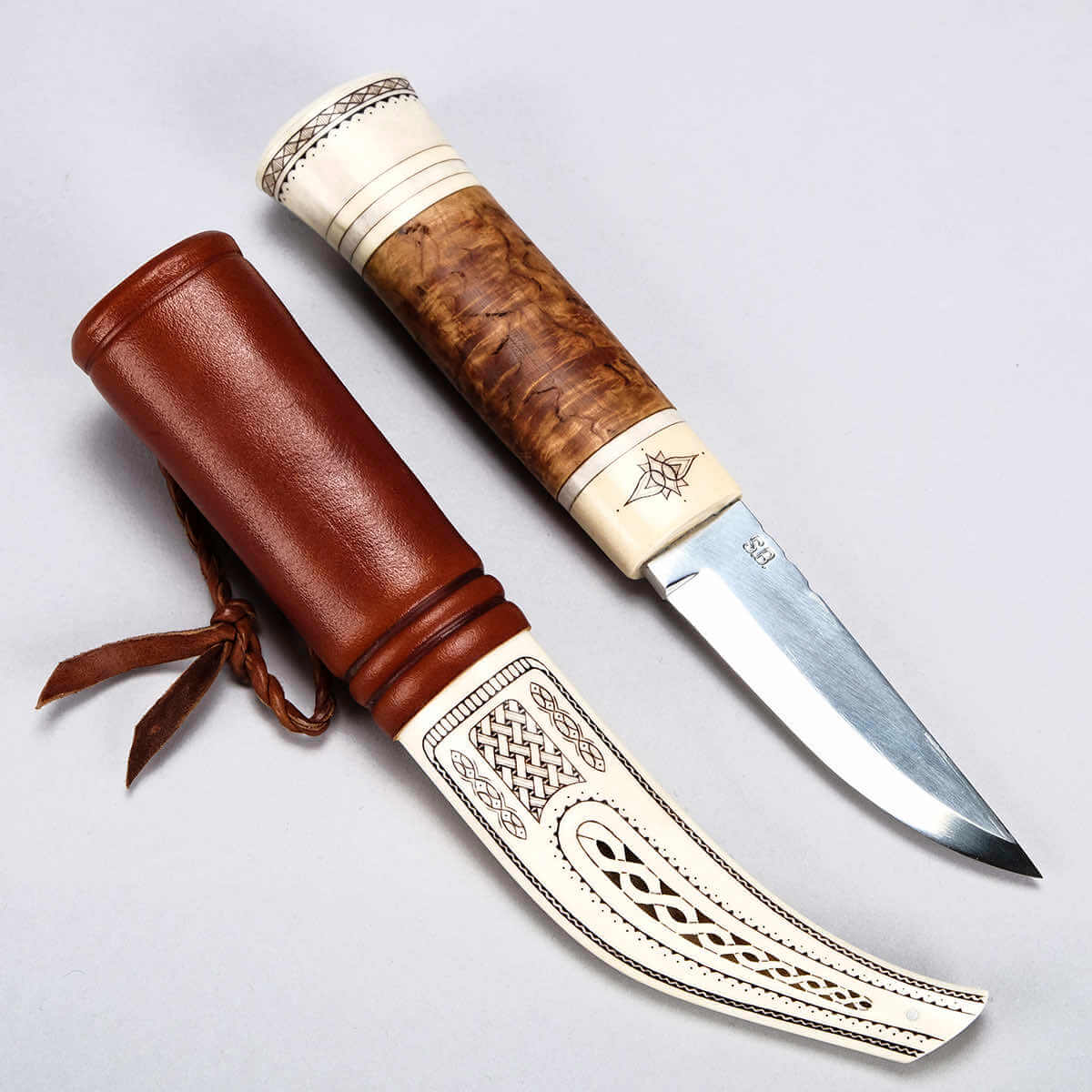
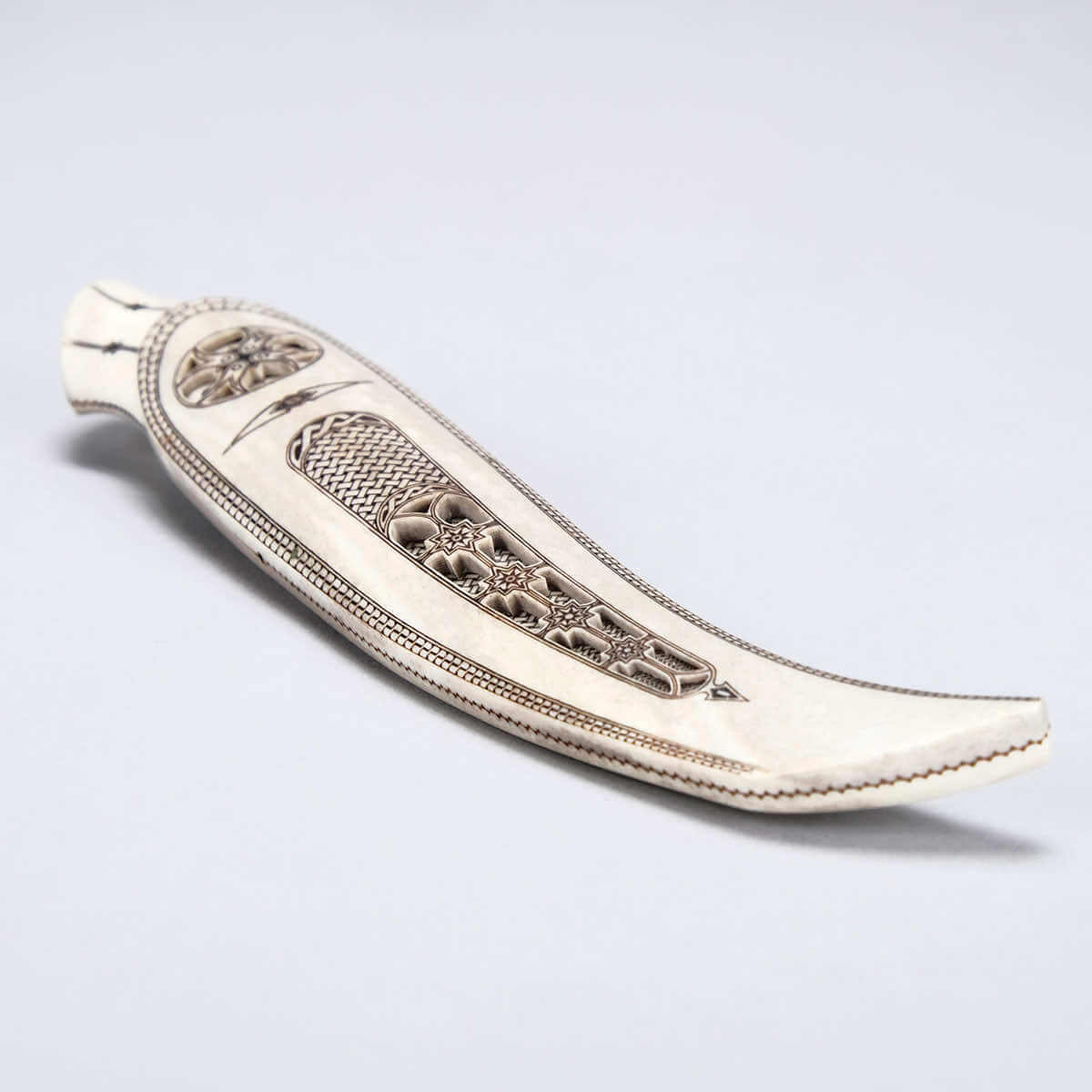
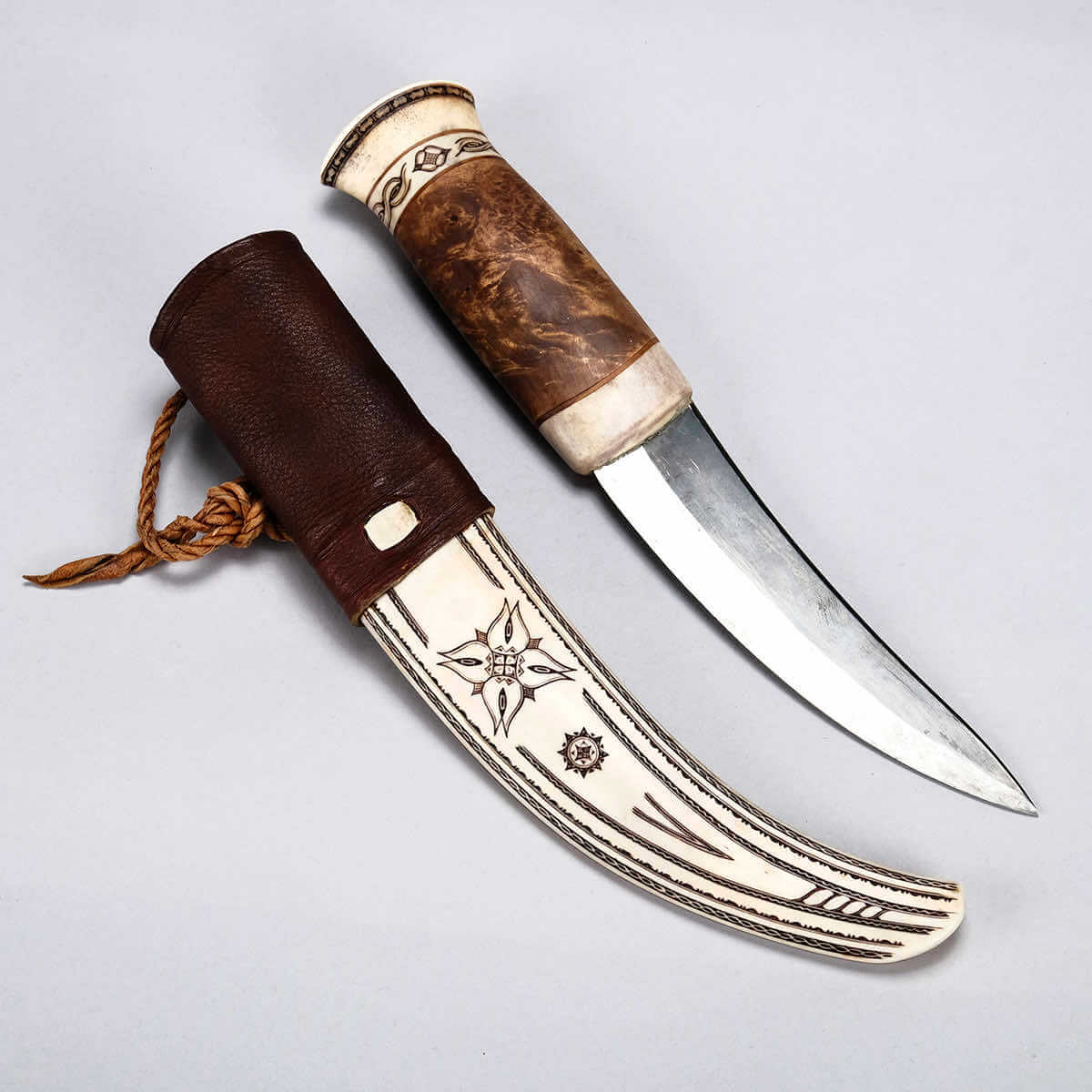
He is one of the few contemporary artisans to engage so accurately in the traditional Sami gestures and a contemporary aesthetic. His engravings on reindeer wood are a living demonstration of the mastery of his art.
→ Read article: Pasi Jaakonaho, master blacksmith based in Inari

Jukka Hankala
One of the very first masters (title obtained in 2009). Very famous internationally. Specialist of traditional puukkos and folding knives. Elegant style, irreproachable finishes.

Pekka Tuominen
Another pioneer of the title of master (2009). Known for its clean, minimalist and perfectly proportionate lines. Often long waiting list (1 to 2 years). Completely artisanal work, including damas.

Arto Liukko
Master since 2009. Specialist in traditional Finnish puukkos and models « festive » (Ornamentalized). Works with his son Jari Liukko (also master since 2018). Company: Puukkopaja Liukko.

J.T. Pälikkö
Recognized master, artistic and technical style very advanced. Also makes more contemporary pieces and swords.

Markku Vilppola
Very respected master, excellent level of finish and design.

Mikko Haverinen
Master and trainer important. Has formed many blacksmiths.

Other current masters and great names

Mikko Inkeroinen – Master, very productive, excellent level.
Teuvo Sorvari – Specialist in rare Vöyrin puukko.
Mauri Heikkinen – Linked to the Tommi tradition

All « Vuoden puukkoseppä » (year forgeron) and/or hold the title of master.

How do I recognize them?

The real puukkoseppämestari have passed a demanding national exam (practical test + technical memory). It's not a marketing title. Many of them regularly exhibit at Fiskars and European fairs. Their parts are usually within a range of 400 to 2000 € Depending on the complexity.

Report on Finnish Knife Crafts

Crafts of the Finnish knife, including knives of type « puukko »has a long tradition and is known for its quality and functional design. These knives are often made by hand by artisans and are appreciated for their usefulness and aesthetics.

This art continues to evolve, adapting to new trends while preserving its rich heritage. Successful artisans are those who integrate sustainability, customization and innovation while remaining faithful to traditions.

Current market trends

1. Sustainable practices:

  • Ecological materials: more and more artisans favour the use of sustainable and ecological materials, such as local wood and recycled steel.
  • Local production: the trend towards local production is growing, with increasing demand for knives made in Finland.

2. Personalization:

Consumers are looking for custom knives, which encourages artisans to offer options for engraving and customizing materials.

3. Aesthetics and design:

Modern designs, combining tradition and innovation, are gaining popularity. Craftsmen integrate contemporary elements while respecting traditional styles.

4. Technology and crafts:

The use of modern manufacturing technologies, such as laser cutting for complex motifs, is increasing, while maintaining craftsmanship.

5. Online Market:

The online sale of handcrafted knives is growing, allowing artisans to reach a wider audience. Platforms like Etsy and sites specializing in crafts are booming.

6. Education and workshops:

Interest in learning knife manufacturing techniques is increasing, with many workshops and courses offered by experienced artisans.

Conclusion:

Thanks for reading this article, think about sharing it if you liked it. I really liked the short video of the Puukkopäivät Blade Show, even though it dates from 2023. Friendly atmosphere and especially an incredible concentration of puukkos and various knives! Typically, the kind of place I should leave my blue card at the entrance 😉

I have also proposed many links to Finnish cutlery. Some do not have a website, some have old sites, others are at the forefront. It is always interesting to see everyone's work, knowing that the age range of these enthusiasts ranges from 20 to 70 years.

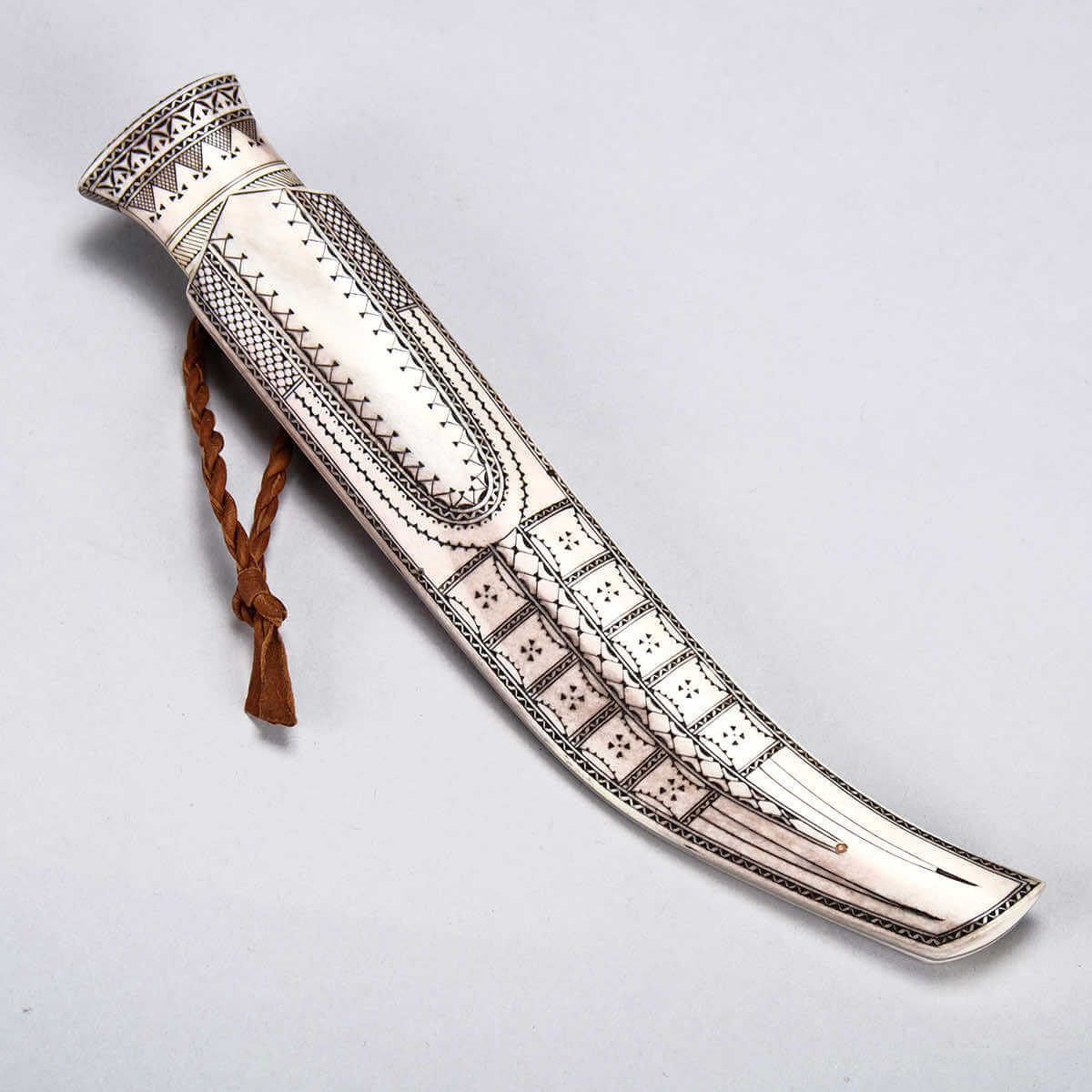
I'm still surprised at one thing, it's the little participation of the Sami in this contest... There is hardly any puukko in engraved horn. Nothing about it. Duodji or Sami craft excellence. Despite national participation, the association's headquarters are located in southern Finland. This may explain this...

Don't you want to leave now? Go to the blogI'm sure you'll find an interesting article. And, Subscribe to the newsletter !

Photo credits: the first illustration image was created by @Grok. The photos of the three galleries come from the site suomenpuukkoseura, all these puukkos participated in the contest. The other photos belong to me.

Warm regards,

Subscribe to the newsletter.

THE QUIZ OF PUUKKO

From 5 to 50 questions. The spirit of puukko Is it in you?

Grand Quiz of Puukko : 20 questions to test your knowledge

Grand Quiz of Puukko : 20 questions to test your knowledge 1792 1008 Puukko - Finnish knives


The Grand Quiz of Puukko

Introduction:

The puukko Sounds simple. Too simple, sometimes.
This time we get out of the express quiz. Twenty questions, one map, four themes:

  • the blade
  • History
  • marks
  • the gesture

No correction along the way.
At the end only: your score, a personalized profile, a summary, and two or three readings chosen for you.

Take the time.
A bad answer is not a failure — It is the acquisition of new knowledge and often the beginning of a new adventure.

Good quiz!

Conclusion:

The score counts less than what it opens.
If a question gets stuck, I suggest you follow the links of the recap:

You can start the quiz again as much as you want.
And if you want the level above: the Expert Quiz.

Warm regards,

THE QUIZ OF PUUKKO.FR

From the shortest to the longest. You don't have to do it all the same day.

Where to find collectible puukkos?

Where to find collectible puukkos? 1798 1200 Puukko - Finnish knives


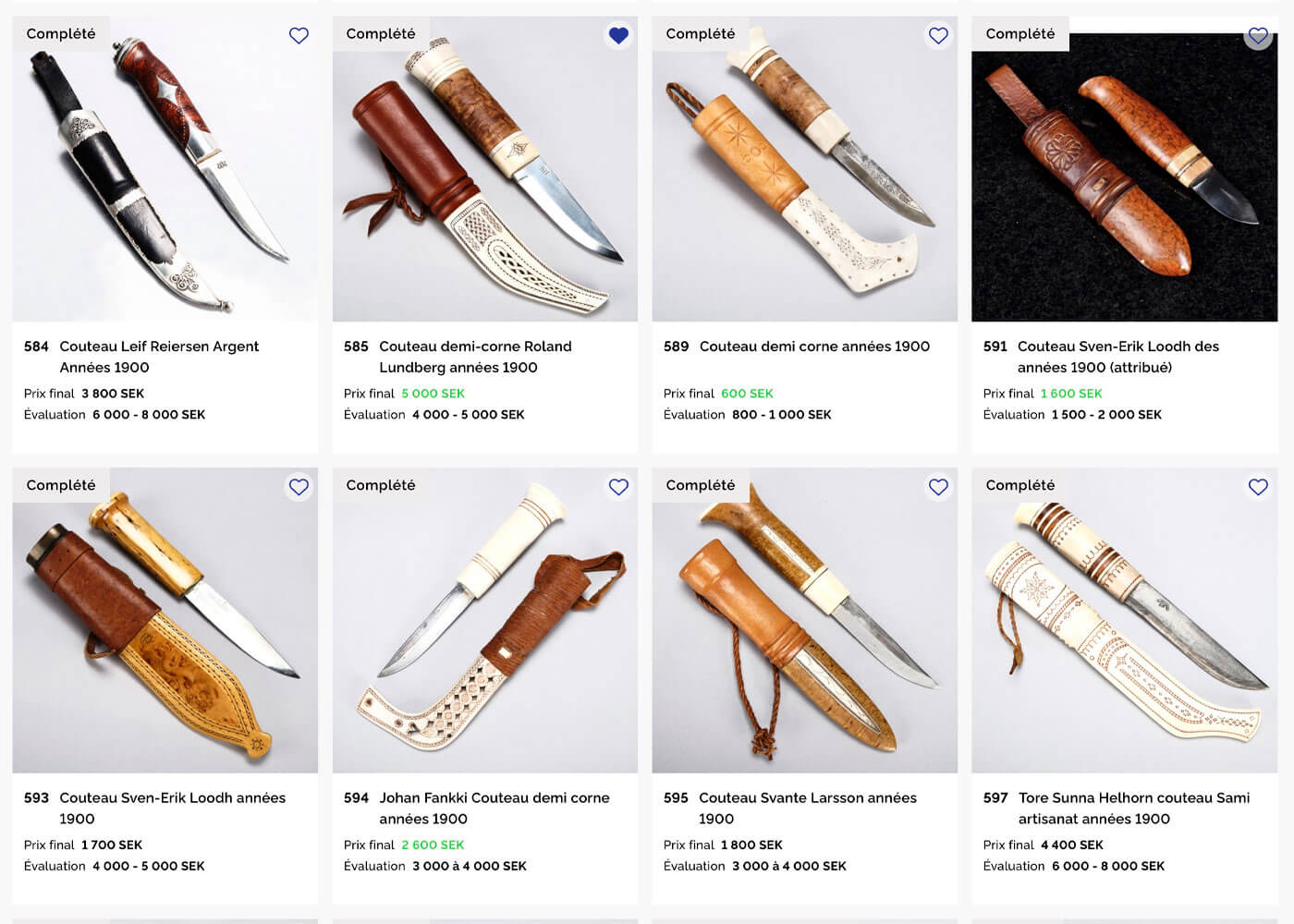
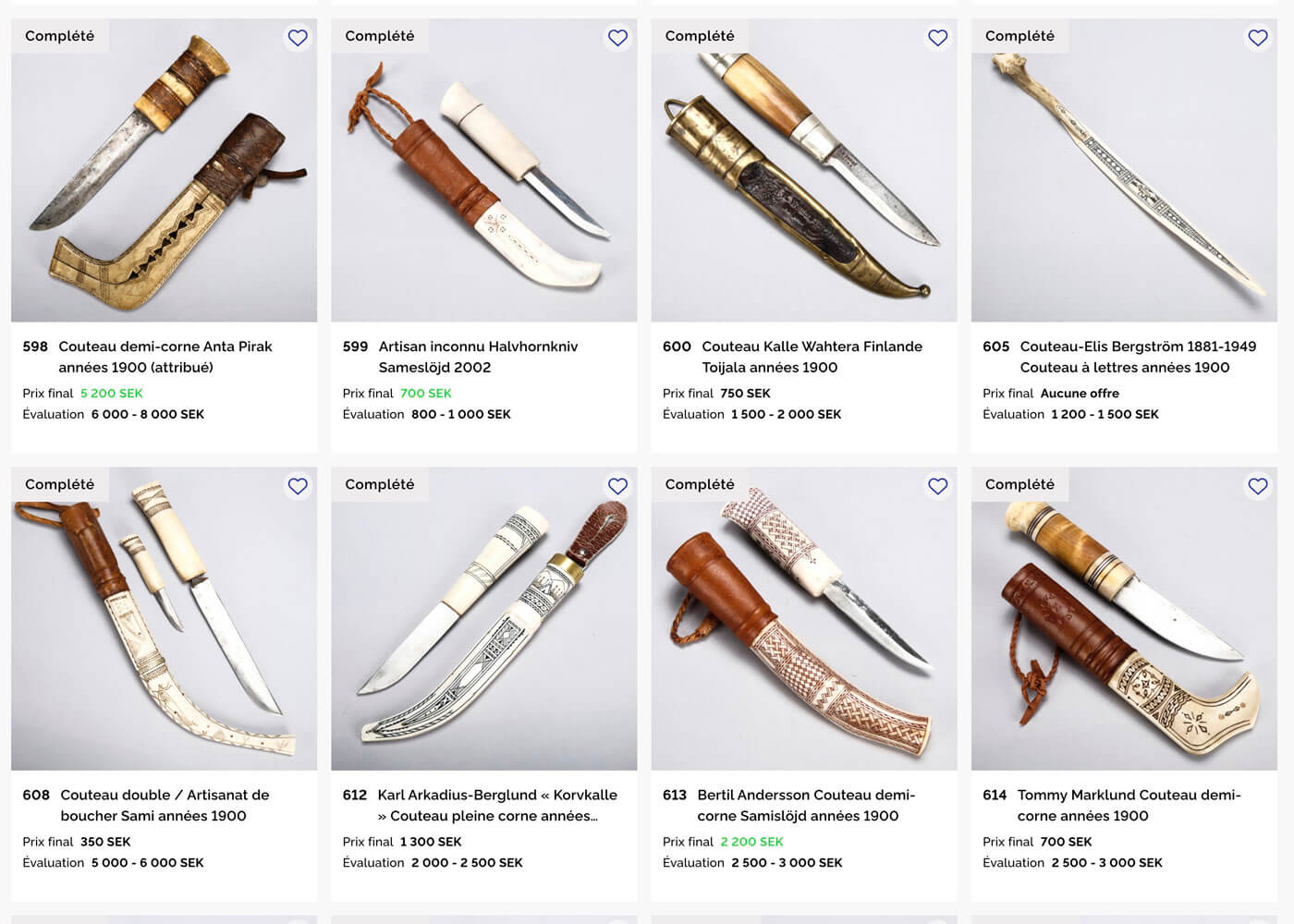
Swedish auctions.

Puukkos collection.

Norrlands Auktionsverk AB is Norrland's first auction house* focused on exclusive antiques, art and design. It's here you have to come to find collectible puukkos.

*Norrland is Sweden's northernmost region, covering about 60% of the country's area.

Where to buy a beautiful puukko ?

This is the question most often asked on puukko.fr

So I decided to do an article to help you find your happiness. To find beautiful puukkos, I remind you that you already have an article with many links here: Useful links on puukkos. I have grouped together the major brands and some artisans.

For the exceptional puukkos, it is in Sweden at Norrlands that it happens.

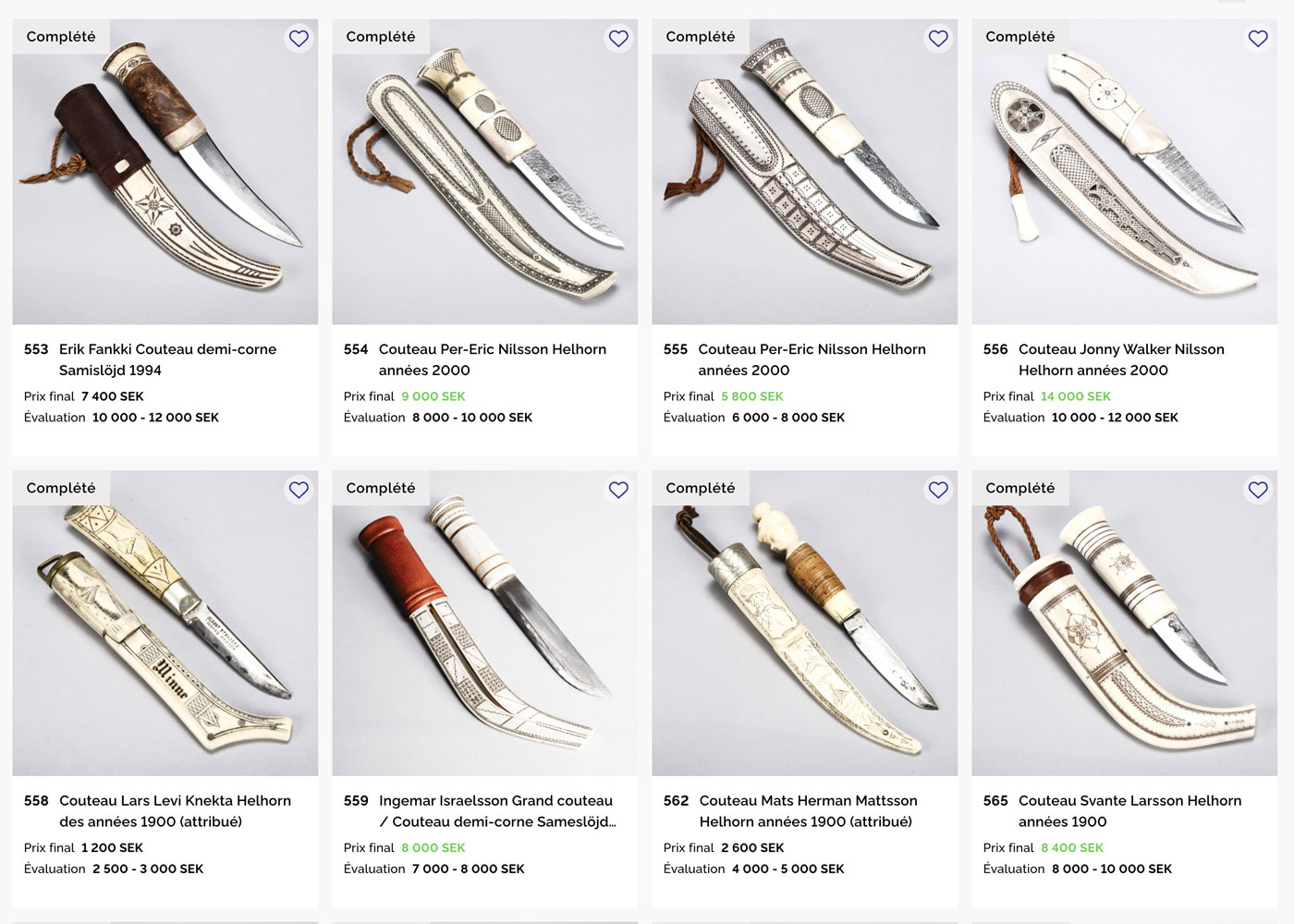
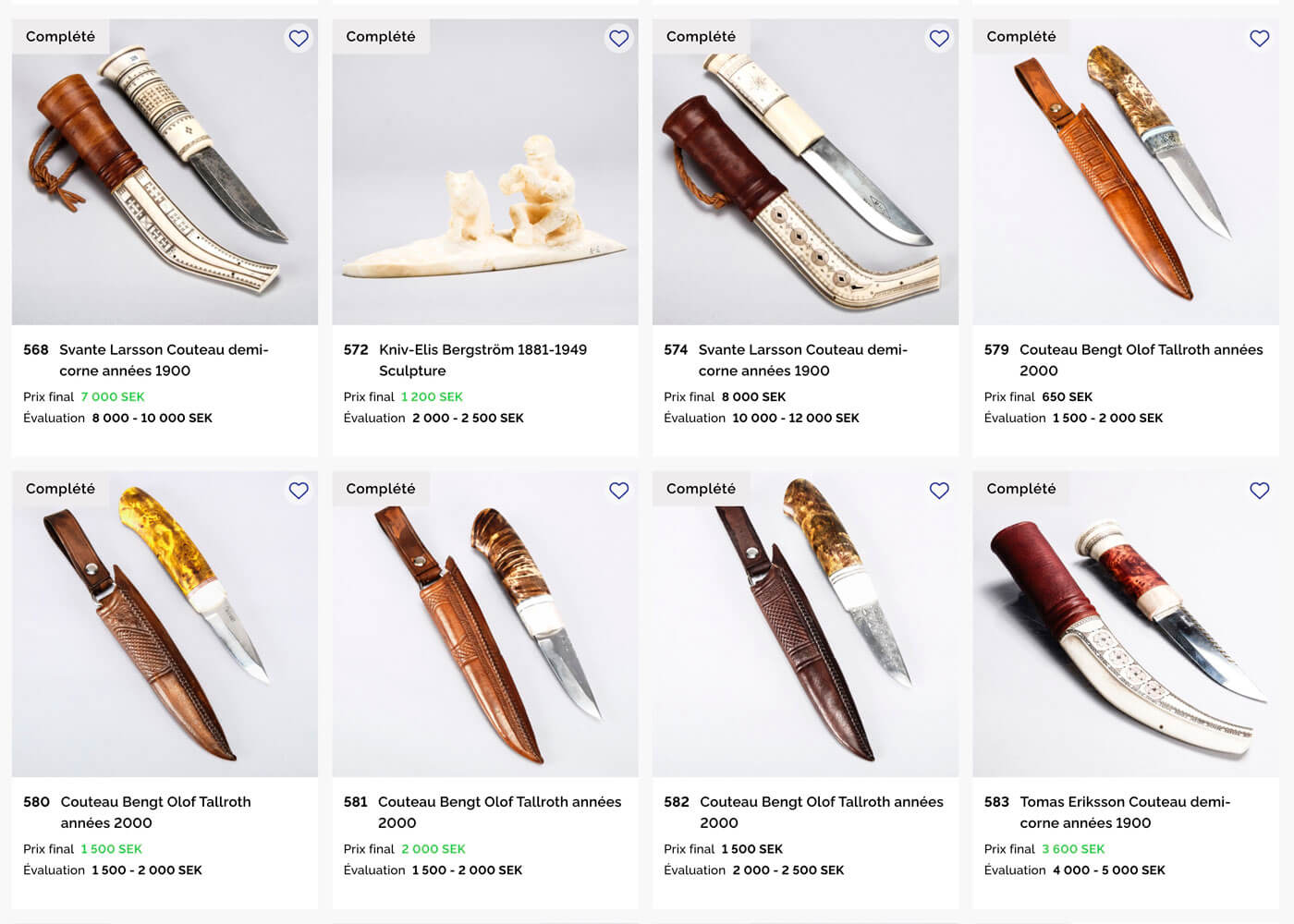
But know that you'll have to break the piggy bank. One puukko of collection in good condition and signed by the artist will cost you 500 to 2,500 euros. To which must be added the buyer's commission of 25%, the stamping fee (about 10 EUR) and the cost of shipping with insurance +/- 50 EUR. A craftsman like Bertil Fällman For example, is one of the most popular and expensive artists on the market.

To get a quick idea of prices, just divide the Swedish krona (SEK) by 10 to have the euro equivalent. Accurate exchange rate for May 2024: 1 SEK = 0.0851235 EUR – Link to a converter.

Bertil Fällman, Piteå (1920-2020) began late in his life as a cutlery, but he practiced continuously for thirty years and when he died in 2020 he was one of the country's most qualified artisans. He has won the Swedish championships several times and has gained international fame. Inspired by Sami culture, he has created art works of the highest quality in reindeer horn and birch of Mazuria.

What makes the price of puukko collection?

  • First, the finesse, quantity and complexity of the engraving on the sheath and handle.
  • The quality and materials of the blade. High percentage of carbon, stainless steel or damas.
  • The famous « click » closure when the puukko in its sheath. It must be clear and frank.
  • Of course, its general aspect.
  • Finally, very important, the master's signature must be present and legible.

The basic idea of Norrlands Auktionsverk AB is to serve the entire Norrland with professional evaluations and international sales. Norrlands maintains high final prices for exclusive art and local objects. Norrlands Auktionsverk AB relies on in-depth reflection on service and expertise.

Photos : @Norrlands Auktionsverk AB

Examples of auctions

Auctions of 2 May 2024 at Norrlands

These screenshots give you a precise idea of the prices offered on this lot of puukkos. The biggest auction that day for a puukko signed Jonny Walker Nilsson, is raised to SEK 14 000 (about EUR 1,200 + charge = +/- 1 500 €).


Scandinavian Spirit

My most beautiful puukkos


Conclusion:

Be patient! Several times a year there are beautiful puukkos auctioned, you will only be embarrassed with choice. Be careful too, because it's all in the last minutes. Set yourself a budget and do not exceed it, while taking into account the ancillary costs we have seen above in the article. Finally, I would not forget three other major sites in the sale and purchase of puukkos at auction:

  1. Bukowski
  2. Aucti()net
  3. Stockholm Auktionsverk

Nikkarinpuuko from Roselli

Nikkarinpuuko from Roselli 1798 1200 Puukko - Finnish knives

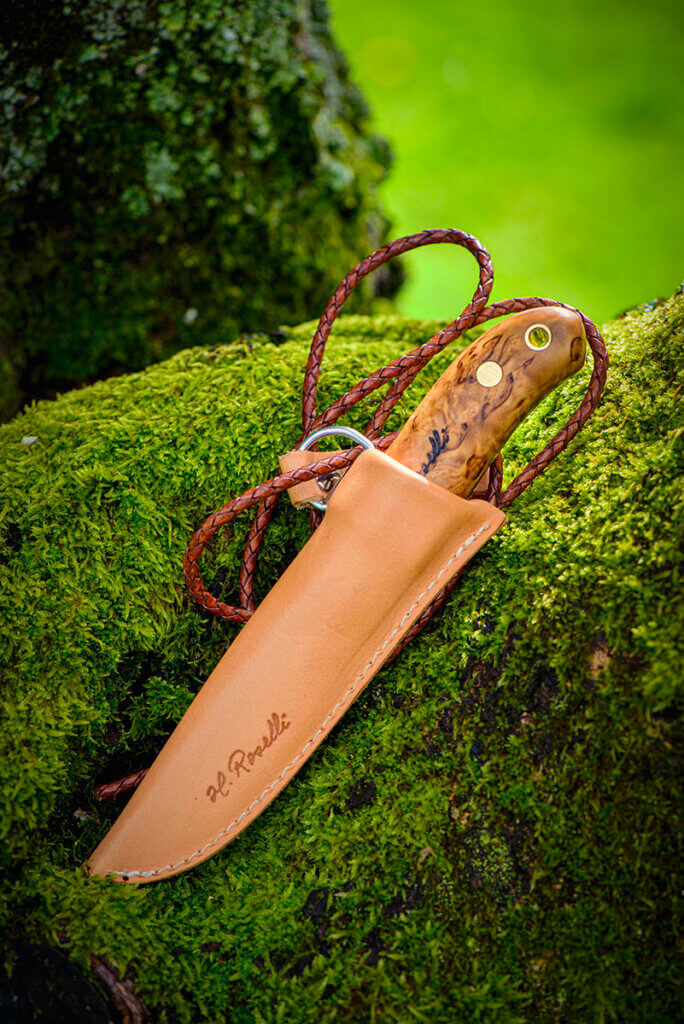
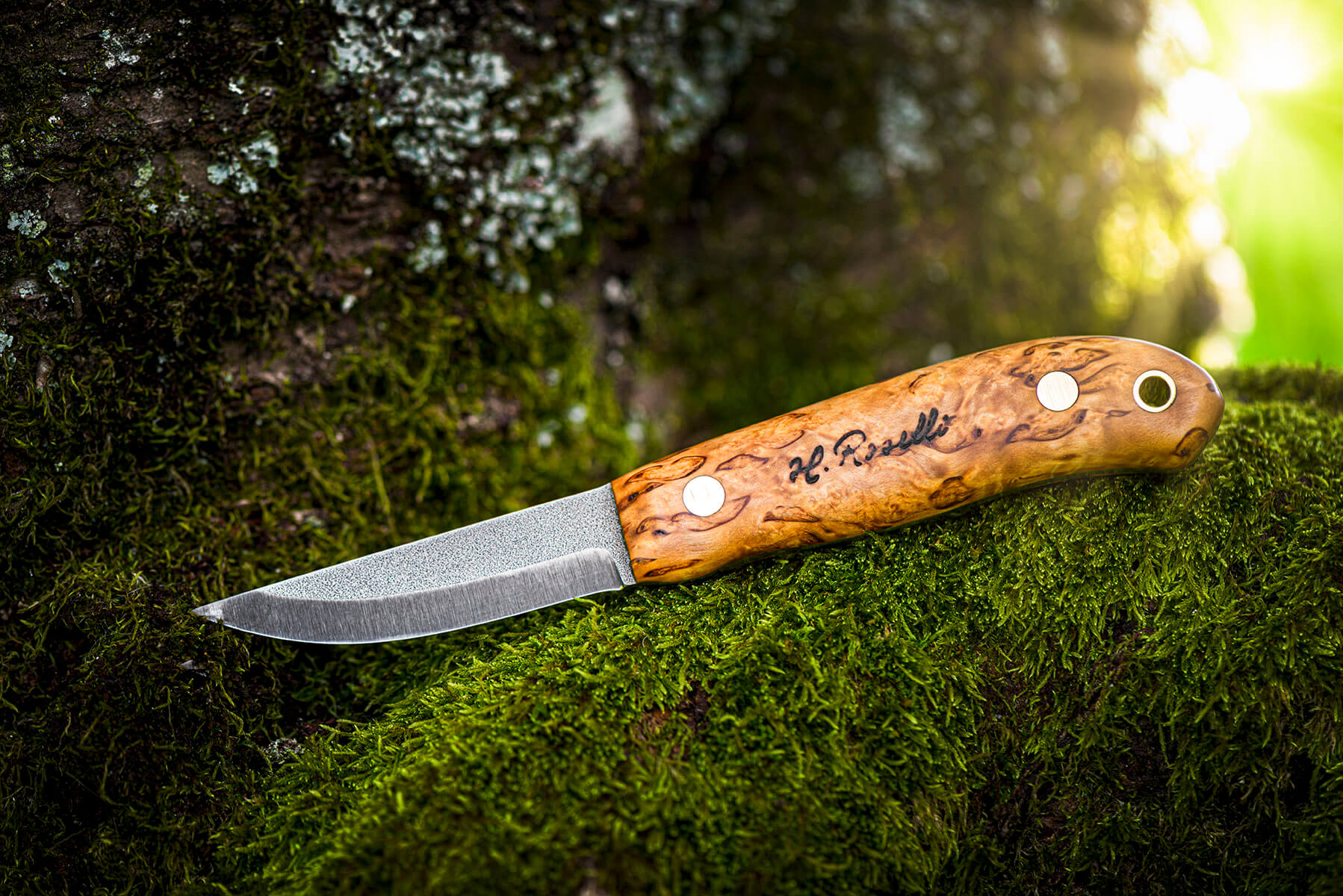
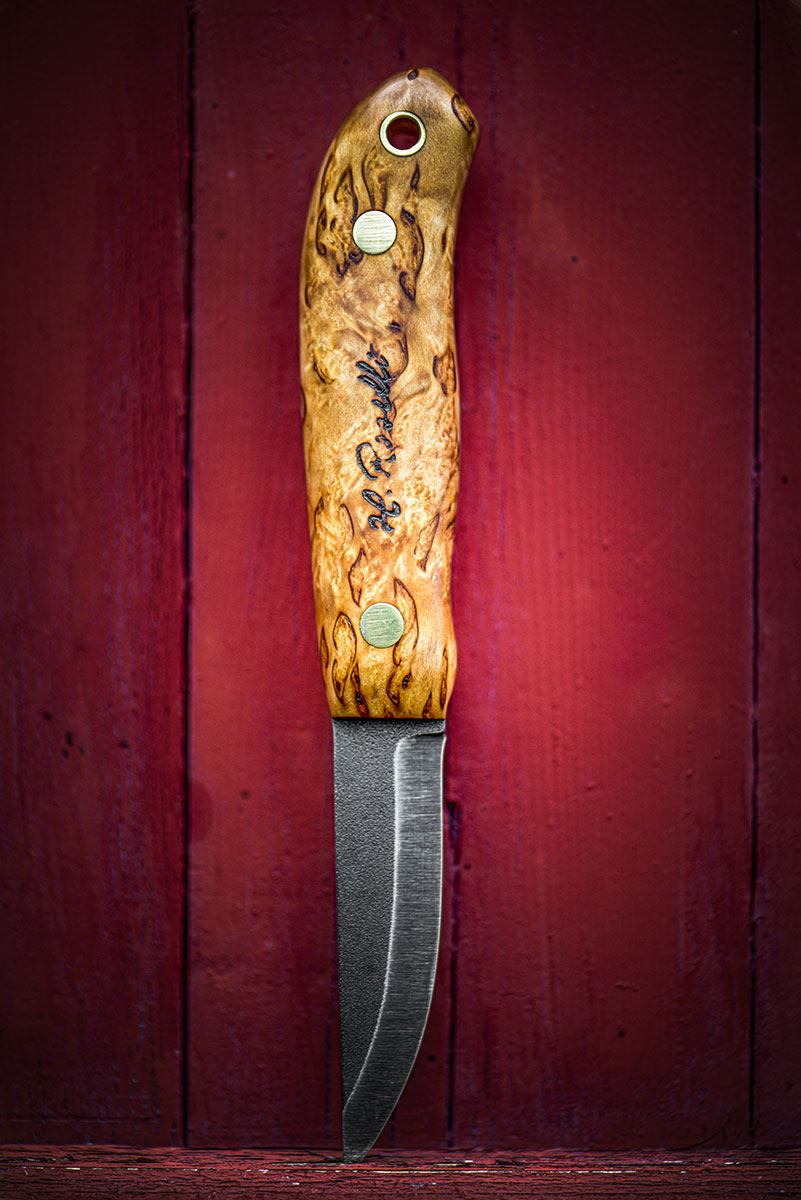
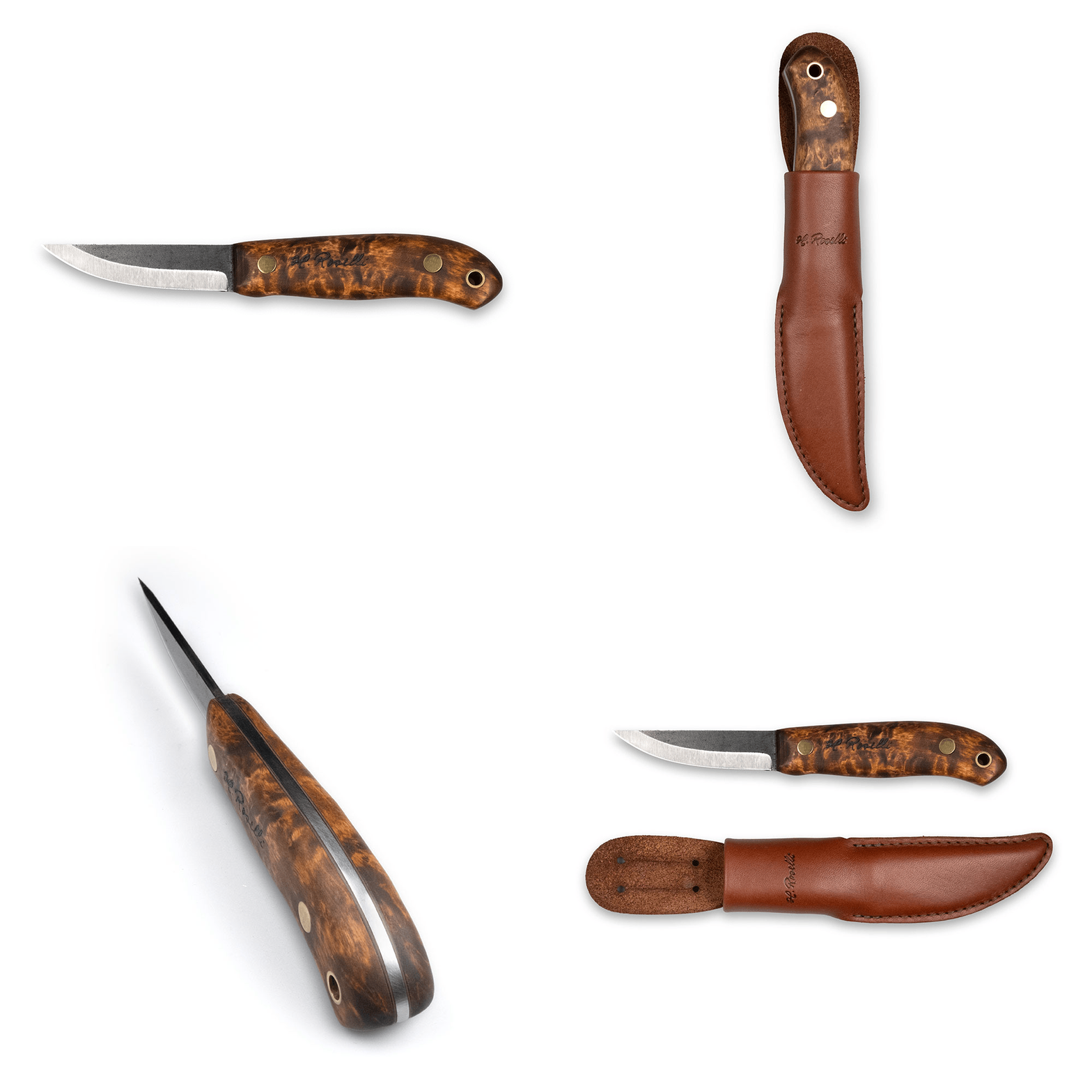
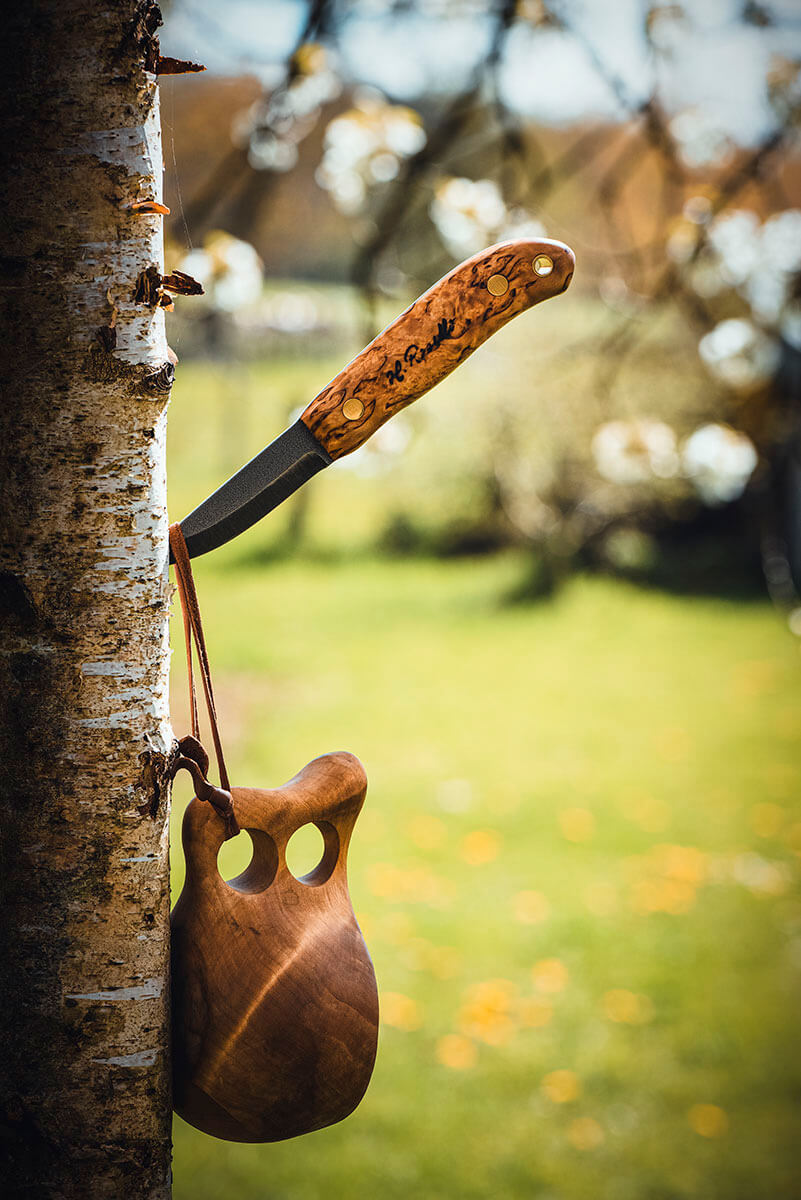
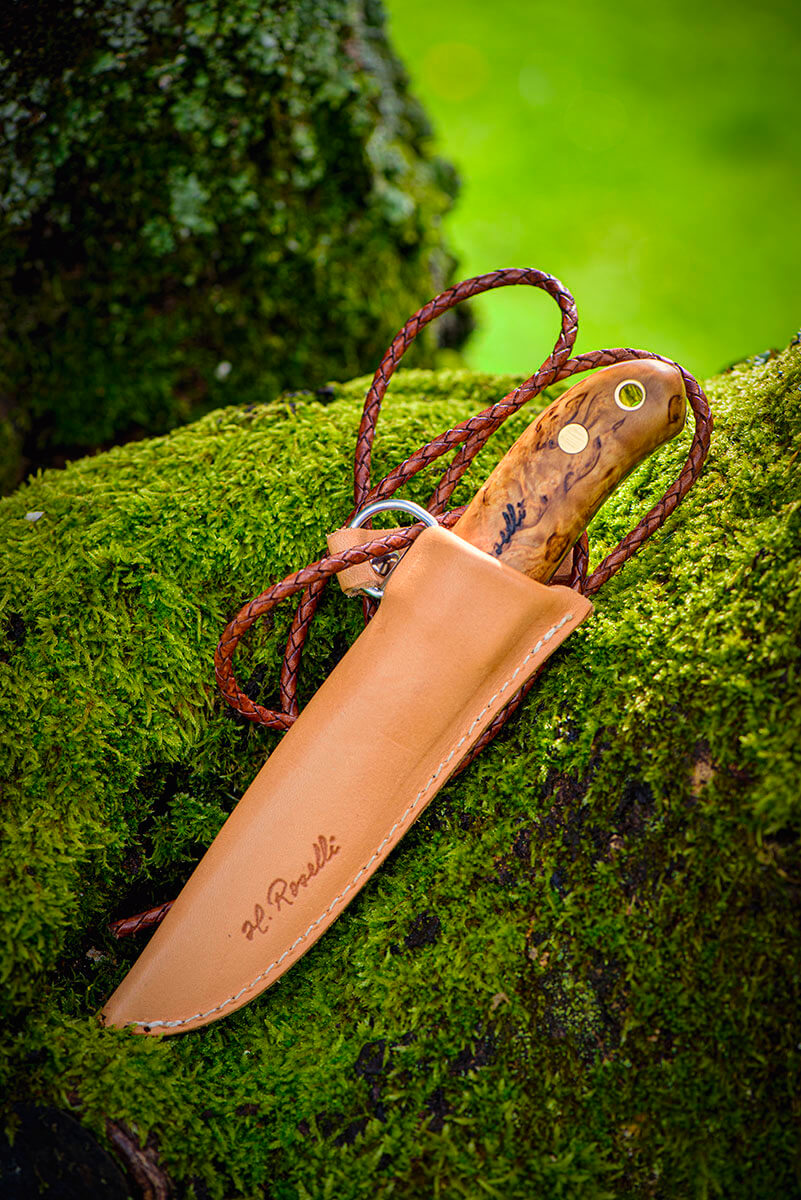
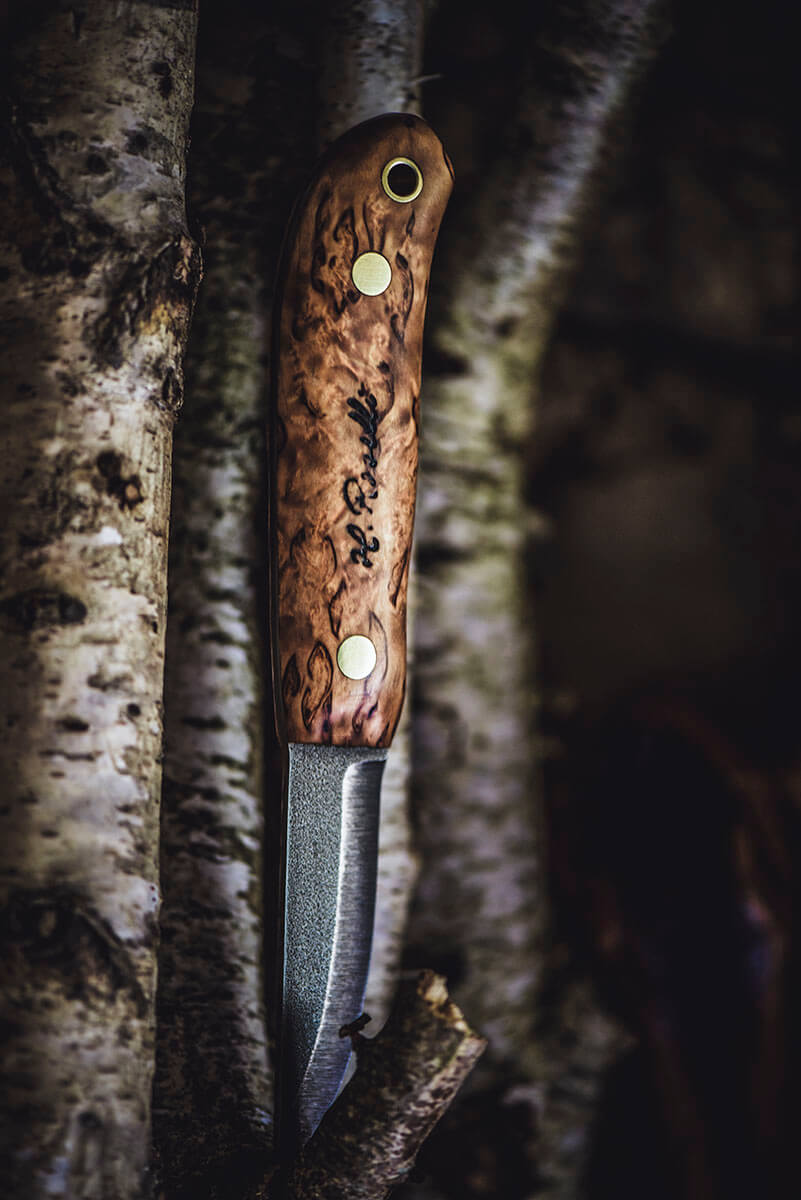
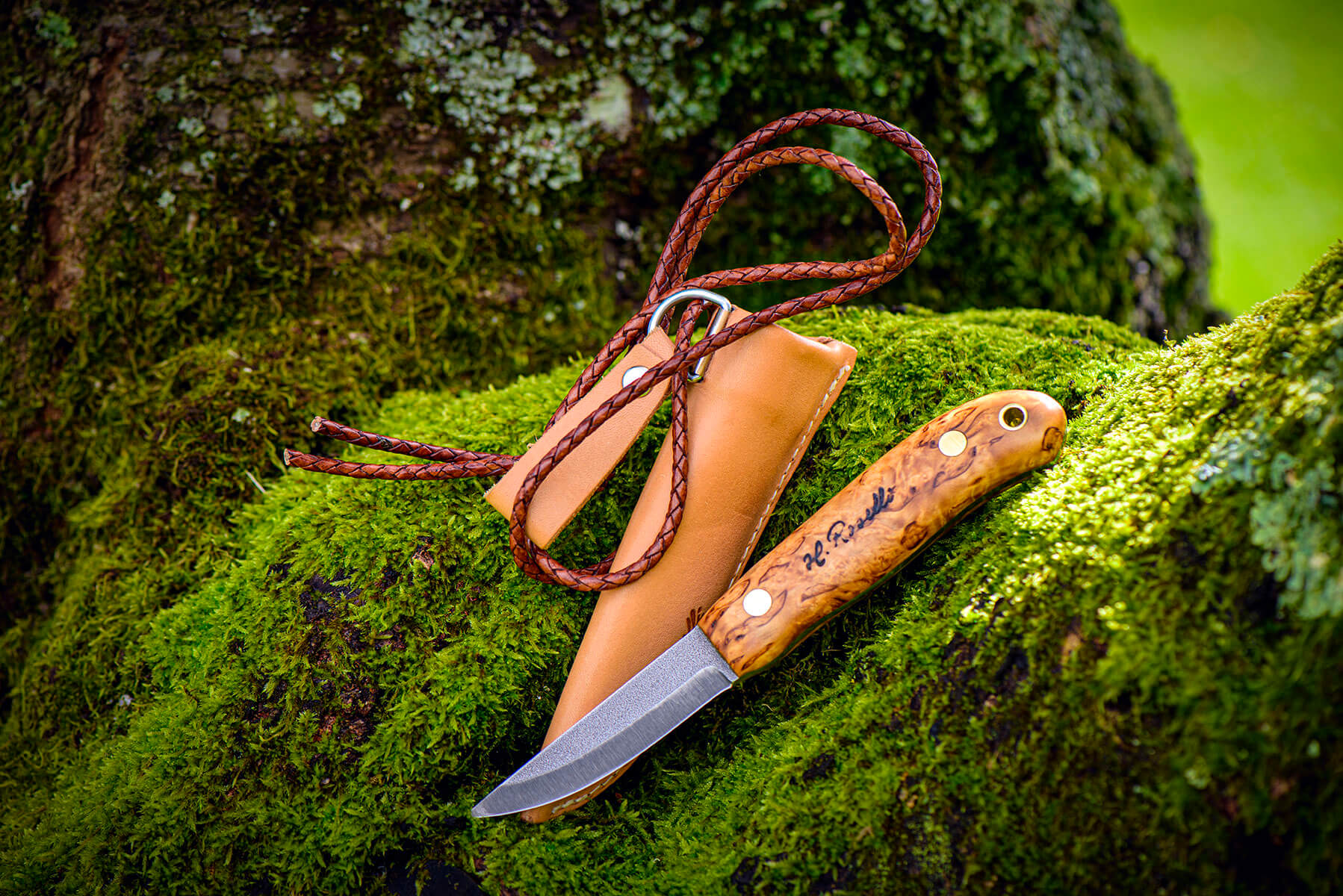
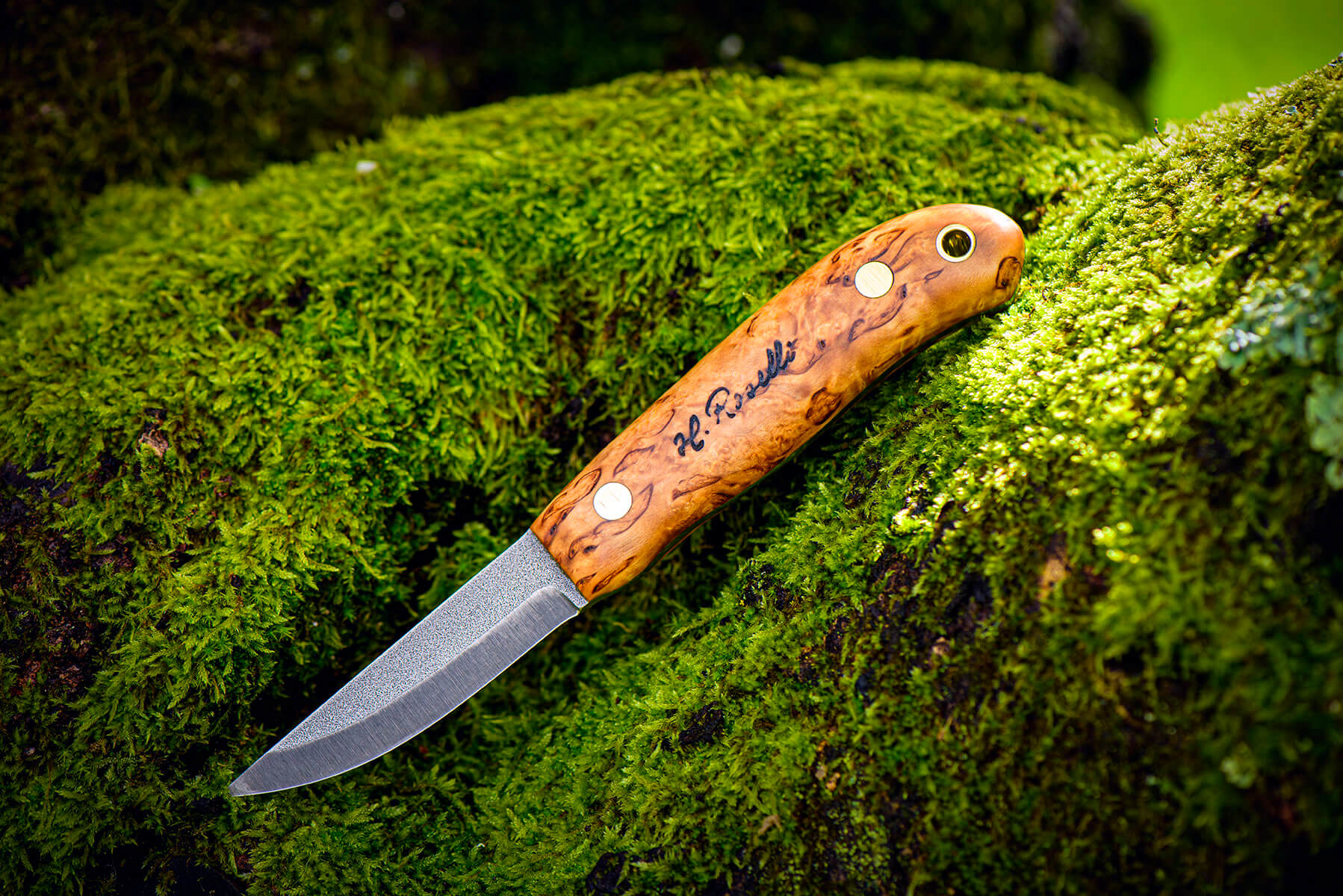
It's one of the best puukko And yet I have a hundred! When I wrote the article: What is a good puukko ? I could have put it at the top of the list so close to perfection. And, Roselli Don't pay me to say it. Its weight a little high because of its blade that crosses the whole handle (145 g) gives him an exceptional grip! The shape and beautiful birch tip that serves as handle There's a lot to it. Its proportions, classics for a puukko, make it easy to trim. This Nikkarinpuuko From Roselli's is a tough guy.

  • Total length: 200 mm
  • Blade length: 85 mm
  • Blade thickness: 3 mm

What is a full silk knife?

A full silk knife is a knife whose blade extends over the length of the handle, offering increased resistance and durability. The steel part of a knife is therefore what we call the « silk ». However, this steel part usually departs from the edge of the blade towards the handle either by extending completely to the extreme end of the blade or by entering partially into the blade handle knife. On the basis of these different styles, the knives are classified into complete silks, semi-soys and intermediate partial silks.

Full silk knives are renowned for their robustness, balance and ability to withstand difficult tasks. They are often used by kitchen professionals and outdoor enthusiasts.

Finding the best knife is a real challenge.

Young Heimo Roselli took up this challenge as he grew up on the family farm. The tribe spent its childhood fishing, hunting and searching, and at the same time learned to hate knives of poor quality. That's why he started making knives himself and, in just a few years, he learned to be very skillful. The right balance between hardness and flexibility allowed the metal to have eternal life.

Heimo devoted the following decades to learning and research, which allowed him to become a leading metallurgist. He learned to produce steel that was the best quality possible: harder and sharper than anyone else. Thanks to the exceptional quality of steel, Roselli's popularity has begun to grow.


The puukko is a versatile knife, used for everything, from wood carving to preparing outdoor meals.

The puukko is a versatile tool used for centuries by artisans, hunters and fishermen throughout Northern Europe and particularly in Finland.

It is a fixed blade knife with a wooden handle. Its blade is usually short, measuring 8 to 12 centimetres long, and is made of steel carbon or stainless steel. This knife is designed to be robust, versatile and easy to use sharpen in the field.

It is often decorated with traditional motifs and transmitted from generation to generation. It's much more than just a work knife. It is a symbol of craftsmanship and the close relationship between man and nature. Its simple and efficient design makes it an indispensable tool for those who appreciate tradition and functionality.


In time immemorial, the Vikings gathered to listen to poets' mythological songs about gods and heroes. Impregnated with magic, mystery, war stories and malice, they gave meaning to the world that surrounded them from its origins to its irremediable end in chaos.

Nikkarinpuuko - Roselli.

100% handmade in Finland

Each Roselli is created with the utmost attention to detail and an absolute focus on quality. No shortcuts are taken : we manufacture everything by hand, from local natural materials, using old forge techniques, in a local workshop at Harmoinen Finland.


BEGINNER'S GUIDE

HOW CHOOSE YOUR FIRST PUUKKO

Are you ready for a Quiz on the puukko ?

Already 247 attempts

1. Where the word comes from « puukko » ?

2. Traditional length of a blade of puukko ?

3. Grind the most characteristic?

4. Traditional material handle ?

5. The puukko Does he have a traditional guard?

Conclusion:

You got it, I cracked on this beautiful puukko Hey! We'll have to get out almost 300 € to obtain it, but this is the price of quality made in Finland for a tool that will make several generations.

Thank you for your blog experience! Don't hesitate to share this article and note it at the bottom of the page. Finally, for nothing to miss, subscribe to the newsletter. See you soon.

    EnglishenEnglishEnglish