


Today, puukko.fr is pleased to welcome Ernest Delannoy. Forgeron-French cutlery specialized in the design of puukkos. Here's his story.

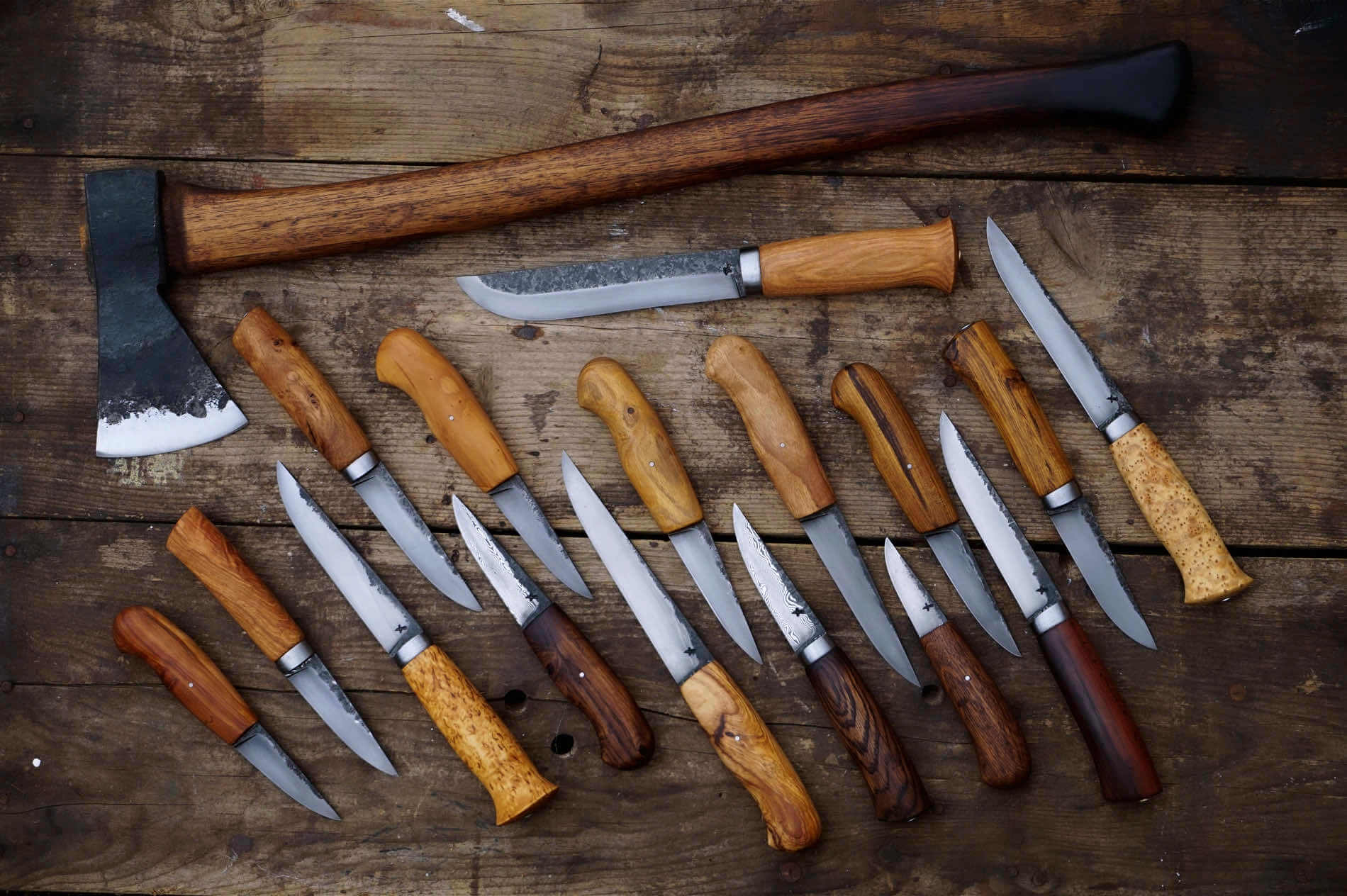
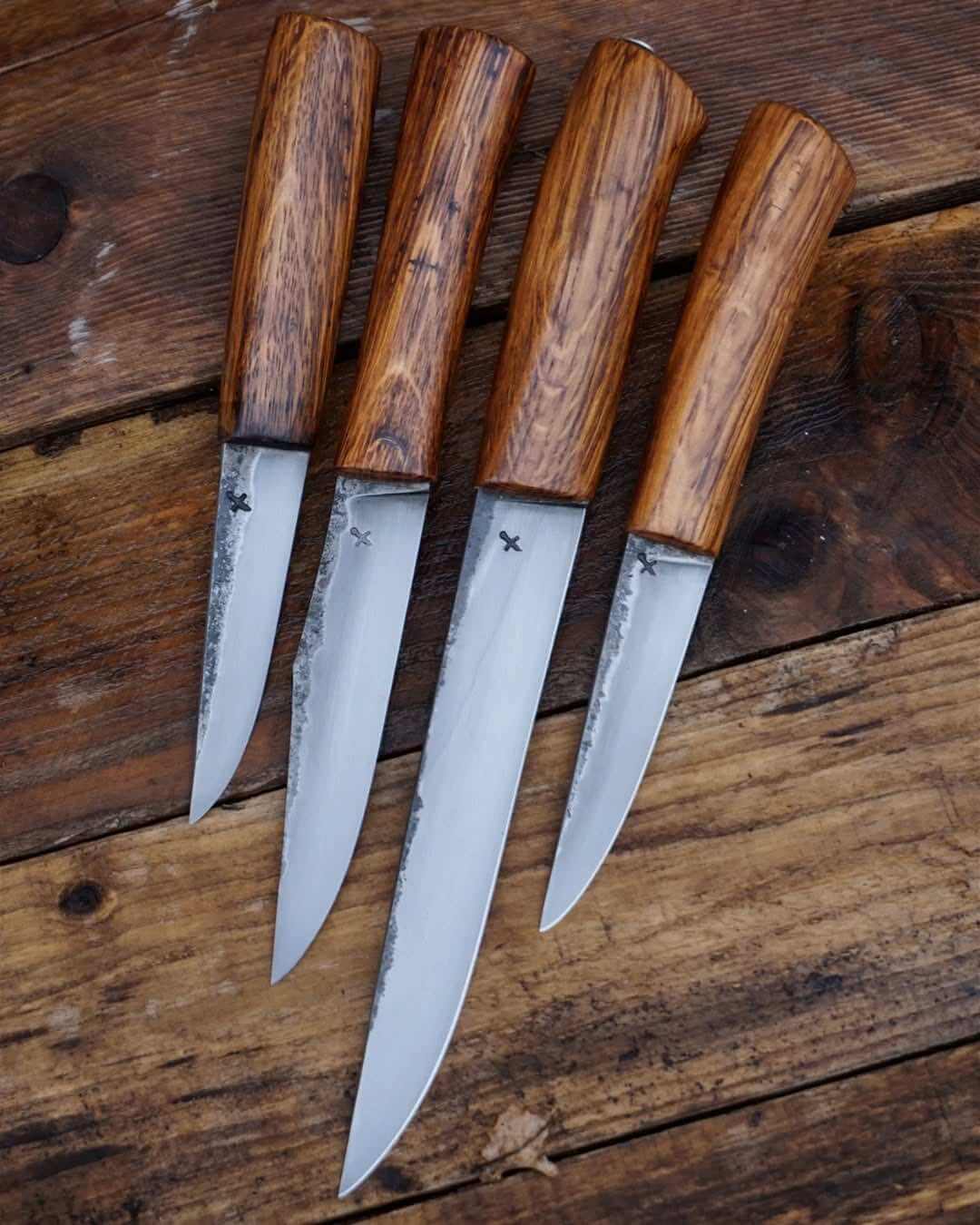
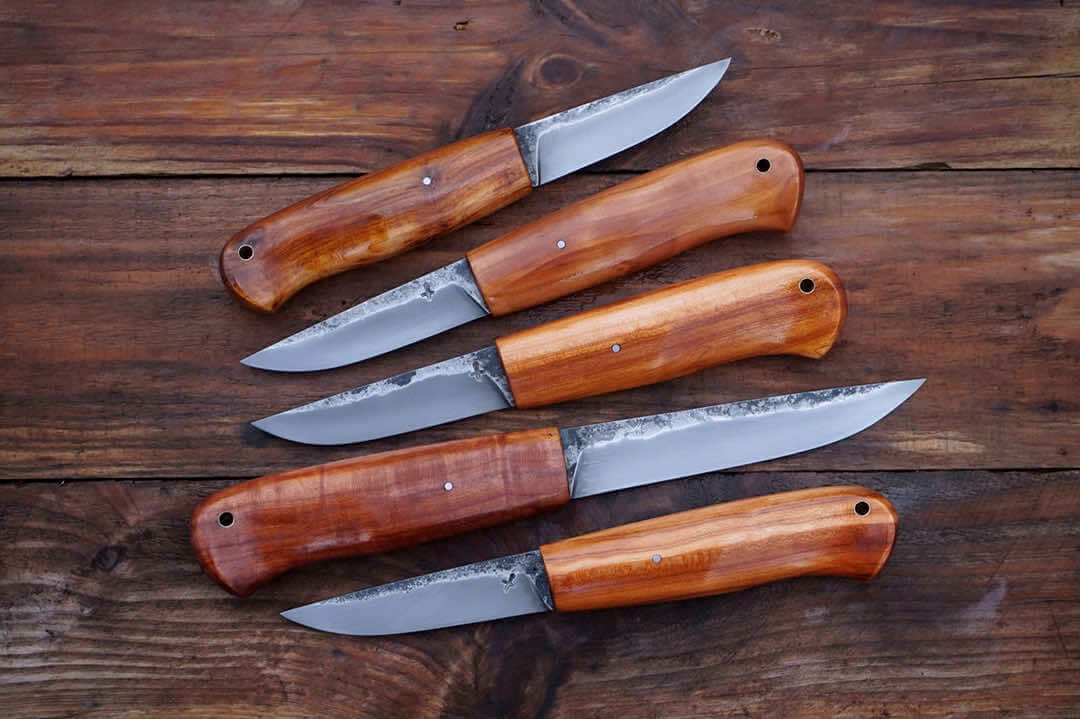
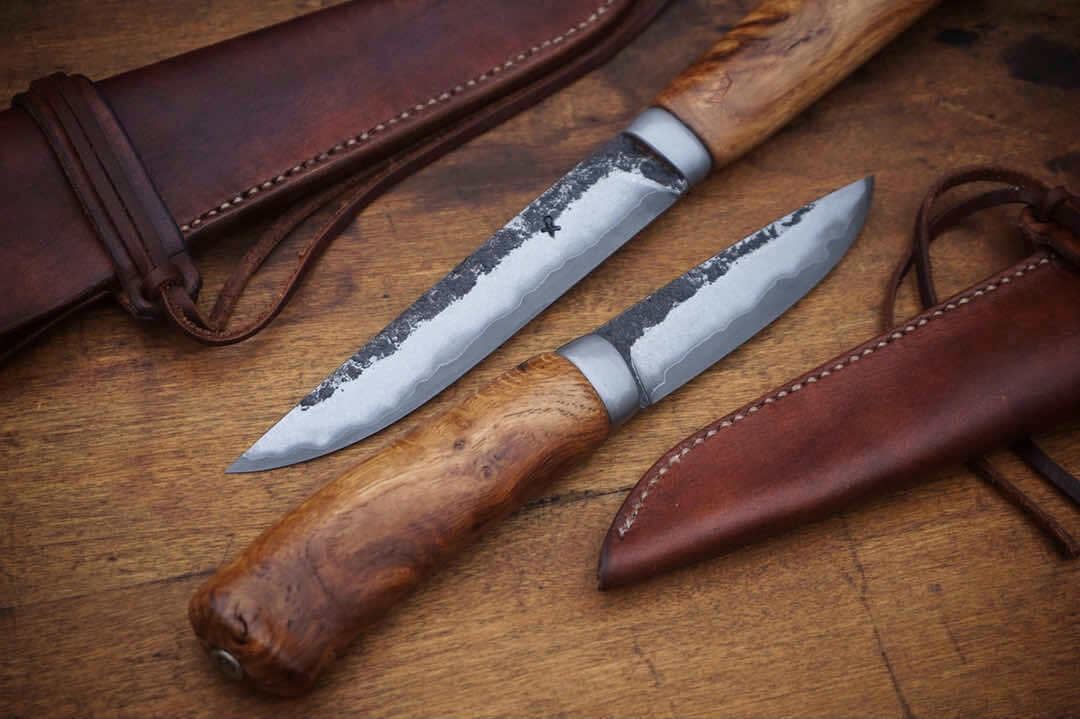
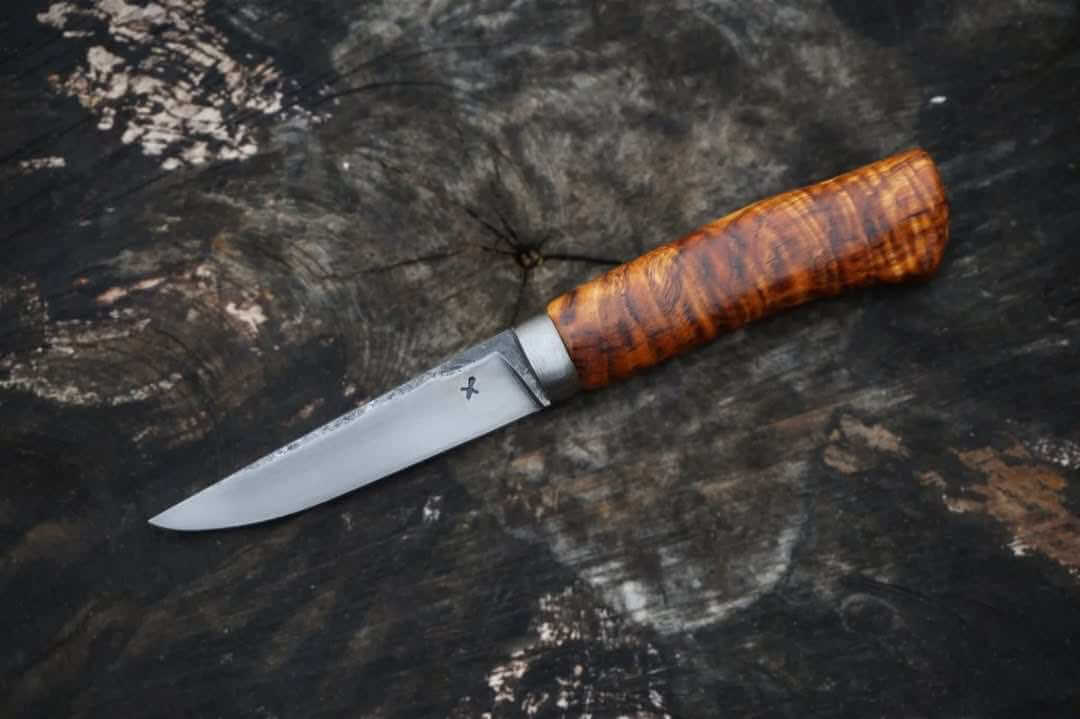
The Forge du Vieux Monde designs utility knives with timeless and proven lines inspired by the Nordic cutlery, including the famous puukkos. Robust blades, cut for adventure, and handles ergonomics with which one can work comfortably for hours. Knives that excel both in the kitchen and in the garden, hiking or hunting...


INTRODUCING
I am inspired by pre-war steel working techniques.
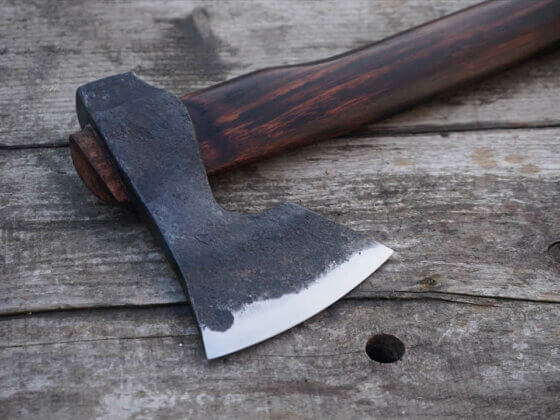
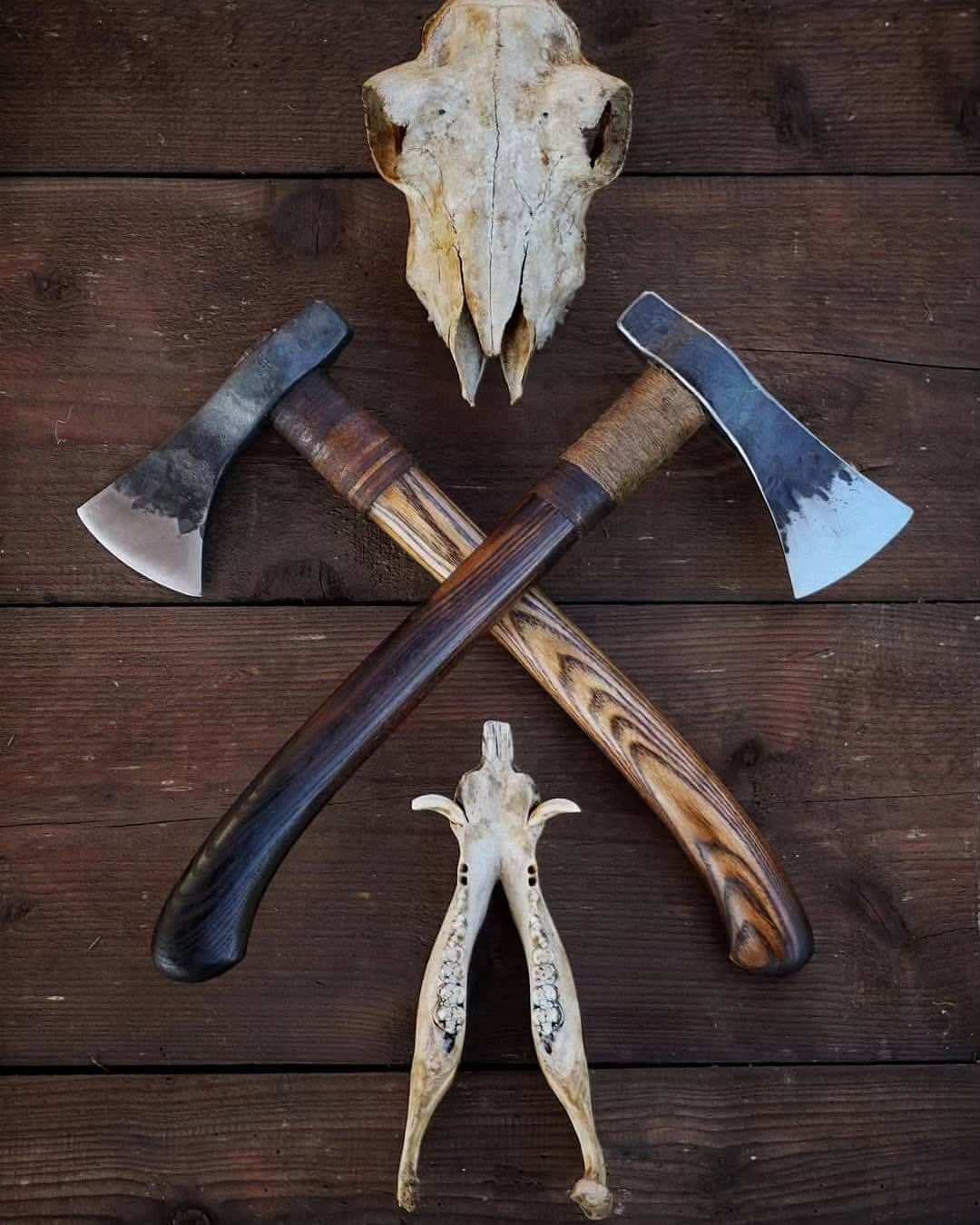
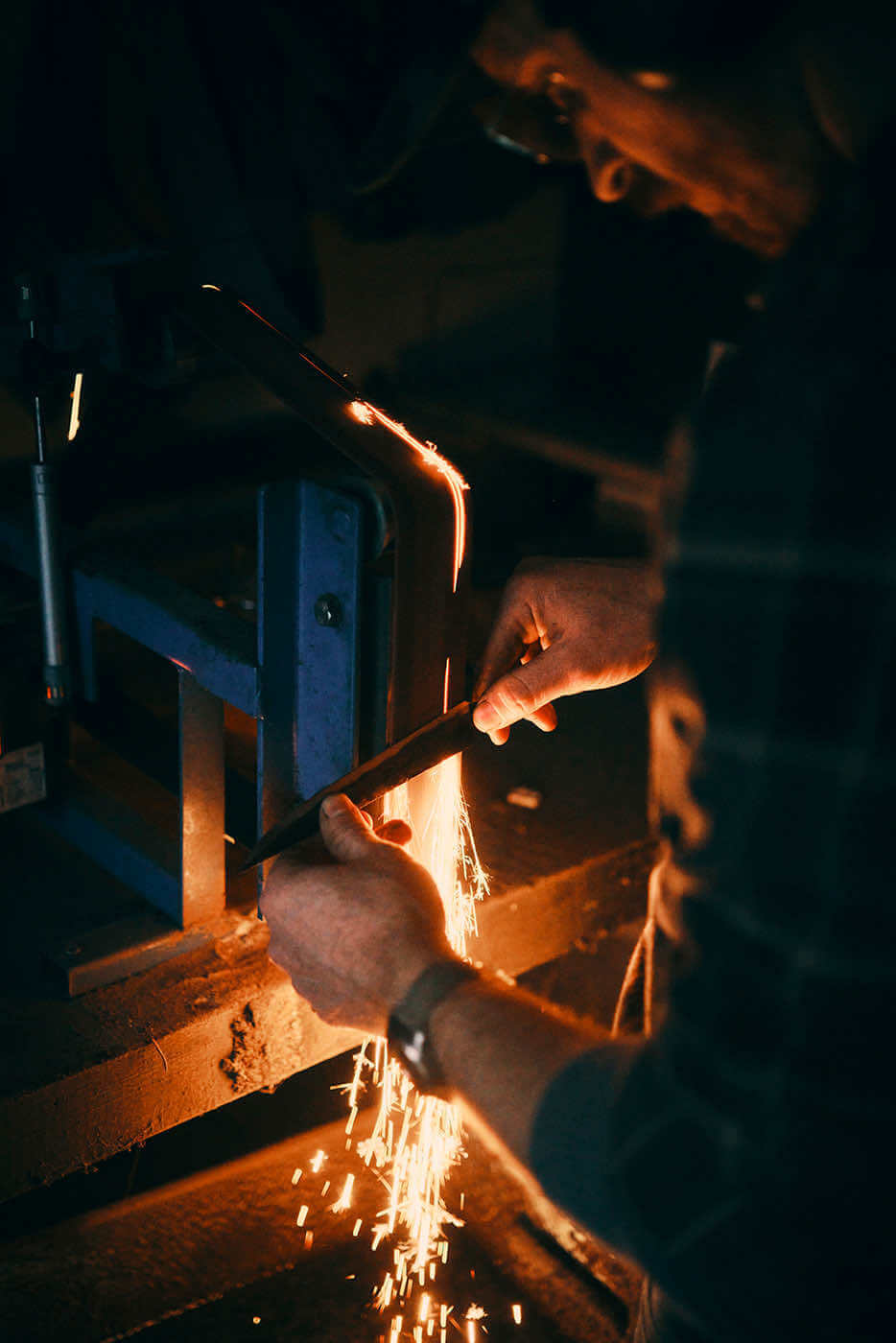
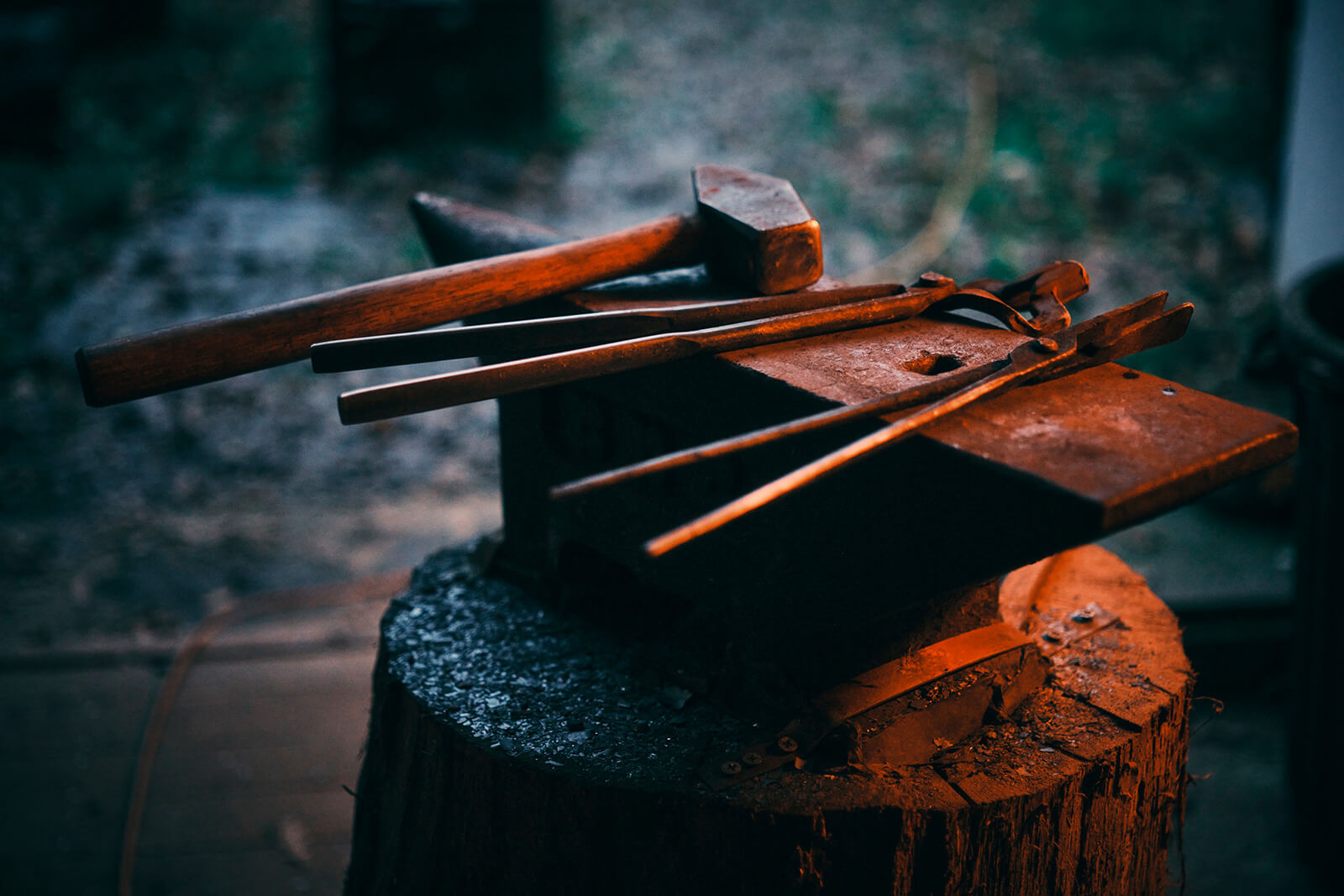
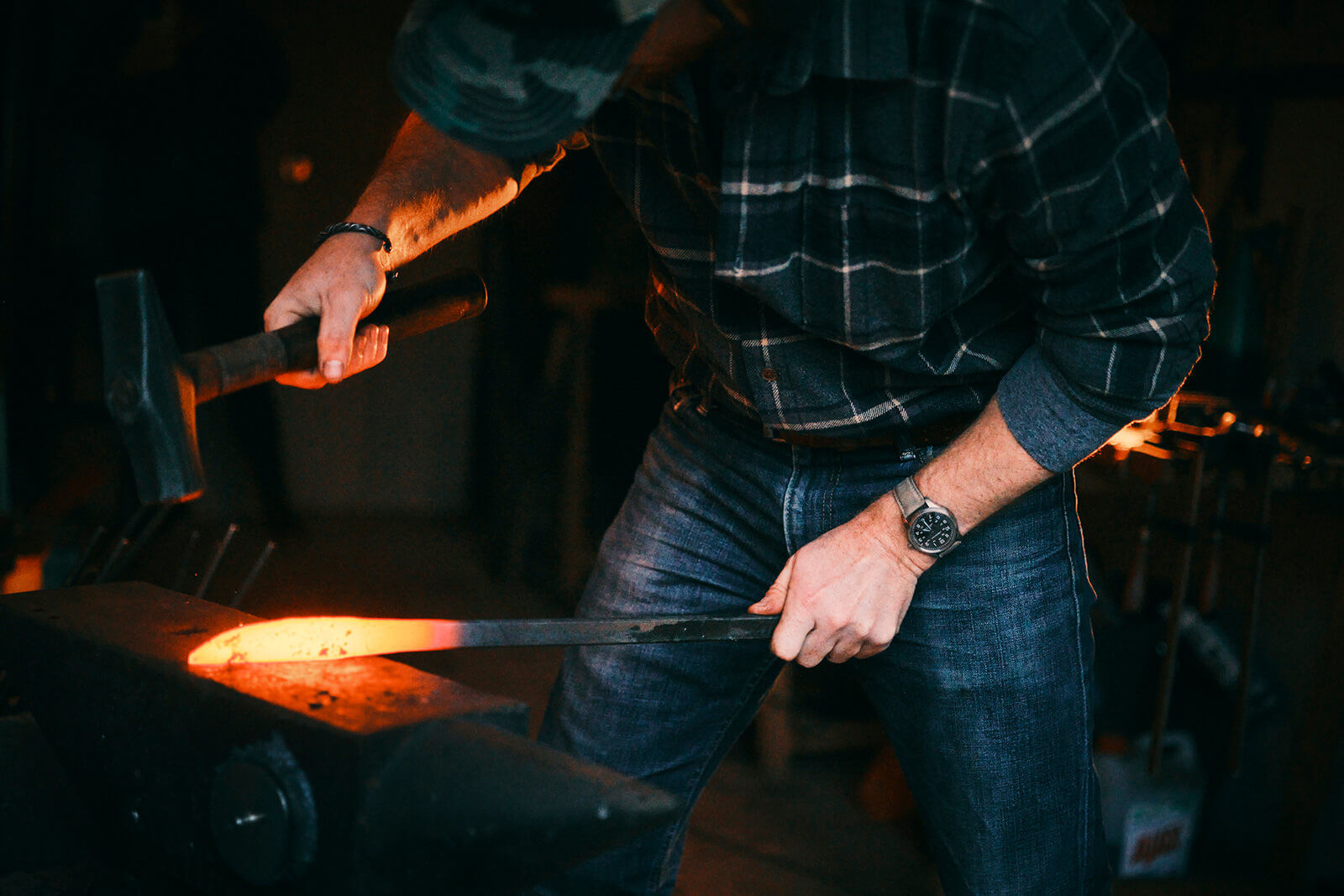
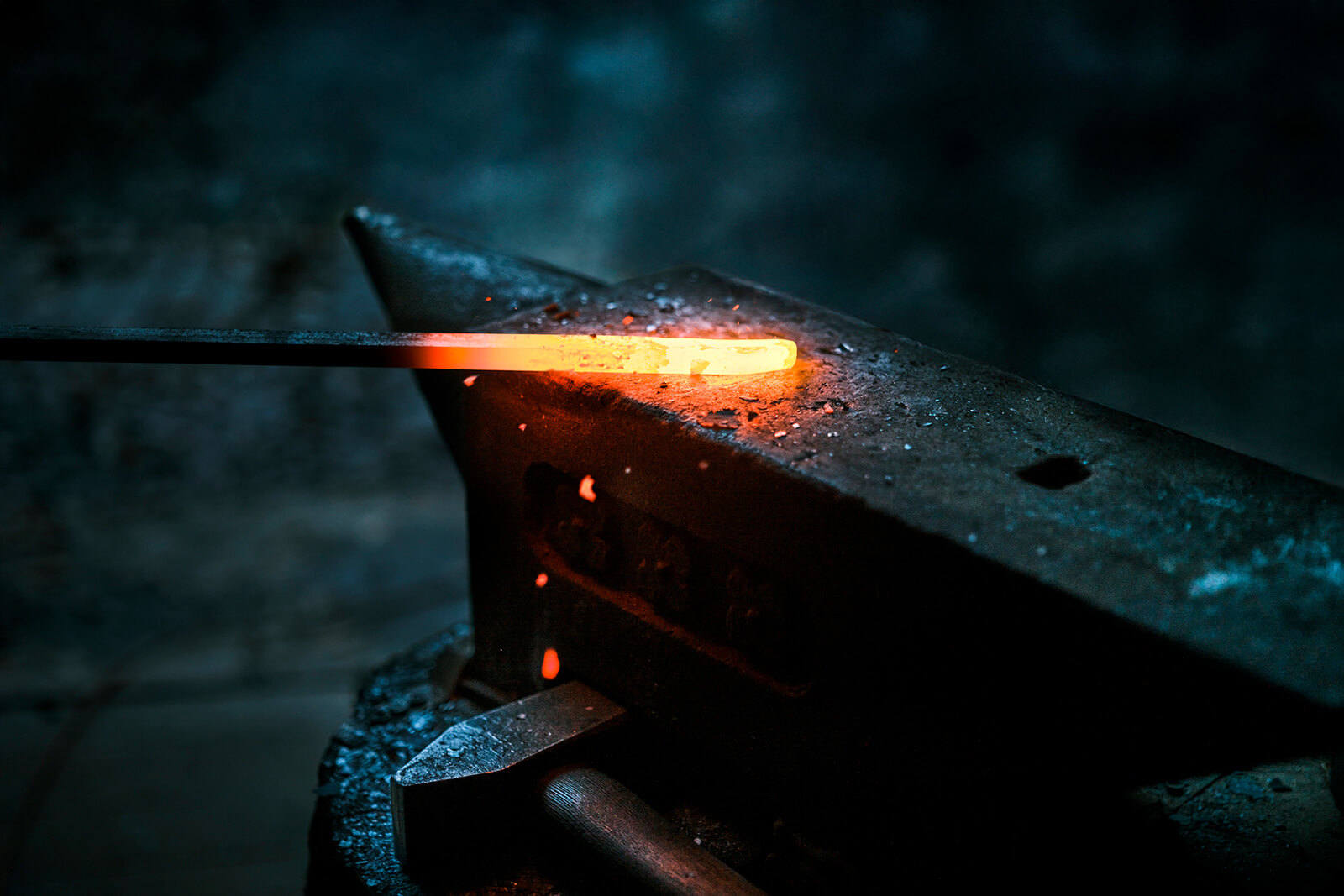
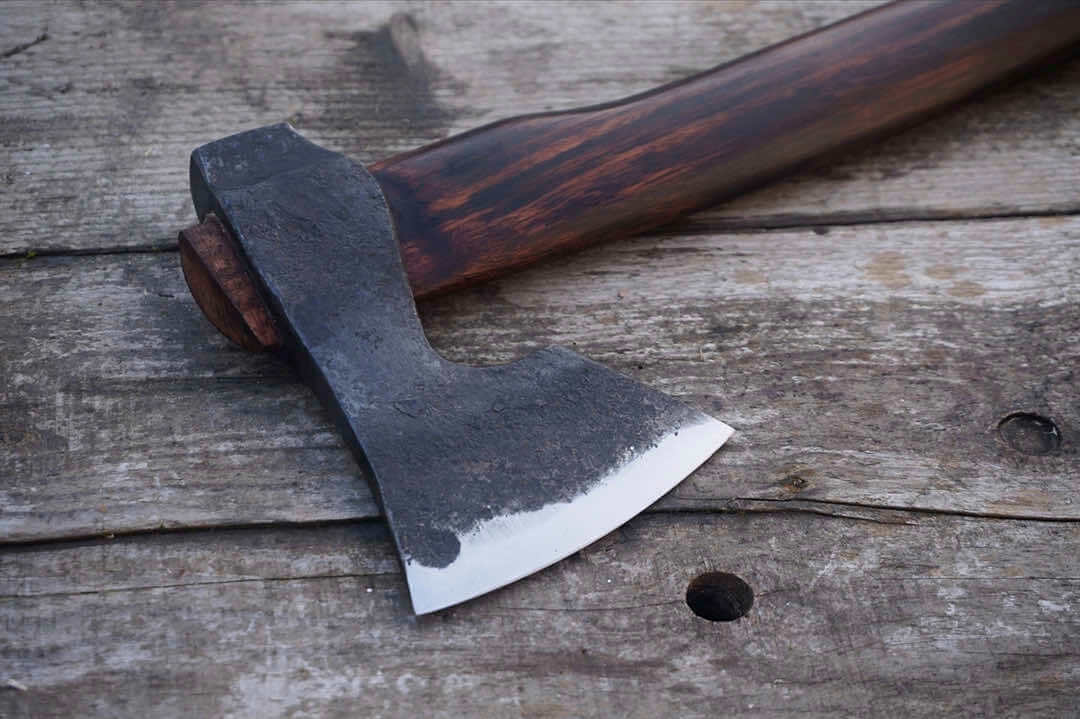
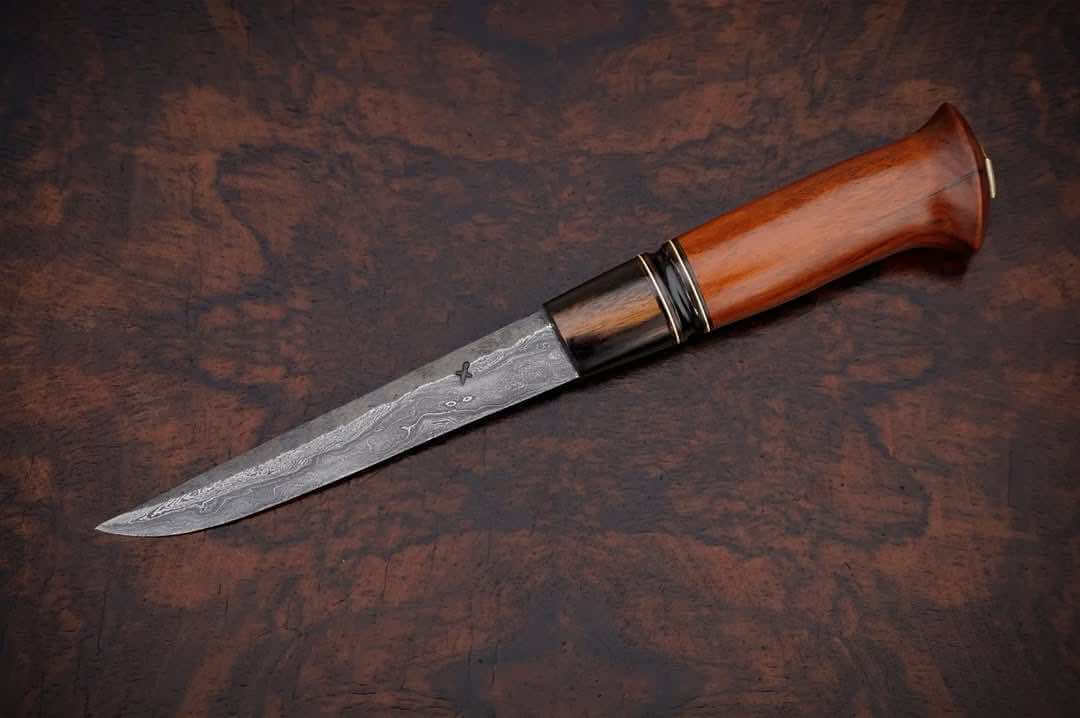
A number of methods exist for making a blade, including cutting and abrasion, which allows stainless steels to be worked. However, I forge the blades in a traditional way, i.e. I shape them by hot deformation with a hammer on the anvil, before polishing and polishing them. sharpen. This ancestral method allows me to have complete control over the geometry of the knife. Combined with appropriate thermal treatments, it gives the blade optimal mechanical properties.
Ernest Delannoy
The way I work steel is like ancient methods.
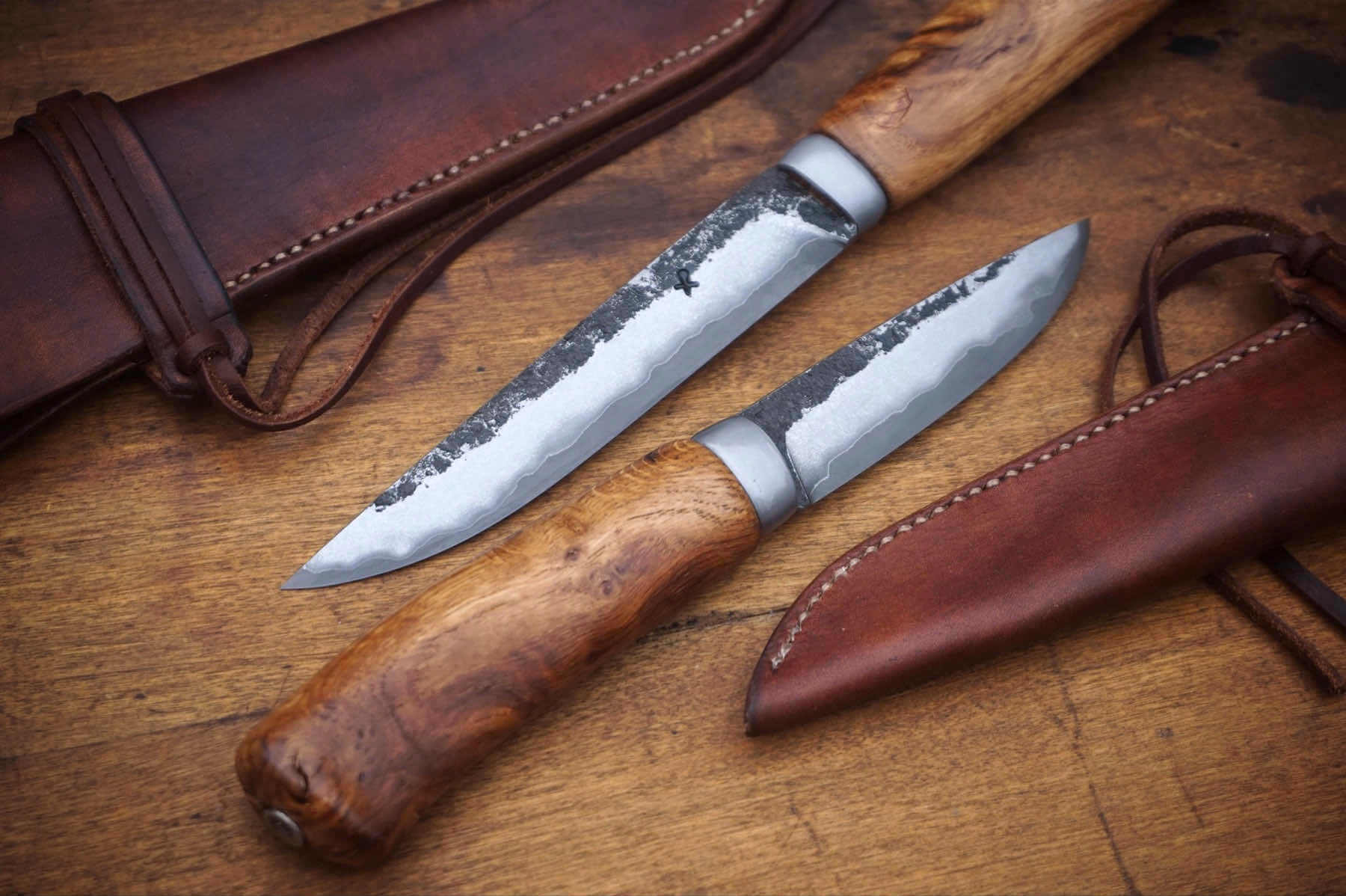


Ernest always had a passion for knives. Not as a simple collector, but especially as a wise user.
My curiosity naturally led me to cutlery, because every object I love becomes a subject of exploration. For my part, utility knives embody the perfect balance between shape and function, and it is in the puukko I find the ultimate expression of this harmony. The activities that fill me, like tinkering or adventure in the forests, resonate deeply with the spirit of the puukko. Every walk in nature becomes an opportunity to connect with this tool, which faithfully accompanies my discoveries.
All the knives that Ernest forge are the result of traditional know-how.
This choice of forge allows to retain a greater quantity of material, while favoring precise control over the geometry of each piece. The synergy between the forge and the puukko is palpable. I explore a variety of alloys and steels, which allows me to create different types of puukkos, still anchored in the Nordic spirit. Traditionally, the puukko is an external knife, and it must have a robust and resistant blade, which requires carefully selected steel grades, such as 80CRV2 and 100C6.
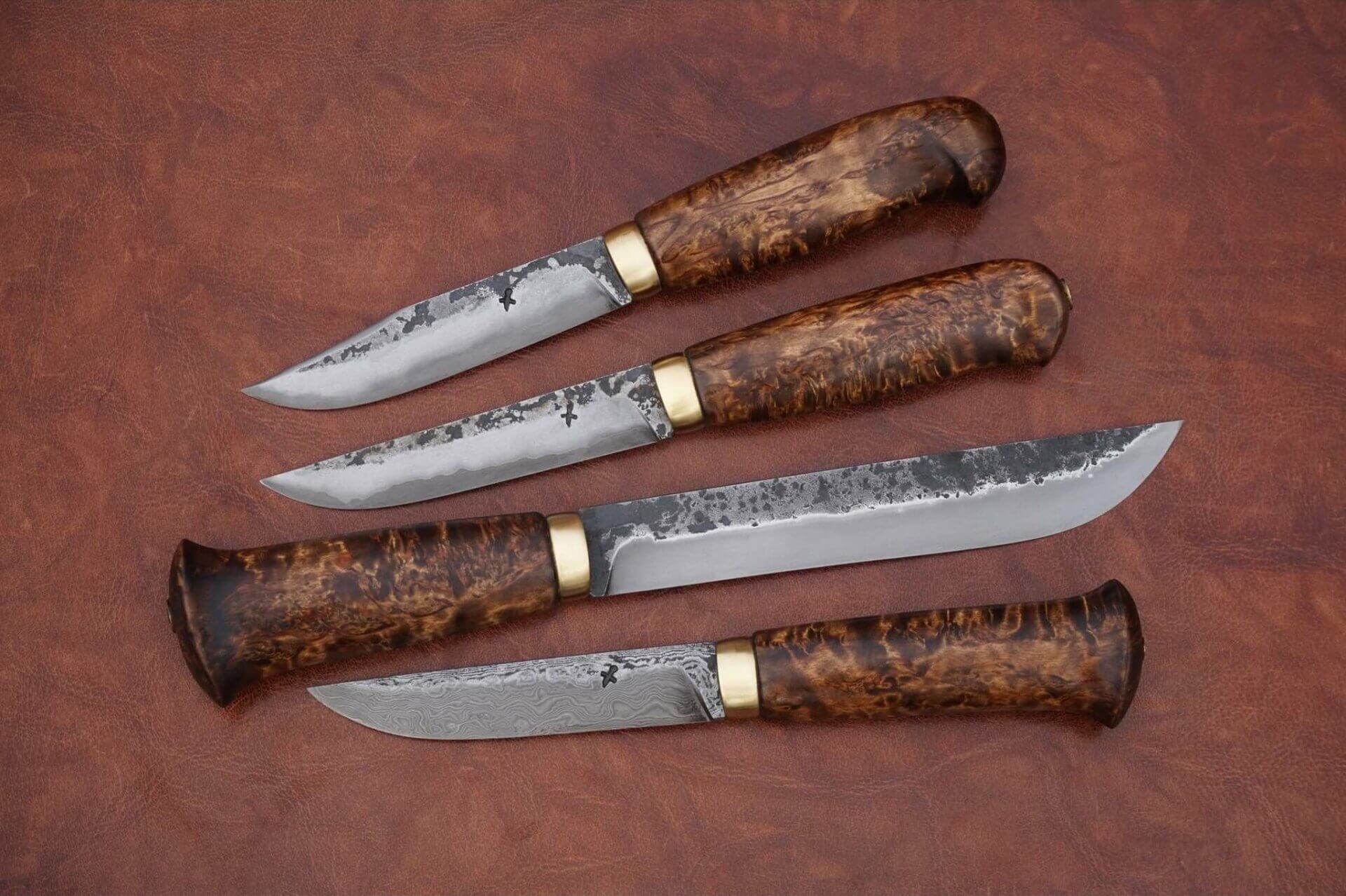
His latest collection, entitled « Nordic Collection »is a vibrant tribute to his legacy.
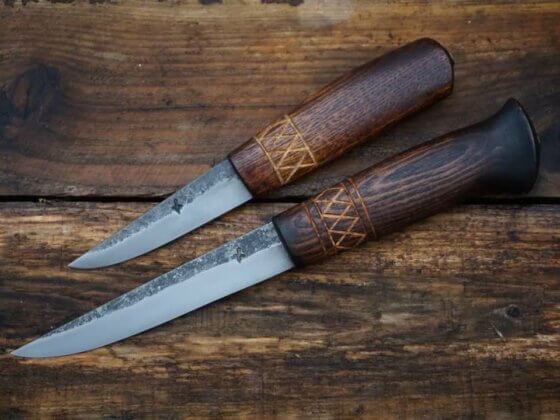
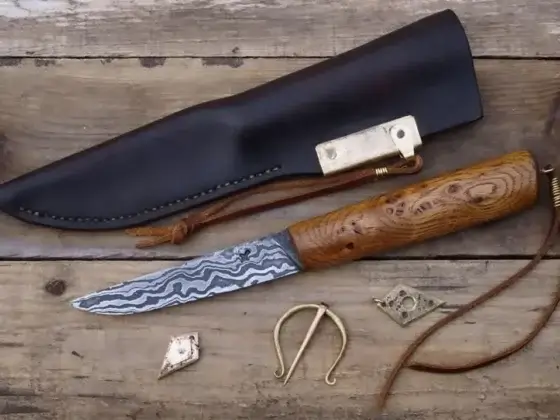
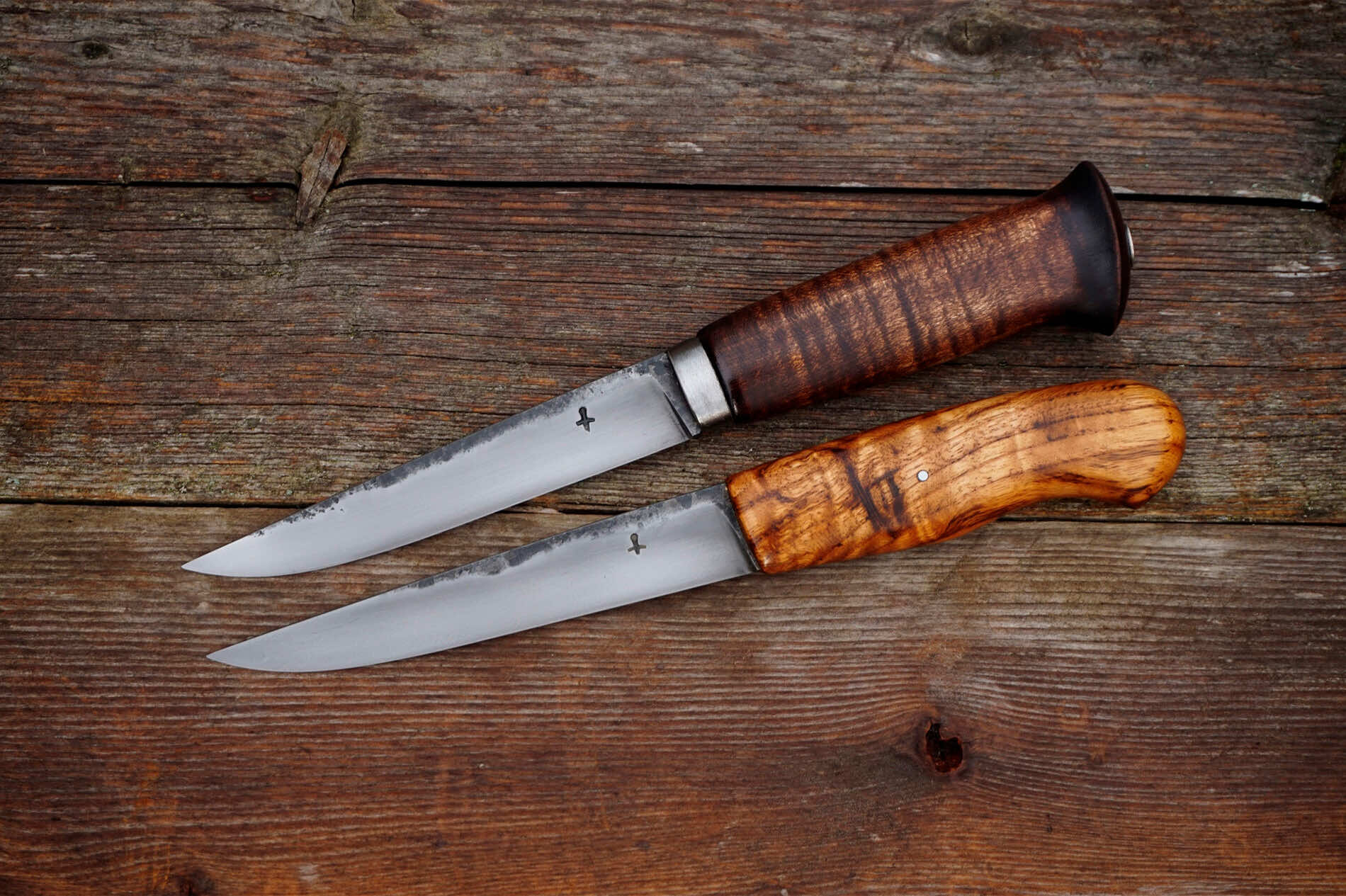
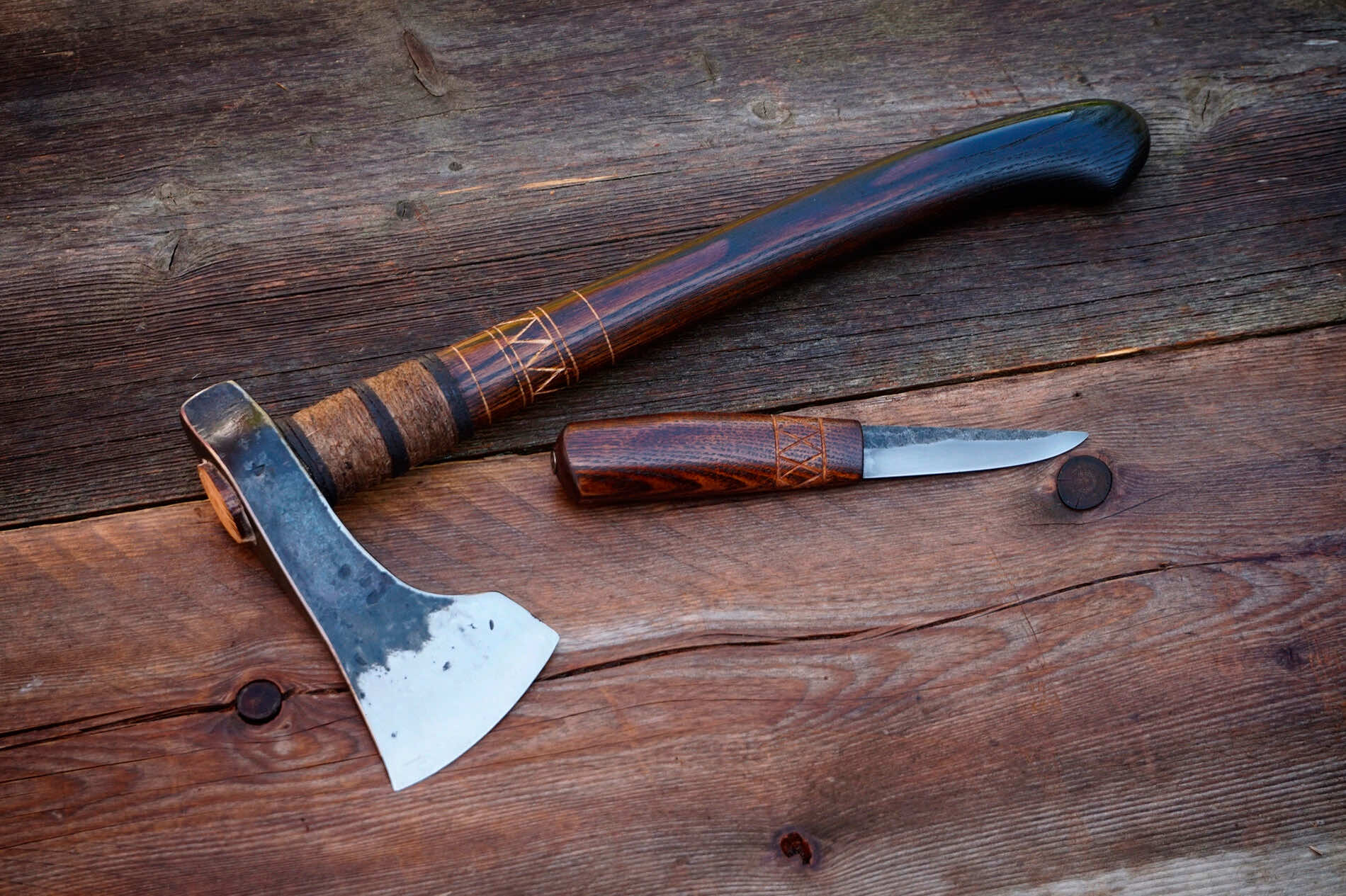
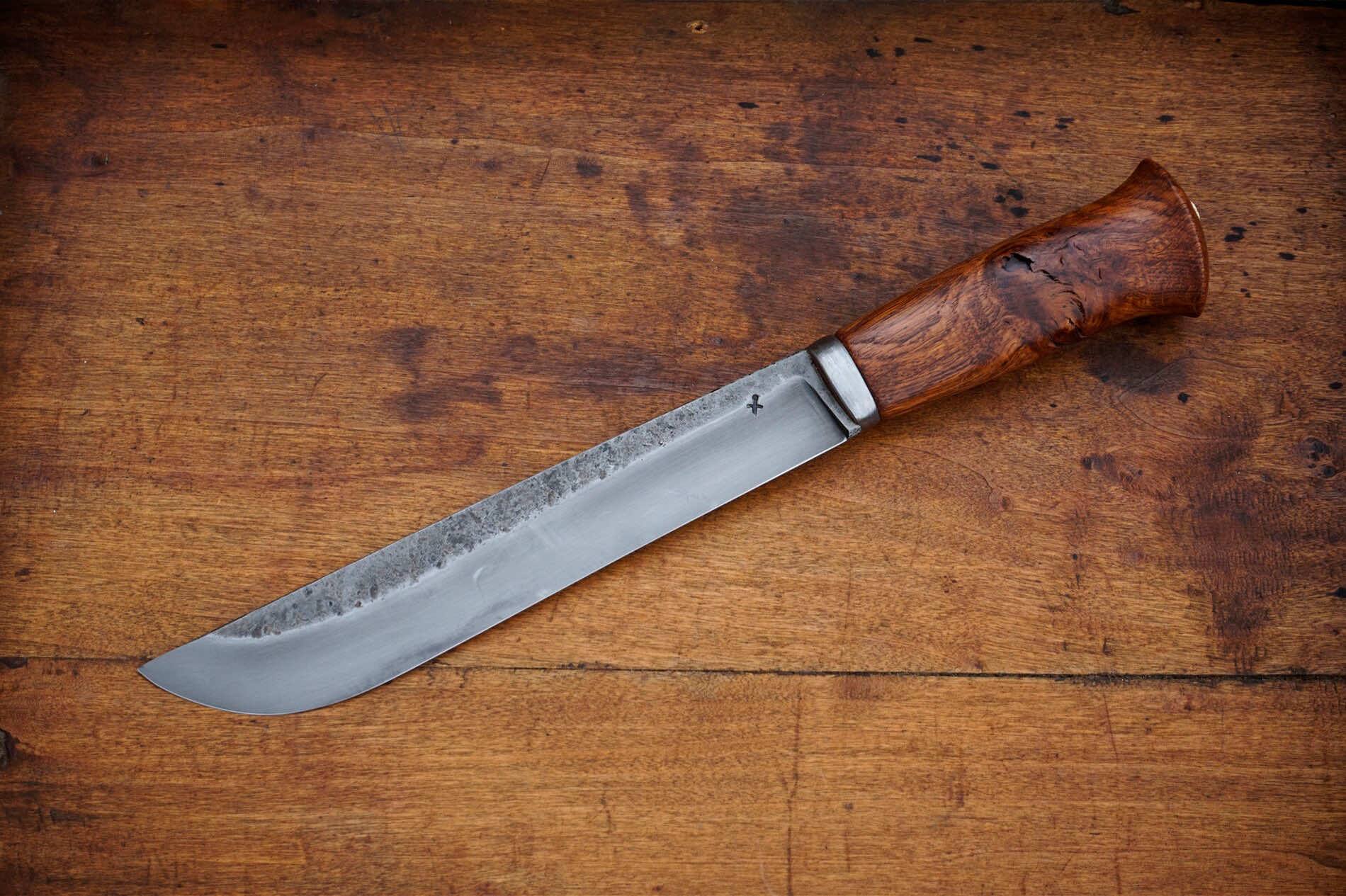
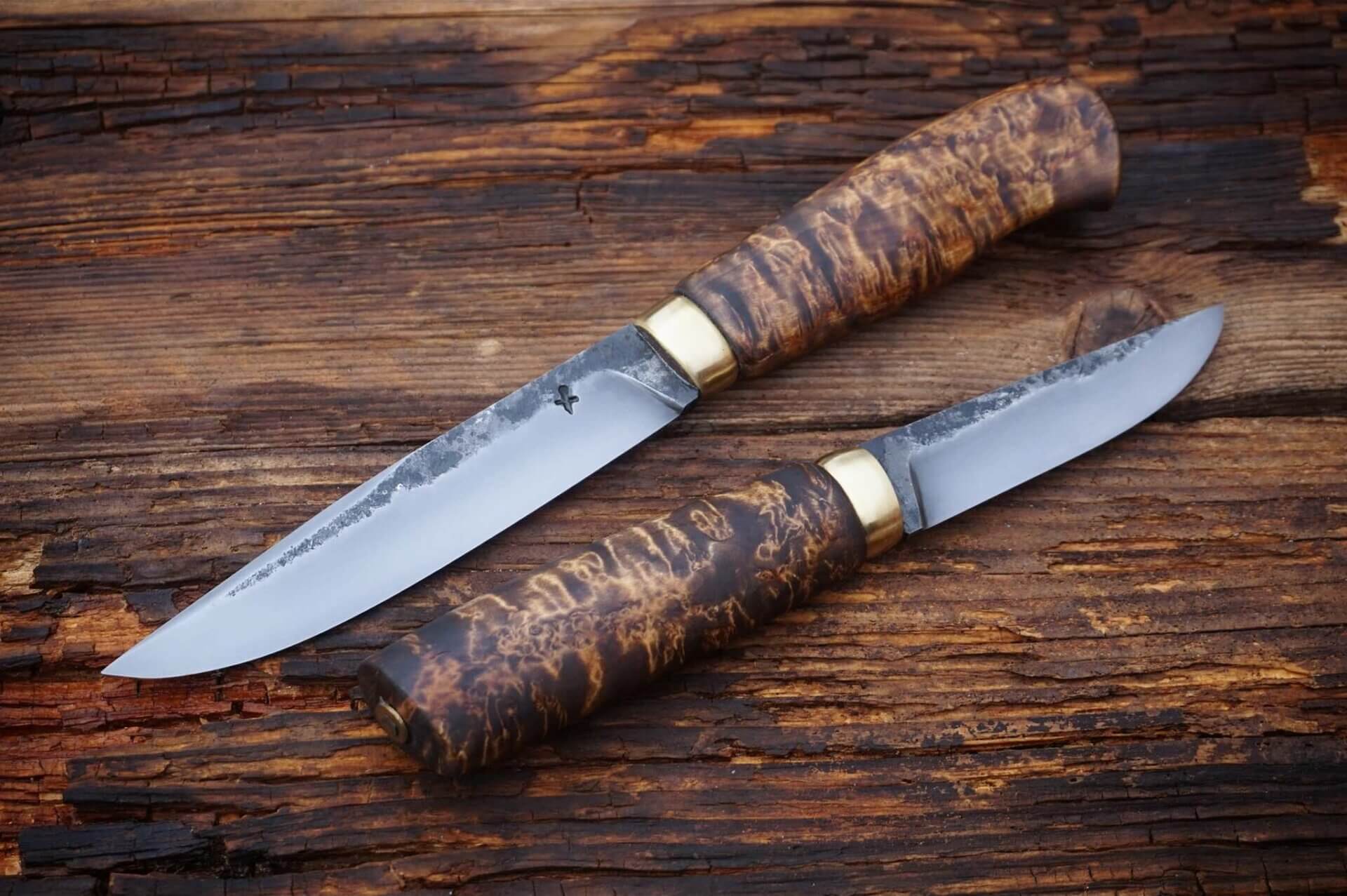
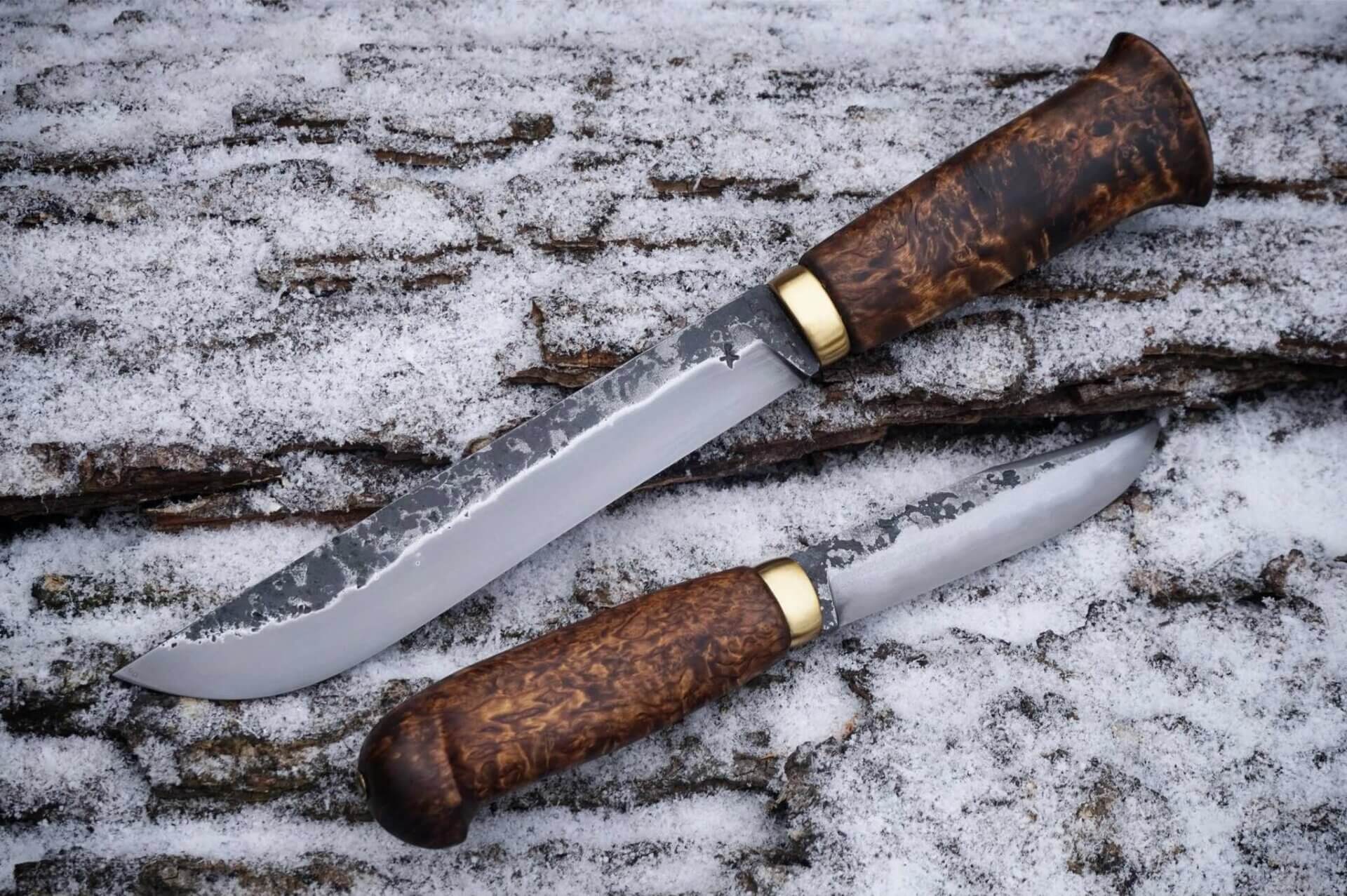
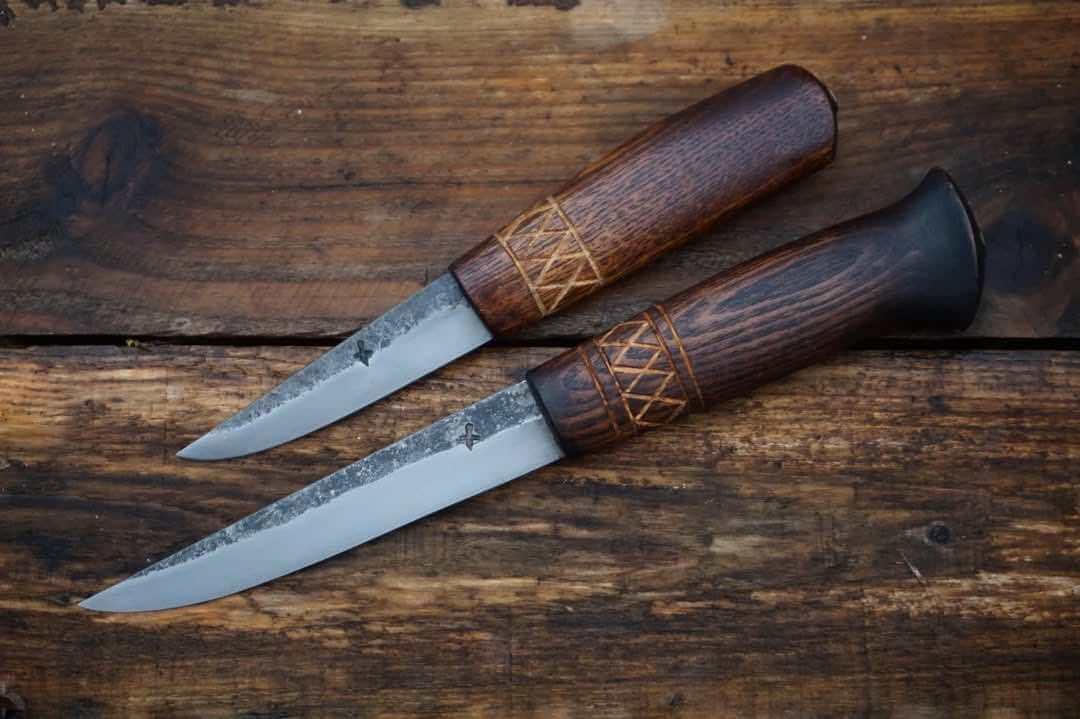
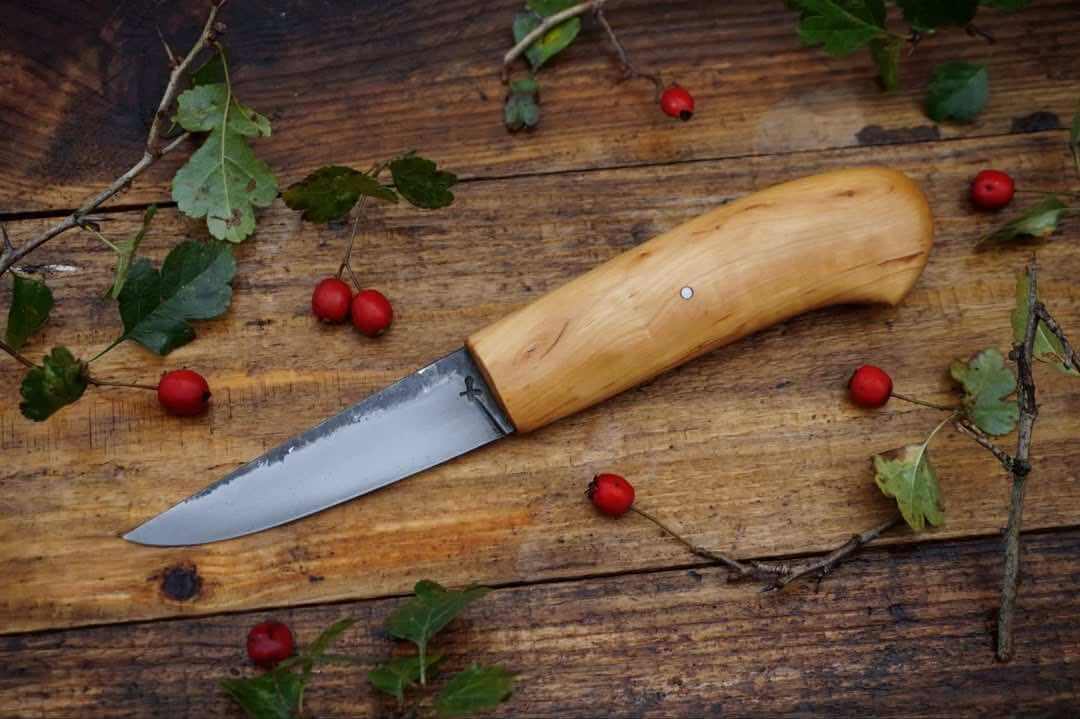
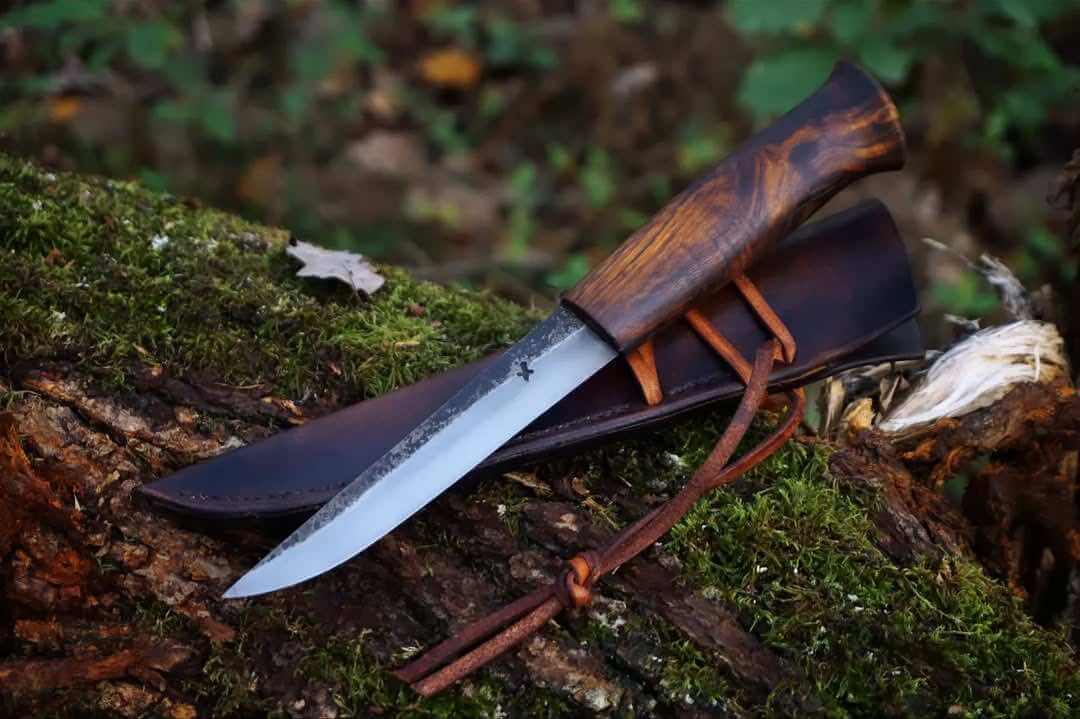
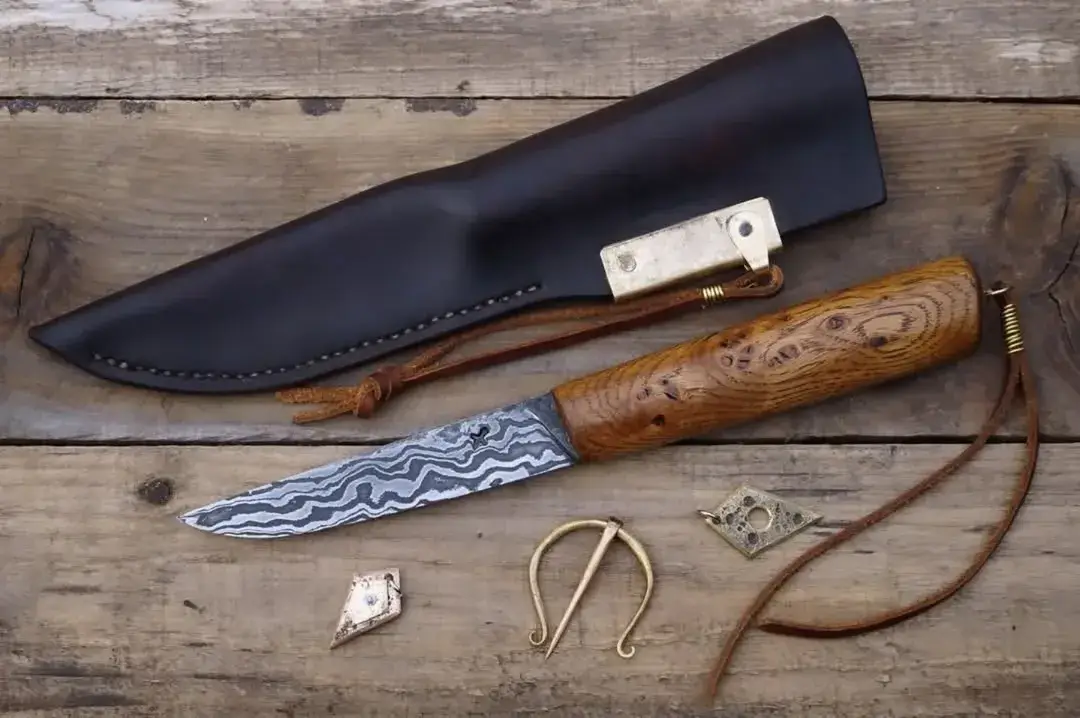
It highlights the birch of Finland, dyed with a mixture that I myself concocted. Each knife is mounted in matted silk, ensuring maximum strength and historical consistency. I choose the best steel shades to offer an exceptional cutting outfit and a resistance to any test. My goal is to pay tribute to the golden age of Scandinavian cutlery, while instilling a personal touch to each piece.
NORTHERN COLLECTION
Ernest Delannoy
I forge my blades in a traditional way, shaping them by hot hammer deformation on the anvil, before polishing and polishing them. sharpen. This ancestral method allows me to have complete control over the geometry of the knife. Combined with appropriate thermal treatments, it gives the blade optimal mechanical properties.


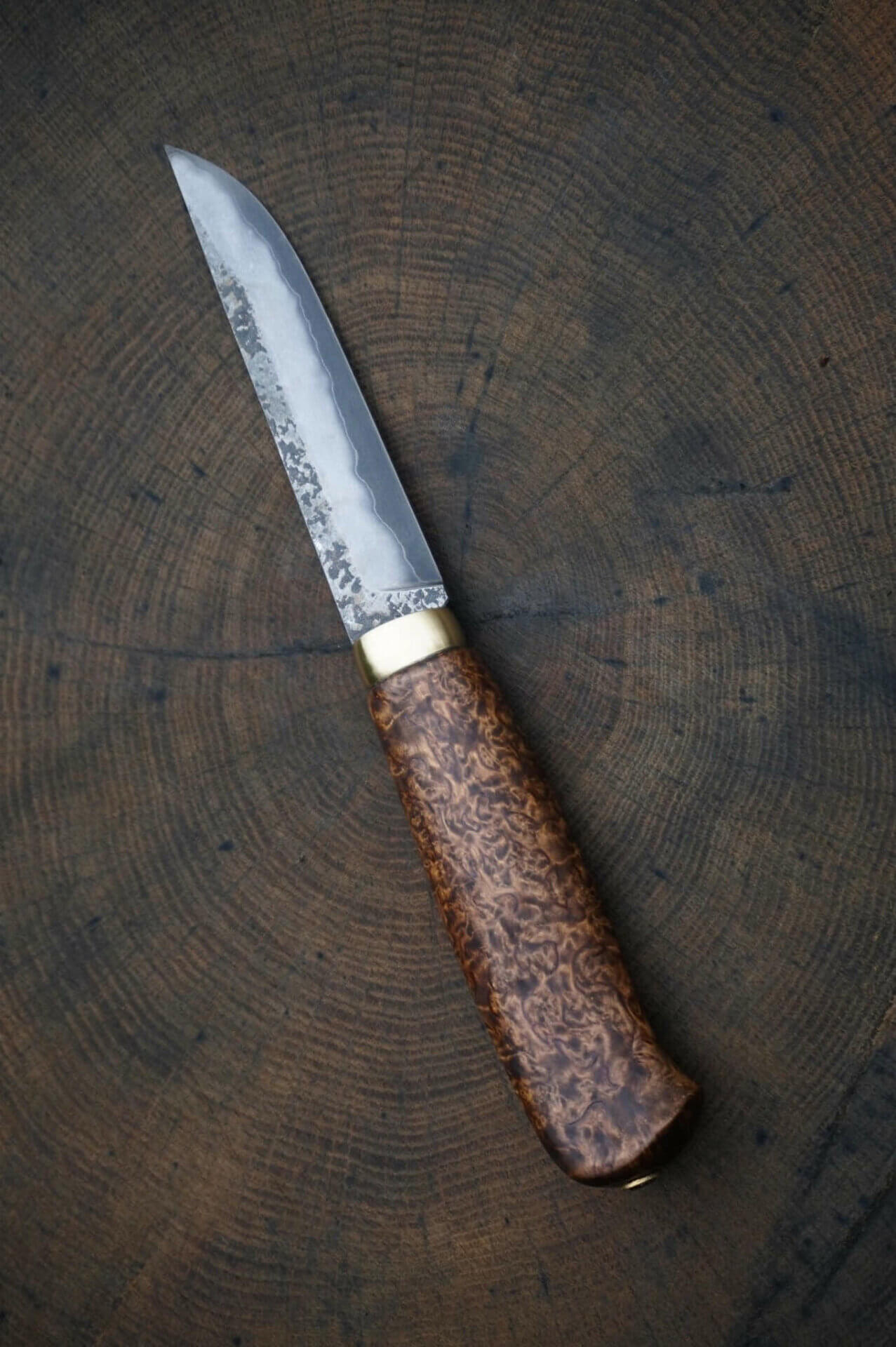
Nordic Collection 2026
Clean, warm and deeply rooted in the traditions of the North. Here's how I designed the Nordic collection.
Ernest Delannoy
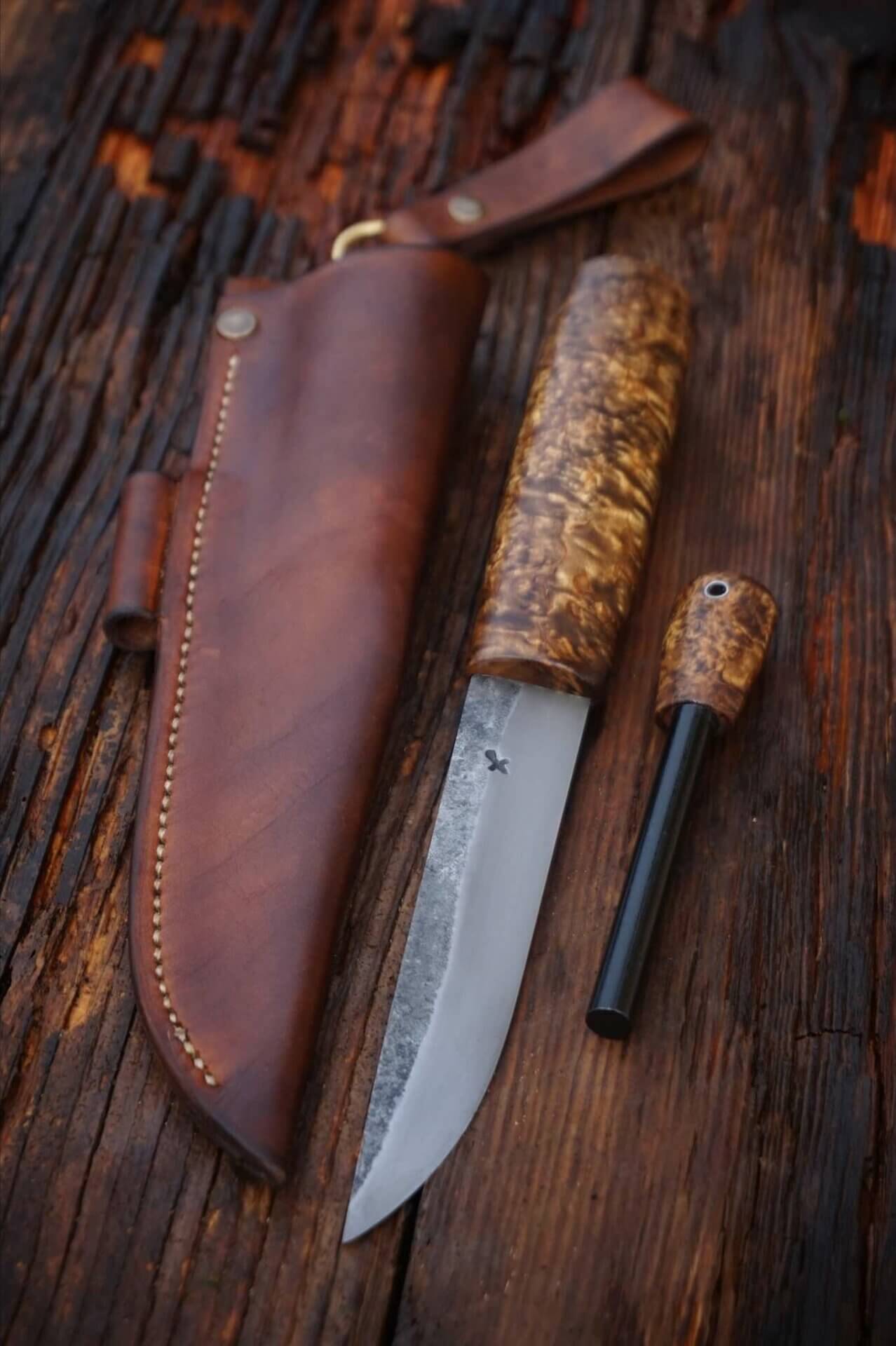
As a versatile tool designed for everyday tasks, a utility knife must combine cutting performance, robustness and comfort of use. He accompanies us in the kitchen as well as at the workshop and during outdoor activities.
The work of a blacksmith-cutler is at the same time an art and a science, combining technical skills and aesthetic sensitivity. Every step of creating a knife, from choosing materials to finishing, is essential to produce a quality tool that combines functionality and beauty.
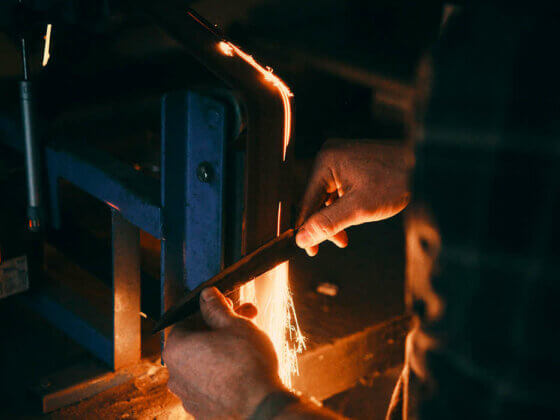
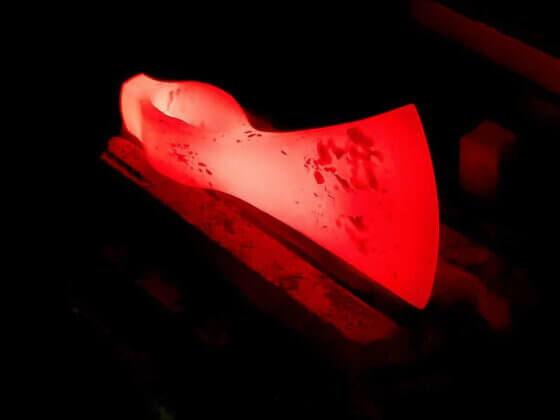

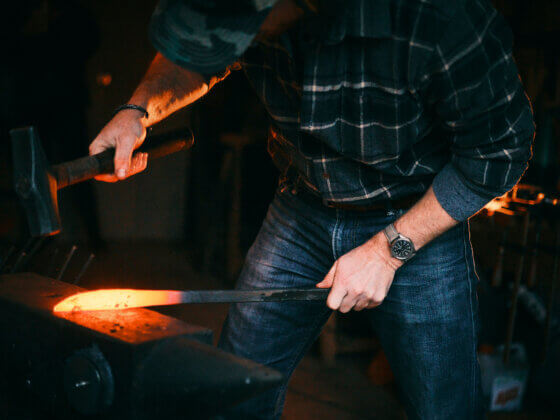

WORK OF A COUNTRY FORCE
What is Ernest Delannoy's work?
1. Design and Planning
Research and inspiration: the blacksmith-cutler often starts by looking for designs and styles of knives, inspired by old traditions or new trends.
Development of plans: he draws sketches and develops technical plans for each knife model, defining the dimensions, materials and techniques to be used.
2. Selection of Materials
Choice of steel: the blacksmith-cutler carefully selects the type of steel according to the properties desired for the blade (hardness, corrosion resistance, ease of sharpening).
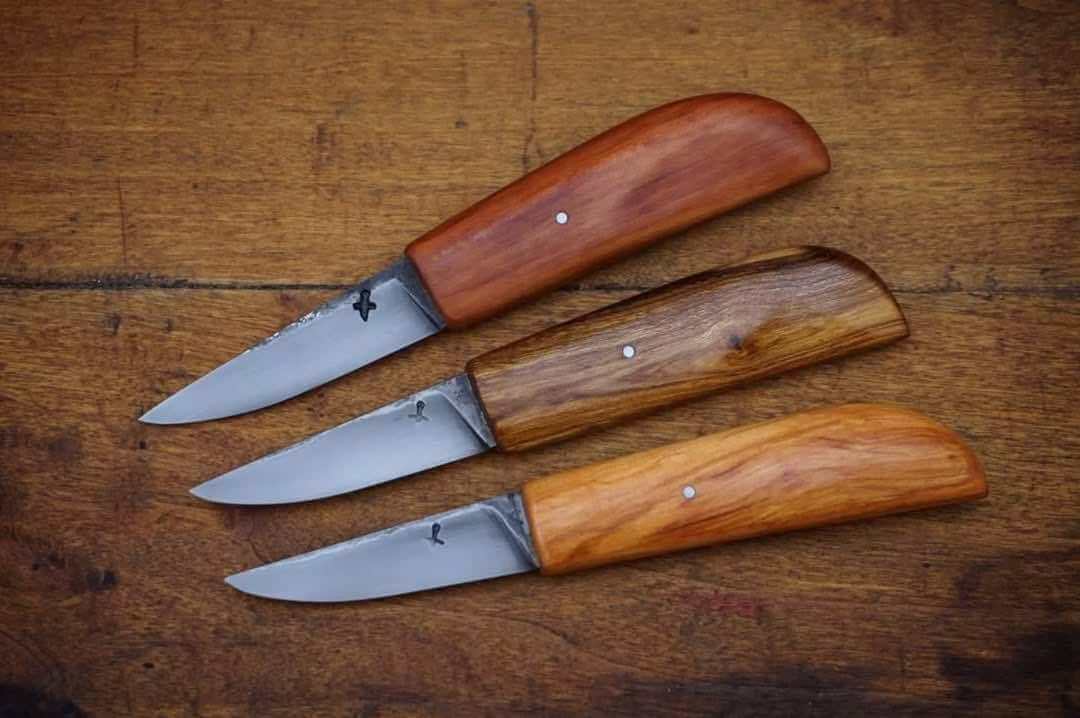
Choice of materials for handle : it also chooses wood or other materials for handle, taking into account aesthetics and ergonomics.
3. Forging
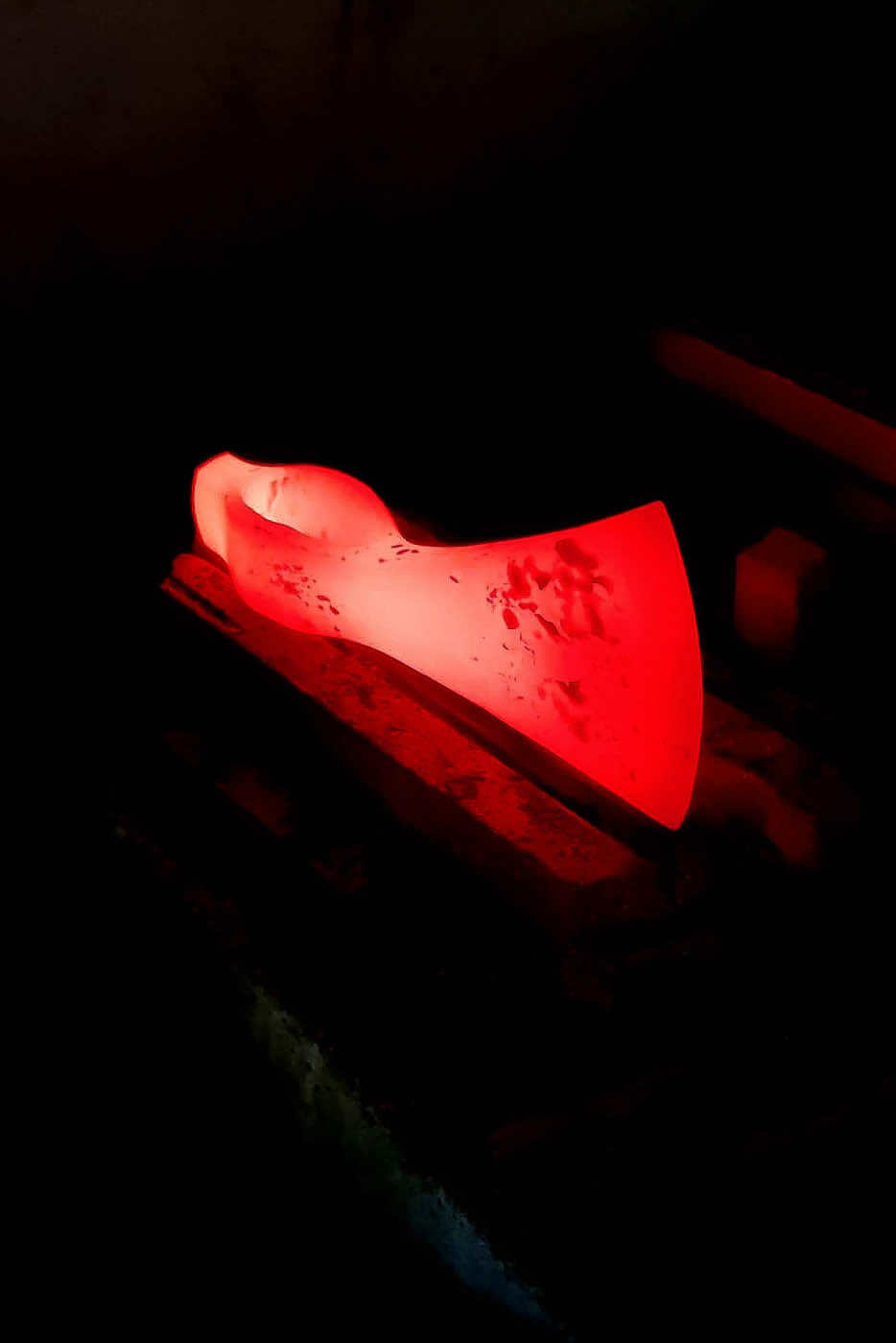
Steel heating: steel is heated in a forge until it reaches a forging temperature, allowing easy deformation.
Blade forming: with the help of a hammer and an avil, the blacksmith shapes the blade, creating the desired shape by hot deformation.
Geometry control: during forging, it ensures that the correct geometry of the blade is maintained, including the thickness and cutting angle.
4. Therapeutic treatments
Structure and hardness: homogenizes and refines the forged steel structure and reduces its hardness through controlled heating and cooling.
Trempe: After forging, the blade is heated to a specific temperature and then plunged into a quenching liquid (oil or water) to harden the steel.
Income: Income treatment can be performed to reduce internal tensions and increase blade tenacity.
5. Sharpening and Finishing
Sharpening : the blade is sharpened with grinding wheels or stone sharpen to get a sharp wire.
Polishing: the blacksmith-cutler polishes the blade to give it a shiny appearance and to protect the steel from corrosion.
Decorative finishes: engravings, patterns or other decorative finishes can be added to customize the knife.
6. Manufacture of Handle
Formatting of the handle : the material chosen for the handle is cut, shaped and assembled with the blade. This may involve bonding, screwing or tenon assembly techniques.
Ergonomics: handle is designed to provide a comfortable grip, allowing prolonged use without fatigue.
7. Final Assembly
Mounting of the blade and the handle : the blade is fixed to the handle, and all parts are checked to ensure a perfect finish.
Quality control: Each knife is subjected to rigorous quality control to ensure that it meets performance and aesthetic standards.
8. Creation
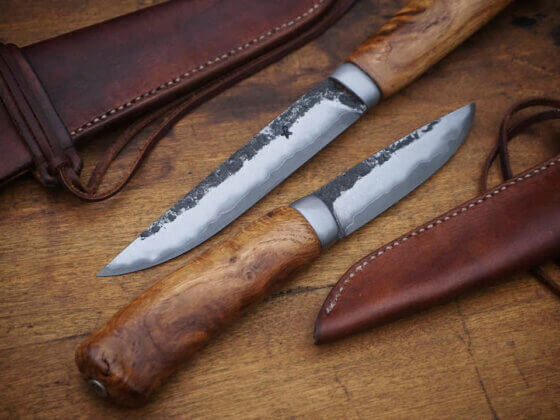
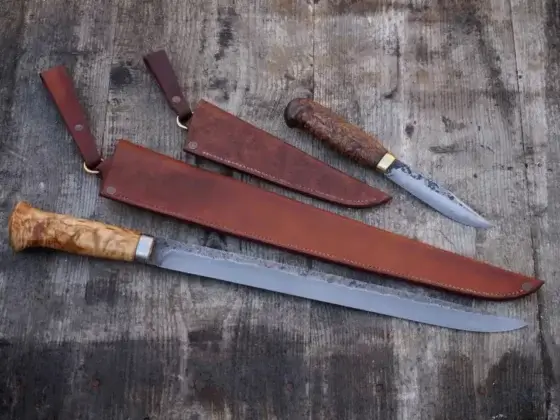
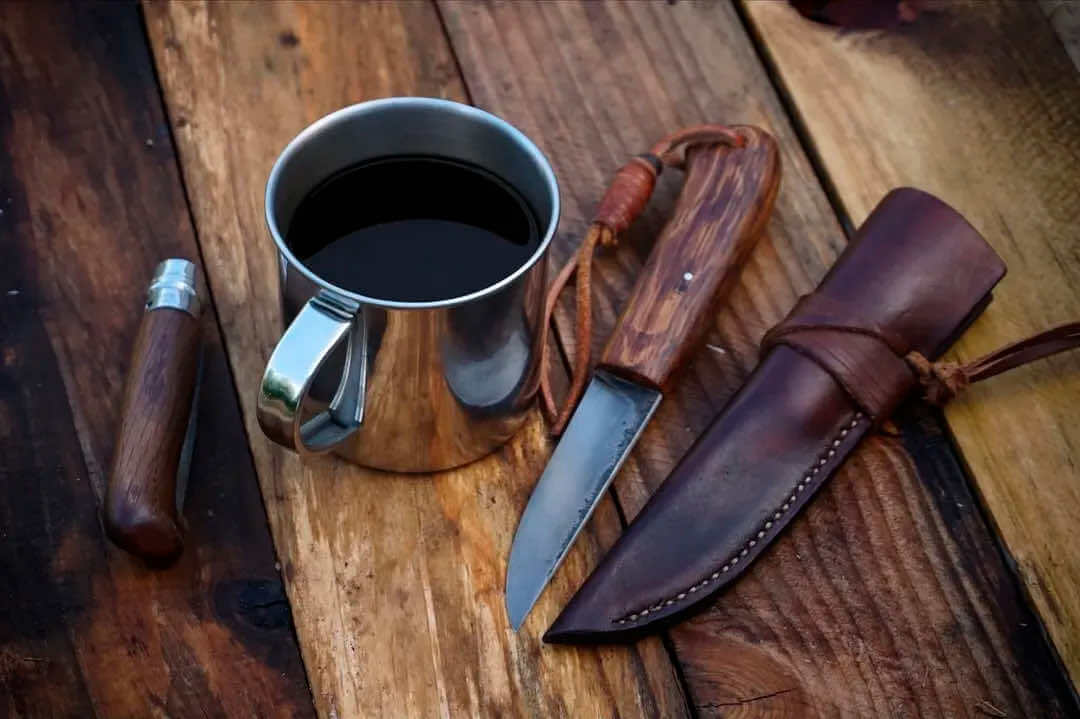
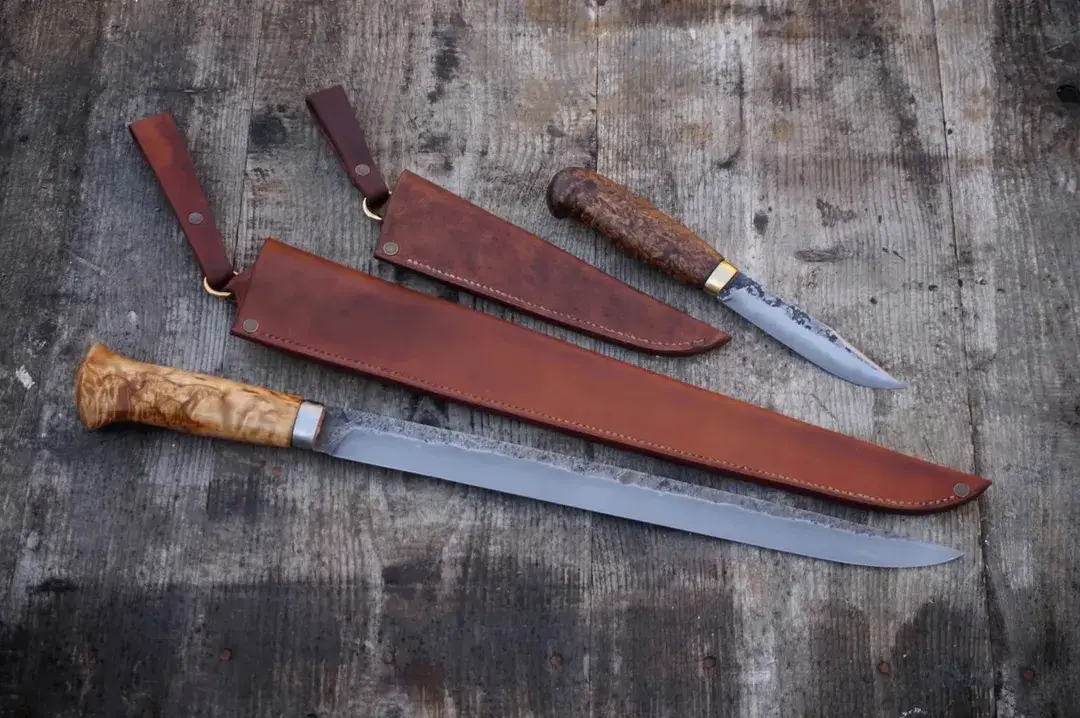
Manufacture of cases: the blacksmith can also design and manufacture leather cases or other materials to protect and carry the knife.
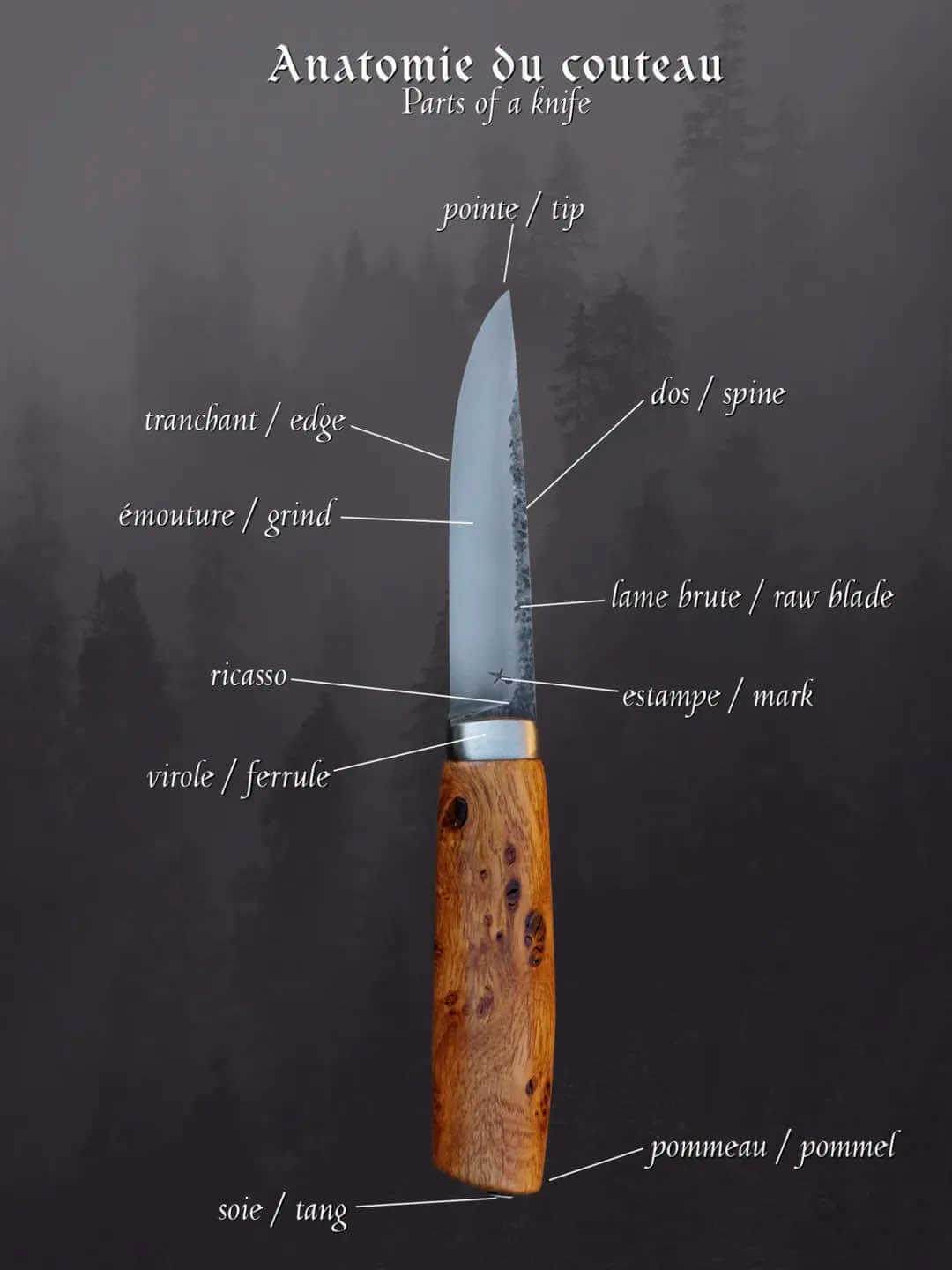
The puukko is characterized by a simple and functional design!
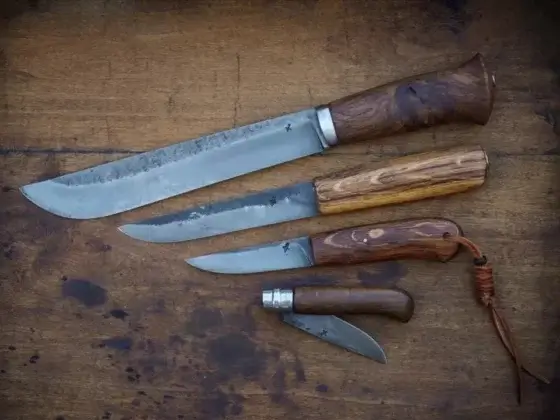
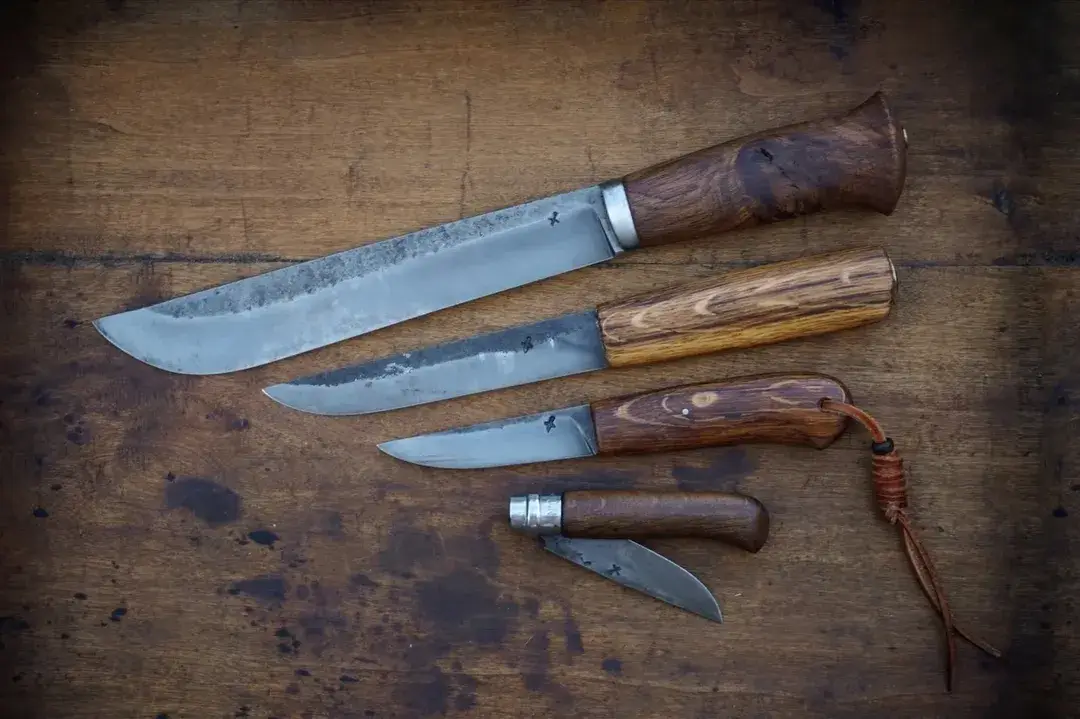
Ils sont généralement inspirés des traditions nordiques. La longueur de la lame varie traditionnellement de 8 à 15 cm, procurant un bon équilibre entre maniabilité et capacité de coupe. Les lames sont souvent en acier carbone ou en acier inoxydable, tandis que les manches peuvent être en bois de différentes essences, comme le bouleau ou le frêne. Chaque partie de sa conception contribue à sa fonctionnalité, en faisant un choix idéal tant pour les tâches quotidiennes que pour les activités en plein air. Le puukko est un outil polyvalent, apprécié pour sa simplicité, son efficacité et son confort d’utilisation.
Made in France
Authentic puukkos
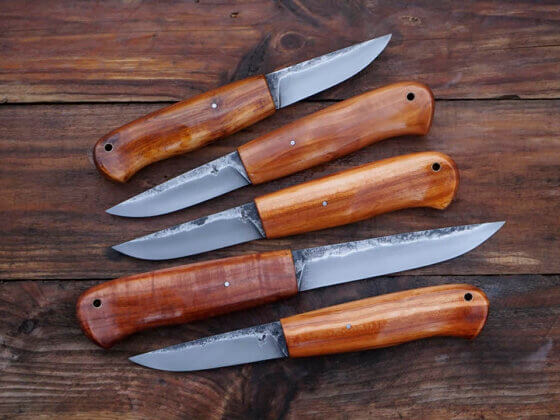
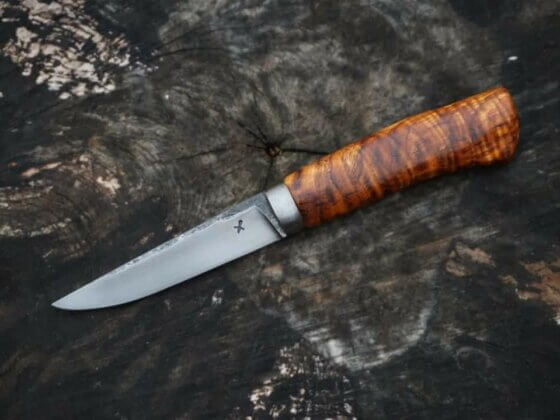
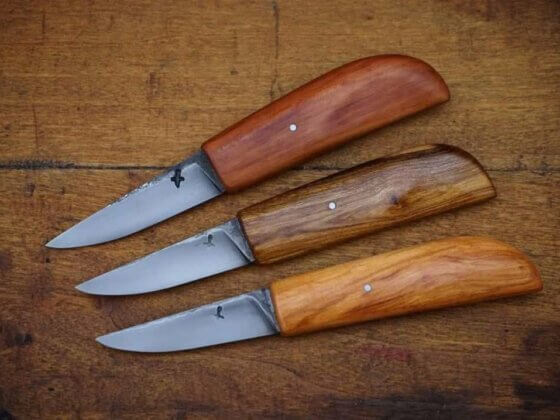
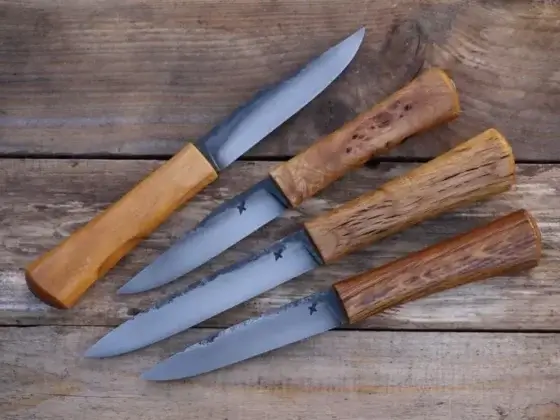
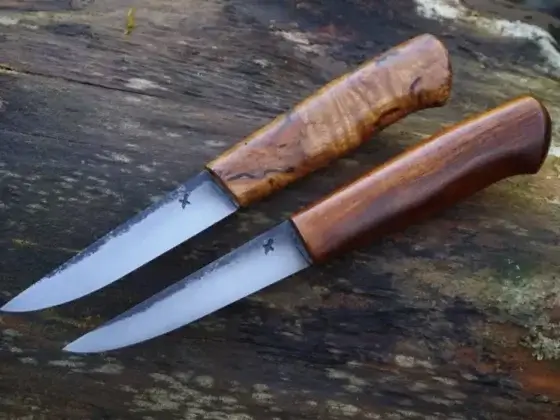
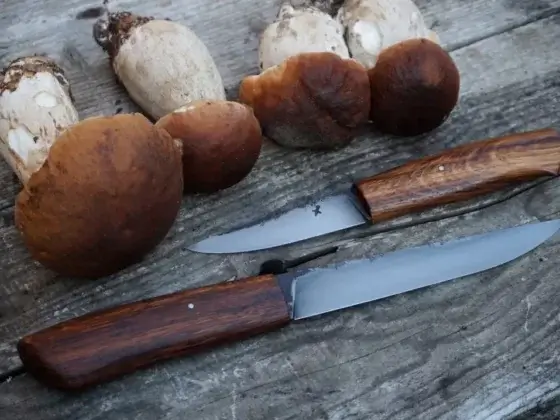
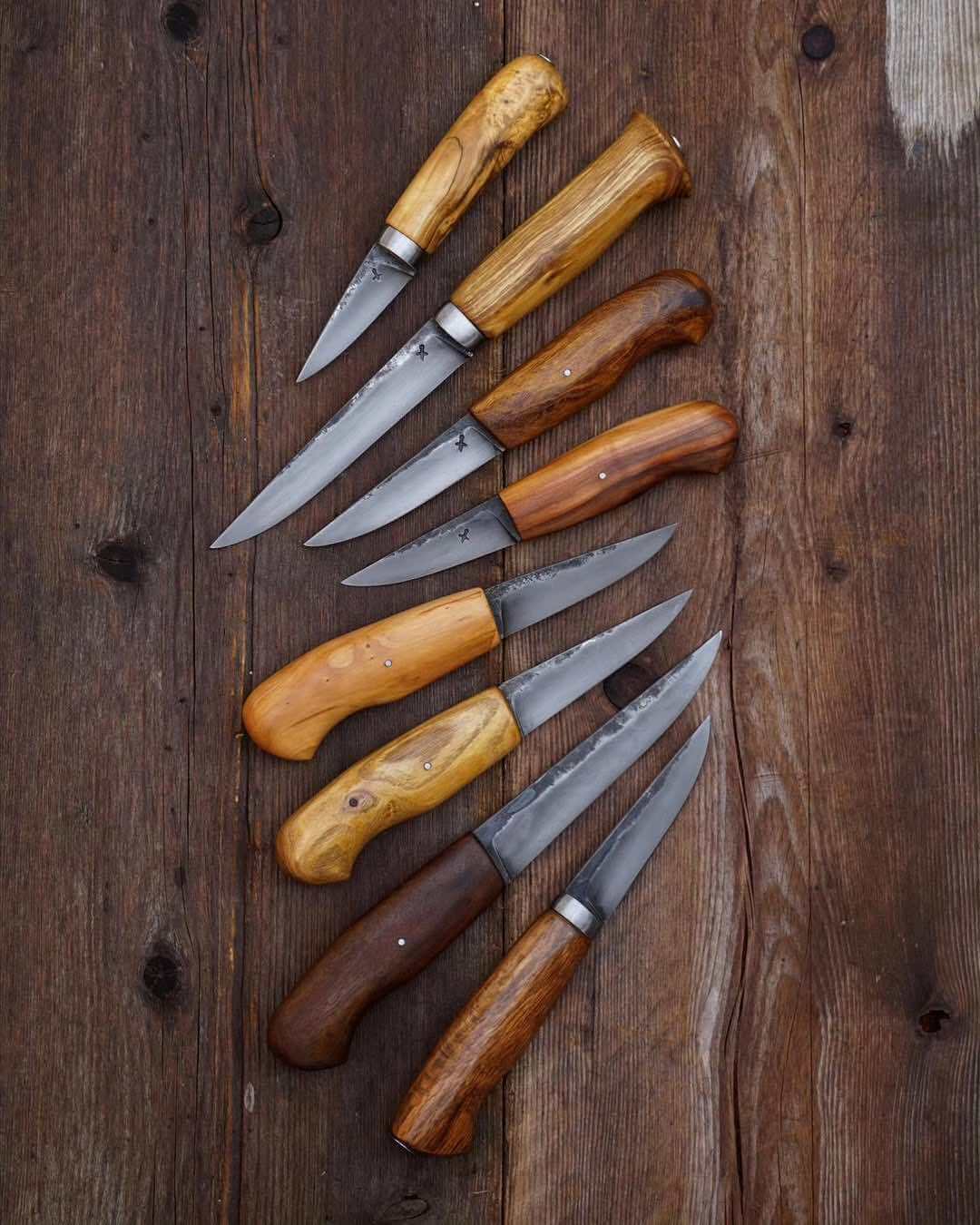
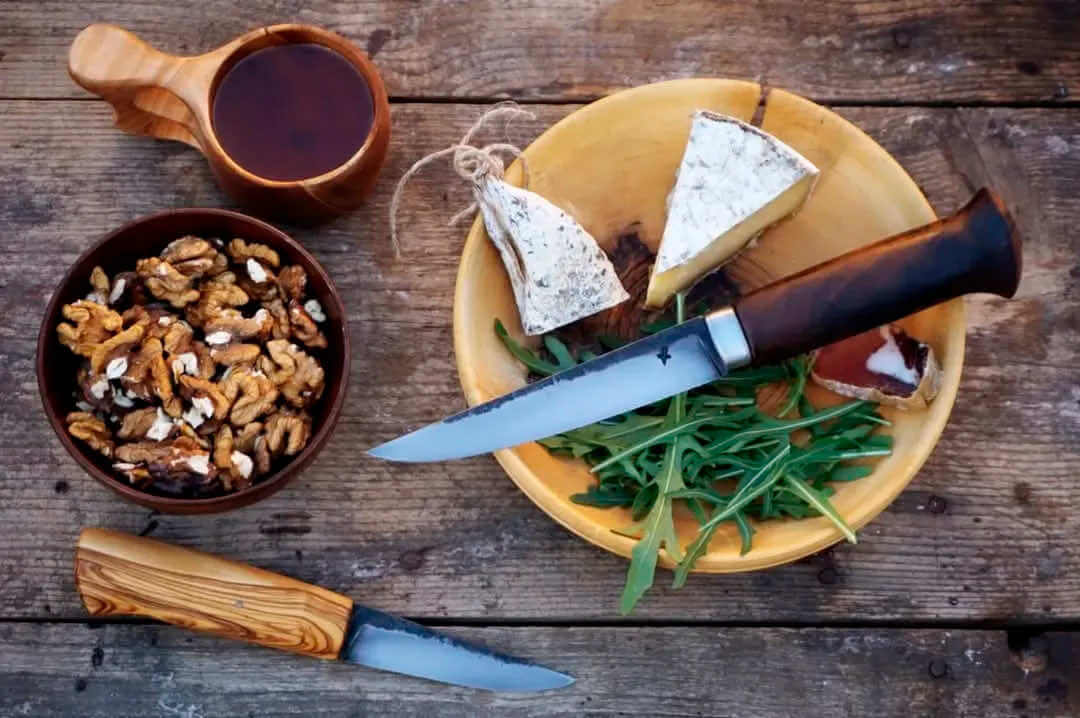
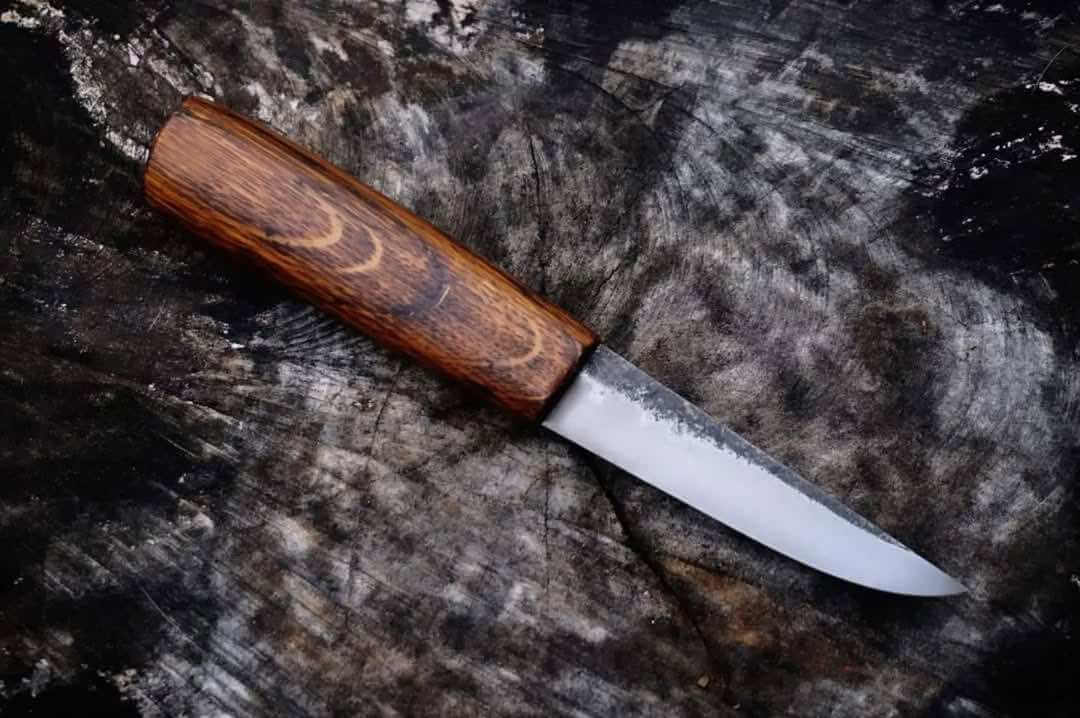
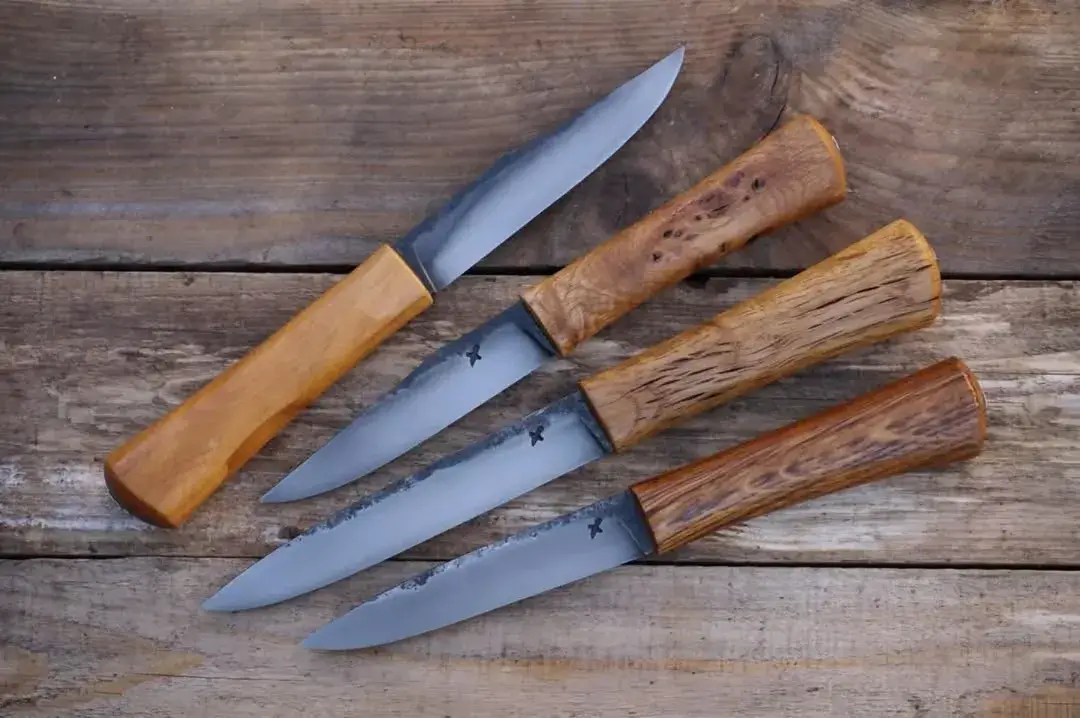
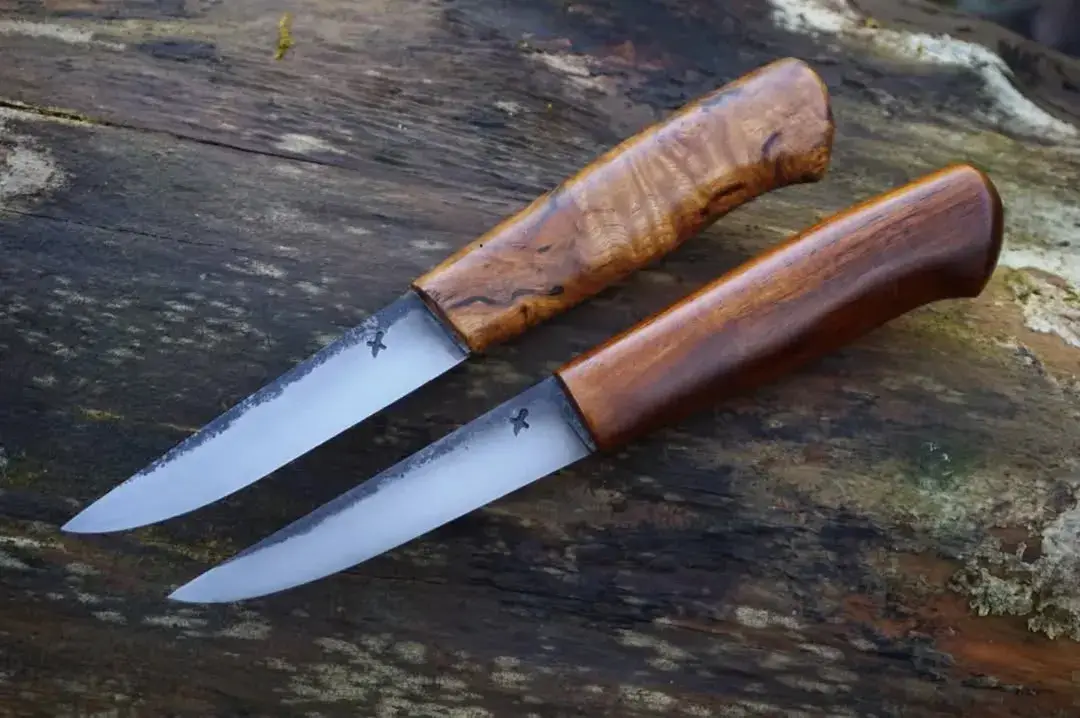
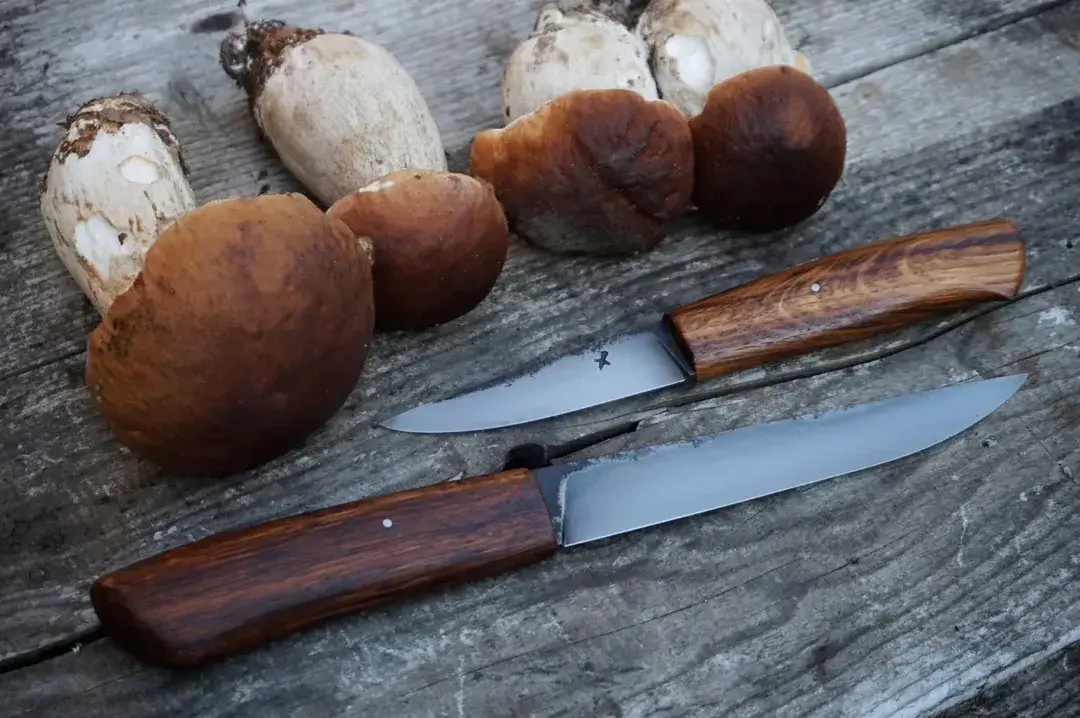
Ernest Delannoy takes as much pleasure in working wood as in shaping steel. It favours European, French and preferably local species. The manufacturing of handle is crucial to ensure the ergonomics of the puukko. It guarantees optimal comfort even during prolonged use. It selects wood for its strength and aesthetics, using classic species such as birch, oak and ash, while committing itself to discovering varieties such as the nerprun, cytise and arbous tree, which compete with exotic woods in beauty and solidity.




Conclusion:
It is always exciting to meet passionate people!
I hope this article about Ernest Delannoy gave you the desire to discover this character attaching more deeply by discovering for example its website. You can also contact him via his email and follow his latest productions on Facebook and Instagram. La Forge du Vieux Monde is located in the department Saint-Privacy. (Photographs: @ Ernest Delannoy)
Thanks for reading this article and thanks to Ernest for this interview, I'm glad I discovered your universe! See you soon.
Discover another cutlery craftsman, Finn this time: Pasi Jaakonaho
Warm regards,

Subscribe to the newsletter.
Not to miss anything, you can subscribe to the newsletter to be notified of next updates.


Hallo Philippe! Interesting technical article, and especially very beautiful photos, especially the one with mushrooms. I'm more sensitive to handles and the beauty of their wood well highlighted as to the blade even though it seems to be the center of the artisan's work.
I was wondering the cost of these unique items...
Don't hesitate to do other items from time to time, it's been a long time.
Amically, Jacques