Duodji means craft in Sami
Sami culture has many emblematic terms, including duodji – the Sami craft – is part of it. Duodji tools, clothing and accessories are functional, useful and often incorporate artistic decorative elements. Even if tradition evolves slightly, many craft disciplines (beadwork, lace weaving, wood carving, cutlery) are carefully maintained. Today, some of Duodji's pieces are of great artistic value to collectors around the world.

Sámi Duodji and Sámi Made
Le Conseil Sami lance deux marques Sami. L’objectif des marques est de renforcer le savoir-faire sami et la compétitivité des industries créatives sami. La marque Sámi Duodji a été renouvelée et est donc rééditée. En outre, une toute nouvelle marque de certification est créée, à savoir Sámi Made. Sámi Duodji et Sámi Made sont deux marques de certification différentes dont le but est d’informer l’acheteur quels produits sont de l’artisanat traditionnel (duodji).


Traditional Sami Crafts
Sami culture has many emblematic terms, including duodji – the Sami craft – is part of it. Duodji tools, clothing and accessories are functional, useful and often incorporate artistic decorative elements. Even if tradition evolves slightly, many craft disciplines (beadwork, lace weaving, wood carving, cutlery) are carefully maintained. Today, certain duodji pieces are of great artistic value to collectors around the world.
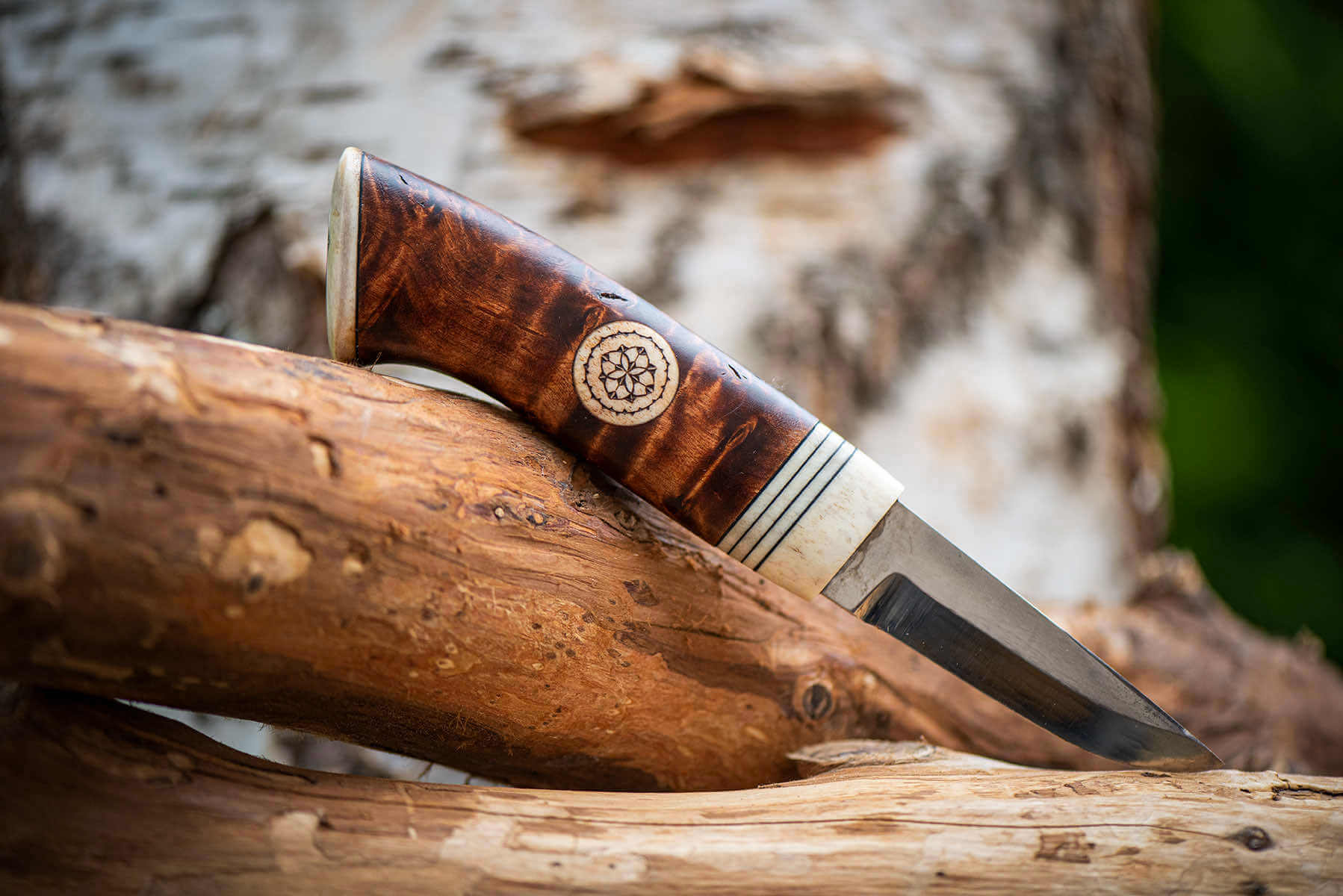
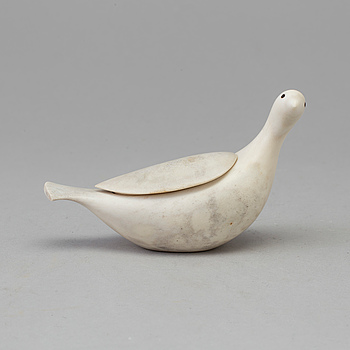
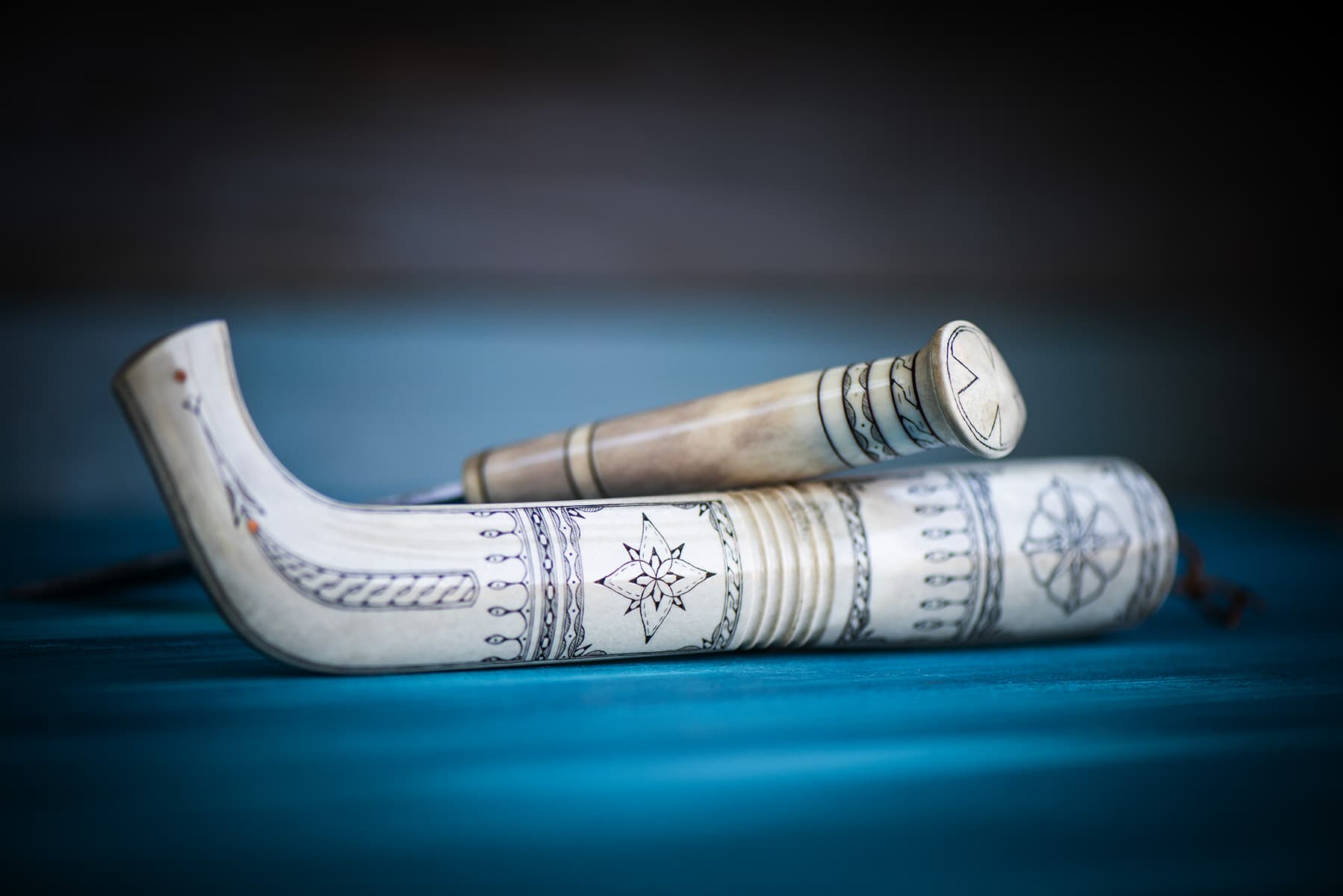
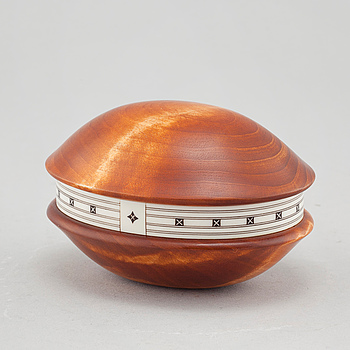
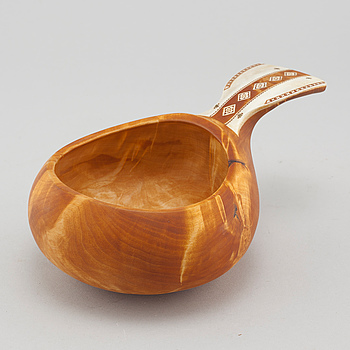
On the one hand the craft made for men with mainly engraved reindeer wood knives and cups (the kuksas). On the other hand, handicrafts for women with clothes, bracelets decorated with tin yarns and other jewellery, as well as birch bark bags and baskets.
The People of the Far North
The Duodji is divided into two categories:
In harmony with nature
The Sami craft, "Duodji " in Sami, is practiced by many members of the community, using natural and surplus materials, such as wood and bark, as well as each part of the reindeer as skin, wood, and even bones. Nothing is lost here, the Sami already had an eco-friendly lifestyle long before sustainability became the fashionable word that it is today.

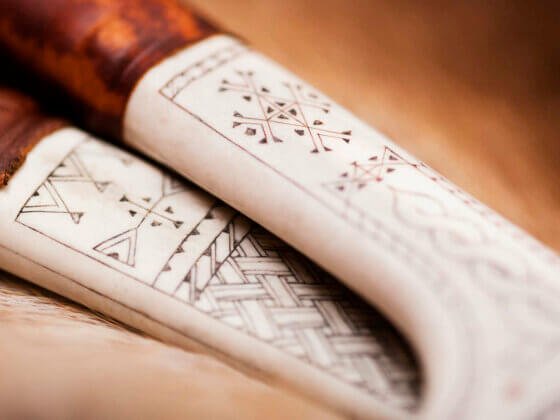
The Duodji in summary:
The duodji is a traditional craft by the Sami, an indigenous people who live mainly in the Arctic region of Scandinavia, including Norway, Sweden, Finland and Russia. The duodji is deeply rooted in Sami culture and is considered a form of artistic expression, cultural preservation and lifestyle.
Polyvalence: The duodji includes a wide variety of traditional Sami crafts, including sewing, embroidery, basketry, bone and wood sculpture, jewellery, shoemaking, knife manufacturing, and many others. Each of these trades is adapted to meet the practical needs of the daily life of the Sami.
Use of local materials: A key feature of the duodji is the use of local and natural materials. For example, the Sami use animal skins, bones, wood, horns, and other materials found in their environment to create functional and decorative handicrafts.
Cultural Preservation: The duodji is more than just a craft. It also serves to preserve and transmit Sami culture, traditions and ancestral knowledge. The patterns, techniques and designs used in the duodji often have a cultural meaning and tell stories.
Role in everyday life: Duodji objects are frequently linked to practical aspects of Sami life, such as warm and functional clothing for the Arctic climate, hunting, fishing and survival tools, as well as decorative objects for traditional tents (lavvu) and clothing.
Transmission of skills: The duodji is transmitted from generation to generation within the Sami families. Experienced artisans teach their skills to young members of the community to ensure the continuity of this important tradition.
Contemporary Crafts: Although the duodji is rooted in tradition, it continues to evolve to adapt to modern needs and tastes. Many Sami artisans create contemporary pieces that merge traditional techniques with contemporary artistic elements.
The duodji is a traditional craftsmanship practiced by the Sami for centuries. It plays an essential role in preserving their culture, traditions and craft skills, while producing objects of great beauty and functionality. This form of craftsmanship is a testament to the deep connection of the Sami with their environment and history.

Conclusion:
The duodji, or traditional Sami craft, includes many objects other than the puukkos. There are also clothes, hats, belts, jewelry, cups, bags, needlecases. Aesthetically beautiful, functional and portable, the duodji has been produced by samis duodjars for thousands of years and is intended for everyday use.
Thank you for reading this article! To avoid missing the following, subscribe to the newsletter. It's just below. Thanks again and see you soon.