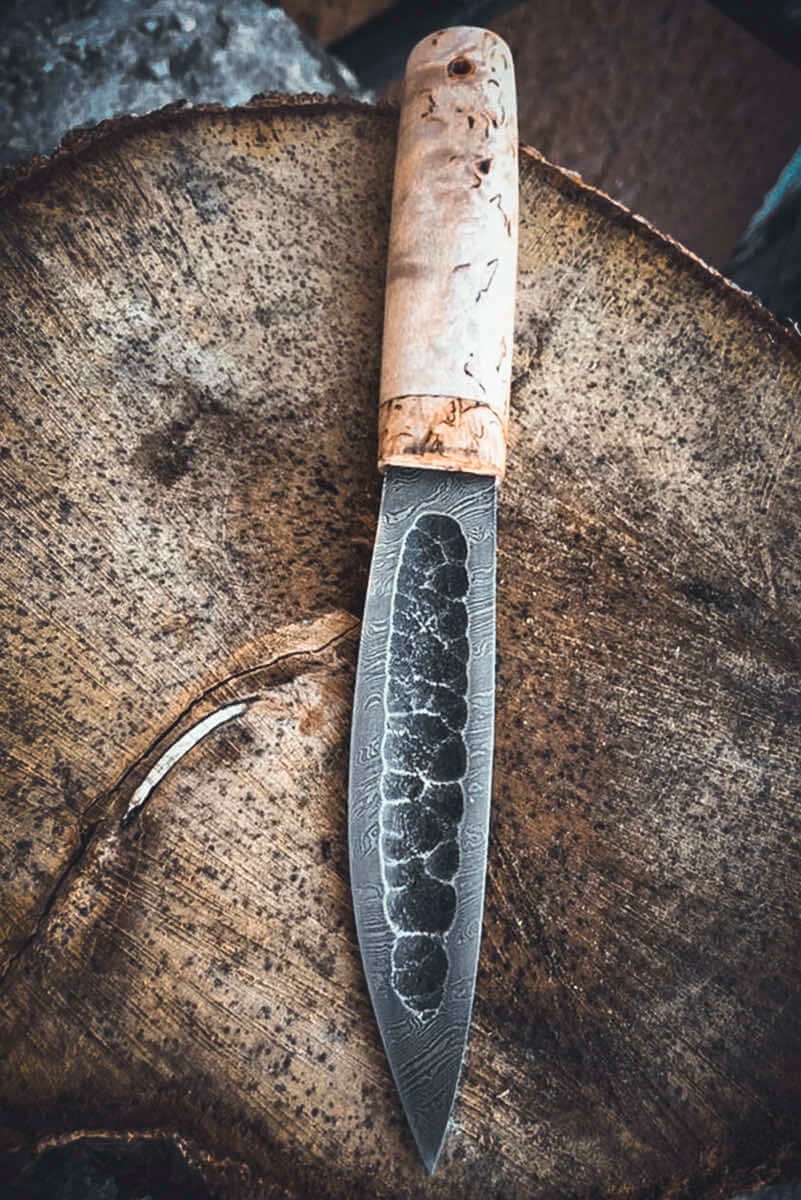
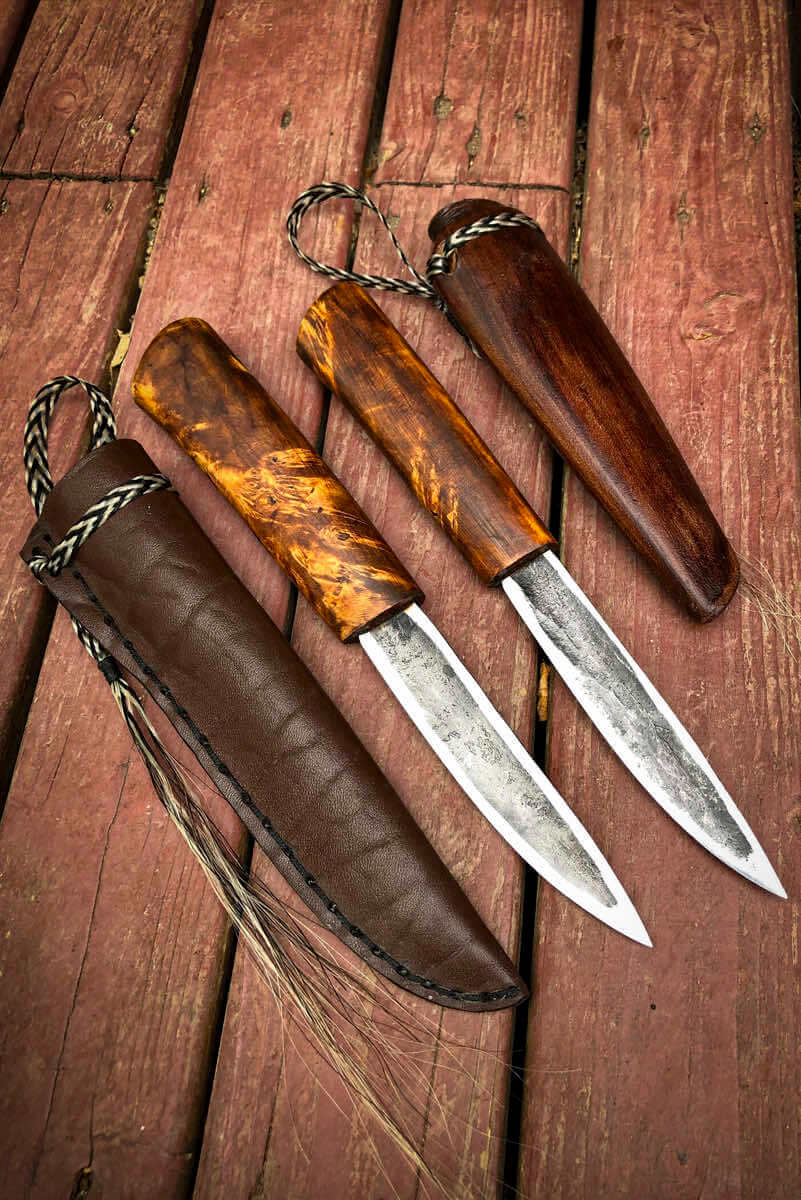
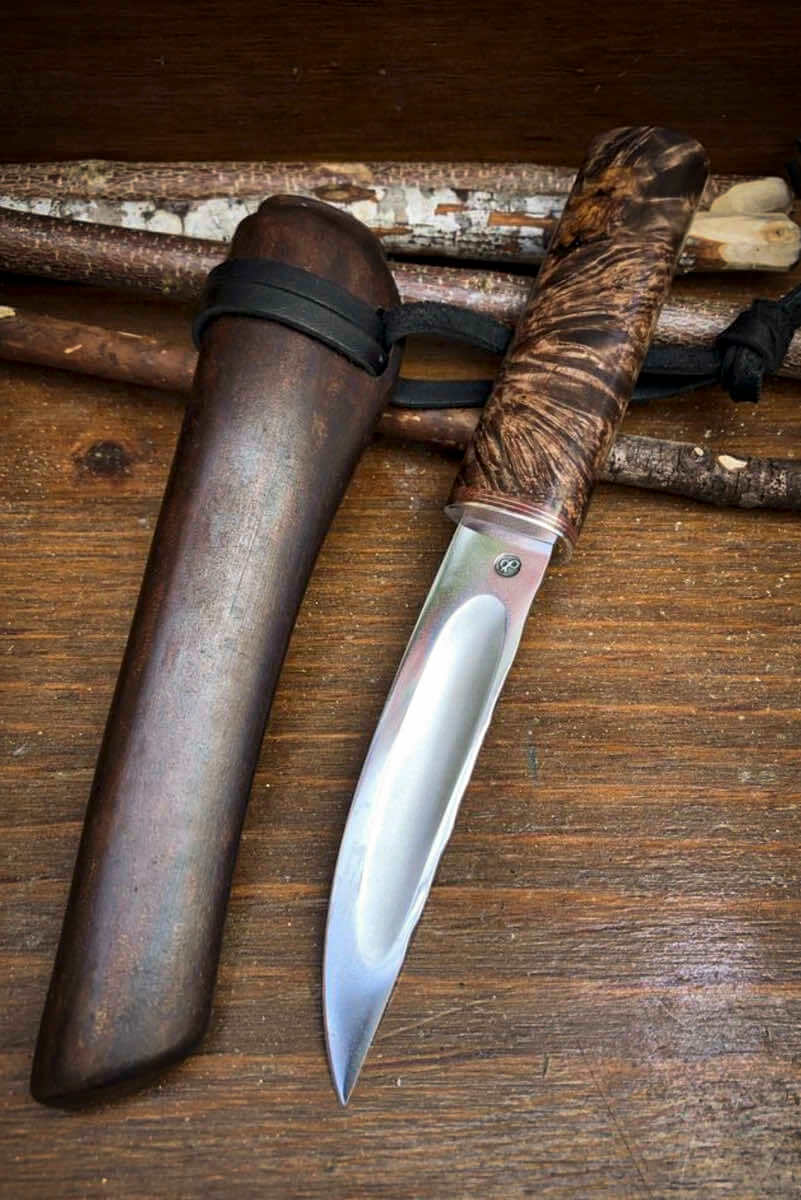
What is a Yakut knife?
Nordic Spirit

The Yakut is the traditional Yakut knife in Yakutia, Siberian region. Yakut is used to work wood, leather, skins, fish and meat. It is also used for combat. The knife has existed for hundreds of years without significant changes in its design.
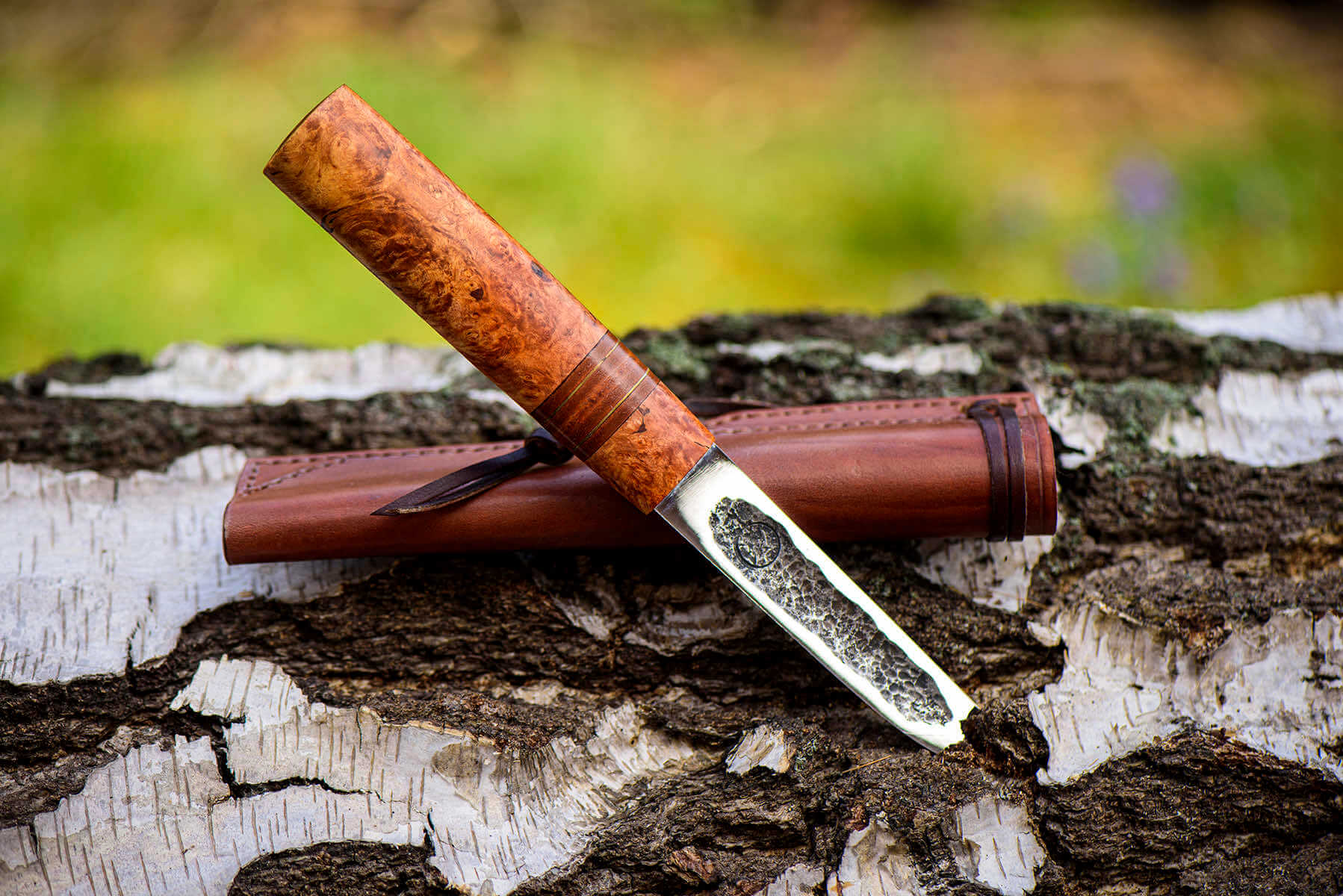
Popular ancient knives, including the Puukkos of the Sami, come from the Scandinavian nations of the north. Aboriginals such as Vikings used these tools at more than one end.

Design & Tradition
Typical Yakutian knives have a blade length of 10 to 18 cm and a width of 2.5 to 3.8 cm. An unusual feature of this knife is that the blade is asymmetric. One side of the blade has a fuller, i.e. a groove and a milling in the burin, while the other side has no groove and is essentially a convex edge (which means that he shrunk to the edge, rather than having a straight bevel). The blade is traditionally forged from iron ore of local origin melted by yakute blacksmiths. The groove of the blade makes it lighter and allows the blacksmith to reduce the amount of metal needed to make larger knives.
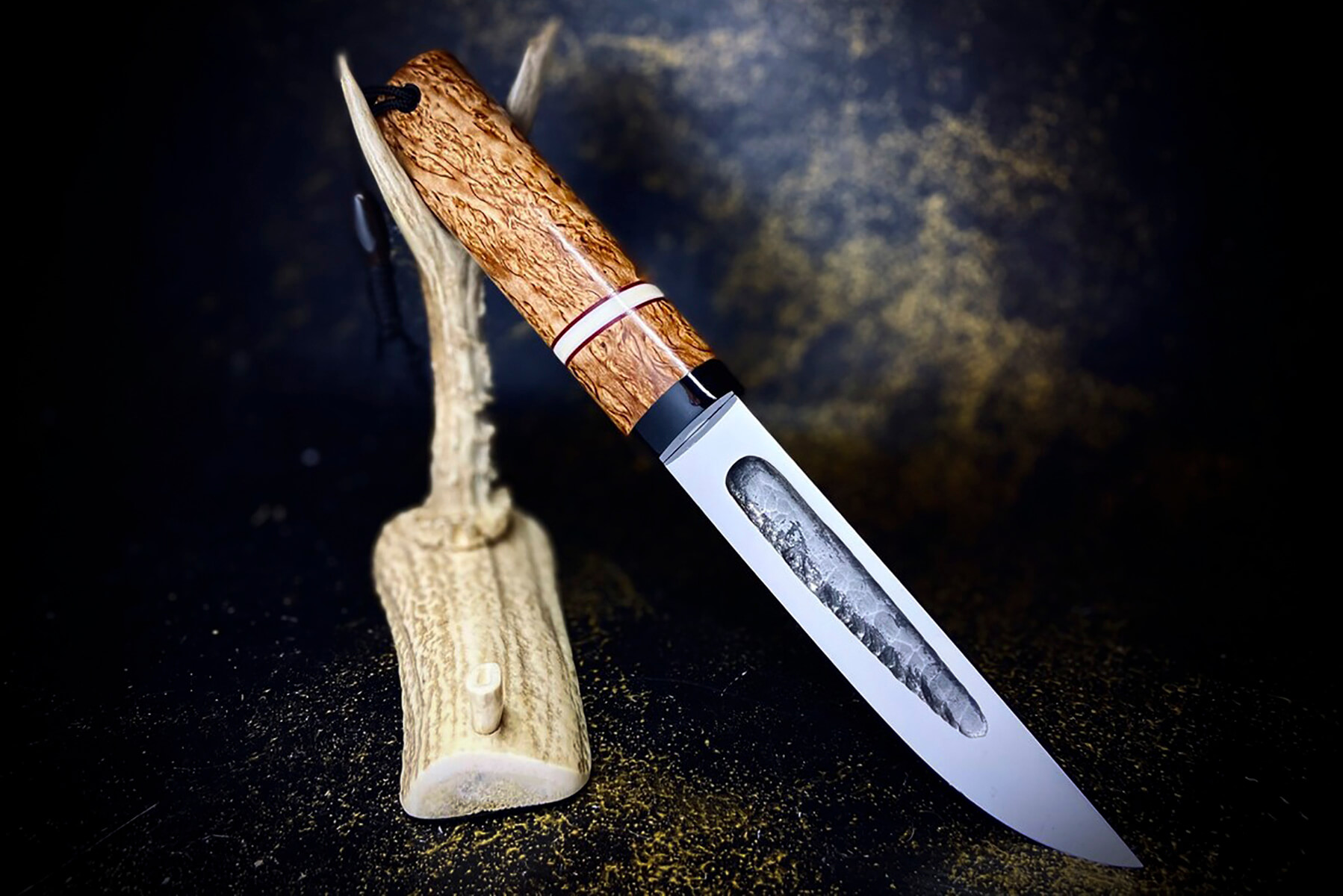
The philosophical basis of the knife is to use only for creativity and work. The master creates his product as an assistant and not to wage war or harm.
Design
It is said that having a yakut is a learning experience. Why? This is due to the concave and convex geometry of its blade with a fuller side forged by hand or mechanized. An atypical feature of this tool is indeed its asymmetric blade with one side having a convex edge and a straight bevel and the other having a grinding scissor and fuller as a groove.
The groove makes the blade less heavy and allows a blacksmith to use less metal to make a larger blade. The blade is forged conventionally using iron ore from a local site and melted by local but expert blacksmiths. The blade is sharp like a razor and remains sharp for a long time and is also easy to sharpen. Its shape resembles an arch formed in the cross-section to ensure massive resistance with a convex milling on its left and a hollow forged scissor mill similar to the Kiridashi Japanese to his right. This is the standard model for right-handed users.
A versatile tool
Fortunately, Yakutian knives are also designed for left-handed users, in which the above-mentioned shape is exactly the opposite. The handle is thick and unaltered, is usually made from birch magnifying glass and has a flat oval zone. Its cross section reflects the shape of an egg. Due to the birch material, the handle holds well in the hand, even if it is inside the gloves, indispensable at a temperature of -50 degrees Celsius.
The material also protects the hand from the cold effect of blade steel when it is too cold, a common climatic condition in Siberia. The Yakoute tribe uses many other knives that have this design and shape. In common, they all have a straight egg-like handle and are comfortable in hand. Each knife has its sheath that the Sakha make of leather, wood or skin with a wooden insert and resembles the sheath of the knives Puukko.


The handle Yakut is historically made from birch magnifying glass.
It is thick and egg-shaped in cross-section. It adapts to the hand and can also be used with gloves. The birch also protects the hand from the cold effects of steel knife, a common condition in Siberia during the winter months. One sheath with cowtail knife usually completes the whole.
With a Scandinavian milling, these knives, even today, are used for sculpture, bushcraft and utility tasks. Like the other Scandinavian knives, the Yakut is designed and used by an indigenous community in the Sakha Republic region north of Siberia, the Yakut.
He is known for having maintained a flourishing blacksmith tradition for several decades thanks to which he introduced a myriad of sharp tools, ranging from cutting knives to spear tips and swords. The blacksmiths were an integral part of the old Yakoute culture. They are people valued and admired for their ability to convert metals into weapons and tools. Yakut's manufacturing tradition was strong to make unique knives!
Tradition
As tools, the knives have been a must-see friend of every craftsman. For many centuries, knives as tools have played a more important role in the lives of Siberian Aboriginals than all jewelry. The importance of knives for these natives becomes evident through adage: Knife, my third hand. They are still used today for hunting, fishing and cooking tasks. A craftsman also uses a knife as a wooden plank. A Yakut knife is one of these versatile and venerated tools.
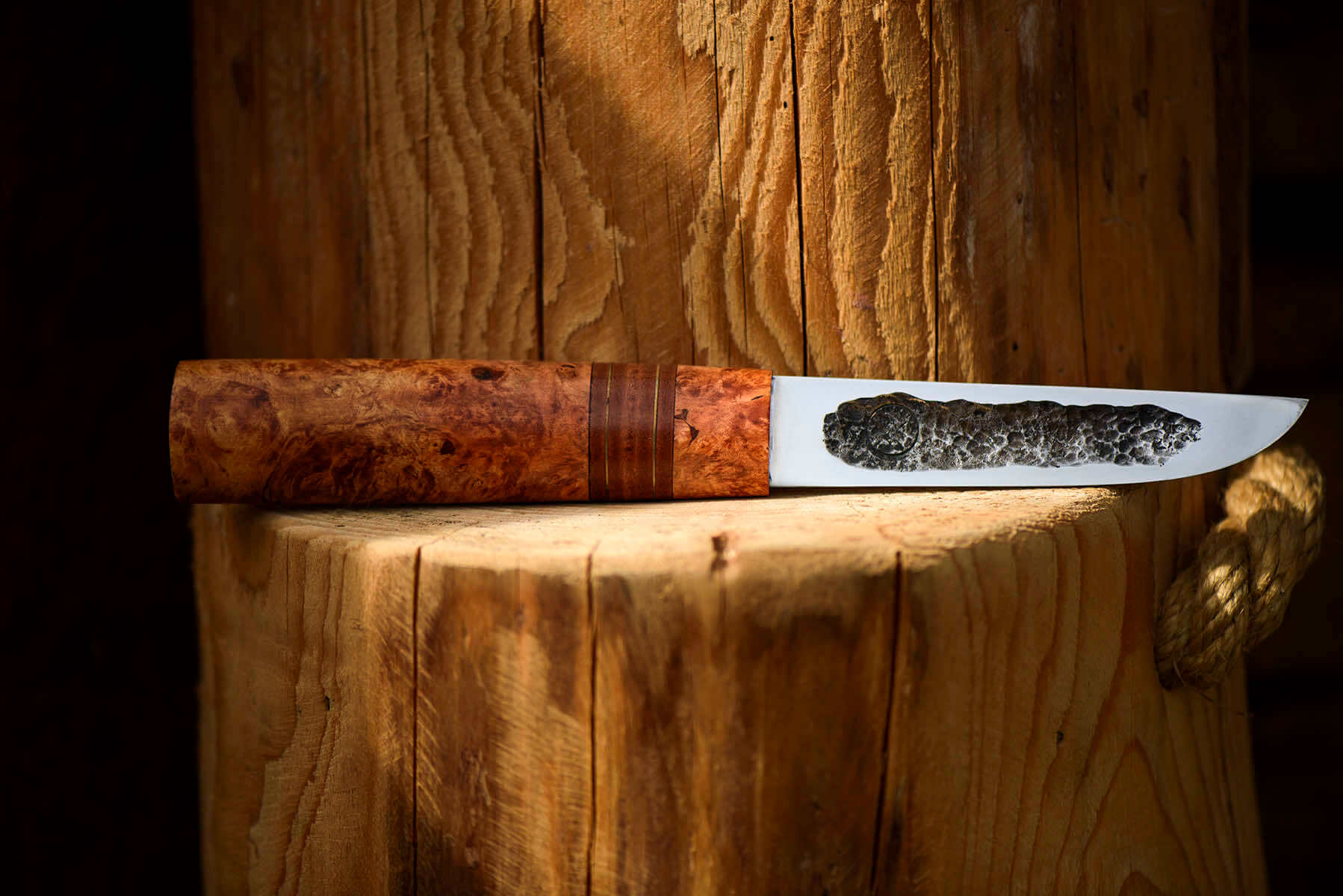
Characteristics of a yakut knife
Blade length and material:
The blade of the Yakut knife is what distinguishes it from others. The convex-concave blade is 10-18 cm long and 25-38 mm wide. The blade construction material is generally Russian steel H12MF which is robust and durable due to its high density properties. These blades have improved heat resistance and carry extreme resistance to challenge external influences.
Some modernized models use N690, U8A, ShX15 steel, and they also offer higher corrosion resistance and improved hardness, ensuring durability in action. The blades usually receive a robust finish; Although sometimes slabs in Damascus layers can also be found, they are purchased for collection purposes.
Size and weight:
Despite many variants of the Yakut knife, its initial design and measurements are somewhat constant. The total length of the knife varies between 18 and 28 cm; while the weight is kept low enough for transport reasons.
Handle :
The handle A Yakut knife is 10 to 12 cm long. Traditionally, the Yakut knives used by the inhabitants of Sakha had handles birch, curly birch, guibourtia, birch magnifying glass, etc. The handles are solid and offer a sufficient diameter for a comfortable but solid grip, even with gloves.
Some of the recent designs are in elk horn, marsh oak, wenge wood, etc., which are particularly pleasant to look at. The apple of the handle is strong enough to hammer. Finally, the full silk hidden in the handle doubles the stability of the blade.
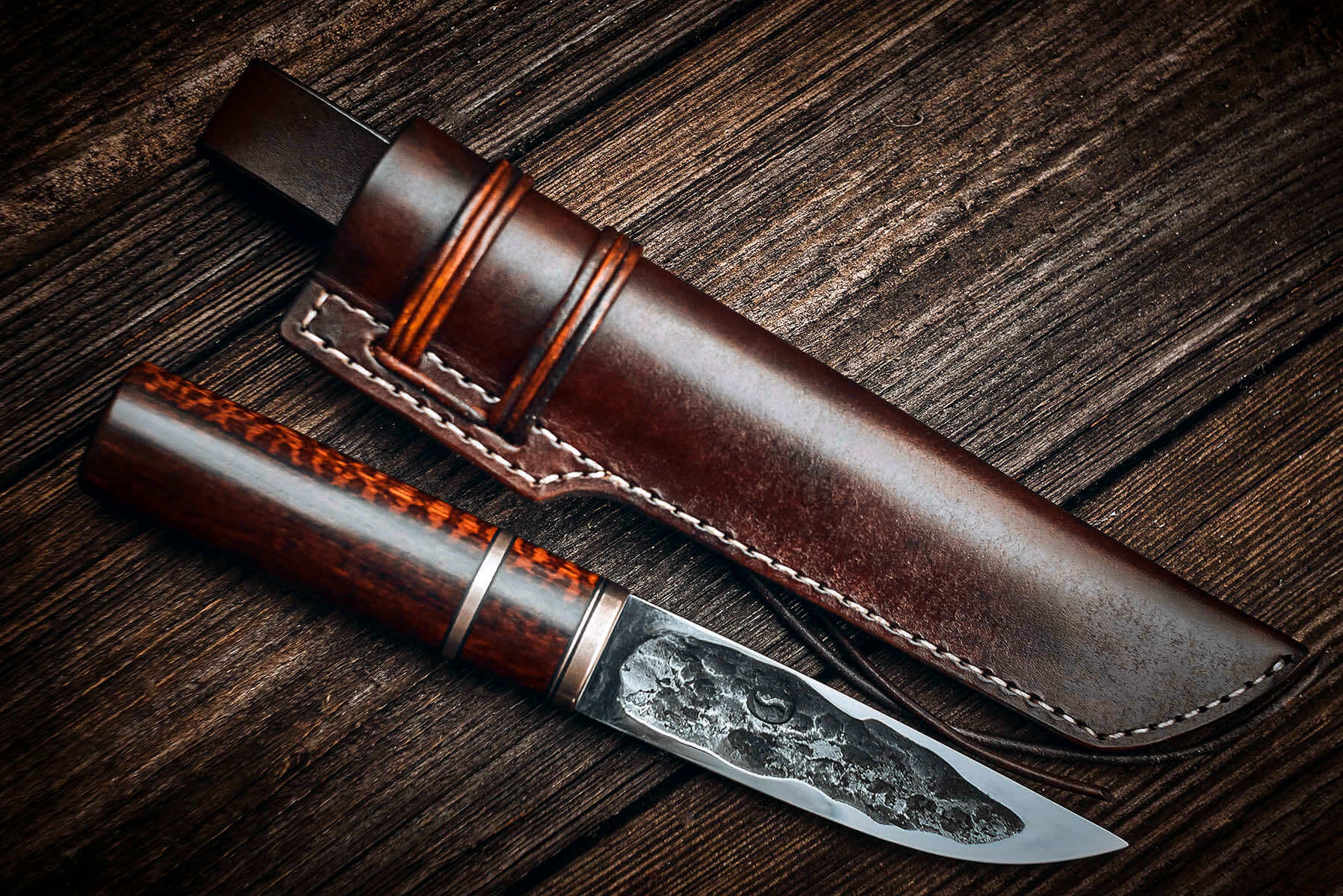
Sheath :
The Yakut knives were of great importance to the wearer. And that reflected how they wanted to carry the knife. The Yakutes used hand-made cow leather sheaths to hold the blade. Wooden stoves are also found with some versions.

How sharpen Yakut?
Easy, given the shape of its blade, you only care about one side!
Meaning of Yakutian knives
A traditional Yakut knife is considered the symbol of Siberia, as are Yakut diamonds, Siberian tigers or the hardened mammoth defenses. It is an indigenous heritage of the Sakha people. For them, the tool is both a weapon, a tool and an object of beautification.
Made for a very long time, this knife is still widely used today for many Aboriginal economic activities. To be precise, it is mainly used to simplify long, thorough tasks such as repairing broken sleds and removing meat from bones.
Apps
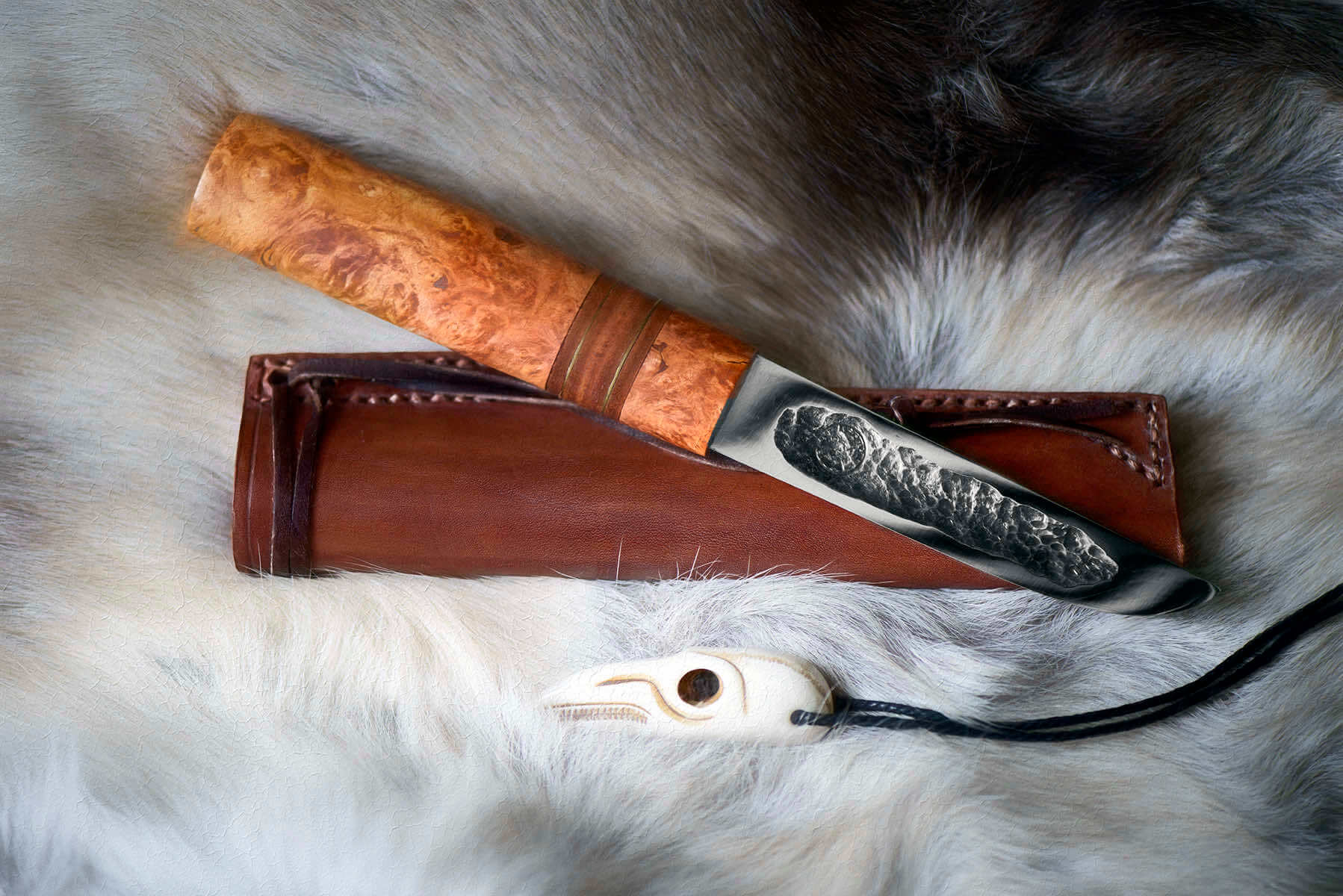
A conventional Yakut knife is specially sharpened and optimized for cutting pushed cuts. It is usually seen cutting wavy strips of fish Coregonus frozen to make a traditional Yakoutian dish, Stroganina. This dish can also be made with fresh frozen mare milk or reindeer meat.
It's typically where the fowl plays its part. In addition to lighten the blade while ensuring a good balance of handle, the gutter considerably reduces the external contact surface, which facilitates slices.
This also makes the tool a good wood planing machine that can easily cut by traction and push. Traction cuts involve the flat bevel exposed to the cutting surface. However, to avoid having wood chips quite flat, the blade must be tilted.
However, asymmetric milling is not so favorable for making traction cuts without the flat side being exposed to wood or when cutting wood chips. This may be due to the lack of material at the back of the edge and the lack of sufficient mass to separate the fibres using only its unique geometry.


Yakut loves extremes!
Seizing concentrated from extremes, Yakutia is best known as land of exile and deportation. It is one of the countless regions of immeasurable Russia.
- Extremely distant, six time zones east of Moscow.
- Extremely large, with an area of India, six times that of France.
- Extremely deserted, a small million inhabitants populate these vast
- Extremely glacial, ubiquitous permafrost, six to nine months of winter, temperatures around –50 °C.
- Extremely rich in natural resources.
Yakutian Landscape
YAKOUTIE, TERRE DES EXTREMES!
There are only two seasons in Yakutia. The cold season begins with 2/3 of the year, or eight months. During this season, the temperature may fall to -56°C. Then comes the beautiful season. It's the equivalent of our summer. This beautiful season lasts 4 months. Temperature can range up to 40 degrees in shade.
The Yakutia in video
Yakutia, also known as Republic of Sakha, is an immense region of Russia. It covers approximately 3.1 million km2, or 18 per cent of the territory. Yakutia is called diamond heart of RussiaThis is where a quarter of the world's high-quality diamonds are extracted.

Origin of Yakut
A Yakutian knife is a Siberian equivalent of puukko Finland. With a particularity, the shape of its blade. The merit of this feature lies in its geometry, which combines concave and convex conceptions. Many theories exist, although they are for the most part provisional, because most of the ancient know-how of this knife was lost during the socialist regime. It was only at the end of the 20th century that the Yakuts themselves began to examine it.
According to one theory, the asymmetric blade of this knife is a steel shape of primitive bone knives. This is established on the notion that the division of a long bone towards the outer side will result in convex; while the inner part must be hollowed after removing the marrow. This anthropological theory reveals that the nomads Yakut who knew how to forge steel have adopted the unique geometry of Evenks (one of the Tungo peoples of Siberia) considered cousins of North American natives. The Evenks did not know the forging of steel and they used animal bones. Thus, the geometry of Yakut would come from concave and convex geometry of bone knives.
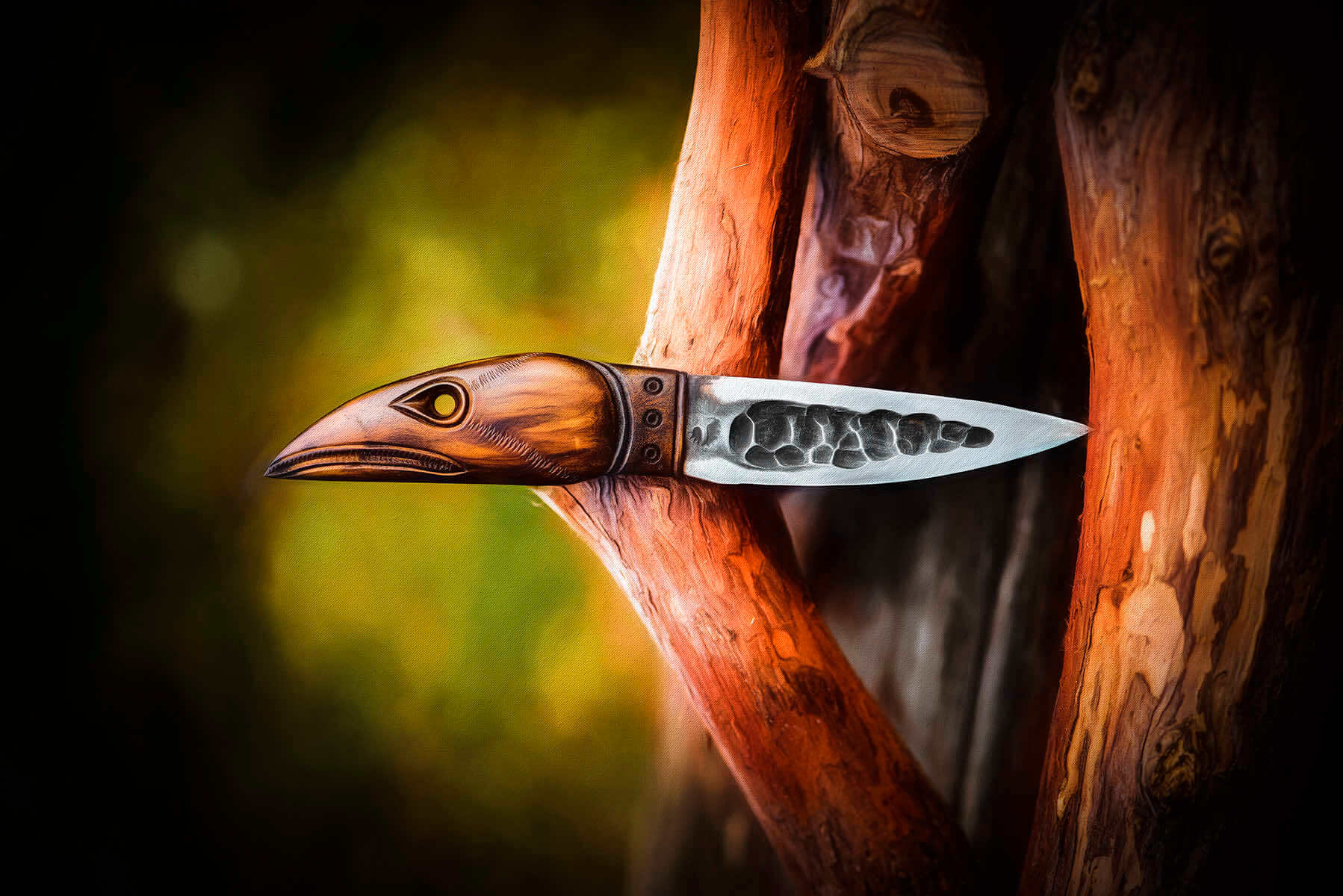
The Gods of Hell
Another common legend says that blacksmiths have acquired the art of forging this tool of the gods of hell. A more defensible theory specifies that the unique geometry was designed for performance as well as for less use of steel by blade. In concrete terms, a yakut knife is a tool made up of three components, namely an asymmetric blade, an asymmetrical blade, an asymmetrical blade, and a knife. handle made of monolithic wood and a leather sheath. The asymmetric blade usually has a convex bevel on the left and a flat bevel on the right, with a full bevel.
The northern Yakut knives have a more slender blade, unlike those in the south that have a slightly wider blade. The sheath sewn on the side is made from cow's tail skin and holds the knife halfway up to handle.
Introduction to the Yakut people
Origins
Originally from the Far Eastern Siberian Republic of Yakutia, the Yakutes are a semi-nomadic people whose traditional way of life was mainly dictated by the extreme climate of the region where they live. Here's all you need to know about one of Russia's leading Aboriginal groups.
The Yakutes live in some of the coldest places on the planet, which become surprisingly hot in the summer. It is also the largest republic of Russia, officially formed in 1922 at the beginning of the Soviet Union. More than four times the size of Texas, the Yakutia extends to the north coast of Russia. Far above the Arctic polar circle, and south to Lake Baikal, the Buriatia and the Aldan plateau. There are more than 700,000 rivers and water bodies flowing through the vastness of the Republic.
History
The Yakutes appear in oral histories dating back to the 10th century. They are believed to be descendants of the indigenous peoples of the Lake Baikal region who migrated northward and settled among the nomads Evenk and Yukagir around the Lena Valley. Russians only made contact with them in the 17th century. The Cossacks arrived in the area around 1620, and a conflict between them and the Yakutes ensued. By the mid 1600s the Russian empire had absorbed the valley and in the 1700s Iakutsk was a lively Russian outpost.
Culture
Imperial domination and the formation of the Soviet Union have seen the number of Yakutes decrease. In the 19th century, the Yakutes were already giving up their traditional nomadic lifestyle for a more permanent lifestyle, and the increase in urbanization had an additional impact on this. Despite the decline in the number, the regional villages can be entirely populated by Yakutes, where the fate of the extreme conditions continues. The harsh climate and permafrost mean that agriculture is difficult. In the region, many Yakutes are still involved in breeding and mining. Yakutia is one of the world's leading sources of diamonds.
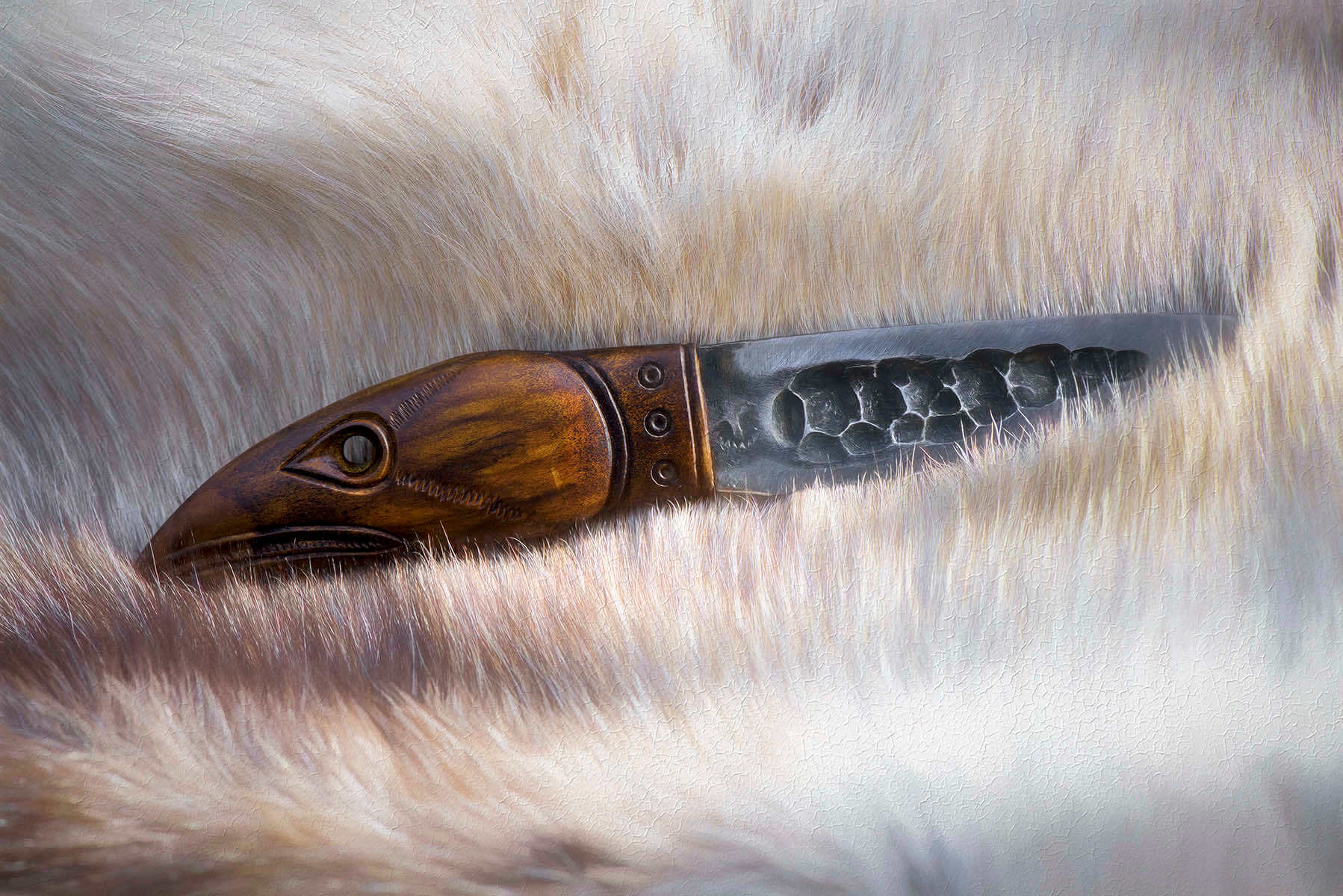
Yakut knives for Bushcraft
There are salient features of a Yakoutian knife because it is considered the ultimate bushcraft tool. Let's explore them.

# 1 – Power
There is a strong reason why modern engineers and biomedical experts examine bones. This is due to their striking physical geometry. After performing a series of tests such as torque and force tests, these people concluded that a bone can easily adapt to a dynamic loading environment over time and recover pressure at risk. Credit goes back to concave and convex geometry, which is the most remarkable feature of a Yakut knife. This shape makes the blade more durable and powerful than other ancient knives. It is precisely the shape of the wheel arch that makes this blade stronger than a traditional blade. In addition, the blade is forged with high-grade steel carbon which makes it almost indestructible by the forces of human members. This characteristic is paramount in a survival situation.
# 2 – Effectiveness
The unique geometry facilitates very little contact with the cut item. This results in very low resistance, which means, not being stuck in the wood. The shape of the blade also allows you to use the tip as a drill to easily and efficiently drill holes in leather or wood. These traits are really practical for survival.
# 3 – Survival
Anyone who has faced a survival spell knows that dehydration and fatigue are the worst opponents in an emergency. With them, one cannot even perform the necessary tasks such as digging for water and making branches to live. However, with this knife, these tasks are easily achievable without you having to make significant efforts. We know that the knife comes from the coldest populated place on the planet, Siberia. Its distinct geometry makes the characteristics robust, which are based on the requirement to function well even in the coldest temperatures ever felt on earth. Since steel properties tend to change radically at these temperatures, it took concave and convex design to ensure the highest level of durability.
# 4 – Sharpening
This is another vital characteristic of a Yakutian blade. You only sharpen the flat side. Your maintenance effort is reduced by half, as you sharpen only one side. In addition, at the time of sharpening, it is not necessary to make an additional effort of repeated passages from the same angle, unlike a standard knife. If forged by means of a high-grade steel material carbon, the knife edge will last longer than any other knife made from steel. A common misunderstanding about sharpening of this knife is that the edge will disappear if it is often sharpened due to its fine profile. Well, that's a myth! Indeed, sharpen a yakoute knife is not like sharpen An ordinary blade. Finally, after several years of use, the hollowed side becomes less deep, but the edge remains intact in terms of size. You get an extremely thin edge with the strength of a normal knife.
# 5 – Floating
Well, yes, the birch magnifying knife floats! A traditional Yakut with a forged blade without anything that can add to its weight will never sink. This ability to float makes the knife an ideal tool for many knife fans.
Convinced!
Yakut is an efficient, durable and versatile choice for most survival tasks. The Yakutian knife is a robust and functional survival tool even under extremely cold conditions. He really is an ideal adventure companion!

FAQS
Maybe some answers to your questions
What is the difference between a Yakut and a Puukko ?
The Puukko is another traditional knife of Scandinavian origin. It was originally created to be used inside as a utility knife for everyday tasks, such as food preparation and minimal wood carving. While a Yakut knife is more an outdoor knife than you can use to hunt, eviscerate and strip hunted animals, thread fish, chop vegetables, cut wood, etc. The two knives also differ visually, one with a grooved blade and the other with a flat back.
Why is there a groove on the blades of the Yakut knives?
The groove calculated on the Yakut knives was created, because forging and acquiring steel was difficult at that time for the Yakut nomads, so they tried to save steel by putting a hollow there. This cavity, therefore, reduced the weight of the blade while making the blade wider, but not heavier.
Where to buy a Yakut knife?
If you need ready-to-use knives, there are incredible choices on Etsy where you can buy beautiful hand-made yakutes knives at a reasonable price. Otherwise, it's best to work with an expert blacksmith to make one with your dimensions and materials to design your custom model.
Conclusion:
As much as I like the artist's work done on some puukkos, so much I like the raw and functional side of Yakut. It is felt that this tool was created to withstand all the difficult situations that can be encountered in nature, including extremely cold temperatures.
I hope you enjoyed this article about Yakut, if you do, think about noting it and sharing it. There may still be a lot to say, but this article is already long... It's the right time to discover Ernest Delannoy, French cutlery blacksmith. Thanks again for the visit! See you soon!

The Blog of puukko.fr
Articles on puukkos, Scandinavia, nature and large spaces.